Story Tracking Updates: How Platforms Tightened Privacy and Closed Lurking Loopholes
The Death of Silent Lurking: How Instagram and LINE Closed the Story Footprint Loopholes
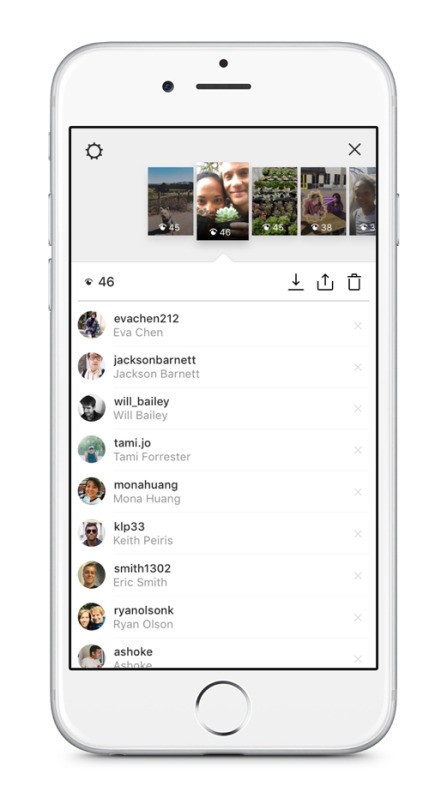
Millions of social media users treat Stories as a digital keyhole: a quick, risk-free glance into someone else’s daily life. For years, silent lurkers relied on a playbook of unofficial workarounds, swiping halfway across screens, flipping network toggles, and leaning on scraping websites to view updates without leaving a trace. That era is over. Recent architectural shifts across Meta’s platforms and LY Corporation’s LINE ecosystem have systematically dismantled silent story watching, transforming read receipts into non-negotiable server events.
A detailed MSN Report examining the LINE story footprint feature highlighted the issue plainly: viewing an ephemeral post inherently generates an unalterable log. Japanese users searching for "ストーリー 足跡 つけ ない" (viewing stories without footprints) are discovering that native bypasses no longer exist. Between server-side token handshakes, synchronized client caches, and automated detection suites, stealth viewing has shifted from a harmless curiosity into a direct account security risk.
📌 Key Takeaways:
- Systemic Patching: Platform-level story view tracking updates have rendered offline client bypasses like airplane mode completely ineffective.
- Security Minefield: Third-party anonymous story viewer tools now trigger automated session revocations, rate-limits, and credential compromise.
- Algorithmic Exposure: Story viewer list algorithms increasingly prioritize viewer engagement patterns, meaning lurking behavior directly influences profile visibility.
The Cultural Obsession Behind Viewing Stories Without Leaving a Trace
The compulsion to watch without being seen is baked into modern digital interaction. When platforms originally introduced ephemeral updates, users treated them as casual status boards. However, public awareness regarding read receipts grew slowly. Japanese coverage from J-Cast tracked this realization as early as November 2016, when users began discovering that their identities were being cataloged on private spectator rosters.
What followed was an underground cat-and-mouse game. Casual observers, competitive colleagues, and estranged acquaintances sought methods to bypass platform telemetry. The motivation rarely involved sophisticated surveillance; most people simply wanted low-friction social awareness without committing to a public interaction.
Engineers at major consumer apps designed these systems around reciprocal transparency. For platforms like LINE, where closed social graphs dictate daily communication, the presence of an identity log confirms engagement. When an account holder shares an update to their circle, the system registers the interaction immediately. That visibility is the foundational design choice of the product.
Technical Breakdown: Why the Airplane Mode Trick Broke Down
For nearly a decade, the classic offline workaround served as the default advice on forums: let the app pre-load the media, engage airplane mode, view the frame, force-quit the application, and reconnect.
It worked because early mobile client applications maintained local session states without immediate server synchronization. When network access was cut, the local view log was held in temporary storage. If the app cache was cleared before re-establishing a socket connection, the pending view receipt vanished.
Modern application architectures have plugged this structural hole through transactional telemetry:
| Viewing Method | Historical Status (Pre-2024) | Current Status (2026) |
|---|---|---|
| Airplane Mode Disconnect | Functional if cache was cleared before reconnecting | Patched: Encrypted SQLite view queues sync instantly upon reconnection |
| Half-Swipe Peeking | Allowed partial static preview on adjacent frames | Neutralized: Edge-swipe threshold immediately triggers a view event call |
| Web Scraper Gateways | Unrestricted access to public profile CDN media | Restricted: Aggressive Cloudflare bot challenges, IP bans, and tokenized media URLs |
| Temporary Block Maneuver | Viewing, blocking the creator, and unblocking after 24 hours | Broken: Viewer log persists in backend database; instantly restores on unblock |
Mobile operating systems now serialize telemetry events locally within persistent internal storage. The moment the operating system regains network connectivity, the client runs an idempotent synchronization task. It flushes the recorded read timestamps directly to the production cluster. The creator receives an updated viewer roster within seconds.
How the Story Viewer List Algorithm Ranks Silent Lurkers
Social media feeds are not chronological lists. That logic extends directly to audience rosters. When an account holder checks their story analytics, the order of names is determined by predictive behavioral models.
Public reverse-engineering audits indicate that viewer lists follow two distinct phases:
First, for stories with fewer than 50 views, the sorting remains broadly chronological. The earliest observers sit at the top.
Once a post crosses that metric, the backend algorithm reorders the roster based on user interaction depth. The system calculates direct message history, profile navigation frequency, and reaction patterns.
Accounts that repeatedly view a creator's profile without commenting or reacting often drift toward the upper third of the viewer roster. By checking an account repeatedly, silent lurkers generate telemetry that signals high affinity. Instead of remaining invisible, frequent observers inadvertently push their own profiles directly into the creator's line of sight.
Security Traps: The Hidden Cost of Third-Party Viewer Tools
The closure of native client bugs sparked an explosion of web-based viewing utilities. These tools claim to offer unrestricted access to public and private stories without registering an identity footprint.
Security audits reveal a dangerous ecosystem operating behind these portals. While some rely on rotating pools of automated accounts to fetch public assets, many serve as vectors for phishing campaigns, session interception, and malware delivery.
Services promising access to private profiles invariably require users to log in through embedded OAuth forms or proxy gateways. Handing an active session token or login credentials to an untrusted third-party violates platform terms of service. Security heuristics immediately flag these off-platform authorization attempts.
The consequences are immediate:
- Session Invalidation: Meta and LINE detect irregular connection nodes, triggering instant two-factor challenges or locking accounts outright.
- Shadowbans & Rate Limits: Accounts associated with automated scraping tools face severe distribution penalties and restricted direct-messaging privileges.
- Credential Harvesting: Many third-party sites monetize by scraping personal contact lists, private media caches, and device identifiers.
Relying on external tools to preserve viewing anonymity introduces enterprise-grade tracking risks in exchange for a few seconds of ephemeral viewing.
Managing Boundaries Through Native Social Media Footprint Settings
Circumventing platform read mechanics is no longer technically viable. Managing personal exposure requires working entirely within native configuration menus.
LINE handles this separation directly inside its timeline architecture. Within LINE's settings, users can adjust individual privacy filters for timeline posts, restricting audience access by designated friend lists or excluding specific groups entirely. Once an update is visible to an authorized contact, however, the footprint mechanic cannot be disabled.
On Meta platforms, audience curation offers similar control:
- Close Friends Lists: Restricting content to a segmented subset of accounts prevents broad audience monitoring entirely.
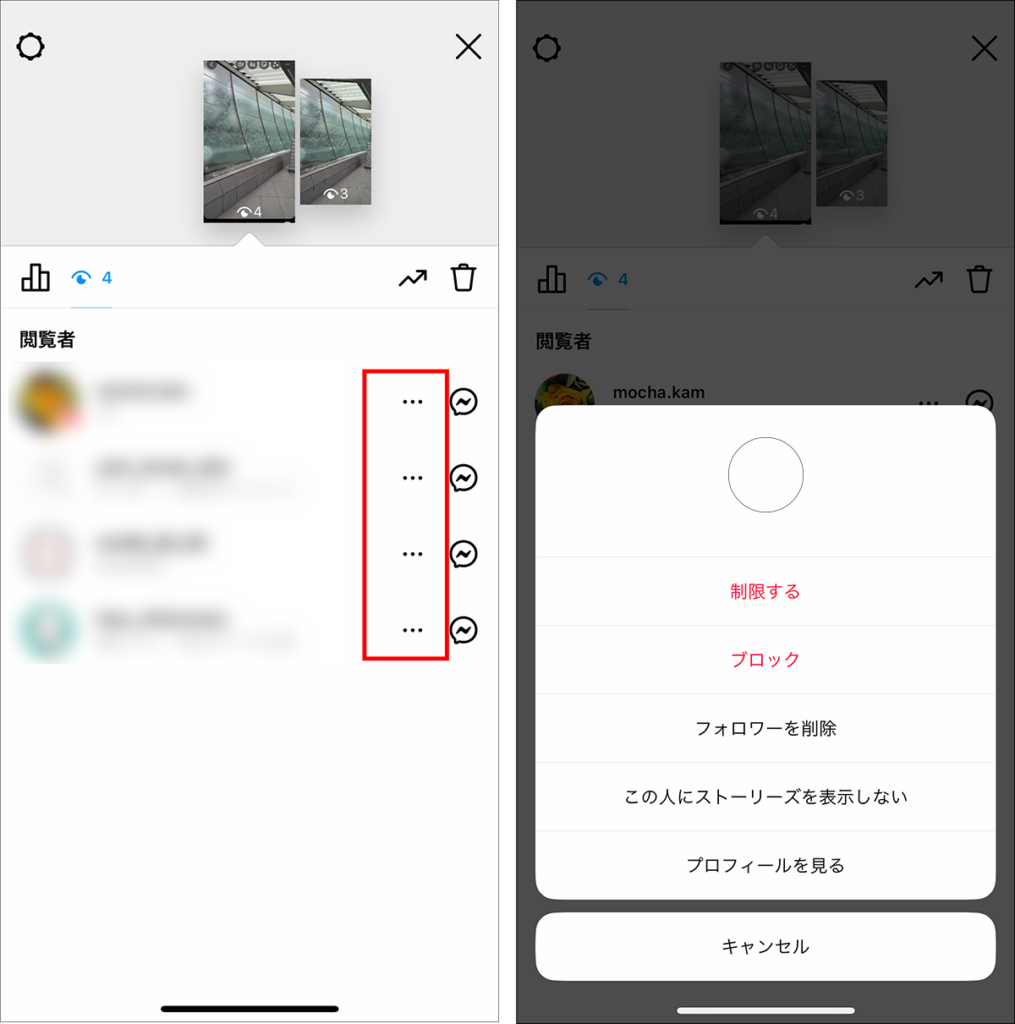
- Direct Profile Concealment: Creators can hide their updates from specific profiles through the Story Settings menu, blocking them without executing an outright platform block.
- Secondary Account Separation: Maintaining an unlinked, public persona remains common, yet platform hardware fingerprinting and Bluetooth beacon discovery frequently link alternative accounts behind the scenes.
Platforms have made their incentives obvious: if you consume media within their authenticated borders, your identity is part of the transaction.
Frequently Asked Questions (FAQ)
Can I safely delete my footprint after viewing a LINE story?
No. Once you load a LINE story, the interaction is instantly written to LY Corporation's production logs. You cannot retroactively delete, scrub, or hide your footprint from the creator's spectator panel.
Does creating a secondary account ensure complete browsing privacy?
Only partially. While the creator will not see your real name on their viewer roster, platforms actively cross-reference device IDs, shared IP ranges, and synchronized contacts. Alternative accounts frequently surface inside the creator's "Suggested Accounts" panel, compromising anonymity.
Can private account stories be viewed using external websites?
No. Private account media is protected behind end-to-end access control tokens. Any website claiming to bypass private account restrictions is running a credential phishing scam designed to steal your credentials.
The Future of Ephemeral Media Consumption
Social platforms have closed the book on unintended anonymity. The systems powering mobile feeds prioritize deterministic data collection: every interaction, pause, scroll, and view is cataloged to calibrate user behavior and retention algorithms.
The bugs that once enabled invisible viewing were technical oversights of early mobile infrastructure. With modern client-side event queues, strict API rate-limiting, and server-side view verification, those gaps are sealed. Engaging with ephemeral content now requires accepting the social visibility that comes with it. If you choose to watch, you should expect to be seen.


