Becoming a Yamada Denki Store Manager: Pay, Requirements, and Career Path
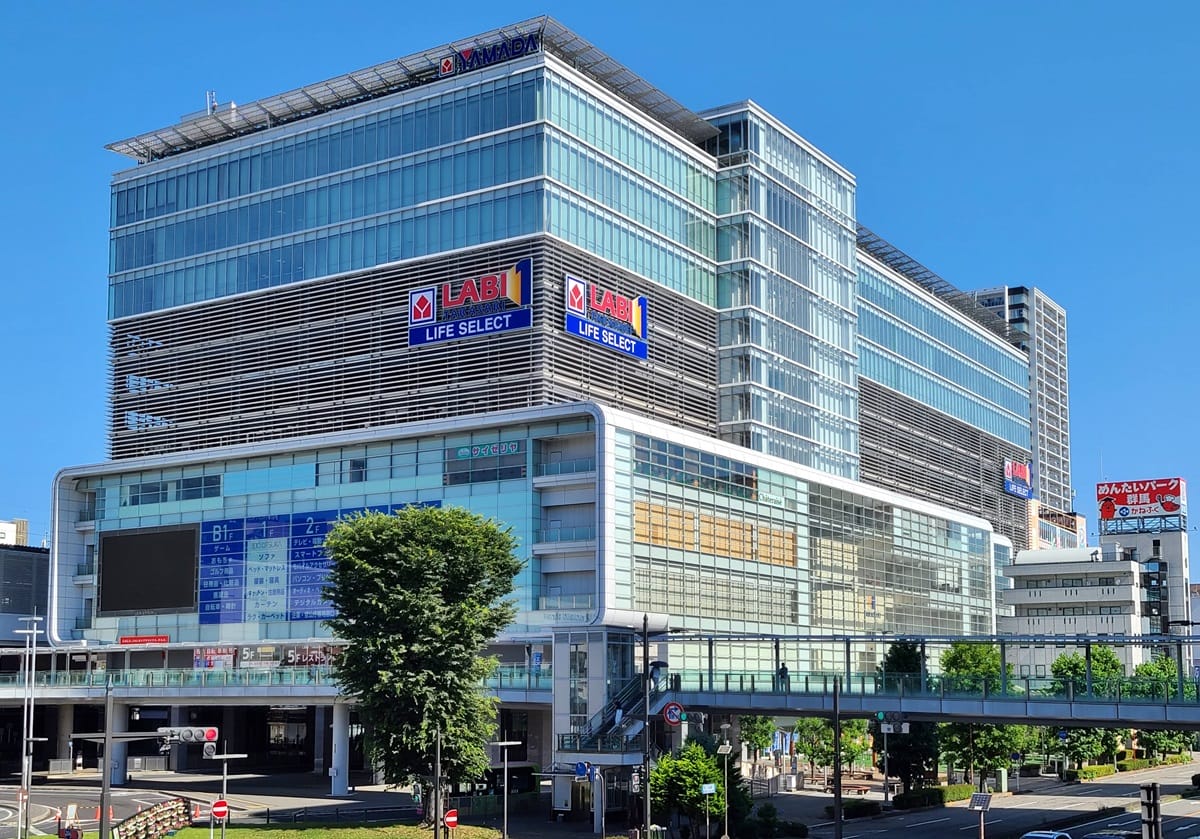
Running a consumer electronics superstore in Japan is one of the most grueling leadership assignments in global retail. At Yamada Holdings, the retail giant behind suburban Tecc Land outlets and downtown LABI department stores, store managers shoulder the weight of multimillion-dollar revenue targets while navigating shifting corporate strategies. As documented in a Reuters Report tracing the chain's retail diversification, Yamada has constantly pushed into unexpected categories, from housing renovations to floating electric vehicles developed with mobility startup FOMM.
Those ambitious corporate ventures land squarely on the store manager's desk. Store managers must hit strict product sales quotas while absorbing sudden supply-chain shocks. A stark example arrived in late October 2024, when key supplier Funai Electric declared bankruptcy with 46.9 billion yen in debt and laid off 2,000 workers overnight. Because Yamada held exclusive domestic distribution rights and offered 7-year warranties on Funai televisions, store directors faced an operational nightmare: calming panicked customers, managing warranty liabilities, and shifting stranded floor stock. For those aiming to climb the electronics retailer promotion track, high operational stress balances against an annual compensation package that outpaces standard Japanese retail industry compensation.
📌 Key Takeaways:
- Pay Reality: A typical Yamada Denki store manager earns between 6.5 million and 8.5 million JPY annually, with elite flagship directors clearing 10 million JPY through performance incentives.
- Operational Burden: Modern store directors must oversee traditional consumer electronics, smart home renovation packages, and complex supplier liabilities like the sudden 2024 Funai Electric collapse.
- Career Path: Moving from entry-level sales associate to store director takes seven to twelve years, requiring strong inventory metrics, labor compliance, and quota consistency.
The Realistic Pay Scale Behind the Yamada Denki Store Manager Role
The baseline earnings for a Yamada Denki store manager (called a tenchō) reflect standard executive management tiers within the broader Japanese retail sector. An entry-level store director heading a smaller suburban Tecc Land typically receives a base salary between 380,000 and 460,000 JPY per month. Once seasonal bonuses, housing stipends, and management allowances are calculated, total annual compensation averages 6.5 million to 7.8 million JPY.
Store directors overseeing high-volume suburban locations or regional hub outlets earn between 7.5 million and 9.2 million JPY. At the top of the pyramid sit the flagship LABI stores located outside major commuter hubs like Ikebukuro, Shinjuku, or Osaka. Managing a urban multi-story location with over 150 staff members brings total compensation between 9.5 million and 11.5 million JPY, depending heavily on store-level operating profit margins.
Bonuses form roughly 25% to 35% of this overall figure. Yamada pays semi-annual bonuses in summer and winter. These payments depend on a dual appraisal system: the financial performance of the specific branch against its corporate target, and the individual evaluation conducted by regional store management. If a store misses its quarterly gross margin by more than 15%, the discretionary bonus drops sharply, cutting total annual earnings by up to 1.5 million JPY in a single year.
Compensation Breakdown Across Yamada Holdings Store Tiers
Moving through the management ranks at Yamada Holdings shifts compensation from hourly overtime-dependent pay to performance-dependent salaried governance.
| Job Title / Store Tier | Average Annual Pay (JPY) | Base vs. Bonus Split | Primary Operational Focus |
|---|---|---|---|
| Floor Associate / Section Chief | 3.8M, 5.2M | 75% Base / 25% Bonus | Individual department sales, customer service, basic restocking. |
| Deputy Store Manager (Fuku-tenchō) | 5.4M, 6.6M | 70% Base / 30% Bonus | Staff scheduling, shift coverage, loss prevention, point-of-sale audits. |
| Suburban Tecc Land Store Manager | 6.5M, 8.2M | 65% Base / 35% Bonus | P&L ownership, local marketing, inventory control, regional reporting. |
| Flagship LABI Store Director | 8.8M, 11.5M | 60% Base / 40% Bonus | Enterprise revenue targets, manufacturer negotiations, high-density staffing. |
| Regional Block Director | 11.0M, 14.0M+ | 55% Base / 45% Bonus | Multi-unit governance (8, 15 stores), real estate expansion, executive strategy. |
Compared to Japan's nationwide average private-sector salary of roughly 4.6 million JPY, a Yamada store manager sits comfortably in the upper quartile of domestic earners. Yet the path requires stepping out of hourly protections into a system where store outcomes directly dictate pay.
Daily Realities of Tecc Land Operations and Inventory Strain
The daily schedule of a Tecc Land store manager rarely matches the calm of corporate headquarters in Gunma. A typical weekday starts at 8:30 AM, an hour and a half before doors open. The manager conducts an exhaustive floor walk, checking shelf displays, verifying daily sales targets with department leads, and reviewing inventory intake.
Inventory management responsibilities represent one of the position's heaviest operational burdens. Modern electronics stores operate on razor-thin margins. A manager must prevent overstock on aging television panels and personal computers, where value depreciates rapidly week over week.
Recent corporate events have intensified this operational balance. When partner supplier Funai Electric collapsed under sudden liquidation in late 2024, store managers had to deal directly with the fallout. Store managers were tasked with handling warranty processing for thousands of customers who purchased Funai televisions under Yamada's exclusive distribution program, while reconfiguring entire floor sections previously dedicated to the brand.
Beyond core electronics, managers now oversee Yamada's broader lifestyle retail segments. Floors must accommodate modular kitchen installations, smart-home plumbing displays, and electric vehicle charging zones. Balancing electrical appliance sales with large-scale home remodeling consultations demands constant retraining of floor staff, many of whom are part-time workers or manufacturer-dispatched sales representatives.

The Promotion Track from Sales Floor Associate to Store Director
Climbing to the position of store manager follows a structured, step-by-step career path inside Yamada Holdings. The corporate ladder weeds out candidates who rely solely on individual sales charisma without mastering administrative systems.
New graduates or lateral retail transfers spend their first three to four years on the floor as general sales associates. Success at this stage depends on achieving personal sales quota performance incentives across high-margin categories like air conditioners, major kitchen appliances, and mobile phone carrier contracts. Those who outshine peers earn promotion to Floor Chief or Section Manager, supervising a single category like consumer computing or white goods.
The proving ground for future directors is the Deputy Store Manager position (fuku-tenchō). A deputy takes over back-office operations:
- Building weekly and monthly staff rosters while staying within strict overtime limits.
- Auditing loss-prevention protocols and investigating product shrinkage.
- Handling escalated customer complaints that front-line workers cannot resolve.
- Coordinating directly with logistics hubs to resolve regional distribution delays.
Achieving a store manager assignment usually takes seven to twelve years. Candidates must clear rigorous internal qualification exams, complete compliance training on Japan's Labor Standards Act, and receive recommendations from their regional block director.
Performance Incentives, Sales Quotas, and Bonus Vulnerabilities
The core driver of compensation volatility at Yamada Denki is the quarterly performance matrix. While entry-level floor workers can earn modest commissions by closing warranty extensions and service subscriptions, store managers live and die by their aggregate store operating balance.
Yamada evaluates its stores across three main criteria:
- Total Gross Merchandise Value (GMV): Did the branch hit its absolute sales benchmark for the quarter?
- Gross Margin Percentage: Did the floor sell high-margin accessories, private-label goods, and extended warranty policies, or did staff discount premium models to inflate raw volume?
- Controllable Expense Ratios: Did the manager manage part-time utility hours, keep electricity consumption down, and limit transit losses?
When macroeconomic conditions falter, store directors feel the pinch first. High inflation and shifting exchange rates suppress consumer demand for discretionary electronics like 8K televisions and high-end gaming laptops. If a store hits only 80% of its seasonal target, the manager's bonus can shrink by 30% to 50%. This structure creates sharp pay disparities between managers posted to booming suburban centers and those assigned to aging, depopulated rural prefectures where foot traffic steadily declines.
Frequently Asked Questions (FAQ)
Q1: What is the starting salary for a newly appointed Yamada Denki store manager?
A1: A first-time store manager assigned to a smaller suburban Tecc Land branch generally starts with an annual base compensation of roughly 6.0 million to 6.5 million JPY, including baseline monthly executive stipends and standard performance bonuses.
Q2: How many hours per week does a typical store manager work?
A2: While corporate policies officially target a 40-hour workweek, actual working hours for store directors often range between 45 and 55 hours per week. Managing weekend peak traffic, stock deliveries, late-evening customer escalations, and seasonal inventory floor resets routinely adds overtime hours.
Q3: Can foreign nationals become store managers at Yamada Denki?
A3: Yes, although the vast majority of store managers are domestic hires. Foreign nationals must possess native-level Japanese fluency (JLPT N1), pass internal management qualification exams, and demonstrate thorough mastery of local consumer service etiquette and domestic labor compliance laws.
The Changing Value Proposition of Japanese Retail Management
Leading a big-box retail outlet in Japan is no longer just about moving domestic home appliances off metal shelves. E-commerce platforms like Amazon Japan and Yodobashi.com continue to apply pressure to traditional physical brick-and-mortar foot traffic. To survive, retail networks have transformed physical footprints into multi-purpose hubs featuring home renovations, environmental energy products, and automotive lifestyle services.
For a Yamada Denki store manager, that corporate shift expands both the risks and the compensation ceiling. Earning between 7 million and 9 million JPY puts these managers well above standard service-industry averages across Japan. But the compensation directly mirrors the exposure: navigating chaotic supplier failures like Funai, meeting heavy sales quotas, and managing massive physical retail floors amid severe regional labor shortages. Those who master the job earn financial stability and a proven path toward executive regional leadership. Those who struggle with inventory control and staff churn quickly find the financial rewards eclipsed by the demands of the retail floor.
