Poplar’s Meta-Novel Hits Shelves: How Mio Nukaga’s New Release Is Revolutionizing Teen Summer Reading
Every summer across Japan, millions of junior high students face an identical creative bottleneck: staring blankly at a four-hundred-character manuscript pad while their summer vacation homework deadline looms. The annual dread of mandatory book reports (dokushokansobun) has sparked decades of student anxiety and parental exhaustion, often turning potential lifelong readers away from literature entirely. As documented in a recent Yahoo!ニュース Report, the root cause rarely stems from a lack of reading interest, but rather from the total absence of clear writing instruction, leaving students stranded when asked to move beyond generic phrases like "it was interesting."
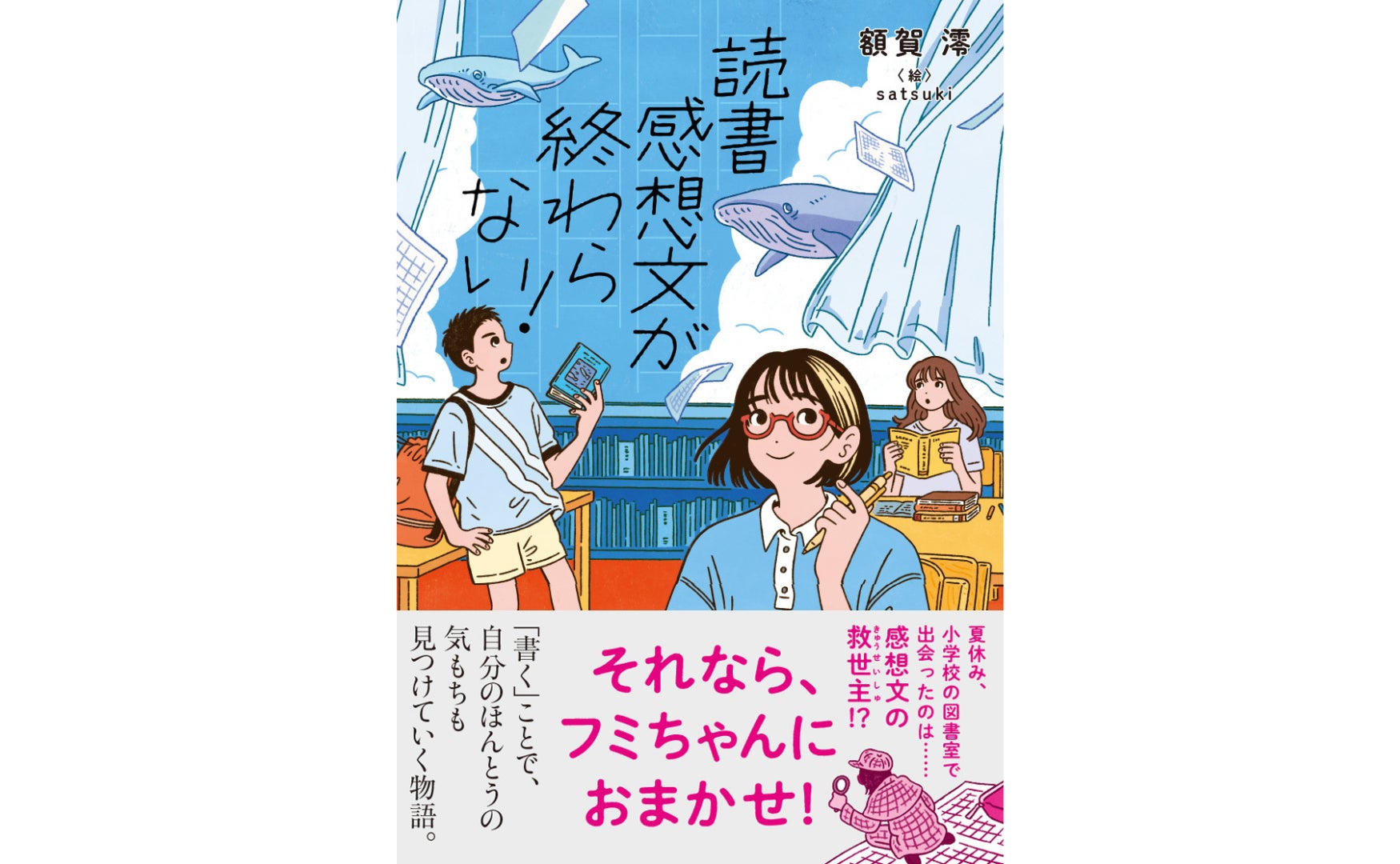
To resolve this annual crisis, Tokyo-based Poplar Publishing commissioned celebrated young adult fiction author Mio Nukaga to build a different kind of guide. Illustrated by satsuki, Nukaga’s Dokushokansobun ga Owaranai! (The Book Report Won't End!) operates as a meta-novel for students, teaching narrative analysis and drafting mechanics directly through an engaging mystery plot. Instead of lecturing students on academic discipline, the release rethinks how middle school book reports should be selected, analyzed, and written heading into the 2025, 2026 academic cycles.
📌 Key Takeaways:
- The Core Problem: Middle schoolers typically freeze during summer essay tasks because standard school curricula mandate reading reflections without teaching compositional scaffolding.
- The Meta-Novel Solution: Mio Nukaga and Poplar Publishing bypassed traditional instructional manuals by weaving essay structure for teens directly into a page-turning mystery narrative.
- The Curatorial Shift: Classroom educators and former teachers now advise reluctant teen readers to prioritize accessible formats, especially biographies and short young adult fiction recommendations, over intimidating literary heavyweights.
The Post-War Origins of Summer Reading Deadlines
Mandatory summer book reports did not originate as a tool for creative expression. Post-war Japanese educators initially launched organized book review competitions in the 1950s partly to promote literacy and steer youth away from what authorities then classified as harmful commercial publications. Over the ensuing decades, the exercise became a fixed piece of nationwide summer vacation homework.
Generations of students were expected to purchase designated contest books, read them during the July heat, and produce essays spanning several pages of genko yoshi (lined manuscript paper). Because classrooms rarely allocated curricular time to demonstrate how to structure literary analysis, students defaulted to mechanical summaries. The result was predictable: thousands of essays opened with a flat plot summary and ended with "I learned a lot." The exercise frequently alienated the very students it aimed to encourage.
Former public middle school educator Sugiyama, whose instructional YouTube breakdowns reach thousands of stressed parents and students each summer, points out that the conventional selection process sets students up for failure. When parents force classics or heavy sociological texts onto twelve-year-olds, reading becomes an endurance test rather than an intellectual dialogue.
How Mio Nukaga’s Meta-Novel Dismantles the Blank Page
Poplar Publishing took an unconventional editorial gamble by approaching Mio Nukaga. Known for critically acclaimed coming-of-age novels like Tatakau Kimi no Uta o Kike, Nukaga understands teenage psychology and dialogue. Instead of producing another dry book review writing guide, she constructed a fiction story centered on a protagonist trapped in a time loop, unable to escape summer vacation until his essay is finished.
The book functions as both entertainment and a structural blueprint. The fictional characters hit the same walls real students face: they summarize the entire plot, run out of things to say, or struggle to connect the author's world to their own lives. As the protagonist unravels the mystery, readers absorb practical reading response prompts without realizing they are receiving a craft seminar.
Nukaga breaks down the essay process into manageable emotional checkpoints. Readers learn to pinpoint the single scene that triggered a physical reaction, anger, confusion, excitement, or disagreement, and build their thesis outward from that specific beat. By treating the student's authentic reaction as the core authority, the novel removes the intimidation factor that paralyzes young writers.
Comparing Book Categories on the 2025, 2026 Reading List
Selecting the right title determines whether a middle schooler spends two hours or two weeks finishing an assignment. While official reading competitions still push heavy thematic titles, modern educators recommend tailoring the book choice to the reader's current literacy comfort level.
| Book Genre / Format | Target Student Profile | Core Writing Advantage | Potential Essay Risk |
|---|---|---|---|
| Meta-Fiction & Direct Guides(e.g., Nukaga’s Poplar Release) | Reluctant teen readers who dread structural writing | Provides an explicit drafting model within the storyline itself | Requires students to analyze the technique rather than just the plot |
| Biographies & Nonfiction(e.g., Historical Figures, Athletes) | Students who struggle with abstract or metaphorical fiction | Clear cause-and-effect life events make comparison with self easy | Can devolve into a chronological resume if not focused on one turning point |
| Contemporary YA Novels(Short School / Club Dramas) | Active readers seeking immediate emotional connection | Relatable social settings yield fast personal reflections | Over-reliance on common tropes can make essays sound derivative |
| Prize-Winning Translated Works(Global Children's Literature) | Advanced readers looking for philosophical depth | Rich historical contexts satisfy strict academic evaluation rubrics | Length and cultural distance create high completion dropouts |
Why Biographies Solve Writer's Block for Middle Schoolers
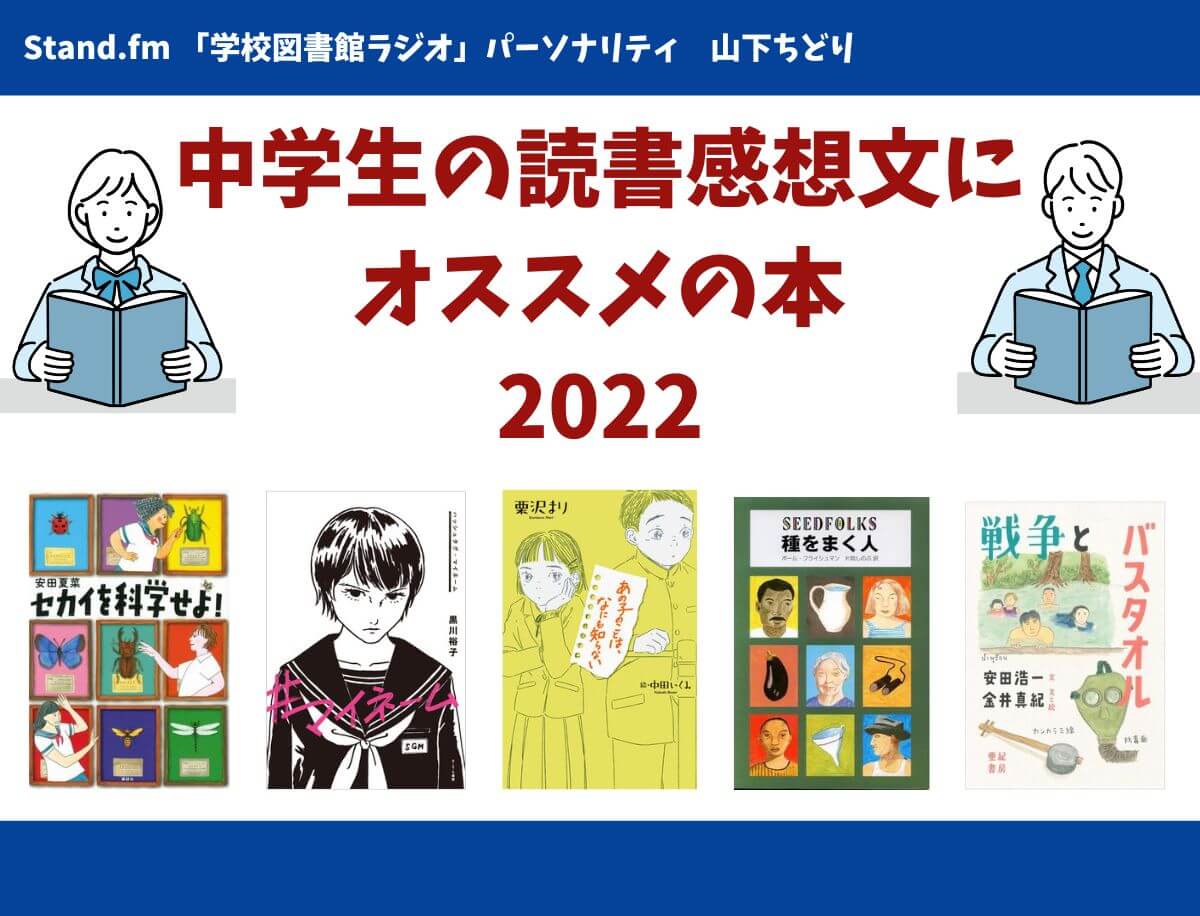
While fiction often leads students into the trap of endless scene synopsis, biographies for middle schoolers offer an immediate structural anchor. A biography tracks a real person confronting tangible, historical obstacles. That reality gives middle schoolers a straightforward comparative canvas.
When analyzing a biography of an athlete, scientist, or social reformer, the student does not have to invent interpretations of complex symbolism. Instead, the analytical framework becomes instantly personal: What would I have done when faced with that exact failure?
Educators reporting in Japanese educational outlets emphasize that biographies allow students to extract three clean structural beats:
- The subject’s primary obstacle or setback.
- The specific decision or philosophy used to navigate that setback.
- How the student's personal experience in club activities, academics, or friendships mirrors or differs from that choice.
This three-part structure naturally prevents the essay from slipping into a dry summary. It forces the writer to spend half the word count evaluating their own daily habits against the historical subject's choices.
A Practical Blueprint: Replacing Synopsis with Reflection
The most common error middle schoolers make is dedicating 70% of their essay to summarizing the book’s storyline. Teachers reading hundreds of submissions skim past plot synopses; they look for individual cognitive processing. Shifting this dynamic requires a dependable essay structure for teens that limits summary to an introductory hook.
A clean four-paragraph framework consistently produces high-scoring, expressive reviews:
The opening paragraph introduces the book title and the specific catalyst for choosing it. Instead of writing "I picked this because the cover looked nice," students identify a personal dilemma: "I joined the track team this spring and immediately lost confidence, which led me to this story of a runner battling injury."
The second paragraph focuses strictly on one scene, dialogue exchange, or biographical turning point. Students describe the event in three sentences or fewer, followed by the immediate emotion it provoked: shock, relief, frustration, or skepticism.
The third paragraph connects that scene directly to the student’s daily routine. This is where original information lives. An account of an argument with a teammate, a failed math exam, or a moment of hesitation in school life grounds the literary analysis in lived reality.
The final paragraph defines what shifts moving forward. The student explains how encountering the book alters their perspective or behavior in the classroom, on the field, or at home.
Frequently Asked Questions (FAQ)
Q1: What should middle schoolers avoid when choosing a book for a summer report?
A1: Avoid books chosen solely because they appear short or have large print. If the reader finds the premise boring, drafting three to five pages of reflection becomes nearly impossible. Avoid complex, multi-volume classics unless the student already reads heavily for pleasure.
Q2: How much of the book report should be a plot summary?
A2: No more than 20% to 30% of the total essay length. Teachers evaluate the student's personal perspective, not their ability to rewrite the jacket copy. Summaries should serve only to contextualize the writer's emotional or intellectual reactions.
Q3: Can a graphic novel or light novel be used for middle school book reports?
A3: School guidelines vary. Many public junior high schools explicitly prohibit manga or illustrated light novels. However, narrative fiction focused on teenage themes, such as the titles published under Poplar’s middle school line, meets school criteria while retaining accessible language.
Reclaiming Reading from Mechanical Homework
The ongoing debate over Japanese summer assignments reflects a wider transition in literacy education. When reading assignments operate purely as compliance checks, students view books as obstacles standing between them and the end of vacation. Projects like Mio Nukaga’s Dokushokansobun ga Owaranai! signal an overdue effort by commercial publishers and classroom teachers to demystify the writing process.
By replacing abstract expectations with concrete compositional tools, educators can help teens turn book reviews into exercises in self-discovery. A successful middle school book report does not need to sound like a scholarly journal article. It simply needs to capture an honest encounter between a young person and an author's ideas, articulated clearly on the page.