Cracking the Physics of Candy Claw Machines: Weight, Center of Gravity, and Claw Grip
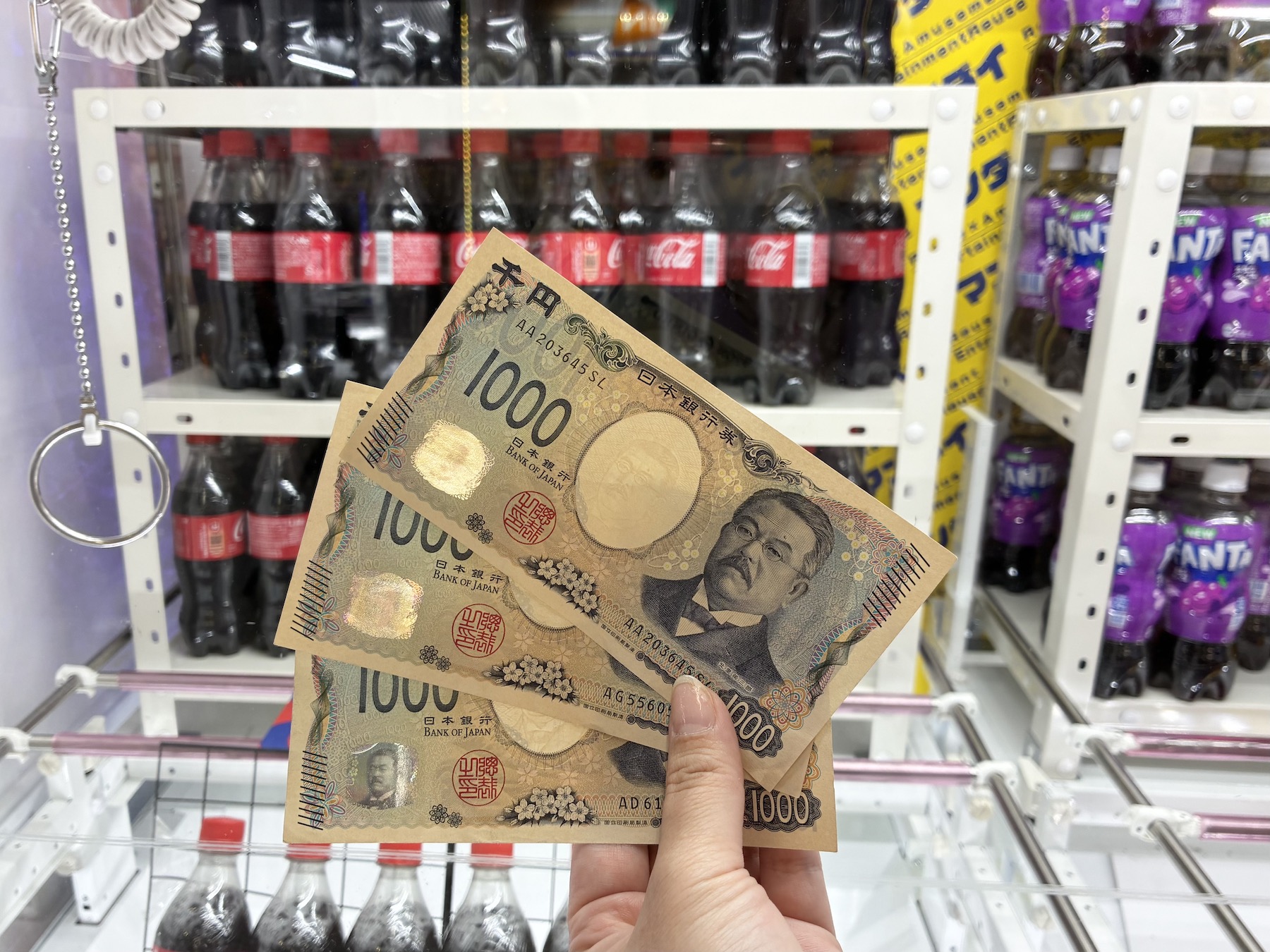
Arcade arcades across Tokyo, Osaka, and regional hubs are no longer dominated solely by anime figurines and oversized plushies. High-volume snack setups, bagged sweets towers, and boxed confectioneries have taken over major arcade floors. In a field verification conducted by northern Japanese outlet SASARU at Mandai Sapporo Teine, documented in the SASARU Report, a modest budget of ¥3,000 showed how radically prize variety has expanded from standard chocolate bars to giant confectionery storage bins and daily pantry staples.
This retail shift exposes a stark operational reality. Players assume that winning a family pack of chips or a presentation box of KitKats requires brute lifting force. In practice, snack crane cabinets operate on precise mechanical engineering, friction coefficients, and mechanical torque. Understanding these forces transforms a random coin drain into a calculated exercise in applied Newtonian mechanics.
📌 Key Takeaways:
- Physics Dictate Payouts: Snack crane success relies on lever arms, fulcrums, and packaging friction rather than hoisting items cleanly into the air.
- Grip Strength Realities: Mechanical claw voltage drops sharply after the initial lift cycle, requiring players to manipulate center of gravity rather than direct lift capacity.
- Cabinet Architecture Matters: Two-prong setups demand sliding and pivot techniques, while three-prong configurations reward systematic displacement toward the drop chute edge.
The Mechanical Reality of Modern Japanese UFO Catchers
Arcade operators do not leave profitability to chance. Modern crane cabinets use programmable logic controllers that govern solenoid voltage during specific phases of each play cycle. When you drop a ¥100 coin into a machine, the claw descends and grips with maximum coil current. The moment the carriage begins its vertical ascent, the voltage steps down according to preconfigured arcade payout sensor settings.
This operational design explains why a heavy bagged snack slips out of the prongs at the apex of its lift. The machine did not malfunction. The claw grip strength physics operated exactly as programmed. The initial clamp creates an illusion of security, but the transport phase strips away artificial tension.
Winning bagged sweets or boxed candy requires working with this system rather than fighting it. Operators set payout payout parameters based on target profit margins, but mechanical laws still govern the physical cabinet. If a player shifts an object's center of gravity across a bridge or tilts a box past its friction threshold, the machine must yield the prize regardless of coil voltage.
Deciphering Weight Distribution in Packaged Confectionery
Snack packaging presents physical challenges distinct from fabric plushies. Plush toys compress under prong pressure, increasing surface contact and grip friction. Boxed snacks, canned wafers, and foil-wrapped crisp bags do the exact opposite. Slick laminated cardboard and nitrogen-flushed plastic pillows produce exceptionally low friction against smooth metal or rubber-tipped claw prongs.
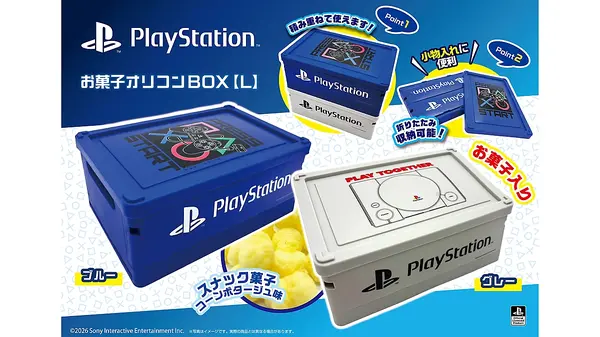
Identifying the center of gravity crane game dynamic is the foundational step before inserting a coin. In boxed goods, such as promotional chocolate cases or the collectible confectionery storage boxes introduced by Taito in partnerships with major gaming brands, internal items slide freely. If individual biscuit packs settle toward the lower right corner during transit, the external box appears level while the internal mass sits heavily off-center.
Lifting the heavy end fails immediately because the downward gravitational torque exceeds the claw's holding force. Targeting the lighter end, however, allows a player to walk the heavier side forward across support rails. Bagged items present the inverse challenge: air volume creates visual bulk, while the actual edible mass rests pooled at the bottom. Piercing the gap between the air pocket and the food mass using one claw prong yields vastly higher purchase than attempting an overhead straddle.
Two-Prong vs Three-Prong Claws: Mechanical Comparison
Different crane architectures dictate fundamentally different winning methodologies. The table below illustrates the mechanical profiles, force distributions, and optimal player approaches across the primary cabinet types found in contemporary arcades.
| Mechanism Type | Primary Force Vector | Typical Target Inventory | Optimal Technical Method |
|---|---|---|---|
| Two-Prong UFO (UFO Catcher 8/9/Triple) | Lateral shearing and rotational torque | Boxed biscuits, rigid display sets, canned goods | Bridge dropping, corner pivoting, edge pressing |
| Three-Prong Mini (Deco, Capriccio) | Tri-directional centering and vertical lift | Loose candy piles, snack bags, capsule sweets | Drop chute sliding, lip scooping, boundary sweeping |
| Single Hook / Ring Latches | Direct linear tension | Multipack snack bundles, hanging chip strips | Prong-to-aperture threading, micro-nudging |
| Bar Bridge / Parallel Rail Setups | Frictional displacement along rubber-coated tubes | Long confection boxes, family-size share packs | Diagonal rotation, tail lifting, direct down-pushing |
Proven Mechanical Methods for Bridge and Shelf Setups
The crane bridge drop method dominates modern Japanese prize floors. Two parallel metal or plastic tubes, often wrapped with high-friction silicone tubing, support a box across the opening above the collection bin. Amateurs consistently attempt to grab the center of the box to lift it clear of the bars. This approach fails because the silicone wrap creates higher frictional resistance than the claw’s upward pull.
Executing an effective boxed candy crane strategy requires treating the box as a lever. Move the claw carriage so that only one prong catches the box’s extreme outer edge. When the claw closes, that single contact point pulls one corner upward while the opposite corner digs into the rail as a pivot.
This motion rotates the box diagonally. Because a diagonal profile is narrower across its axis relative to parallel rails, repeating this pivot across two or three attempts forces the packaging to slip through the gap. If the box tilts into a steep diagonal wedge between the rails, switch tactics. Instead of pulling up, align the descending elbow of the claw directly over the elevated edge. The downward thrust of the motor overrides rail friction, forcing the prize through the gap via direct physical displacement.
Bypassing Grip Limits on Bulk and Bagged Treats
For loose confectioneries and pillow-pack chips, the push and sweep technique replaces precision lifting. In machines loaded with heaps of small chocolate bars or gummy pouches, attempting to pinch individual units represents an inefficient spend.
Look for prizes perched near the edge of the collection chute shield. The transparent acrylic wall protecting the chute acts as a backstop. Position the three-prong claw slightly behind an elevated pile near this boundary. As the claw assembly drops and opens, the outward expansion of the metal fingers pushes prizes forward. When the assembly ascends, any item snagged on the lip tumbles forward over the acrylic barrier by forward momentum alone.
The drop chute sliding technique applies this principle to single larger snack bags. Instead of lifting the bag from above, deliberately drop one claw tip to the far side of the bag while letting the other tip press against the top packaging fold. The asymmetrical closing action acts as a snowplow, skidding the item across the smooth slick floor toward the chute edge over consecutive credits.
Economic Calculus: When to Play and When to Walk Away
Rising consumer interest in winning everyday groceries and snacks, evidenced by mainstream reporting from outlets like FNN Prime Online detailing game centers packed with fresh produce, eggs, and food staples alongside sweets, has changed how players evaluate arcade spending. A family pack of confectionery might retail for ¥350 to ¥500 at a discount grocer. Spending six plays to win an identical box results in a net financial loss.
Strategic players audit cabinet setups before inserting the first coin:
First, inspect the rubber dampening sleeves on two-prong claws. If the rubber is fresh, clean, and positioned right at the tip, rotational friction is high. If the sleeves are missing or coated in white dust, the prongs will slide off cardboard without shifting the item.
Second, check the prize resting angle. A prize sitting completely horizontal across high-friction rails demands at least four to six credits to reposition. A prize that another player has already rotated past a 30-degree angle requires only one well-placed push to drop.
Third, observe the acrylic drop chute barrier height. If the operator installed a clear barrier exceeding three inches above the prize bed, push-and-sweep methods become physically impossible without massive claw voltage. Walk away from these configurations.
Frequently Asked Questions (FAQ)
Q1: Can you genuinely win snacks on claw machines for less than store retail price?
Yes, provided you target machines displaying partially moved items or low-resistance bridge setups. Skilled players routinely extract multipacks and boxed sweets in two plays (**¥200**) when exploiting rotational torque, beating convenience store price tags.
Q2: Why does the claw grip tightly at the bottom but loosen immediately at the top?
Cabinet firmware controls current sent to the electro-mechanical solenoid. High voltage clamps the prize initially, but standard software lowers the holding current mid-ascent. Winning requires dragging, sliding, or rotating items rather than relying on overhead carrying capacity.
Q3: Which claw configuration offers the highest probability of winning edible prizes?
Two-prong UFO catcher setups offer the most predictable outcomes because physics and leverage determine movement, whereas three-prong machines rely heavily on programmed payout cycles to deliver sufficient grip strength.
Field Strategy Adjustments for 2026 Arcades
The arcade landscape continues shifting toward practical consumables, high-grade confectionery, and specialty snack sets. Mastering these games requires abandoning the instinct to grab and lift. Treating prizes as geometric bodies subject to friction, torque, and gravity changes your odds entirely. Look for machines with worn rail sleeves, calculate the center of mass before committing coins, and apply asymmetric pressure to make physical mechanics work in your favor.