Fact-Checking Campus Etiquette: What 'Neat Attire' Truly Means for Incoming Freshmen

Admissions letters often arrive with a subtle catch: an invitation to university pre-enrollment schooling coupled with vague wardrobe instructions. For incoming freshmen, lines like "dress neatly" or "casual clothes are acceptable" trigger immediate anxiety. Arriving in a full black business suit looks overly rigid next to prospective peers, yet showing up in relaxed streetwear risks leaving an unprofessional impression on department heads and future faculty advisors.
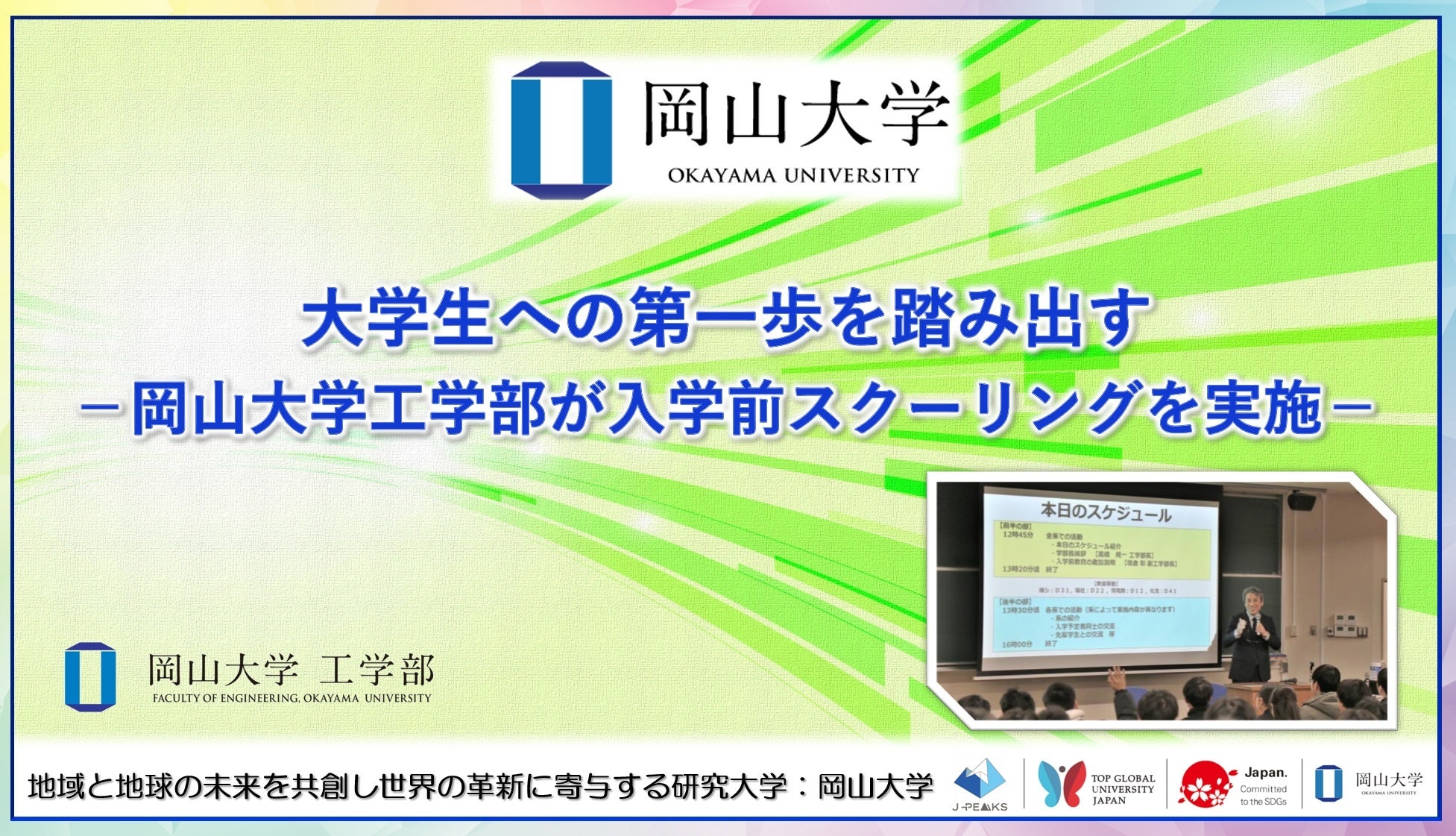
The stakes are tangible during late-winter bridge sessions. According to an official PR TIMES Report, Okayama University’s Faculty of Engineering held its pre-enrollment schooling on January 28, 2026, welcoming 168 admitted students, representing a 97.6% attendance rate, following a similar cohort of 174 students on January 29, 2025. With faculty presentations, lab overviews, and peer networking happening simultaneously, choosing the right attire bridges high school life and higher education without drawing unwanted scrutiny.
📌 Key Takeaways:
- The Real Directive: "Casual attire" (*shifuku*) means polished smart casual, not weekend loungewear, gym wear, or distressed clothing.
- The High School Question: While high school uniforms remain technically permissible in January and February, over 80% of attendees at university pre-enrollment schooling now opt for civilian neat attire.
- Functional Requirements: Science, engineering, and medical track visits involve facility walkthroughs that strictly mandate closed-toe footwear and durable fabrics.
The Ambiguity of Pre-Matriculation Dress Directives
Campus orientation notices rarely spell out precise garment specifications. Japanese universities routinely publish guidance asking candidates to arrive in "clean, unobtrusive clothing" (*seiketsuna fukusō*), leaving teenagers to decipher whether denim, knitwear, or business suits fit the brief. The ambiguity stems from institutional culture. Universities want incoming cohorts to feel welcome while subtly assessing their readiness for adult public spaces.
Admissions offices use pre-matriculation sessions to evaluate cohort dynamics. Academic staff view these gatherings as preliminary lectures rather than casual mixers. Wearing stained sneakers or oversized graphic hoodies signals indifference toward the department. Conversely, donning a stiff job-hunting suit (*recruit suit*) creates unnecessary social distance between you and your prospective classmates. Navigating this middle ground requires understanding how faculty and peers read subtle dress cues.
High School Uniform vs. Plain Clothes: The February Dilemma
Recommended admissions cohorts (*suisen*) and early decision applicants usually receive their schooling invitations between January and March. Because attendees remain registered secondary school pupils until graduation ceremonies in March, students frequently ask whether their standard high school uniform remains the safest fallback.
Uniforms carry zero penalty. Admissions deans consistently emphasize that no student loses standing by wearing their registered secondary school blazer. However, social friction often emerges in the lecture hall. Field observations from campus orientations reveal that roughly 75% to 85% of attendees wear plain clothes when the university letter mentions *shifuku*. Students in uniform often report feeling visibly young or self-conscious around peers already styling themselves as independent undergraduates. If your university notice expressly states "come in plain clothes," take the instruction literally and assemble a clean civilian outfit.
Decoding Smart Casual for Campus Visits and Lab Tours
Smart casual on an academic campus differs sharply from corporate office standards. It balances approachability with structured modesty. For tops, fine-gauge knit sweaters, oxford button-down shirts, modest blouses, and solid polo shirts work reliably. Muted tones dominate: navy, off-white, beige, charcoal, and olive green keep visual noise to a minimum.
Bottoms demand equal restraint. Tailored chinos, clean-hemmed wool-blend trousers, and dark-wash straight-leg jeans without fraying provide an ideal baseline. Long pleated skirts or tailored culottes work well, provided they permit rapid walking across expansive campus grounds. Short skirts, track pants, and shredded denim violate standard freshman dress code guidelines. Dressing well shows baseline respect for the professors leading your sessions.
Campus Orientation Wardrobe Benchmarks Across Event Types
Different academic tracks and itinerary structures alter your clothing requirements. Sitting through a four-hour introductory syllabus lecture requires breathable thermal layers, while entering experimental research spaces introduces strict safety protocols.
| Session Type | Expected Attire Standard | Mandatory Footwear & Safety Rules | High-Risk Pitfalls to Avoid |
|---|---|---|---|
| Humanities & Social Sciences Orientation | Polished smart casual: tailored chinos, dark slacks, collared shirts, crewneck sweaters. | Clean minimalist leather shoes, loafers, or monochrome low-top sneakers. | Oversized athletic wear, loud logo tees, noisy accessories. |
| STEM, Engineering & Lab Introductions | Durable, functional separates: natural-fiber shirts, full-length pants, modest outerwear. | Closed-toe leather shoes or solid athletic footwear; strictly no sandals or open mesh. | Synthetics susceptible to heat, exposed ankles, wide flowing sleeves. |
| Large Lecture Hall Administrative Days | Layered neat casual: cardigans, casual blazers, trench coats, or clean wool coats. | Comfortable walking shoes adapted for long stair climbs and cross-campus transitions. | Uncomfortable rigid heels, heavy outdoor boots that squeak on linoleum. |
| Peer Networking & Group Work Seminars | Approachable semi-casual: solid knits, neat dark denim, casual button-downs. | Neutral leather or canvas sneakers in pristine condition. | Formal black recruit suits (creates excessive distance among peers). |
Footwear, Outerwear, and Practical Campus Navigation
Campus geography catches incoming students off guard. Walking from a university gate to an engineering laboratory can take fifteen minutes across stone pathways, steep outdoor stairs, and rain-slicked asphalt. Footwear choices dictate your physical comfort throughout the day.
Skip untried dress shoes that generate blisters within thirty minutes. Select supportive leather walking shoes, clean lifestyle sneakers in white or black, or low, stable boots. Leave running shoes with day-glo patterns and worn athletic soles at home. Footwear should blend into the background rather than draw attention.
Outerwear requires careful handling once inside historic lecture halls. Winter orientations take place in January and February, when outdoor temperatures drop near freezing while drafty indoor facilities run radiators unevenly. Wear an outerwear piece, such as a tailored wool coat, clean down jacket, or trench coat, that slips off quickly. Bring layers you can remove smoothly without causing a disruption during guest presentations.
Essential Wardrobe Checklist for Admitted Student Sessions
Preparing the night before prevents rushed, poor decisions on the morning of your event. Focus on practicality alongside visual presentation:
Select a structured bag capable of holding flat A4 documents without folding them. Department staff distribute course outlines, registration paperwork, and campus maps. Carrying a tiny shoulder purse or stuffing sheets into your coat pockets appears disorganized.
Check all garments under direct indoor lighting. Dark knits frequently gather pet hair, lint, and dandruff that stay invisible under dim bedroom bulbs. Run a lint roller over coats and sweaters. Ensure your collars stay pressed, shoes remain clear of dried mud, and accessories remain minimal. Simple analog watches, unobtrusive pens, and clean notebooks complete the presentation.
Frequently Asked Questions (FAQ)
Q1: Is it acceptable to wear a black recruit suit if I have nothing else?
A1: You will not be barred from entry, but you will stand out. Freshmen orientations prioritize low-friction networking and classroom prep over formal job interviews. If you only own a suit, pair the suit trousers with a clean sweater or wear a casual collared shirt without the formal necktie to soften the silhouette.
Q2: Can I wear dark denim jeans to an engineering pre-enrollment session?
A2: Yes, provided they are clean, solid-colored (dark indigo or black), and free of rips, whiskering, or frayed cuffs. Pair them with a pressed button-down shirt or structured knitwear to keep the overall look inside smart-casual boundaries.
Q3: What bag should I carry if I don't own a briefcase?
A3: A plain, solid backpack or structured canvas/leather tote bag works well. Ensure it comfortably holds an A4 folder, a 13-inch laptop or tablet if requested, and a water bottle without bulging or tipping over when placed on the floor beside your seat.
Navigating the Transition to Higher Education Wardrobe Standards
Pre-enrollment schooling marks the end of regulated secondary school dress codes and the beginning of personal sartorial autonomy. Faculty members do not issue demerit points for minor styling missteps, but they remember the students who arrive engaged, prepared, and suitably dressed for the work ahead.
Opt for simplicity over bold statements. Treat the schooling day as an initial consultation with your future field. When your clothes are comfortable, clean, and understated, you stop worrying about how you look and focus entirely on connecting with the peers who will share your next four years.

