From Rice Topping to Morning Bento Staple: The Evolution of Ochazuke Cooking
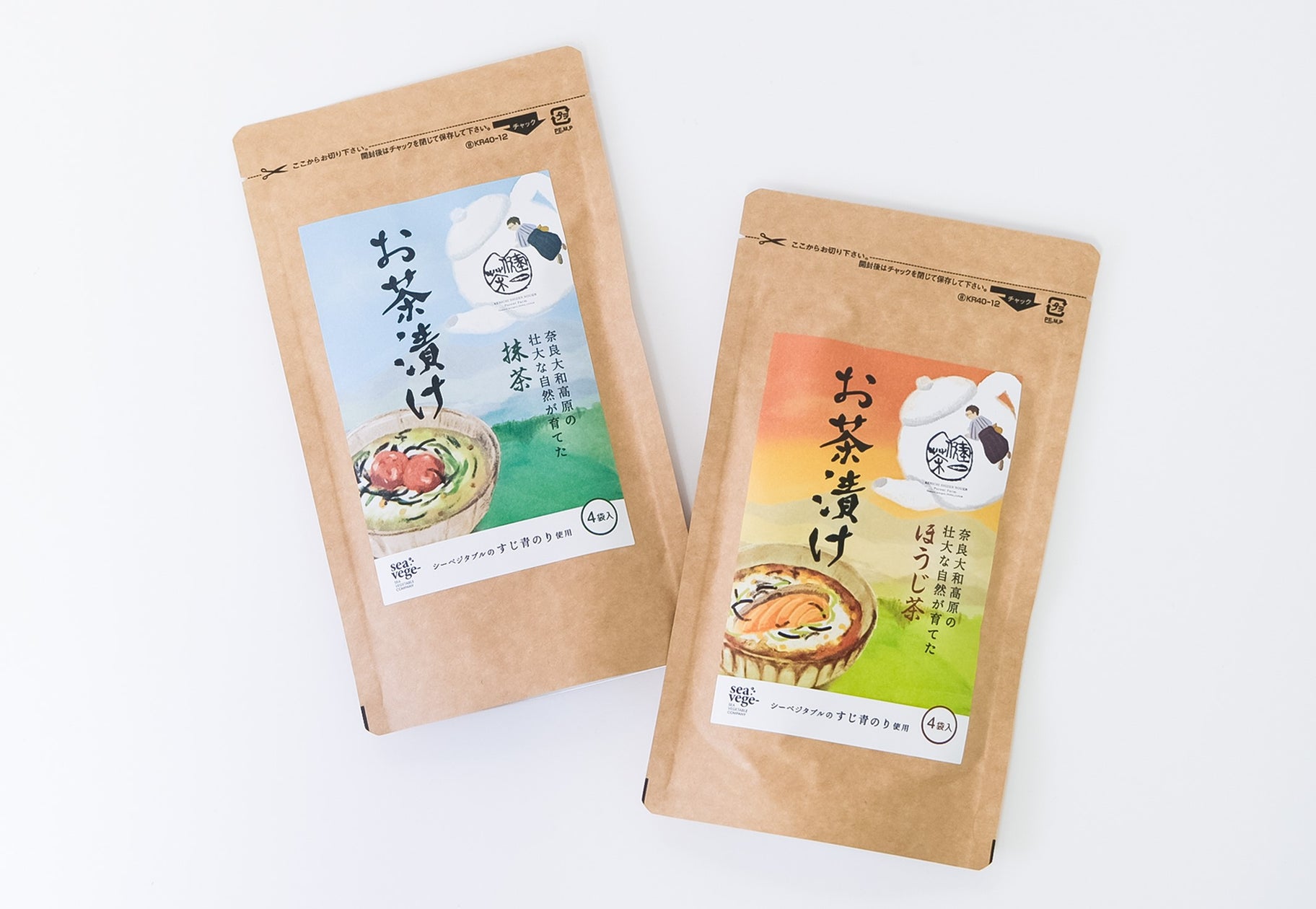
Tearing open a packet of Nagatanien ochazuke over a bowl of leftover rice has anchored Japanese late-night comfort eating since 1952. By early 2026, however, the green-and-yellow foil sachet found a completely different home: sizzling inside cast-iron rectangular tamagoyaki pans across Tokyo kitchens. Home cooks preparing early morning bento boxes have abandoned the labor of simmering dashi broth from scratch, instead dumping dry ochazuke seasoning straight into whisked eggs. The trend caught commercial attention when artisan brands reimagined the staple, highlighted by a PR TIMES Report documenting how Ryohin Keikaku (Muji) teamed with Sea Vegetable LLC and Nara tea growers to elevate instant chazuke blends with land-cultivated suji aonori. What began as a desperate breakfast shortcut has matured into a mainstream culinary technique.
The chemistry makes immediate sense. Traditional dashi-maki tamagoyaki demands precise hydration. Add too much liquid kelp and bonito stock, and the delicate omelet splits, tears, or weeps liquid into lunch containers by noon. Instant ochazuke packets bypass that structural failure entirely. Packed with dehydrated kombu extract, powdered green tea, freeze-dried salt, shredded nori, and tiny toasted rice crackers called arare, the sachet seasons eggs without adding a single milliliter of unwanted moisture.
📌 Key Takeaways:
- The Pantry Pivot: Instant ochazuke packets have evolved from late-night rice toppers into a preferred dashi substitute for weekday morning omelets.
- Structural Advantage: Powdered seasonings eliminate excess moisture, preventing Japanese rolled omelets from breaking in the pan or weeping liquid inside bento boxes.
- Textural Profile: Crisp arare (toasted rice pellets) soften into chewy, savory pockets inside the egg layers, creating a distinct mouthfeel standard dashi cannot replicate.
The Shift From Midnight Starch to Morning Skillet
For seven decades, ochazuke seasoning existed for one purpose: salvaging cold rice. When hot water or green tea hit the bowl, the dehydrated salt, monosodium glutamate, and sea greens dissolved into an instant broth. It was utilitarian sustenance for shift workers, tired salarymen, and cramming students.
Social media kitchens disrupted that dynamic. Viral morning routines on Japanese cooking feeds during 2024 and 2025 demonstrated parents seasoning breakfast eggs with whatever packets remained in the pantry. Standard tamagoyaki requires a calculated balance of dashi, soy sauce, sugar, and mirin. In rushed morning schedules where parents assemble multi-component bento boxes before 7:00 AM, measuring four liquid condiments into three beaten eggs invites errors.
Using an ochazuke seasoning packet collapses the entire seasoning step into a single gesture. A single envelope holds roughly 5 to 6 grams of concentrated flavor, calibrated precisely for two to three large eggs. The salt tightens the egg proteins during whisking, while the powdered kombu and bonito supply immediate depth. By 2026, food media across Japan had canonized the shortcut, testing variations from spicy cod roe (tarako) chazuke to smoked salmon blends.
Inside the Seasoning Packet: Why Dry Dashi Fixes Tamagoyaki
Every home cook who has tackled a classic Japanese rolled omelet understands the moisture paradox. Traditional dashi-maki tamagoyaki requires roughly 60 to 80 milliliters of dashi broth per three eggs to achieve that melt-in-the-mouth, juicy texture prized at high-end ryokan breakfasts. Yet liquid broth weakens the protein matrix. Without expert wrist flicking and precise pan temperature, high-moisture eggs tear across the rolled seams, sticking aggressively to unseasoned metal.
Powdered seasoning solves this structural vulnerability. Because the salt and glutamates disperse directly into raw albumen without liquid volume, the egg curds remain dense and resilient during each fold.
There is also the phenomenon of arare, the tiny, toasted mochi rice spheres mixed into ochazuke packets to provide crunch over rice. When suspended in whisked eggs and poured over heat, these rice crackers absorb trapped steam inside the rolling layers. Instead of remaining brittle or turning into mush, they swell slightly, creating tiny, pillowy mochi pearls flecked throughout the golden interior. The nori strips, meanwhile, soften into dark, savory ribbons that marble each cross-section cleanly when sliced for a lunchbox.
A Decades-Long Evolution of Japan’s Most Enduring Instant Mix
The trajectory of instant ochazuke reflects broader shifts in Japanese home cooking: moving away from multi-pot preparation toward dense, single-step seasoning agents.
| Culinary Era | Primary Role | Dominant Consumer Driver | Preparation Style |
|---|---|---|---|
| Postwar Era (1952, 1980s) | Starch Salvage & Late-Night Fuel | Stretching leftover cold rice with boiling water | Single-bowl pouring over rice; strict midnight comfort food |
| Convenience Era (1990s, 2010s) | Quick Hangover & Illness Relief | Digestive ease; light sustenance for sour stomachs | Poured with brewed sencha, barley tea, or dashi broth |
| Modern Era (2020, 2026) | All-Purpose Umami Seasoning & Bento Hack | Speed, moisture control, and multi-textural lunch dishes | Directly whisked into eggs, pasta sauces, stir-fried vegetables |
This evolution matches consumer demand for multi-use pantry goods. Modern households increasingly resist purchasing specialized seasonings that sit unused on kitchen shelves. A packet that doubles as a midnight starch topper, an omelet cure, and a seasoned salt for roasted cabbage delivers obvious utility.
Culinary Mechanics: Solving Liquid Bleed and Crisp Arare Balance
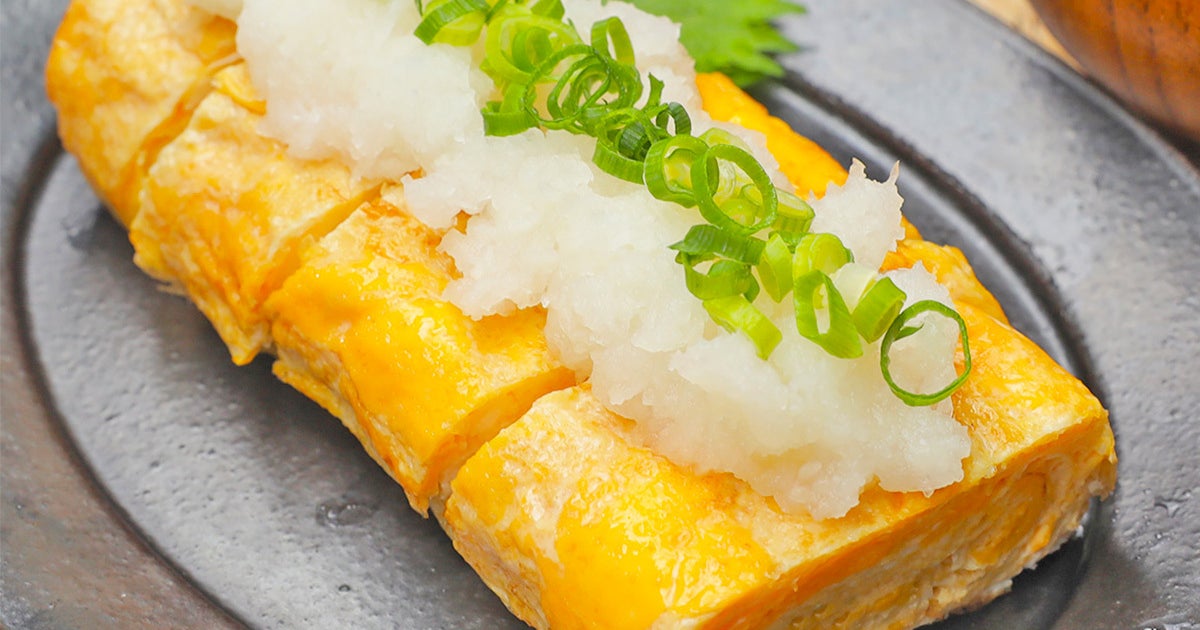
Executing an ochazuke tamagoyaki requires a minor adjustment in pan technique. Because the seasoning contains granulated salt and powdered green tea rather than dissolved liquids, whisking requires deliberate agitation.
Crack three large eggs into a bowl. Empty half to three-quarters of a standard 6-gram ochazuke packet across the raw mixture. Using chopsticks, whisk with cutting motions to break the chalaza and dissolve the salt crystals throughout the yolk-white emulsion. Emptying the entire packet into fewer than three eggs often makes the dish overly salty, as instant blends are formulated to season an entire bowl of rice and 150 milliliters of water.
Pour a thin layer into a lightly oiled, heated tamagoyaki pan over medium-low flame. The arare will distribute across the bottom. Roll the setting egg toward the handle as the edges set. Slide the cylinder back, wipe the bare surface with an oiled paper towel, and pour the second layer, lifting the first roll to let the raw mixture run underneath.
The heat transforms the green tea powder into an earthy, herbal aromatic backbeat, cutting through the richness of the yolk fat. Simultaneously, the kombu amino acids bind with the natural glutamates in the egg, producing deep savory notes without the sweet stickiness of mirin-heavy variations.
Bento Culture and the Morning Efficiency Metric
The rise of the ochazuke omelet reflects broader shifts in Japanese domestic labor. Morning bento assembly remains one of the most time-sensitive daily rituals in Japanese family life. Food safety standards for room-temperature bento boxes require items to be cooked through, cooled quickly, and completely free of leaking moisture that could promote bacterial growth during transit.
Liquid-rich dashi omelets bleed. When packed beside dry onigiri or crisp cutlets, damp eggs ruin neighboring textures and soften the nori wrapping. Ochazuke tamagoyaki holds its shape indefinitely. The structural density created by dry seasoning keeps the slices firm, clean-edged, and visually striking, with dark flecks of nori and toasted rice suspended throughout each yellow swirl.
This practicality explains why alternative seasoning shortcuts, such as stirring a dab of oyster sauce into beaten eggs to mimic dashi without excess moisture, have trended alongside packet chazuke across morning cooking communities. When speed and structural stability dictate the morning routine, packets that guarantee foolproof seasoning without wet spills win every time.
Frequently Asked Questions (FAQ)
Q1: Does the whole ochazuke packet go into a standard three-egg batch?
Using an entire packet can overpower the dish. Standard ochazuke packets (approximately 6 grams) are seasoned to flavor a full bowl of rice plus boiling water. For three standard large eggs, use roughly one-half to two-thirds of the packet. If making a two-egg omelet, use half a packet to prevent excessive sodium.
Q2: Do the hard rice crackers (arare) become uncomfortably soggy or stay too crunchy?
They soften into a pleasant, chewy consistency. As the raw egg curds cook and trap rising steam between the folded layers, the arare absorb just enough internal moisture to become tender while retaining a gentle springiness, resembling tiny mochi pearls.
Q3: Can this method work with specialized flavors like salmon or umeboshi ochazuke?
Yes. Salmon (sake) ochazuke adds smoky pink flakes that pair well with eggs, while pickled plum (umeboshi) chazuke introduces a sharp, bright acidity that balances fatty egg yolks. Adjust or omit extra salt when experimenting with pre-flavored varieties.
The Next Wave of Pantry-Led Home Cooking
The transformation of ochazuke seasoning highlights an ongoing quiet revolution across home kitchens: breaking historic pantry items out of their rigid, single-use silos. What food companies originally designed as an emergency meal for leftover starch has shed its narrow branding. By treating instant chazuke as a shelf-stable seasoning blend of sea greens, green tea, toasted rice, and umami extracts, cooks have unlocked a reliable kitchen shortcut. As everyday home cooking prioritizes speed without compromising savory depth, expect humble pantry sachets to continue migrating from the midnight rice bowl to the breakfast skillet.


