From Rubble to Red Lights: The Definitive Timeline of Kabukicho Ichiban-gai
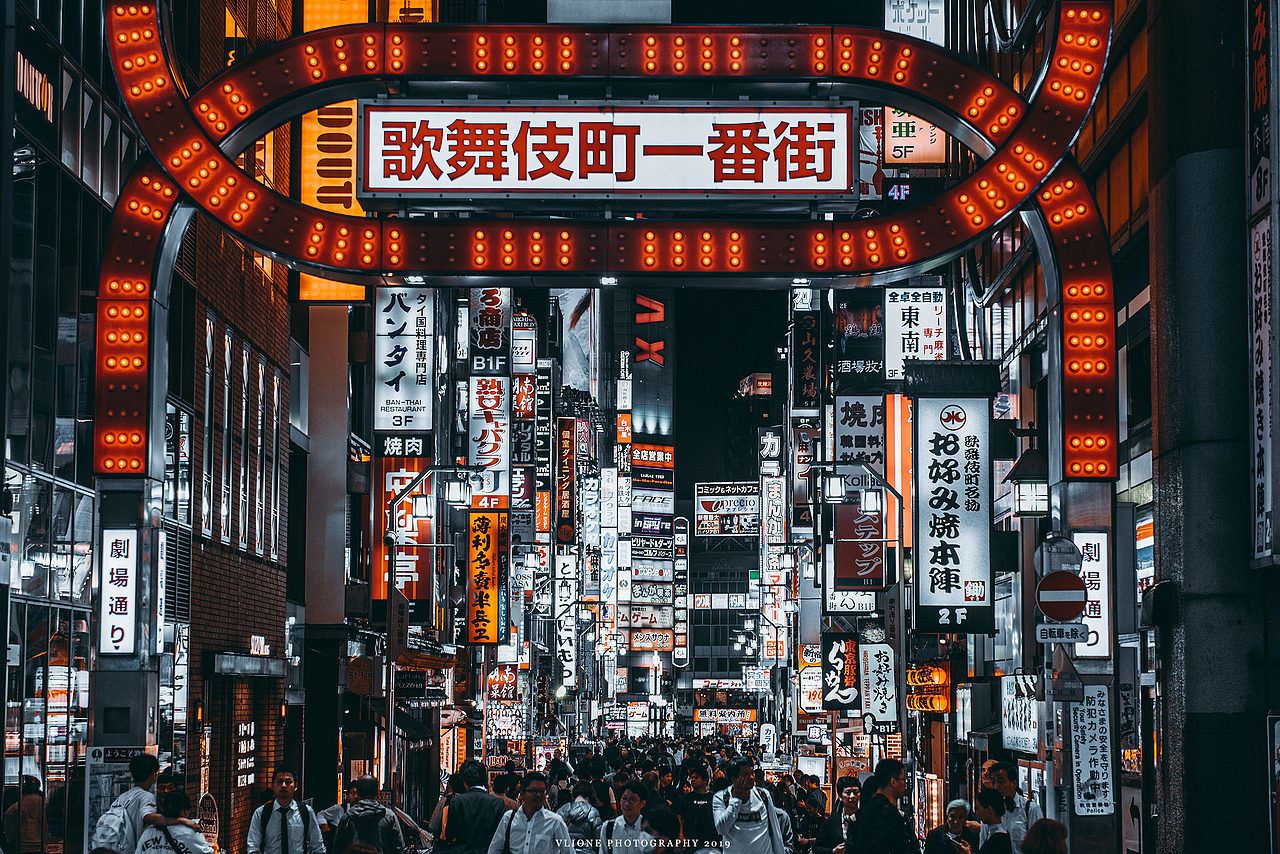
Every night in Tokyo, tens of thousands of pedestrians filter past the iconic crimson neon arch marking the entrance to Kabukicho Ichiban-gai. The street hums with an electric, sensory-heavy rhythm: the roar of late-night izakaya chatter, glowing digital billboards, the mechanical rattle of pachinko parlors, and sharp-dressed touts lingering near narrow stairwells. Yet behind this dense corridor of adult nightlife sits an enduring urban paradox. As investigative journalist Jake Adelstein reported in his January 2026 analysis for the Tokyo Paladin with Jake Adelstein Report, the district owes its global identity to a flagship cultural project that never materialized.
Following the catastrophic air raids of May 1945, Shinjuku sat in smoking ruins. Planners envisioned a pristine cultural haven anchored by a grand Kabuki theater to replace the black markets around the train station. That theater collapsed under post-war capital shortages, but the branding survived. Over the following eight decades, Ichiban-gai mutated into one of the world's most concentrated entertainment and red-light ecosystems, navigating organized crime wars, aggressive municipal crackdowns, and a seismic shift toward global tourism.
📌 Key Takeaways:
- The Phantom Theater: Kabukicho was named in 1948 after a proposed national Kabuki theater project that was cancelled due to sudden post-war financing shortages.
- The Commercial Pivot: Deprived of high culture, local business consortiums filled the zone with dance halls, movie palaces, and cabaret lounges, laying the groundwork for Tokyo's modern host and hostess economy.
- The Modern Tourist Reality: While public safety has improved following decades of police crackdowns, Ichiban-gai remains governed by strict anti-tout ordinances, street-drinking bans, and warnings against predatory overcharging scams.
The Postwar Rubble and the Kabuki Theater That Never Was
On May 25, 1945, American incendiary bombing destroyed roughly 80% of the Tsunohazu district in eastern Shinjuku. Where thriving merchant streets once stood, only charred concrete frames and ash fields remained. In the immediate wake of the surrender, unauthorized open-air black markets sprang up along the tracks of Shinjuku Station. Controlled by rival street syndicates and organized gangs, these markets provided basic necessities alongside bootleg liquor, contraband tobacco, and unregulated gambling.
Local community leader Kihei Suzuki and Tokyo urban planner Hideaki Ishikawa sought to reclaim the scorched terrain. In 1948, they unveiled an ambitious reconstruction blueprint. They proposed converting the swampy lowlands north of the rail lines into a family-friendly cultural sanctuary. The centerpiece was a sprawling 1,200-seat Kabuki theater, accompanied by an opera house, a cinema complex, and manicured public gardens. To cement this high-minded identity, officials officially renamed the neighborhood "Kabukicho" in April 1948.
The vision collapsed almost immediately. Post-war inflation, stringent resource controls under the Allied Occupation, and a nationwide banking credit squeeze in 1949 made securing private capital impossible. The investors pulled out. The grand Kabuki theater was shelved permanently. Tsunohazu had adopted the name of an art form it would never host, leaving an empty grid of newly surveyed plots waiting for commercial tenants with immediate cash flow.
How Ichiban-gai Traded High Culture for the Night Economy
Capital did not wait for high art. Entrepreneurs with capital from black-market ventures realized that Shinjuku’s commuter railway connections made it the ultimate crossroads for Tokyo’s rapidly expanding workforce. During the 1950s, developers pivoted from classical performance spaces to populist entertainment. Cinemas, dance halls, and bowling alleys filled the initial vacancies, anchored by the opening of the Shinjuku Koma Theater in 1956.
The narrow alley running along the western spine of the development became known as Kabukicho Ichiban-gai (Kabukicho First Street). By the late 1950s, the street had shed all pretenses of high-culture refinement. Post-war cabarets arrived first, offering Western-style music, hostesses, and high-margin drinks to company executives flush with money from the post-Korean War economic boom. Mahjong parlors, all-night noodle counters, and underground bars packed the multi-tenant "pencil buildings" constructed on tiny parcels of land.
In 1969, merchants erected the first iteration of the famous red-and-white Kabukicho Ichiban-gai neon arch at the street’s southern threshold. It served as a functional billboard and an architectural border. Crossing beneath the illuminated arch signaled a departure from the rule-bound corporate environment of corporate Tokyo into a labyrinth where standard social codes operated on different terms.
Eight Decades of Urban Transformation in Shinjuku
The structural evolution of Kabukicho Ichiban-gai reflects the broader shifts in Japanese municipal governance, economic bubbles, and crime regulation across the post-war era.
| Era | Dominant Commercial Character | Key Structural Developments |
|---|---|---|
| 1945, 1949 | Black markets, post-war reconstruction zones | Zoning plans drawn; Kabuki theater project proposed and abandoned. |
| 1950, 1969 | Cabarets, movie palaces, mahjong clubs | Opening of Koma Theater (1956); first Ichiban-gai neon arch installed (1969). |
| 1970, 1989 | Hostess lounges, pachinko parlors, disco clubs | Bubble-era land speculation; entrenched influence of organized crime syndicates. |
| 1990, 2003 | Underground adult trade, foreign syndicates, host clubs | Deadly 2001 Myojo 56 building fire kills 44; exposes widespread fire-code violations. |
| 2004, 2019 | Corporate entertainment, themed dining, boutique hotels | Operation Clean Up sweeps streets; Hotel Gracery & Godzilla head open (2015). |
| 2020, 2026 | High-rise leisure hubs, inbound tourism, digital signage | Tokyu Kabukicho Tower opens; host club debts trigger strict municipal crackdowns. |
Yakuza Influence, the 2001 Fire, and the Police Cleanups
By the peak of the asset-inflated Japanese bubble in the late 1980s, Kabukicho was generating billions of yen in untaxed nightlife revenue. Major yakuza groups, most notably factions affiliated with the Sumiyoshi-kai and Yamaguchi-gumi, ran protection rackets, illegal gambling joints, and controlled real estate across Ichiban-gai. The district acquired an international reputation as an illicit free-for-all, documented extensively by crime reporters throughout the late 1990s.
The turning point arrived with catastrophic force on September 1, 2001. An explosion and blaze tore through the Myojo 56 building, a cramped four-story structure just off Ichiban-gai. The fire killed 44 people. Firefighters discovered that emergency exits were blocked with discarded equipment, fire doors failed to close, and interior stairwells functioned as chimneys for toxic smoke. While suspected arson was never definitively prosecuted, the tragedy shattered the local government's hands-off posture toward district building owners.
In 2004, Tokyo Governor Shintaro Ishihara launched "Operation Clean Up." The Tokyo Metropolitan Police Department flooded Kabukicho with hundreds of uniformed officers, shuttered hundreds of unlicensed adult establishments, mounted surveillance cameras at key intersections, and audited commercial properties for building-code violations. The streetscape adjusted. Unregulated sex-industry operations retreated into private messaging apps or relocated, while host and hostess clubs shifted toward aggressive sidewalk touting to lure young, vulnerable clientele.
Between 2023 and 2025, legislative attention refocused on predatory host clubs located along the borders of Ichiban-gai and Okubo Hospital. The Tokyo government enacted strict limits on the uriae (deferred tab) credit system, which had forced hundreds of young customers into massive personal debt. By early 2026, enhanced metropolitan police details have pushed open sidewalk solicitation off the main avenues, driving another wave of formal institutional enforcement across the neighborhood.
Ichiban-gai, Golden Gai, and Omoide Yokocho
Travelers navigating Shinjuku's nightlife frequently confuse the area's three distinct historical enclaves. Each evolved from the same post-WWII devastation, but their modern operational models could not be more different.
Directly along the tracks northwest of Shinjuku Station sits Omoide Yokocho ("Memory Lane"). Composed of narrow, smoke-filled alleys lined with tiny yakitori stalls, it preserves the physical footprint of the immediate 1946 black market. It caters primarily to commuters grabbing quick grilled skewers and draft beer before catching the last train home.
A ten-minute walk east lies Shinjuku Golden Gai. Unlike the wide thoroughfare of Ichiban-gai, Golden Gai is a network of six unpaved pedestrian passages packed with over 200 micro-bars, many seating no more than six patrons. Saved from bubble-era redevelopment by resident artists, writers, and small bar owners, it remains an intimate enclave where tourists and regulars sit elbow-to-elbow under strict house rules.
Kabukicho Ichiban-gai, by contrast, operates on scale and spectacle. It is a multi-story boulevard driven by high-volume corporate izakayas, karaoke chains, gaming arcades, and commercial nightlife venues. While Golden Gai trades on counter-cultural exclusivity, Ichiban-gai functions as an open, high-intensity commercial concourse that processes millions of visitors every month.
Street Realities, Bottakuri Scams, and Tourist Safety Rules
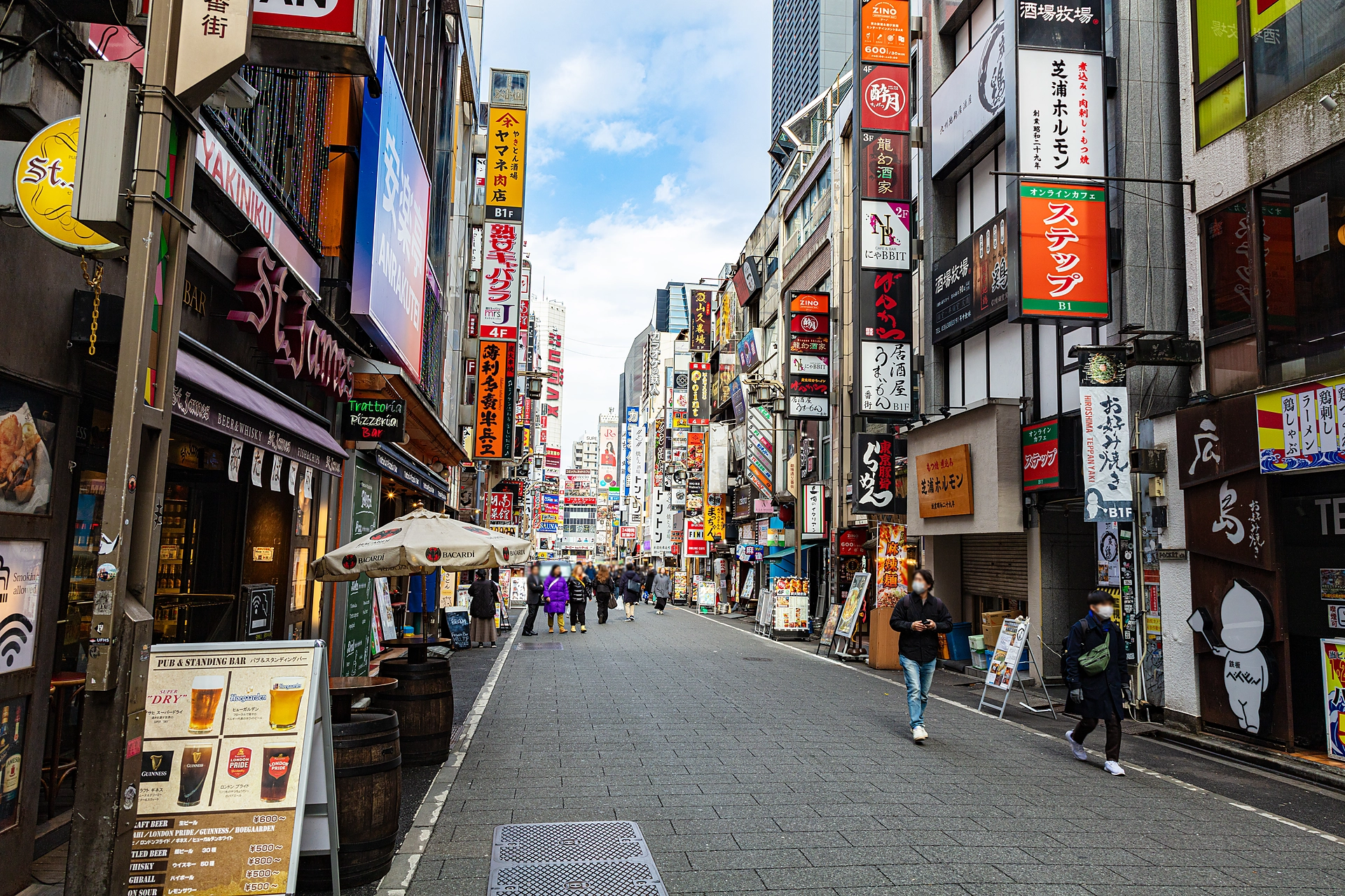
Modern Kabukicho is substantially safer than its 1990s underworld reputation suggests. Violent crime against foreign travelers is extremely rare. However, financial fraud remains a persistent risk, particularly in venues tucked inside the upper floors of older multi-tenant buildings lining the alleys off Ichiban-gai.
The most pervasive threat is bottakuri (extortionate overcharging). Street touts, frequently speaking fluent English, Chinese, or French, approach tourists offering enticing deals: all-you-can-drink specials for ¥2,000 ($13), or entrance into hostess lounges with no cover charge. Once inside, customers find hidden seat fees, mandatory appetizer charges, security fees, and unexpected bottle prices added to their bill. Tabs regularly reach ¥100,000 to ¥300,000 ($650, $2,000) for a single round of drinks. Customers who refuse to pay face physical intimidation or forced trips to nearby ATMs.
To navigate the district safely, follow established municipal rules and precautions:
- Never Follow Street Touts: Tokyo law strictly prohibits touting (kyakuhiki) in public thoroughfares. Legitimate, reputable establishments never hire street barkers to solicit customers. If someone approaches you on Ichiban-gai with restaurant or bar recommendations, walk away.
- Beware Drink-Spiking Schemes: Isolated incidents of drink-spiking continue to appear in police blotters around Shinjuku's late-night foreign-staffed bars. Never leave drinks unattended, and avoid accepting complimentary shots from venue staff you did not observe being poured.
- Observe the Public Drinking Regulations: The Shinjuku Ward assembly enforces seasonal and district-wide bans on street drinking during evening hours in Kabukicho, particularly around public plazas like Cine City and the perimeter of the Tokyu Kabukicho Tower.
- Check Bill Policies in Advance: When entering any independent bar on or near Ichiban-gai, demand to see the written charge sheet for table fees (otoshi), hourly minimums, and tax additions before ordering.
Frequently Asked Questions (FAQ)
Q1: Why is it called Kabukicho if there is no Kabuki theater?
A1: In 1948, planners named the district after a blueprinted 1,200-seat Kabuki theater intended to anchor the area's post-WWII reconstruction. When inflation and capital shortfalls forced developers to abandon construction in 1949, the municipal government kept the name, and the entertainment district developed around commercial cinema halls, cabarets, and night bars instead.
Q2: Is Kabukicho Ichiban-gai safe for international tourists at night?
A2: Yes, the main street of Ichiban-gai is heavily illuminated, monitored by municipal security cameras, and constantly patrolled by police officers. Serious violent crime is statistically low. The real dangers are financial: street-touting traps, drink spiking, and extortionate overcharging (*bottakuri*) in secondary alley bars.
Q3: Can regular tourists enter host and hostess clubs on Ichiban-gai?
A3: While some venues now admit international travelers, the vast majority of traditional host and hostess clubs do not cater to casual walk-in tourists. They operate on complex pricing schedules, client-host relationship rules, and subtle social etiquette that requires fluent Japanese. Tourists should avoid unvetted venues to prevent unintentional disputes over hidden service charges.
Shinjuku’s Constant Reinvention
The neon arch of Kabukicho Ichiban-gai remains Tokyo's most recognizable cultural gateway. What began as a miscalculated post-war reconstruction plan eventually evolved into an entertainment apparatus that outlasted gang wars, catastrophic fires, and successive waves of police intervention.
Today, corporate developments like the towering Tokyu Kabukicho complex sit directly beside mid-century back-alleys, pulling thousands of international visitors into spaces once controlled by post-war street gangs. The Kabuki actors never arrived, but the district found an enduring identity anyway: a chaotic, resilient machine that converts modern escapism into round-the-clock commerce.