Autumn 2024–2025 Fig Trend: Why Instant Fruit Preserves Are Dominating Feeds
Every September, fresh autumn figs arrive on grocers' shelves with exquisite sweetness and an unforgiving countdown. Ripe figs spoil within forty-eight hours of picking. The rush to capture their brief peak has sparked a vibrant shift across home kitchens, moving away from hours of sticky stovetop simmering toward micro-batch speed. Food enthusiasts across Japan and international culinary circles have embraced the microwave fig jam recipe as the definitive method to process fresh seasonal ichijiku before the tender skins collapse.
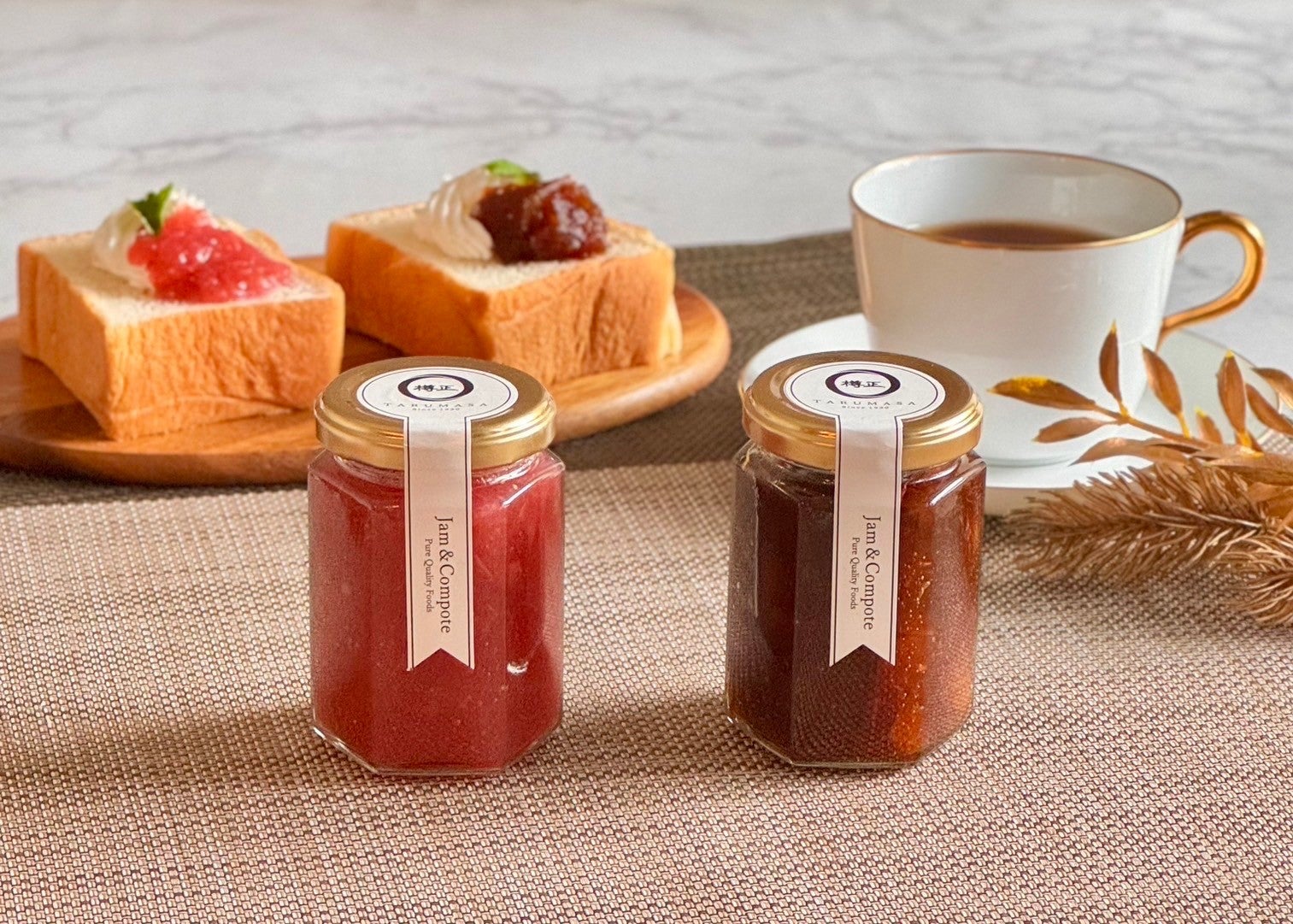
The cultural momentum around figs hit full stride following boutique artisan pushes and extensive coverage by domestic media. According to a 毎日新聞 Report, figs have historically earned praise as the "fruit of longevity," prized today for anti-aging fruit antioxidants, dietary fiber, and natural digestive enzymes. When Kobe Tea’s specialty preserve arm, Tarumasa, introduced their limited-run domestic fig and caramel apple jams in October 2024, the collector-style frenzy for rich autumn preserves migrated straight into urban apartments. Home cooks quickly realized that a single heatproof glass bowl could replicate small batch homemade jam without steam-scorched knuckles or industrial canning gear.
📌 Key Takeaways:
- The Behavioral Shift: Home cooks are replacing marathon canning sessions with 8-minute microwave batches to preserve fragile seasonal fruit.
- The Commercial Catalyst: Autumn releases from legacy houses like Kobe Tea inspired home cooks to build artisanal spreads using local Japanese seasonal ichijiku.
- The Texture Science: Brief bursts of microwave radiation preserve natural pectin and the coveted seed crunch texture far better than extended boiling.
Autumn Fig Fever and the Perishability Problem
Fresh figs are biological sprint runners. Unlike apples or citrus, they do not ripen off the branch; once picked, their sugars break down rapidly, making immediate consumption or preservation mandatory. In urban markets where a pack of four to six Masui Dauphine or Horaishi figs costs anywhere from 600 to 1,200 yen ($4 to $8), letting two turn sour in the refrigerator drawer feels like an outright loss.
This economic reality collided with changing kitchen dynamics. Few apartment residents maintain dedicated canning pots, sterilized tongs, and cases of Mason jars for sixty-minute boil sessions. Instead, cooks began working with two or three fruits at a time. Slicing ripe fruit straight into a heatproof vessel creates instant preserves that capture early-autumn flavors before fermentation starts. The goal is no longer stocking a winter root cellar. It is making just enough spread for tomorrow's breakfast.
Commercial Drivers: How Kobe Tea Built the Autumn Preserve Craze
The domestic appetite for fig preserves gained major momentum when historic beverage and condiment houses stepped into the seasonal spotlight. On October 1, 2024, Kobe Tea Co., operating from Sumiyoshihamacho in Kobe's Higashinada ward under company president Terumasa Maruyama, launched its exclusive autumn jam collection under the Tarumasa banner. By pairing domestic Japanese figs with warm spices and introducing a complementary caramel apple line, the historic tea firm proved that consumers wanted decadent, fruit-forward companions to pair with robust morning teas.
The limited quantities sold out briskly. Social feeds quickly filled with breakfast spreads highlighting deep purple fig glazes alongside steaming cups of English blend tea. But because commercial boutique batches disappear from department store shelves in days, home cooks began attempting to match that balanced fruit density in their own kitchens. The microwave technique emerged as the most reliable shortcut to recreate Tarumasa-style depth without commercial vacuum kettles.
The Heatproof Glass Bowl Technique Versus Boiling Kettles
The physics of stovetop jam rely on continuous conductive heat, which breaks down delicate fruit cells into an indistinguishable mash. Microwave radiation works differently: it excites water molecules directly inside the fruit flesh, cooking the figs from the inside out in a fraction of the time. The contrast between these two cooking philosophies is stark across prep time, nutrient retention, and final texture.
| Preserving Metric | Traditional Stovetop Canning | Microwave Micro-Batch Method |
|---|---|---|
| Active Cook Time | 35, 55 minutes of constant stirring | 6, 9 minutes across two heated intervals |
| Required Fruit Volume | 1,000g, 2,500g minimum to prevent pan burn | 150g, 350g (ideal for 2, 4 fresh figs) |
| Sugar Requirement | 50%, 65% of fruit weight for preservation | 20%, 30% of fruit weight (low sugar preserves) |
| Seed Crunch Texture | Softened by sustained boiling agitation | Intact, delivering signature puchi-puchi pop |
| Equipment Footprint | Deep pot, funnel, tongs, sterile jars | One heatproof glass bowl, fork, spatula |
Executing this stovetop jam alternative requires a deep, heatproof glass bowl, Pyrex or heat-resistant ceramic works best. As the fruit juice boils, it expands and foams rapidly. A shallow dish guarantees sticky boil-overs on the turntable. Cook the mixture uncovered at 600 watts for four minutes, stir down the rising bubbles, and return it to the microwave for another three to four minutes until the liquid reduces to a glossy sheet.
The Chemistry of Pectin, Acidity, and Seed Crunch
Figs are naturally low in acid and moderate in pectin. Boiling them on a stove for forty minutes without commercial additives frequently results in a brown, muddy paste. Achieving a luminous jewel-toned spread requires dialing in the lemon juice pectin ratio before heat ever touches the bowl.
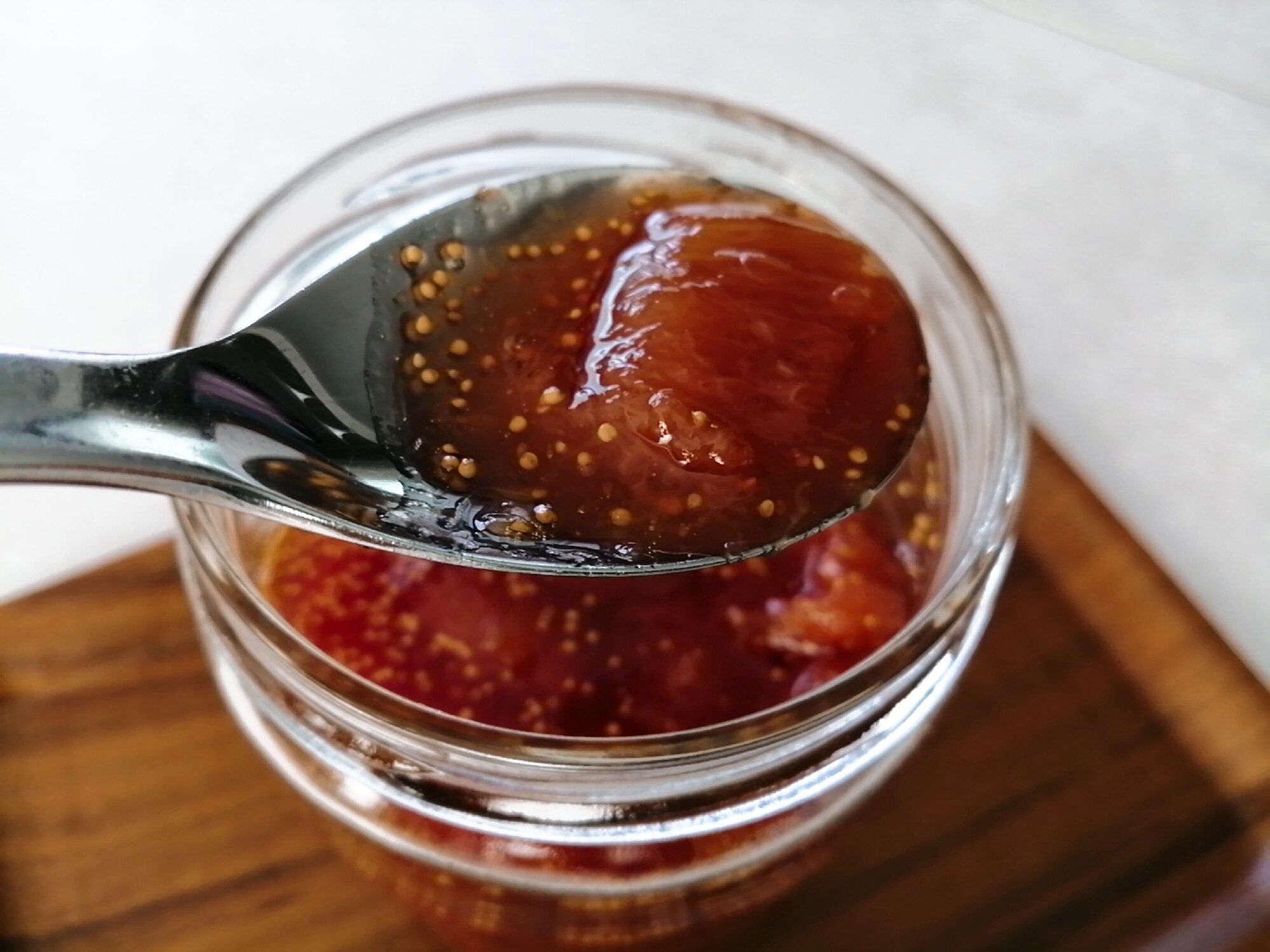
Adding fresh lemon juice drops the pH of the fruit mixture to roughly 3.2. This acidity level causes the natural pectin chains in the fig skins to bond with dissolved sugar molecules, forming an elastic mesh that sets as it cools. More importantly, keeping the cook window under eight minutes protects the seeds. The Japanese culinary world reveres this distinct sensation as puchi-puchi, a crisp, crackling pop between the teeth that dulls under extended pan braising.
Low sugar preserves made with this method run around 25% sugar relative to fruit mass, compared to the 60% saturation demanded by traditional pantry recipes. Granulated cane sugar works best to draw out juices during a ten-minute pre-maceration step. The resulting spread holds a bright, fruit-forward profile that highlights floral honey notes rather than flat syrup sweetness.
Repurposing Leftover Yields: Glazes, Teas, and Microwave Fruit Syrup
Because the process takes less than ten minutes, culinary enthusiasts use the base recipe for applications far beyond toast. Stopping the microwave cycle two minutes early leaves excess liquid, producing an aromatic microwave fruit syrup. Drizzled over Greek yogurt, vanilla bean gelato, or blended with sparkling mineral water, the syrup offers an immediate autumn refresher.
Savory cooks exploit the fruit’s natural affinity for cured meats and sharp dairy. Blending black pepper, balsamic vinegar, and fresh rosemary into the hot glass bowl yields a thick glaze suited for warm goat cheese crostini, prosciutto platters, or roast pork loins. The anti-aging fruit antioxidants and fiber documented in nutritional studies make it a nutrient-dense upgrade over store-bought condiment glazes laden with high-fructose corn syrup.
Frequently Asked Questions (FAQ)
Q1: Why did my microwave fig jam boil over and make a mess?
A1: Sugar syrups expand to more than triple their cold volume when boiling under microwave power. You must use a large, deep heatproof glass bowl that is filled to no more than one-third of its total capacity, and leave the bowl completely uncovered during cooking.
Q2: How long will microwave-made fig jam stay fresh in the fridge?
A2: Because this method uses a low sugar preserves ratio (20% to 30%) and skips traditional heat-bath canning seals, it is not shelf-stable at room temperature. Store the finished jam in an airtight glass container in the refrigerator; it will keep its flavor and texture for seven to ten days.
Q3: Can I make this quick fruit preserve using unripe or overripe figs?
A3: Soft, fully ripe figs yield the richest flavor and natural sweetness. Overripe figs work well if you add an extra half-teaspoon of lemon juice to compensate for lost acidity. Avoid hard, green, underripe figs entirely, as they lack both the sugars and the tender skin needed to release juices in the microwave.
Pantry Agility for the Modern Autumn Kitchen
The rush to prepare seasonal fruit is no longer about stockpiling dozens of jars for months ahead. Today's cooks prefer immediate, high-quality results using small batches that fit tight schedules and small kitchen layouts. Working with two fresh figs, a spoonful of sugar, and a squeeze of lemon juice delivers fresh luxury straight out of a microwave turntable in less than ten minutes. As seasonal fruit cycles shorten, this fast technique gives cooks full control over their autumn pantries.