From Stranded at 32 to Variety Royalty: The Secret Origin of Zun Iio's Signature Gag Empire
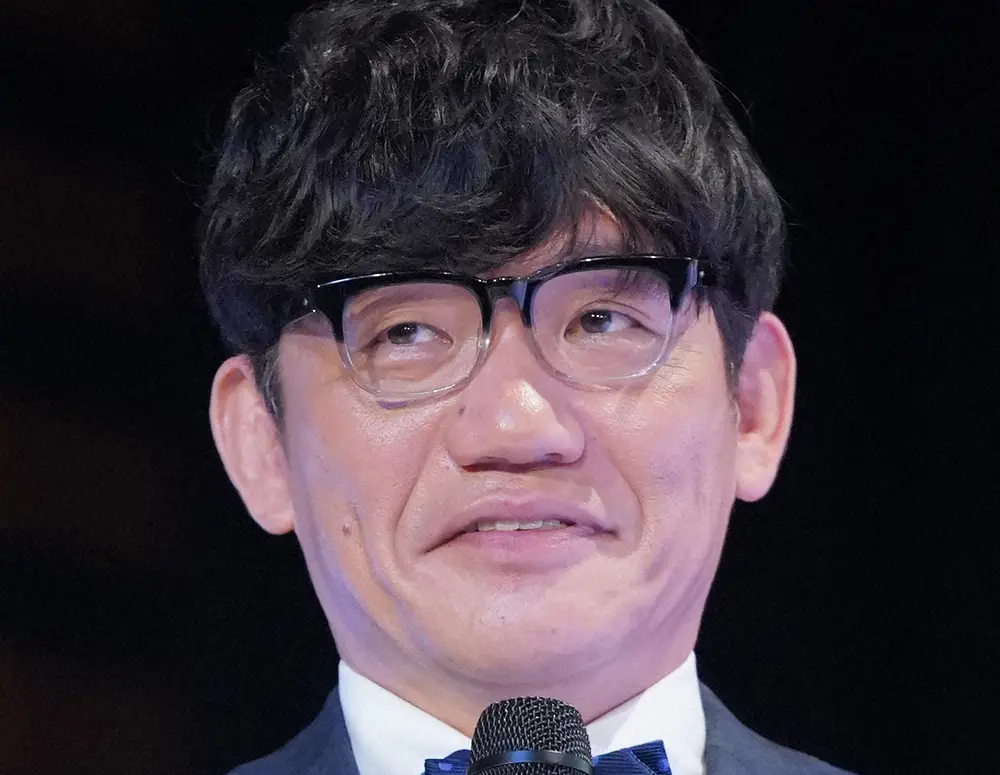
Most careers in Japanese comedy peak early or die quietly in small underground theaters. When Kazuki Iio walked into the Tokyo FM studios for a sit-down on Akira Kawashima’s radio program Somosomo no Hanashi, he did not project the posture of a show-business titan. At 56, the bespectacled comedian carries an easy, self-effacing demeanor that hides just how close he came to total obscurity. Decades before becoming an inescapable fixture across daytime talk shows, food travelogues, and primetime panels, Iio found himself stranded at 32 with zero savings and no clear path forward.
The turning point, as detailed in a broadcast retrospective covered by a スポニチ Report, traces directly back to the sudden collapse of his original comedy duo and an improbable lifeline thrown by national broadcaster Fuji TV. What pulled Iio out of career purgatory was not high-concept theatrical satire. It was a bizarre, exquisitely timed arsenal of short physical gags delivered with radical deadpan commitment.
📌 Key Takeaways:
- The Career Abyss: After his first duo La. Okaki disbanded in 2000, Kazuki Iio was left unemployed at age 32 in an industry that routinely discards thirty-something hopefuls.
- The Noon Breakthrough: A regular audition slot on the legendary live noon program Waratte Iitomo! offered him an arena to test unorthodox, loose one-liner gags directly in front of comedy icon Tamori.
- The Signature Formula: Rather than relying on biting insults or aggressive slapstick, Iio built an iconic mid-career revival on gentle surrender, floor-rolling escapism, and rhythmic everyday observations.
The Collapse of La. Okaki and the Bleak Reality of Age 32
In the late 1990s, Iio tasted modest success alongside Ken Nezu in the double-act La. Okaki. The unit achieved what Japanese entertainment circles call a "puchi-break", a mini-boomlet that landed them guest spots on midnight variety programs and university festival circuits. Then the momentum evaporated. Creative frictions mounted, industry trends shifted, and by 2000, the pair called it quits.
Walking away from a duo at age 32 is near-fatal in the Tokyo comedy scene. Talent agencies prioritize teens and early-twenties rookies fresh out of comedy academies like NSC. Without a partner, an entertainer loses the fundamental mechanics of manzai, the ping-pong dynamic between straight man (*tsukkomi*) and fool (*boke*). Iio was suddenly adrift in Tokyo without corporate backing or a discernible brand. He picked up odd shifts, crashed on tatami floors, and questioned whether he had squandered his adult life chasing an adolescent dream.
He eventually teamed up with longtime peer Tsugio Yasuoka to form the duo Zun. Yet the pairing did not yield immediate fireworks. The duo lacked the rapid-fire aggression sweeping the early 2000s contest circuit, where fast-talking acts dominated televised tournaments like the M-1 Grand Prix. Zun operated at an entirely different tempo: relaxed, slightly disheveled, and unbothered by tension.
The Noon Gamble: How Waratte Iitomo Sparked an Unlikely Revival
Survival demanded a solo outlet. In the early 2000s, legendary producer networks at Fuji Television kept open tryouts for brief interstitial segments on Waratte Iitomo!, the live daily juggernaut anchored by Tamori. The audition room was ruthless. Dozens of acts were dismissed within ten seconds if their punchline failed to connect with stone-faced television directors.
Iio entered those auditions stripped of traditional storytelling setups. He had no narrative, no character costume, and no partner to react to his words. Instead, he presented pure physical non-sequiturs. He dropped face-down onto the studio linoleum. He delivered single, absurd declarative sentences with absolute sincerity. It was odd, gentle, and utterly distinct from the high-decibel yelling typical of early-2000s variety television.
Tamori immediately appreciated the rhythm. Where mainstream comedy often demanded relentless bravado, Iio offered relaxed resignation. Producers placed him in live corner segments where his short, punchy one-liners functioned as pallet cleansers between high-energy studio games. Millions of homemakers, college students, and salarymen on lunch break watched him invent a unique lane in live Japanese broadcasting.
The Evolution of Iio's Physical Absurdism: A Career Timeline
The transition from desperate auditionee to beloved variety regular took over a decade of disciplined experimentation across broadcast formats.
| Timeframe | Career Milestone | Signature Mechanics & Impact |
|---|---|---|
| 1991, 2000 | La. Okaki Era | Conventional double-act routines; minor television visibility followed by complete disbandment at 32. |
| 2000, 2005 | Zun Formation & Iitomo Slots | Partnership with Tsugio Yasuoka; breakthrough on noon television via solo, low-stakes physical gags. |
| 2006, 2015 | Variety Panel Mainstay | Perfected the "Tatami Slide" and "Pekori 45°"; established a reputation as the most reliable rescue guest on chaotic panel shows. |
| 2016, 2026 | Cultural Regular & Solo Host | Anchors retro cafe travel shows, morning infotainment spots, and prestige radio interviews; universally recognized comedy staple. |

Anatomy of the Floor Roll: Why Japanese Audiences Embraced Gentle Surrealism
The comedic engine of an Iio one-liner relies on subverting physical dignity. Consider his most famous physical routine: sliding onto his stomach across the floor, looking directly into the camera lens, and muttering, "If I were born flat, I could slide under that bookshelf and avoid paying taxes."
The gag works because it voices ordinary middle-class fatigue. Japanese society imposes relentless social friction, protocol, and office etiquette. Traditional comedy often tackles this through sharp topical satire or frantic embarrassment. Iio took the opposite exit. His characters simply lay down, melt into the architecture, and surrender to reality.
Other signature routines share this DNA. The "Pekori 45 Degrees" bow parodies corporate submission by transforming a polite greeting into an absurd, mechanically frozen pose. His "Shinobi-ashi" (ninja creep) routines mock modern domestic anxiety, depicting an adult man trying to sneak past imaginary household chores. He turned vulnerability into armor. Audiences never felt attacked by his comedy; they felt relieved by it.
The Kawashima Conversation: Surviving the Cutthroat Variety Circuit
On Tokyo FM's Somosomo no Hanashi, Akira Kawashima, himself a towering figure in modern Japanese broadcasting as host of TBS's morning flagship Love it!, drilled into how Iio navigated an industry known for burning out its talent. The discussion cut past nostalgic industry stories to reveal practical survival craft.
Iio explained that his longevity stems from refusing to dominate the room. When a television recording stalls or a joke falls flat, younger comedians often scramble to overcompensate with frantic volume. Iio does the reverse. He allows the awkward silence to sit for an extra beat, then drops a quiet, mildly absurd one-liner that resets the studio air without embarrassing the host or guests.
That psychological restraint turned him into an invaluable asset for studio directors. Producers know that booking Iio guarantees zero backstage tension and a guaranteed safety net during difficult live tapings. He is the ultimate supporting player who accidentally became an indispensable star.
Frequently Asked Questions (FAQ)
Q1: What is the official definition of an "ippatsu gyagu" in Japanese comedy?
An ippatsu gyagu (one-shot gag) is a self-contained, lightning-fast comedic bit that combines a physical gesture with a short verbal punchline, typically lasting between three and ten seconds without needing an elaborate narrative setup.
Q2: Why did Kazuki Iio’s first duo, La. Okaki, break up in 2000?
After experiencing brief television visibility during the late 1990s, the duo stalled creatively as industry tastes evolved toward rapid-fire tournament comedy, leading to their mutual disbandment when Iio was 32 years old.
Q3: How does Iio’s current duo, Zun, balance individual and group activities?
While Iio maintains an extensive calendar of solo appearances on morning programs, travel series, and food broadcasts, Zun remains an active performing unit, appearing together regularly on comedy specials and variety panels.
Why Kazuki Iio Still Endures in Japanese Variety Culture
Entertainment ecosystems across Tokyo chew through talent at a terrifying pace. Trends shift, catchphrases grow stale in months, and production budgets reward youth over experience. Kazuki Iio defied those structural odds by building an entire career out of deliberate softness.
He never tried to out-shout the loudest comic in the studio. He never pivoted toward cruel humor to win cheap laughs on social media. Instead, he treated comedy as an act of casual hospitality, inviting viewers to laugh at the shared indignities of getting older, getting tired, and occasionally wanting to slide under the nearest piece of furniture.