Frozen vs Fresh Noodles and Broth Bases: The True Anatomy of Authentic Niratama Udon
The Ultimate Niratama Udon Guide: Testing Broth Bases for Quick Weeknight Cooking
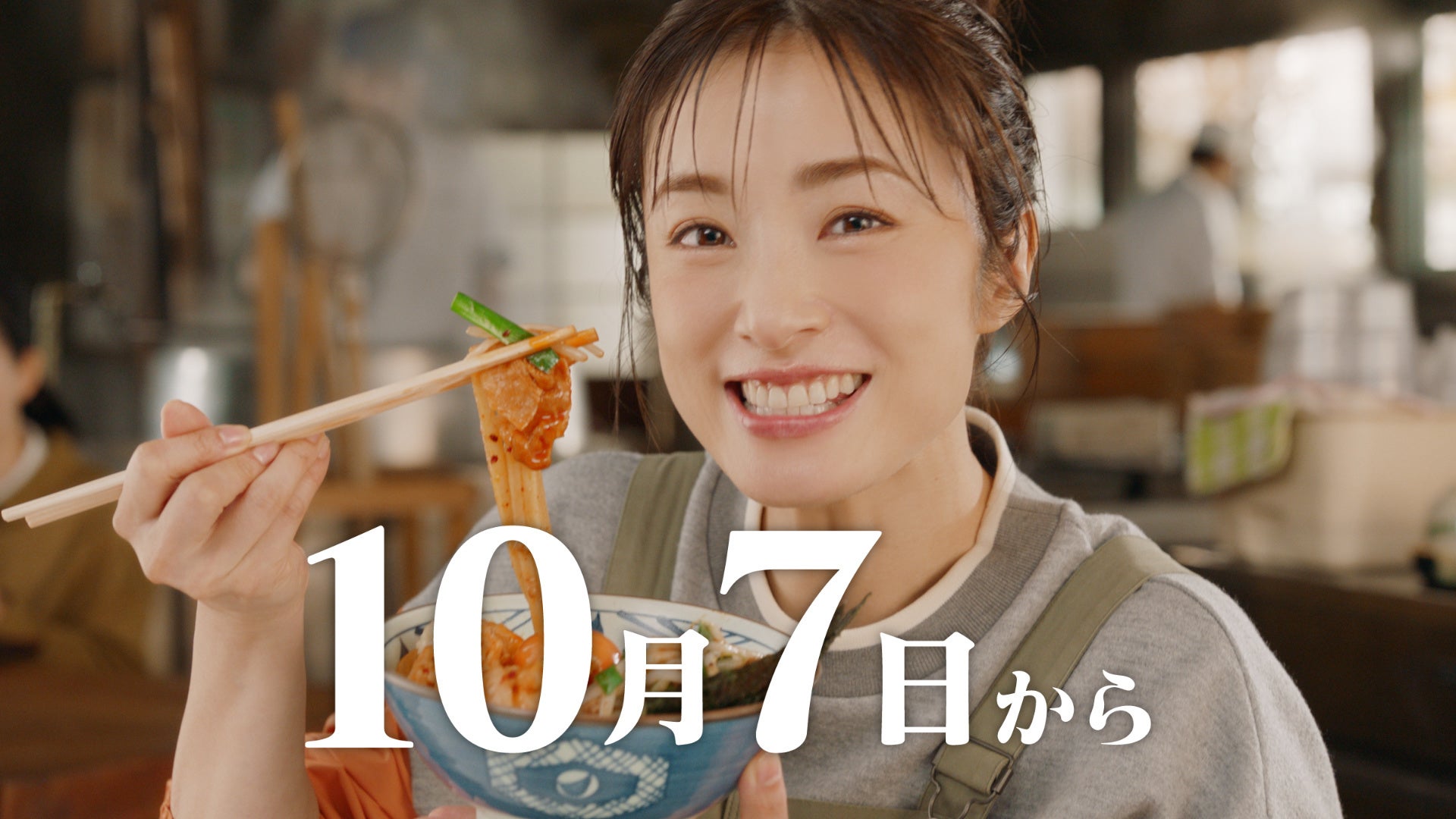
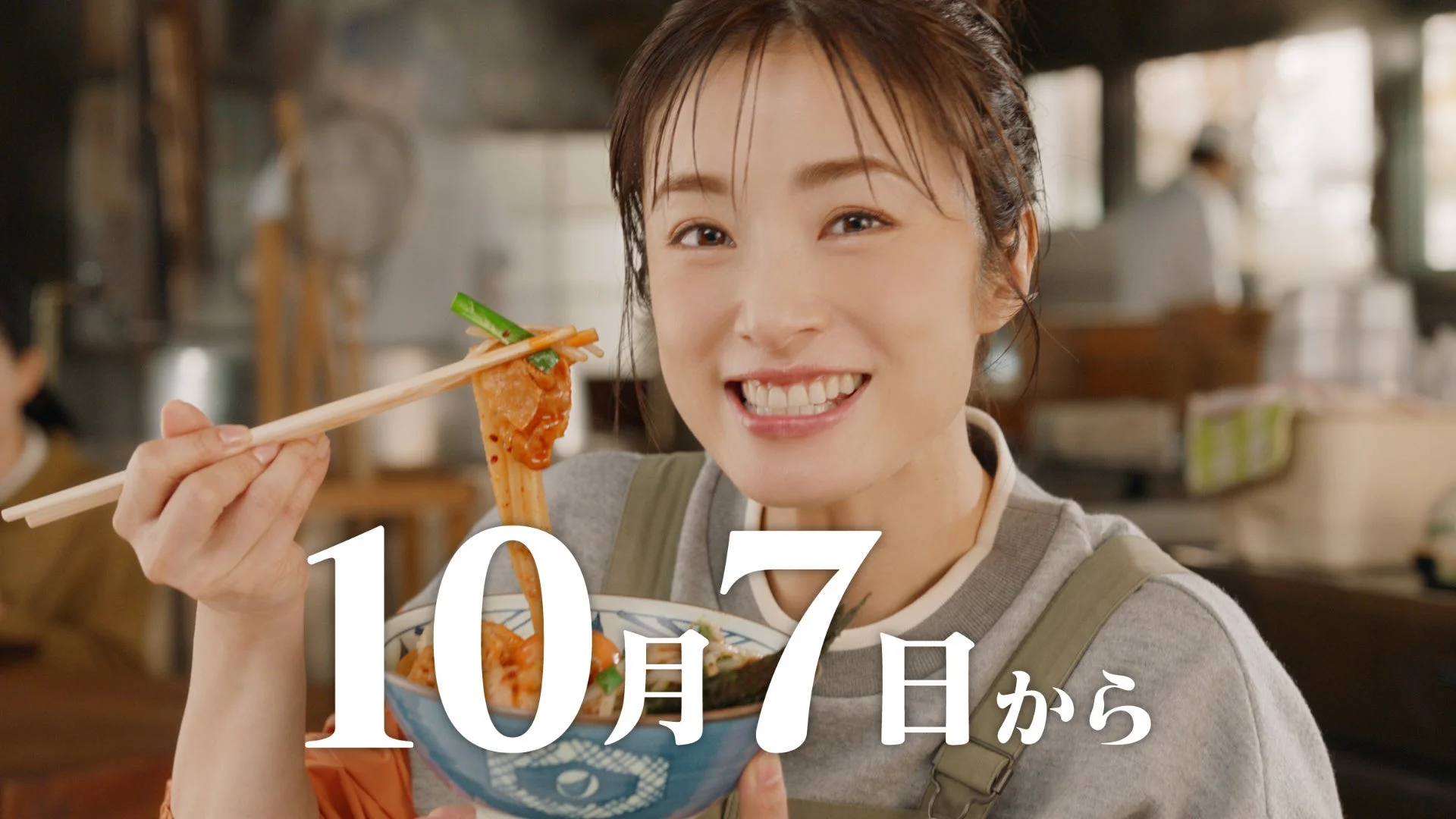
When giant udon chains push a humble home-style staple into the culinary limelight, weeknight cooks take notice. Niratama, the beloved Japanese pairing of pungent garlic chives and soft-scrambled eggs, has long been celebrated as a five-minute comfort dish, a tradition recently documented in an elthaエルザ Report covering everyday stamina recipes. Yet the dish took on an entirely new character when national chain Marugame Seimen introduced its high-profile spicy ground pork and garlic chive campaign, fronted by actor Aya Ueto in major national broadcasts. What was once a fast side dish tossed over hot rice has transformed into an aggressive, noodle-anchored phenomenon.
Home cooks trying to recreate the dish face a critical fork in the road: the broth. Getting the noodles chewy and the eggs silky is relatively simple, but the foundational liquid changes everything. Should you rely on a pantry-friendly mentsuyu seasoning, brew a meticulous kombu-and-bonito dashi broth base, or build a rich, thickened meat broth? We took all three variations into the test kitchen to determine which base extracts the best umami flavor profile without sacrificing speed.
📌 Key Takeaways:
- The Broth Winner: A fortified mentsuyu cuts cook times down to a true 10-minute quick recipe while balancing the sulfurous bite of garlic chives.
- The Texture Secret: A classic ankake thickened broth made with a potato starch slurry keeps beaten eggs suspended, preventing them from sinking and overcooking.
- The Noodle Benchmark: Flash-frozen Sanuki udon beats dry noodles across every metric, providing authentic chew and micro-grooves that cling to rich sauces.
How a Modest Scramble Became a Noodle Phenomenon
For decades, niratama occupied a specific niche in Japanese domestic cooking: a rapid-fire stir-fry born out of Chinese home cooking traditions, adapted to Japanese seasonings. Cooking instructor Yukari highlighted this dynamic in recent culinary demonstrations, showing how high-heat eggs and aromatic greens deliver an affordable, high-stamina dinner in under ten minutes. The sulfur compounds in garlic chives provide an intense, savory aroma that mellows into sweetness alongside rich egg yolks.
Marugame Seimen reshaped consumer expectations by merging this home-cooked staple with rich Sanuki udon noodles. In their autumn commercial rollout, the chain introduced a spicy meat-loaded niratama bukkake udon. By dropping tender, soft-scrambled eggs and vibrant green chives directly into concentrated broth alongside savory meat, they shifted the dish from a humble scramble into a robust main course. Home cooks quickly took notice, seeking ways to reproduce that restaurant-tier gloss at home without spending hours simmering bones.
Head-to-Head Test: Mentsuyu, Scratch Dashi, and Pork Broths
To settle how home cooks should build their base, we tested three distinct liquid profiles against the assertive flavors of garlic chives and eggs. Each test used identical 200-gram portions of frozen Sanuki udon, two large beaten eggs, and 50 grams of fresh chives finished with toasted sesame oil.
The pure scratch dashi base, steeped from dried kelp and thick bonito flakes, struggled under pressure. While its delicate marine profile is celebrated in traditional noodle shops, the sulfurous, allium punch of hot garlic chives overwhelmed the broth completely. The subtle, smoky notes vanished within two bites, leaving a watery aftertaste.
At the opposite extreme, a heavy ground pork stock simmered with chili paste and soy sauce produced immense richness, mimicking the heavy restaurant style seen in Marugame Seimen's seasonal menu. Yet the preparation pushed cooking times past 25 minutes, generating excess grease that coated the tongue and weighed down the soft-scrambled eggs.
The decisive winner was an elevated mentsuyu seasoning base. A standard 3x-concentrated noodle soup base diluted with water, a splash of mirin, and a dash of grated garlic hit the precise sweet spot. The concentrated soy and mirin sweetness counterbalanced the aggressive greens, while the built-in bonito extract held its ground without disappearing. It produced restaurant-level depth in just four minutes of active simmering.
Broth Comparison and Performance Metrics
The test kitchen evaluated each preparation across prep time, umami balance, and how effectively the liquid adhered to the noodles. The results clarify exactly where home cooks should spend their effort.
| Broth Architecture | Active Prep Time | Flavor Interaction | Noodle Cling Rating |
|---|---|---|---|
| Classic Dashi Base(Kombu + Katsuobushi) | 15, 20 mins | Subtle notes muted by strong alliums; lacks mid-palate sweetness. | Low (Runs off thick noodles) |
| Fortified Mentsuyu(Concentrate + Mirin + Garlic) | 3, 5 mins | Balanced sweetness, sharp soy notes cut through rich egg curds. | High (When thickened into Ankake) |
| Spicy Ground Pork Meat Broth(Minced pork + Doubanjiang + Stock) | 20, 25 mins | Intensely savory and filling, but fat tends to mask delicate eggs. | Very High (Coats noodles heavily) |
The Science of Ankake: Suspending Silky Eggs Without Curdling
The single biggest mistake home cooks make with niratama udon is pouring raw eggs directly into rolling boiling broth. Without proper viscosity, the raw egg strands break apart into cloudy micro-shreds, clouding the liquid and rubberizing the texture. To achieve the glossy ribbons served in specialty noodle shops, the secret weapon is an ankake thickened broth.
Before adding the egg, dissolve potato starch in cold water at an exact 1:1 ratio. Whisk this potato starch slurry directly into the simmering mentsuyu base, stirring continuously until the soup turns clear and coats the back of a spoon. Only after the broth thickens should you turn the heat down to medium-low and swirl in beaten eggs in a thin, steady spiral.
The starch matrix increases liquid viscosity, which physically suspends the egg ribbon near the surface. The egg cooks gently via residual heat rather than boiling violently. This keeps the eggs pillowy, creating a rich texture that wraps around every strand of frozen Sanuki udon as you pull the noodles from the bowl.
Assembling the Perfect 10-Minute Bowl at Home
Speed is essential here. You do not need multiple pots cluttering the counter when making this meal. Microwave a block of frozen Sanuki udon for three minutes on high power; this flash-steams the noodles, preserving their signature chew far better than boiling them in water.
While the noodles warm, heat a single teaspoon of toasted sesame oil in a small saucepan. Add garlic chives chopped into two-inch batons, searing them for just 30 seconds until they turn deep emerald. Remove half of the chives to use as a fresh garnish. Pour 300 milliliters of water and your mentsuyu seasoning into the same pan, bringing it to a simmer before stirring in the potato starch slurry.
Drizzle your beaten eggs across the bubbling surface, count to five, and remove the pan from the heat. Pour this glossy, golden mixture directly over your warmed noodles. Top with the reserved chives and an optional drizzle of chili oil. From lighting the stove to taking your first bite, the entire process takes less than ten minutes.
Frequently Asked Questions (FAQ)
Q1: Why are frozen Sanuki udon noodles preferred over dry noodles?
A1: Frozen Sanuki udon undergoes flash-freezing immediately after boiling, locking in high water content and gluten structure. This yields an elastic chew that dried boxed udon cannot match, while cutting kitchen prep time by ten minutes.
Q2: Can I substitute cornstarch for potato starch in the slurry?
A2: Potato starch (katakuriko) is ideal because it creates a clear, high-gloss sheen and gelatinizes at lower temperatures. Cornstarch works as an alternative, but it leaves the broth slightly cloudy and requires higher heat to set properly.
Q3: How do I replicate the spicy Marugame Seimen meat version?
A3: Brown 50 grams of ground pork in sesame oil with a teaspoon of doubanjiang (chili bean paste) and a splash of soy sauce before assembling the soup. Spoon the seasoned meat directly over the finished egg-topped bowl as an accent.
Mastering the Fundamentals of Weeknight Udon
Quick weeknight dinners do not require hours over a stockpot or a long list of specialty ingredients. By combining frozen Sanuki udon with an elevated mentsuyu base, anyone can balance the sharp bite of garlic chives with soft egg ribbons in minutes. Mastering the potato starch slurry guarantees tender egg ribbons every time. With these techniques in hand, you can skip the takeout line and prepare a bowl that rivals your favorite noodle shop right on your own stove.
