How to Ask 'Do You Need Help?' in Japanese: Complete Guide for Travelers and Expats
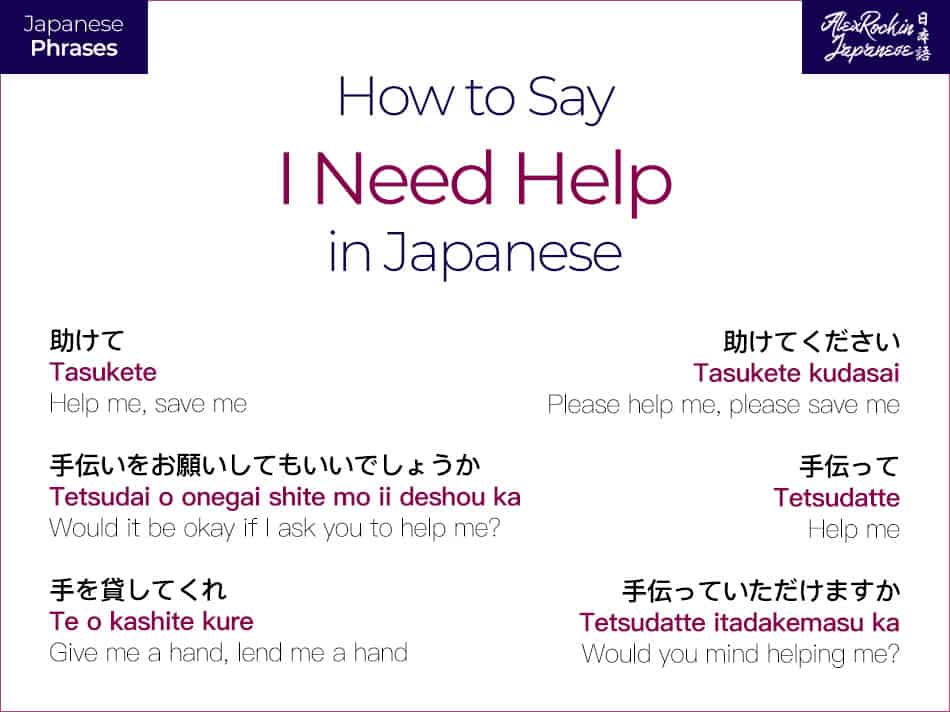
Directly translating an English phrase into Japanese rarely yields the result a speaker intends. When a traveler or resident sees someone struggling on a Tokyo subway platform with luggage or looking lost at a busy intersection, the instinctive English impulse is to ask, "Do you need help?" Yet translating that thought word-for-word creates awkward friction. As highlighted in an investigative unseen-japan.com Report on why language apps fail learners in practical social settings, textbook drills strip out relational context. In Japan, interpersonal hierarchy, public setting, and social restraint dictate every interaction.
Offering assistance requires navigating a spectrum that spans emergency cries to restrained polite inquiries. Shouting the textbook word for help, tasukete, signals that your life is in mortal peril. Using overly blunt casual speech with an elder can cause embarrassment. Successfully stepping in requires matching the right phrase to the moment.
📌 Key Takeaways:
- The Core Distinction: Use Otetsudai shimashou ka to offer hands-on service politely, or Daijoubu desu ka to check if someone is alright without putting them on the spot.
- Keigo Dynamics: Offering assistance in Japanese shifts based on Japanese politeness levels, requiring modest humble verbs rather than direct questions about what someone lacks.
- Cultural Boundaries: The concept of avoiding meiwaku (troubling others) means people often reflexively decline help; phrasing offers gently preserves their dignity.
The Linguistic Gap Between Offering and Demanding Assistance
English speakers treat "help" as an all-purpose tool. You can help someone move a couch, help an injured person, or ask a coworker for help on a spreadsheet. Japanese treats these situations as fundamentally different human transactions.
The verb tasukeru (助ける) implies rescue from danger or existential distress. If you walk up to a commuter struggling with a ticket vending machine and say Tasukemashou ka?, you sound like you believe they are drowning. The correct conceptual framework for offering assistance in Japanese is tetsudau (手伝う), which translates to lending a hand or assisting with a task.
When addressing strangers, grammatical modesty takes over. You do not ask people to state their needs directly. In Japanese cultural etiquette, asking "Do you need help?" (Tetsudai ga hitsuyou desu ka?) forces the listener to confess a weakness or an inability to manage their affairs. Instead of inquiring about their deficiency, you offer your own labor as a polite proposition.
The Core Phrasing: Otetsudai Shimashou ka and Daijoubu Desu ka
Two distinct phrases handle almost 90 percent of public encounters. Deciding between them depends on whether physical action is needed or whether you are assessing someone's state of well-being.
The premier phrase for direct physical aid is Otetsudai shimashou ka? (お手伝いしましょうか?). It incorporates the polite prefix o-, the stem of tetsudau, and the courteous volitional ending shimashou ka, meaning "Shall I lend a hand?" This phrasing works cleanly when someone is carrying an impossibly heavy stroller up stairs, attempting to read a map on a street corner, or wrestling with a parcel. It projects readiness without presumption.
Person A (Noticing heavy bags): Otetsudai shimashou ka? (Shall I help you?)
Person B: Arigatou gozaimasu. Tasakatta! (Thank you so much. That saved me!)
When someone looks unwell, drops their belongings, or appears visibly disoriented, shift to Daijoubu desu ka? (大丈夫ですか?). Literally translating to "Are you alright?", it serves as the universal social safety net. It allows the recipient to respond either by accepting intervention or by waving their hands and saying Daijoubu desu (I am fine), protecting them from unwanted attention.
Politeness Tiers: From Keigo Honorific Speech to Street Encounters
Japanese grammar organizes itself around social distance. Using casual speech with an elder can sound dismissive, while using hyper-formal palace speech with a child sounds bizarre. Understanding casual vs formal Japanese enables you to tune your register to the exact relationship at hand.
In customer service and professional environments, Keigo honorific speech dominates. Staff members invoke Kenjougo (humble language) to lower their own posture before the customer. In contrast, friends and family speak entirely in plain forms without polite verb endings.
| Japanese Phrase (Romaji / Script) | Politeness Level | Social Context |
|---|---|---|
| Nanika otetsudai dekiru koto wa arimasu ka?(何かお手伝いできることはありますか?) | Formal / Keigo | Offices, business settings, elderly strangers requiring high deference. |
| Otetsudai shimashou ka?(お手伝いしましょうか?) | Polite Standard (Teineigo) | Everyday interactions, tourists, commuters, general public. |
| Daijoubu desu ka?(大丈夫ですか?) | Polite Standard | Checking on someone who tripped, dropped items, or seems lost. |
| Tetsudou ka? / Daijoubu?(手伝おうか? / 大丈夫?) | Casual (Kudaketa) | Close friends, peers, classmates, children. |
| Moshi yoroshikereba, mochimashou ka?(もしよろしければ、持ちましょうか?) | Polite & Softened | Offering to carry bags, suitcases, or heavy equipment for someone. |
Phrasing that includes softening prefixes, such as moshi yoroshikereba (if it is alright with you), gives the recipient an immediate, guilt-free exit to say no without appearing ungrateful.

Train Station Assistance Phrases and Transit Etiquette
Railway networks across Japan host millions of rapid human movements every hour. They are also where confusion strikes hardest. Train station assistance phrases demand speed, clarity, and low cognitive overhead.
If someone stares blankly at the labyrinthine transit maps in Shinjuku or Osaka Station, begin with an opening apology to soften the approach: Sumimasen, doko ni ikitai desu ka? (Excuse me, where do you want to go?). This eliminates the awkwardness of diagnosing why they are stuck.
For riders struggling with tickets or automated gates:
- Kippu no kai-kata, wakarimasu ka? (Do you know how to buy a ticket?)
- Norikae wa daijoubu desu ka? (Are you alright with your train transfer?)
- Nimotsu, mochimashou ka? (Shall I hold or carry that luggage?)
When stepping in to help someone in a wheelchair or a parent hoisting a stroller down flight stairs, physical safety takes precedence over conversational nuance. Make eye contact, nod, point gently toward the item, and ask: Kore, mochimashou ka? (Shall I carry this?). Wait for a clear nod before grabbing handles or frames.
The Omotenashi Mindset and the Etiquette of When to Step Back
The Japanese hospitality philosophy known as omotenashi emphasizes anticipating needs before they are verbalized. Yet on the street, this mindset clashes with an equally powerful cultural pillar: the fear of imposing meiwaku (inconvenience or trouble) on bystanders.
When an expat or traveler steps up to offer aid, a Japanese person's default reaction is often a rapid sequence of bowing accompanied by Ie, ie, daijoubu desu! (No, no, I am completely fine!). This does not always mean they do not need help. Frequently, they worry that accepting your assistance will burden you, waste your time, or cause a scene.
Approach: Otetsudai shimashou ka?
Initial Reaction: A, sumimasen, daijoubu desu... (Oh, sorry, I'm okay...)
Persistence Marker: Hontou ni daijoubu desu ka? Karui desu yo. (Are you sure? It's light for me!)
Read their posture. If they refuse while continuing to struggle with genuine physical strain, a second gentle offer, phrased as no trouble at all (Enryo shinaide kudasai, "Please don't hesitate"), often unlocks relief. If they pull away or avert their eyes, step back immediately. Forcing assistance onto someone who wishes to maintain privacy violates local norms.
Asking for Help vs Offering Help: Essential Phrases for Expats
Living in Japan as a foreign resident means the dynamic frequently flips. You will often be the individual who needs assistance with administrative paperwork, tax notifications, or train delays. Asking for help vs offering help relies on distinct vocabulary.
To request aid without sounding abrasive, lead with an acknowledgment of the inconvenience you are causing:
- Sumimasen, chotto oshiete itadakemasu ka? (Excuse me, could you please teach/show me this for a moment?)
- Tetsudatte morattemo ii desu ka? (Would it be alright if I received your help with this?)
- Kono kanji no yomikata ga wakarimasen. (I do not understand how to read this kanji.)
- Tasukete kudasai! (Please help me!, reserved for genuine emergencies or medical crises.)
Notice the use of itadaku and morau in daily Japanese conversational phrases. These verbs mean "to receive an action." When you ask for help in Japanese, you frame the other person's effort as a favor you are receiving, which keeps the tone respectful and socially appropriate.
Frequently Asked Questions (FAQ)
Q1: Is it rude to just ask "Daijoubu?" to a stranger?
A1: Yes, dropping the polite ending *desu ka* and simply asking "Daijoubu?" sounds overly familiar and blunt when speaking to an adult stranger. Always use the full phrase Daijoubu desu ka? in public to maintain standard courtesy.
Q2: What is the single best emergency phrase if I am hurt or in danger?
A2: Shout Tasukete! (助けて!) or Tasukete kudasai! (助けてください!). This is the explicit cry for rescue from danger, crime, or medical emergencies, and it instantly alerts everyone nearby to severe trouble.
Q3: How do I respond if someone asks me "Otetsudai shimashou ka?"
A3: If you want their help, reply with Onegai shimasu (Yes, please) or Arigatou gozaimasu, tasakari masu (Thank you, that helps immensely). If you want to decline politely, smile, wave your hand slightly, and say Daijoubu desu, arigatou gozaimasu (I am fine, thank you).
Actionable Habits for Mastering Japanese Social Encounters
Connecting with people across linguistic lines comes down to reading the room and deploying the right register. Mastering daily interactions requires dropping rigid, literal translations in favor of functional conversational tools.
When you encounter someone struggling on your daily commute, keep your hands visible, maintain approachable body language, and start with Sumimasen, daijoubu desu ka?. If they need practical help moving an item or navigating an intersection, transition smoothly to Otetsudai shimashou ka?. Respecting the subtle boundaries of local etiquette turns an awkward interaction into a clear, welcome moment of human support.
