Stop Washing Muddy Pants Immediately: The Costly Water Mistake Ruining Your Clothes
Running straight to the sink when mud splatters across cotton trousers or athletic pants feels like basic common sense. It is also the fastest way to turn a superficial dirt smudge into a permanent gray blemish. When saturated earth hits woven textile, water acts as a transport vehicle rather than a cleanser. Instead of flushing the soil away, an immediate blast from the faucet pushes microscopic mineral particulates deep into the core of the yarn, locking them beneath the surface where standard wash cycles cannot dislodge them.
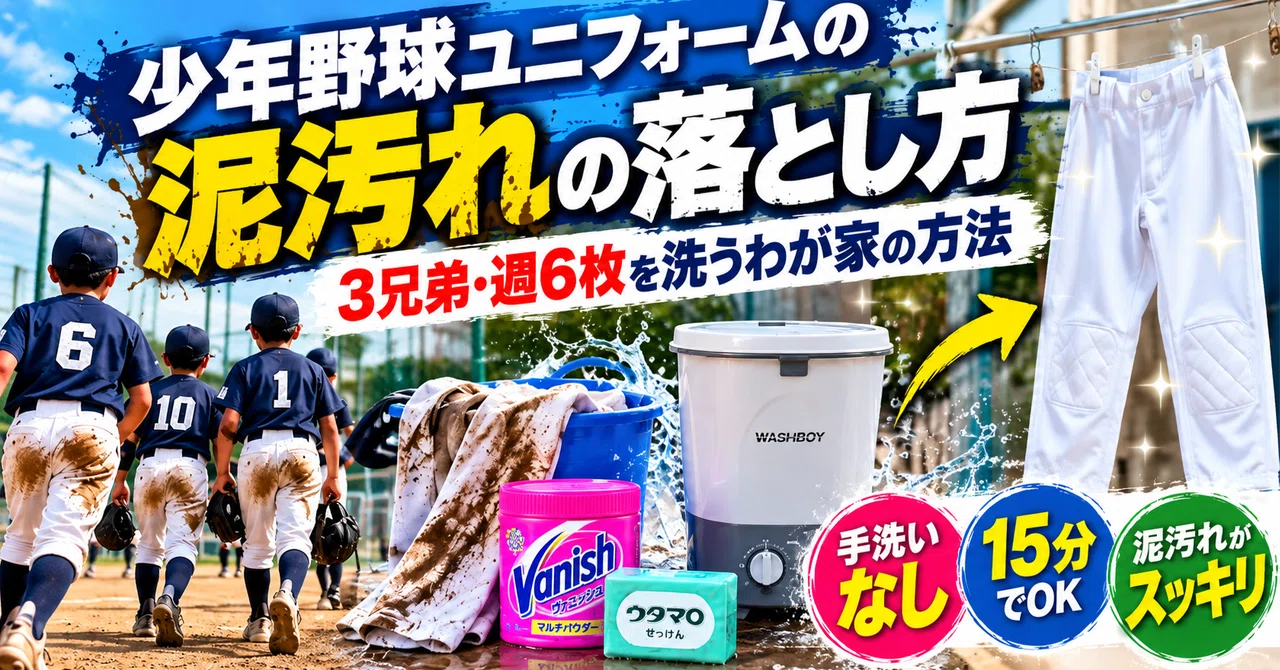
The sheer frustration of dealing with saturated clay has sparked intense discussion among parents and textile specialists. According to a detailed field dispatch by veteran youth sports caretakers in the note Report, managing six mud-caked baseball uniforms weekly proved nearly impossible until they abandoned direct water soaking entirely. Their findings mirror warnings long issued by professional laundry researchers: treating mud like a standard liquid spill is a costly procedural error that ruins durable garments well before their time.
📌 Key Takeaways:
- The Water Trap: Immediate rinsing turns loose topsoil into a liquid suspension, forcing clay micro-particles deep into yarn crevices through capillary action.
- The Dry-First Rule: Allowing mud to desiccate completely allows you to knock away roughly 70% to 80% of insoluble particulates mechanically before any liquid touches the weave.
- Chemical Reality: Oxygen bleaches and standard enzyme liquids fail on mineral soil because dirt is an insoluble particulate, not an oxidizable organic dye.
- Mechanical Friction: Targeted physical agitation with dense laundry bar soap and a stiff-bristled pre-wash brush outperforms long machine soak cycles every time.
The Physics of Insoluble Particulate Stains
Mud is fundamentally different from wine, grease, or sweat. Laundry chemistry categorizes soil into three distinct groups: water-soluble substances (like sugar), emulsifiable organic fats (like cooking oil or sebum), and insoluble particulate matter. Dirt, sand, and field clay fall squarely into the third category. They do not dissolve in water, nor do standard detergent enzymes digest them.
Mud consists of crushed silica, iron oxides, and organic humus ground down to sub-micron dimensions. When trousers brush against wet soil on a hiking trail or sliding into third base, these particles cling loosely to outer thread ridges. Applying water right away triggers capillary action. The moisture wicks into the fiber hollows, pulling insoluble clay grains straight into the twisted core of the thread. Once trapped inside the tight structure of cotton twill or polyester knit, surface friction holds the dirt in place permanently. Laundry researcher Rie Hirashima noted in an analysis for Yahoo Japan that consumers routinely waste money on harsh bleaching agents because they mistake physical dirt entrenchment for a chemical color stain.
Why Professional Cleaners Let the Mud Dry First
Dry mud removal sounds counter-intuitive to anyone taught to treat stains while fresh. Yet commercial cleaners specializing in athletic gear and outdoor workwear rely on complete dehydration as their primary defensive step. As mud loses its moisture, the binding tension between soil particles breaks down. The wet slurry shrinks, cracks, and forms a brittle, crusty shell resting on top of the textile rather than bonding within it.
To execute this extraction, leave the trousers hung in a well-ventilated space or hit them with a low-heat hairdryer until the mud turns pale and bone-dry. Once the moisture evaporates, hold the pants over a trash bin or outdoors and firmly clap the fabric against itself. A brisk clapping action snaps the textile fibers, popping the crust off the surface. Following up with a dry pre-wash brush technique, flicking outward with a stiff nylon brush, clears away the bulk of the dry earth. By the time water enters the equation, the volume of soil competing for fabric fiber penetration drops dramatically, eliminating the risk of spreading muddy rings across previously clean zones.
Deconstructing the Soil Extraction Spectrum
Different fabrics and mud densities demand specific mechanical workflows. Applying a heavy stiff brush to delicate dress wool shreds the weave, while a gentle hand-lotion approach on heavy synthetic baseball pants leaves red infield clay completely untouched.
| Fabric Category | Recommended Technique | Primary Cleaning Agent | Particulate Clearance Rate |
|---|---|---|---|
| Heavy Cotton / Denim | Bone-dry brush, followed by firm cross-grain friction | High-surfactant solid laundry bar soap | 88%, 95% |
| Synthetic Athletic Twill (Baseball/Soccer) | Dry percussion, hot-water bar scrubbing, nylon scour | Alkaline bar soap with optical brighteners | 92%, 98% |
| Technical Nylon / Shell Pants | Dry soft-bristle sweep, lukewarm targeted sponge wipe | Neutral liquid detergent pre-treatment | 80%, 86% |
| Fine Wool / Chino Slacks | Gentle suction or dry horsehair flick, cold sponge dab | Diluted pH-neutral delicate wash | 70%, 78% |
Why Solid Laundry Bar Soap Outperforms Liquid Detergent
Once the bulk dry crust is gone, a faint yellow or rust-colored footprint remains. At this stage, pouring standard liquid laundry detergent directly over the spot rarely yields clean results. Modern liquid detergents focus on dissolving body oils and suspending food grease in tepid water. They lack the localized friction and high fatty-acid density needed to physically lever micro-clays away from yarn.
Enter traditional solid laundry bar soap. Formulations like Utamaro, Fels-Naptha, or classic blue and white lard-based bars offer two decisive advantages: direct abrasive transfer and high alkalinity. Dampen only the stained patch of fabric with lukewarm water, rub the solid bar directly across the weave until a dense paste coats the area, and work the paste between your thumbs. The physical bar leaves behind a concentrated barrier of surfactants that surrounds individual sand and clay particles. As you scrub, these surfactants pull the micro-grit into a soapy suspension, preventing it from latching onto neighboring threads.
Oxygen Bleach Limitations on Mineral Earth
A widespread laundry myth insists that soaking muddy garments overnight in hot water with sodium percarbonate (oxygen bleach) solves everything. For organic sweat odors, protein-based food dribbles, or grass stains containing chlorophyll, oxygen bleach shines. For baseball uniform mud stains and red riverbed clay, it does very little.
Oxygen bleach works via a chemical oxidation reaction. It releases hydrogen peroxide, breaking double carbon bonds inside chromophores, the color-bearing components of organic stains. Mineral dirt contains no double carbon bonds. Iron-rich clay is already oxidized. Soaking clay-stained pants in an oxygen bleach bath for eight hours merely marinates the trousers in suspended silt, causing the white fabric to take on a dingy, permanent beige cast. Reserve oxygen bleach strictly for the secondary wash, where its role is to clear the yellow sweat oils and faint grass pigments lingering beneath the dirt layer.
Machine Wash Settings: Cold Water Rinses and Heavy-Duty Cycles
After mechanical dry brushing and targeted bar scrubbing, the garment is ready for the washing machine. Getting this final step wrong can undo all the previous work by redepositing loose particles across the load.
Never drop mud-treated clothes into an eco-friendly low-water cycle. Modern front-loaders often weigh clothes to minimize water use, leaving insufficient water volume to carry heavy particulates down the drain. Choose a heavy-duty cycle with a dedicated cold water rinse first. Cold water ensures that any residual organic matter mixed into outdoor mud does not cook into the fibers. The high water volume keeps floating silt suspended above the cloth, flushing it completely out through the drain pump. Once the initial rinse drains cleanly, let the machine run its regular warm or hot cycle to dissolve detergent residues and restore fiber brightness.
Frequently Asked Questions (FAQ)
Q1: What should I do if the mud is mixed with greasy road oil from rain puddles?
A1: Clear the dry crust first just as you would with garden soil. Once the dry dirt is brushed away, apply a drop of concentrated grease-cutting dish liquid directly to the dark grease spot. The dish soap breaks down industrial road oils, allowing your subsequent laundry bar soap treatment to pull out the mineral road grit without sealing the oil into the threads.
Q2: Will using a stiff brush ruin synthetic baseball or soccer pants?
A2: Athletic double-knit polyester stands up well to stiff nylon bristles. Avoid wire brushes completely, and brush along the grain of the knit rather than working in aggressive circles. On delicate dress chinos or raw denim, substitute the nylon brush for a horsehair shoe-shine brush or simply clap the fabric together to crack the crust without scouring the surface.
Q3: Can I run muddy trousers through the clothes dryer if a faint shadow remains?
A3: Absolutely not. The intense radiant heat of a tumble dryer permanently bakes residual iron oxides and clay micro-particulates into the yarn. Always line dry your trousers out of direct sunlight to inspect the results. If a faint shadow lingers, repeat the localized bar soap scrub on the dry fabric before exposing it to high heat.
The Physics of Clean Garments
Mud stains defeat households because human instinct demands instant washing. We treat dirt like blood or ink, assuming an immediate torrent of water rescues the garment. Textile mechanics prove the opposite. Dirt is a physical intruder, not a chemical dye. By letting mud dry completely, mechanically breaking its crust, and anchoring remaining residues with solid laundry soap, you protect the structure of the weave. Keep water out of the equation until the heavy lifting is done, and your garments will withstand years of rough, muddy wear.