Trade-In Trap: Why Your Exact Model and FeliCa Chip Matter Before Upgrading
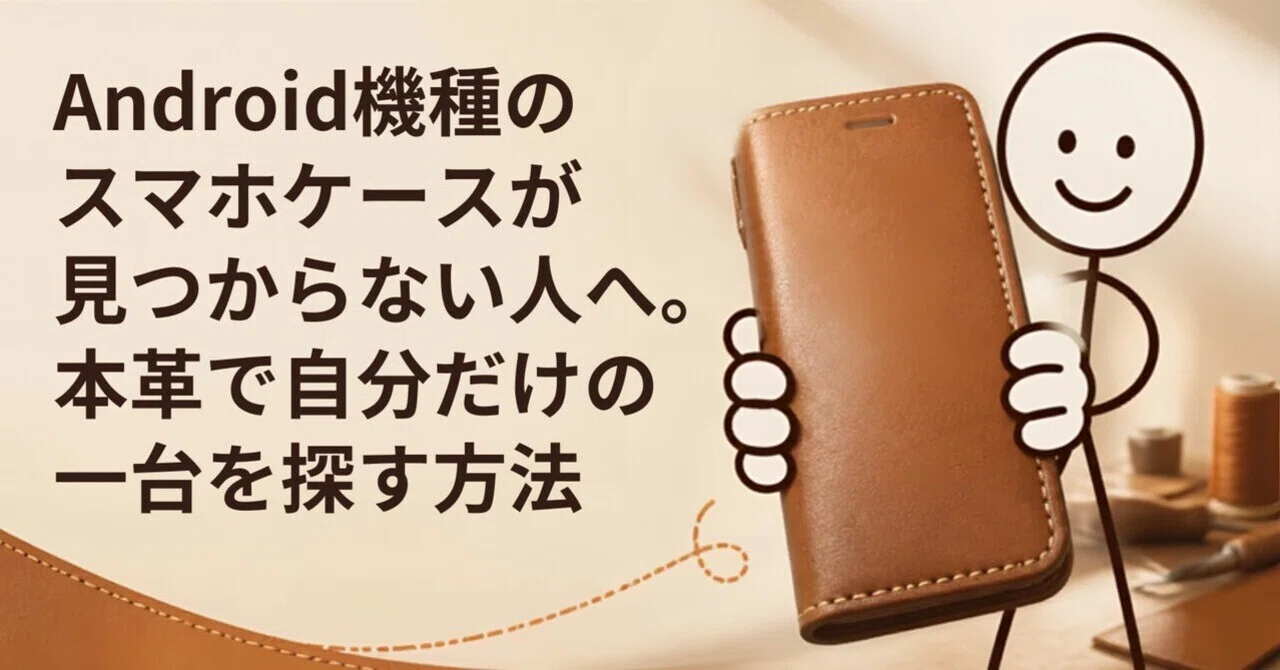
Every year, millions of smartphone owners attempt to sell or trade in their older devices, only to watch secondary buyback services slash their quotes by 30% to 50% on arrival. Two silent pitfalls cause most of this sudden depreciation: misidentifying carrier-specific sub-models and leaving encrypted mobile payment memory locked inside the hardware. As chronicled in a detailed field analysis from former mobile shop technician Hitoshi Ogami on note, even everyday accessories like protective cases vanish from retail shelves because subtle chassis variances between carrier variants break physical compatibility, a direct symptom of an fragmented secondary market.
A standard factory reset does not erase everything. While an iOS or Android hard reset wipes user accounts, photos, and downloaded apps, legacy contactless memory chips frequently survive the purge entirely intact. When an automated trade-in inspection facility scans that unit, an uncleared NFC secure element automatically flags the device as non-resellable or strips it of premium trade-in appraisal criteria.
📌 Quick Summary:
- The Trade-In Gap: Minor suffix differences in device model numbers can trigger a $40, $180 deduction if you misquote your hardware during buyback intake.
- The FeliCa Hurdle: Factory data resets leave the underlying Osaifu-Keitai and transit payment memory active on Japanese-spec hardware, reducing appraisal value to scrap prices if not deregistered beforehand.
- The Universal Fix: Validating your model through Settings, confirming your device serial number, and pulling IMEI identification via system dialer codes stops valuation clawbacks before you ship.
The Hidden Mechanics of Carrier Sub-Models and Resale Discrepancies
Device makers routinely produce distinct physical and internal variants under a single marketing umbrella. A consumer might believe they own a standard Sony Xperia 5 IV or a Samsung Galaxy S22, but the circuit board tells a different financial story. Carriers commission custom sub-models tailored to specific cellular bands, custom bloatware sets, and internal antenna configurations. In Japan and select global markets, Docomo, au, SoftBank, and open-market SIM-free distributors each assign their own identifier suffix to the same external shell.
These distinctions dictate component values. Carrier-specific sub-models often lack critical global 5G frequency bands or feature permanent bootloader restrictions that make them harder to export to overseas refurbishment centers. When an owner selects the generic flagship name on an automated buyback platform, the appraisal software assumes the open-market standard. Once the device arrives at an inspection hub and the technician reviews the motherboard designation, the buyback company automatically downgrades the payout, leaving the seller with an unexpected resale value discrepancy.
Physical tolerances also suffer. Minor variations in frame thickness, camera bump placement, and microphone pinholes prevent cross-compatibility between accessories. As retail shops phase out inventory for older devices, owners who rely on consumer marketing names find that aftermarket protective shells simply do not fit.
The FeliCa Trap: Why a Standard Factory Reset Fails Trade-In Audits
A routine operating system reset clears flash storage partitions, but it stops short of the hardware security module that powers Sony's FeliCa architecture. Integrated into regional iPhones and Android handsets across Japan, this high-speed radio chip powers Osaifu-Keitai services, Mobile Suica, and PASMO transit integrations. It operates on an isolated secure element that deliberately ignores Android and iOS OS-level wipe commands to prevent unauthorized tampering.
If you perform a general factory reset while an active or zero-balance transit card link sits inside that chip block, the hardware block remains flagged as "in use." Refurbishment facilities cannot wipe this isolated chip block without expensive specialized carrier diagnostic equipment or deep-level service authorization. Major trade-in platforms, second-hand merchants like Iosis and Sofmap, and carrier recycling trade programs classify a locked FeliCa module as an uncleared payment instrument. The financial penalty is swift: inspection teams reject the device outright or slash the purchase price down to salvage parts value.
Resolving this requires manual de-registration before triggering any operating system wipe. Android users must launch the native Osaifu-Keitai app, navigate to support settings, and confirm that the chip memory counter reads "00 blocks." On modern iPhones, users must remove every payment card, loyalty pass, and transit ticket directly from Apple Wallet, which instructs Apple's servers to de-link the FeliCa secure element prior to initiating an iCloud sign-out.
Verifying Exact Hardware Specifications: A Cross-Platform Audit
Determining your exact model code takes seconds if you bypass retail labels and consult the underlying system menus directly. Relying on product packaging or purchase receipts is notoriously unreliable, as retailers frequently print marketing names instead of true internal part numbers.
| Device Ecosystem | Verification Path | Critical Data Point | Trade-In Risk Level |
|---|---|---|---|
| Apple iOS | Settings > General > About | Model Number (A-prefix, e.g., A2893) | Low (Requires Wallet de-link) |
| Android (Global) | Settings > About Phone | Hardware Model & Build Number | Medium (Carrier band lockouts) |
| Android (Japan / FeliCa) | Settings > About Phone + Osaifu App | Carrier Sub-code & Memory Block Status | Severe (Complete appraisal drop) |
| Universal Dial Check | Phone Dialer > Type *#06# | 15-Digit IMEI & Serial Number | High (Network blacklist risk) |
On an iPhone, open Settings > General > About. Tapping once on the alphanumeric string shown in the "Model Number" field toggles it from a sales inventory code (such as MQ023J/A) to a true hardware identifier starting with "A" followed by four digits (such as A2893). This A-number reveals your unit's regional cellular band design and whether physical SIM trays or eSIM-only profiles are supported.
For Android users, open Settings > About Phone. Examine the specific "Model" entry rather than the generalized "Device Name," which is often editable by the user. Look closely at the Android build number and regulatory information. Carrier-branded variants display designated prefixes: NTT Docomo models typically carry an "SO-", "SC-", or "SH-" prefix followed by a numeric designation, au uses specific "SOG" or "SCG" markers, and SoftBank assigns unique alphanumeric tags. Cross-referencing this against your device serial number confirms whether your handset is an open-market model or a carrier-locked derivation.
IMEI Identification and Carrier Network Restrictions
Every cellular-connected mobile phone possesses a unique 15-digit International Mobile Equipment Identity. This code serves as the universal fingerprint for telecommunications networks, insurance verification, and law enforcement databases. Accessing it does not require browsing complex menu directories: simply launch your phone's dialer application and type *#06#. An automated screen immediately displays your device's IMEI and serial number without requiring you to hit the call button.
Trade-in appraisal criteria rely heavily on your IMEI status. Refurbishers query domestic carrier registry databases to verify network lock status and check for outstanding installment payment plans. In Japan, this is tracked using standardized network restriction status markers:
- Status Circle (○): All equipment financing plans are completely paid off. The phone is eligible for highest-tier cash buyback pricing.
- Status Triangle (▲): The hardware remains on an active monthly payment plan or finance contract. Buyback shops cut valuations by 20% to 50% or refuse the phone entirely, as failure to complete installments triggers a remote network blacklist.
- Status Cross (×): The device is actively blacklisted due to unpaid balances, contract defaults, or verified theft reports. Resale value drops to zero.
Always input your IMEI into carrier verification tools across major telecommunications providers before shipping your device to an appraiser. Unresolved payment flags can void trade-in quotes without notice.
Ensuring Physical Accessory and Replacement Part Compatibility
Model misidentification creates headaches long before you decide to sell your phone. As aftermarket accessory manufacturing shifts dynamically based on device lifecycles, precise dimension tolerances become critical. Even a 0.3-millimeter difference in lens housing or power button alignment prevents a protective case from snapping into place.
Third-party manufacturers target global variants of bestselling flagships first. When a consumer with a domestic carrier-exclusive phone purchases a mass-market accessory online, misaligned port cutouts, blocked noise-canceling microphones, and distorted camera openings are common. Verifying your exact hardware code before ordering screen protectors or protective shells eliminates costly returns and avoids premature micro-scratches on display glass that could ding your appraisal rating later.
Frequently Asked Questions (FAQ)
Q1: Why did my trade-in value drop after I already did a full factory reset?
A1: The most common culprit is an active FeliCa secure element or an active network restriction status. If transit or payment memory remains registered inside the hardware chip, automated testing racks mark the phone as uncleared. Similarly, having an active installment plan linked to your IMEI automatically downgrades the device tier.
Q2: How do I check if my Android phone's FeliCa chip is completely cleared?
A2: Open the native Osaifu-Keitai app installed on the device. Tap the top-left menu, navigate to "Memory Usage Check" (or equivalent diagnostic tab), and verify that the used blocks counter reads "0". If any service shows active blocks, you must open the associated payment or transit app and transfer or delete that card profile before wiping the operating system.
Q3: Will unlocking my carrier SIM lock automatically change my phone's model number?
A3: No. Unlocking a SIM lock allows the device to read network profiles from other carriers, but it does not change the physical hardware model or underlying firmware string. Carrier-specific features, cellular antenna configurations, and boot screens remain tied to the factory-issued model number permanently.
Smarter Upgrades and Resale Protection
Maximizing the return on your current hardware requires shifting away from marketing assumptions and looking directly at hardware diagnostics. A modern smartphone is an assembly of isolated secure modules, unique band transceivers, and regional firmware layers. Approaching an upgrade without checking your underlying model variant or ignoring contactless secure chip clearance costs real money at appraisal time. Dial *#06#, confirm your A-code or Android hardware model in settings, clear payment secure elements at the root level, and protect your return before handing over the hardware.