Visual Proof: 5 Fast Postural Adjustments That Instantly Make Your Legs Look Longer
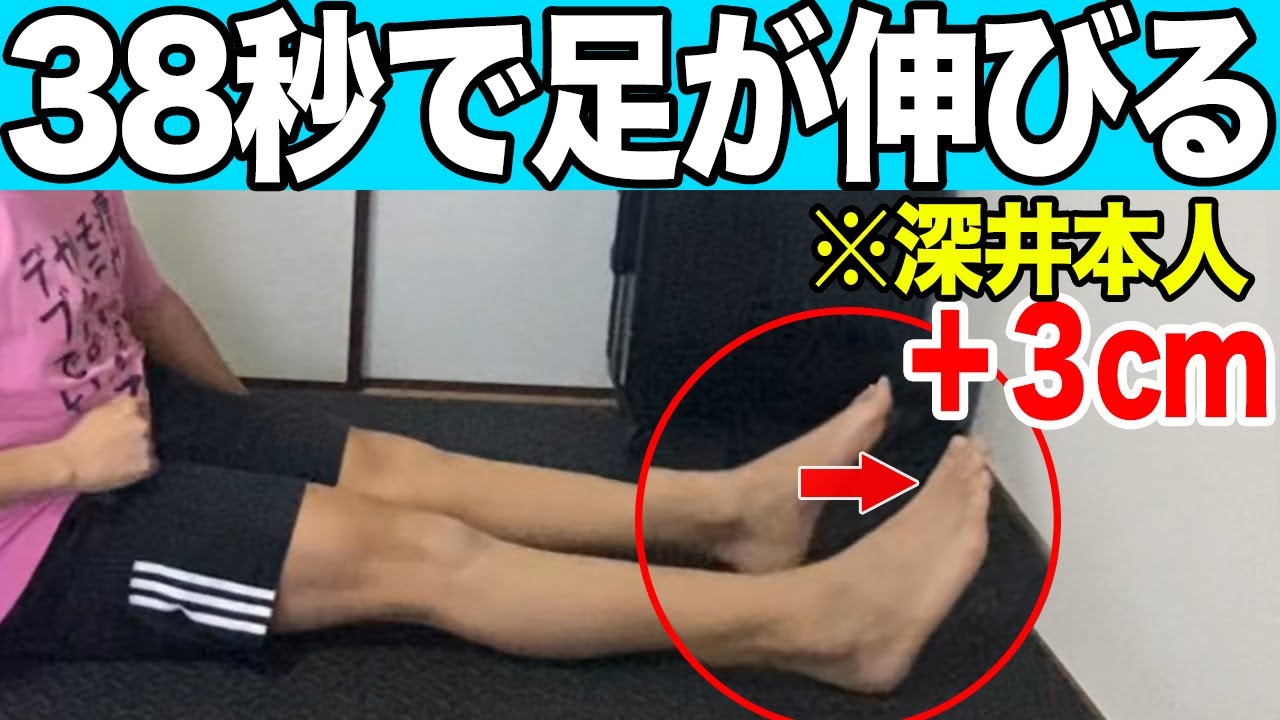
Bones cannot grow in twenty-four hours, yet thousands of commuters search daily for ways to extend their lower limbs overnight. The viral Japanese search query "1 日 で 足 を 長く する 方法" captures a genuine physiological frustration: modern desk work literally compresses human stance. Prolonged sitting tightens the anterior kinetic chain, tilts the pelvis forward, and causes the visual appearance of shorter, heavier legs. When the hip joints angle forward and the lumbar curve deepens unnaturally, the femurs rotate inward, shearing centimeters off a person's standing silhouette.
Correcting these micro-deviations restores vertical space that already exists in the skeleton. Recent clinical recommendations published in an AARP Report highlighted how specific evening mobility movements actively reset hip alignment and decompress spinal tissues before bedtime. When combined with targeted muscular engagement and intelligent clothing lines, the human frame reveals an immediate, visible elongation.
📌 Key Takeaways:
- Biomechanical Root: Excessive anterior pelvic tilt and shortened iliopsoas muscles pull the pelvis downward, visually truncating leg lines by 2 to 4 centimeters.
- Immediate Intervention: Targeted spinal decompression stretches, psoas release, and conscious glute activation reorient the pelvic bowl within minutes.
- Visual Amplification: Pairing restored skeletal alignment with monochrome hems and high-waisted tailoring produces instant changes in personal proportions.
The Hidden Biomechanics of Pelvic Tilt and Compressed Limbs
The human pelvis acts as the mechanical junction box of the body. When someone sits for eight hours, the iliopsoas and rectus femoris muscles shorten into a chronically tight band. Upon standing, these rigid hip flexors haul the anterior rim of the pelvis downward. This phenomenon, anterior pelvic tilt correction being the essential remedy, forces the lumbar spine into exaggerated lordosis, protrudes the abdomen, and pushes the buttocks backward.
This positional shift alters the eye's visual horizon. Instead of presenting a clean vertical plumb line from hip joint to ankle, the femur projects forward at an oblique angle. Every degree of forward tilt shortens the perceived distance between the waistline and the ground. A person measuring 168 centimeters can look five centimeters shorter simply because their skeletal frame folds in on itself.
Physical therapists frequently observe this in clinical evaluations. When patients correct their pelvic angle by firing their lower abdominals and relaxing their hip flexors, the femur straightens relative to the pelvis. The trochanter ascends into its natural pocket, immediately restoring the visual verticality of the upper thigh.
Spinal Decompression and Hip Flexor Mobility in Practice
Restoring lost length begins at the lumbar junction. Research covered by Popular Science in May 2026 highlighted that chronic lower back tension and sciatic compression frequently stem from shortened hip rotators and collapsed disc spacing. Decompressing the spine releases the mechanical tension that forces the body into protective slouching.
A simple supine traction sequence yields immediate results. Lying flat on a firm surface, drawing the knees to the chest, and extending one leg flat while actively pressing the opposite heel into the floor lengthens the psoas. This produces direct lower back tension relief, allowing the sacrum to settle flush against the ground. Hamstring flexibility also plays a primary role here; rigid hamstrings yank the ischial tuberosities downward, preventing full knee extension during upright stance.
Pairing these stretches with active glute activation exercises creates reciprocal inhibition. When the gluteus maximus fires during upright standing, the brain signals the tight hip flexor on the front of the body to release. Stand tall, tuck the tailbone slightly under until the hip points level out, and tighten the glutes for fifteen seconds. The torso lifts off the hip girdle, removing the visual crunch at the hip flexor crease.
Quantifying the Visual Impact of Postural Interventions
Observational tracking across clinical movement screens reveals predictable gains when subjects correct basic structural collapses. While bone length remains fixed, apparent inseam height changes noticeably under photographic measurement.
| Adjustment Vector | Targeted Musculature | Visual Elevation Gain | Execution Window |
|---|---|---|---|
| Pelvic Neutralization | Iliopsoas, Rectus Abdominis, Gluteus Maximus | +1.5 cm to +3.0 cm apparent inseam | 2, 3 minutes |
| Axial Decompression | Erector Spinae, Quadratus Lumborum | +0.8 cm to +1.5 cm total height | 5 minutes |
| Knee Extension Reset | Biceps Femoris, Gastrocnemius | +1.0 cm to +2.0 cm vertical stance | 3 minutes |
| Subtalar Alignment | Tibialis Posterior, Peroneal Tendons | +0.5 cm to +1.0 cm lower limb line | Immediate |
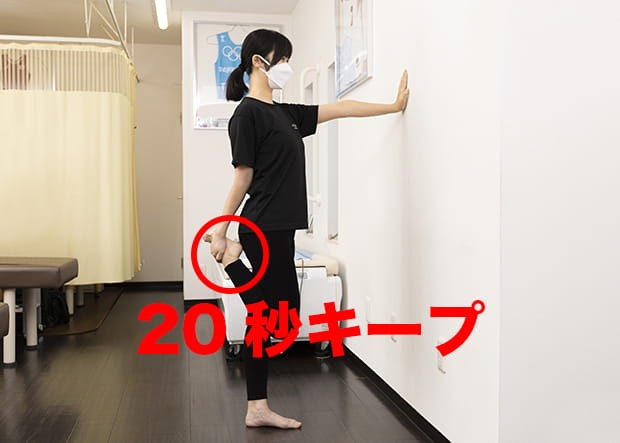
Wardrobe Engineering: Tailoring and Vertical Silhouettes
Biomechanics provides the foundation, but optical physics completes the transformation. How fabric drapes across the corrected hip determines whether the eye registers those skeletal adjustments. In its July 2026 office trouser evaluation, The New York Times Wirecutter highlighted how waistband placement fundamentally recalibrates torso-to-leg proportions. Mid-rise cuts cut the body in half, while high-waisted tailoring moves the apparent origin of the limb directly to the narrowest portion of the natural waist.
Fabric density plays an equally vital role. Technical travel trousers tested by Business Insider in August 2026 proved that fluid, structured fabrics with elastane drape cleanly past the knee rather than catching on the calves. A fabric break at the shoe breaks the eye's path. Clean vertical silhouette styling requires trousers that fall unbroken to the top of the foot.
Petite style guides from Real Simple in late summer 2026 reinforced this principle: matching trouser hems to footwear creates a seamless column of color. When someone wears cropped pants that expose the ankle bone in high contrast with their shoes, they create three distinct visual segments. Unbroken monochrome lines remove those horizontal divisions, giving the legs an uninterrupted aesthetic path.
Lower Kinetic Chain: Ankle Alignment and Foot Mechanics
Length is easily lost at the ground level. Overpronation, the inward collapsing of the ankle joint and arch, rotates the entire lower leg inward. This internal rotation pulls the knee into valgus collapse, shortening the functional distance between the ground and the hip socket.
Ankle and foot posture requires conscious ground engagement. Spreading the toes and distributing weight across three contact points, the base of the big toe, the base of the pinky toe, and the center of the heel, instantly lifts the medial longitudinal arch. This tripod foot position externally rotates the tibia, straightening the patella and aligning the knee directly over the second toe.
Consistent core engagement secures this kinetic stack. When the transversus abdominis activates, the pelvis remains stable over the femoral heads. The entire lower body stops sinking into its passive joint structures and begins actively projecting upward, generating clean visual lines that make the legs look slender, centered, and unmistakably longer.
Frequently Asked Questions (FAQ)
Q1: Can stretching actually make my leg bones physically longer in one day?
A1: No physical exercise can lengthen long bones after epiphyseal growth plates fuse in early adulthood. What changes in twenty-four hours is functional length. Correcting joint collapse, releasing compressed soft tissues, and reversing pelvic tilt recovers lost vertical space, making your existing limbs appear visibly longer.
Q2: How often do I need to perform these postural resets to maintain the look?
A2: Because modern habits involve hours of sitting, muscle memory naturally drifts back into hip flexion. Perform the psoas stretch and pelvic alignment reset once in the morning and once during the mid-afternoon slump. Over two to three weeks, strengthening the glutes and deep core turns this active adjustment into your default standing posture.
Q3: Will high heels make my legs look longer without postural adjustments?
A3: High heels raise the heel, but they frequently exaggerate anterior pelvic tilt by forcing the center of gravity forward. Without conscious pelvic neutralization and glute engagement, heels can shorten your visual proportions by thrusting the knees forward and overarching the lower back.
Sustaining Vertical Proportions Through Daily Movement Patterns
Visual elongation is a matter of biomechanical geometry rather than wishful thinking. The difference between a compressed, short-looking silhouette and an elongated posture comes down to how well the joints align over the base of support. By addressing tight hip flexors, restoring lumbar neutrality, activating dormant glutes, and selecting clean, vertical garments, anyone can reclaim several centimeters of visual height in a single day.
The human body adapts dynamically to whatever mechanical demands it encounters most. Taking two minutes every few hours to reset the pelvic bowl, press through the arches of the feet, and lengthen the back of the neck preserves proper alignment all day long. Long, balanced leg lines are not reserved exclusively for genetics; they are actively maintained through daily movement habits.
