1.6M Views Can't Be Wrong: Proof This No-Tie Boot Lacing Hack Actually Stays Tight

Factory boot laces present an annoying engineering paradox: they are deliberately manufactured several inches too long to accommodate wide calf circumferences, yet left dangling on average feet, they drag through street grime, fray under tread heels, and unravel constantly. Cutting them destroys the factory aglet and risks progressive structural fraying. Stuffing massive loops into your socks leads to painful ankle abrasions after two miles of walking.
Footwear retail giant ASBee presented a mechanical answer through its official channel that went viral across international gear communities. As documented in a recent MSN Report, the Japanese chain showcased a specific no-tie shoelace hack using a writing pen to twist and lock excess cordage into a tight spiral. The instructional clip surpassed 1.6 million views by solving an age-old issue: it allows wearers to shorten long boot laces without cutting, eliminates visible knots, and maintains structural foot tension.
📌 Key Takeaways:
- The Viral Method: ASBee demonstrated a pen-assisted four-loop wrap that converts loose cord into an internal friction coil, eliminating exterior bows while securing heel lock.
- The Structural Problem: Standard boot cords span between 54 and 72 inches, leaving 10 to 18 inches of hazardous excess slack when eyelets are spaced closely.
- Functional Application: Unlike elastic conversions that ruin lateral ankle support, mechanical eyelet friction locking preserves ankle safety during daily wear while enabling slip-on convenience.
How the 1.6-Million-View Pen Coil Method Works
The viral technique avoids exterior loops entirely. The process relies on creating an engineered cord spiral anchored right against the upper eyelet face.
To execute the wrap, insert a rigid cylindrical object, a standard ballpoint pen or wooden dowel works best, flat against the tongue leather alongside the final inside eyelet. Take the trailing lace and wrap it cleanly around the shaft 4 times, moving outward toward the lace tip. Thread the working aglet back through the center of those coiled loops, slide the pen out, and pull the lace end firmly.
The resulting structure functions as an adjustable barrel knot. The outward wraps create opposing friction against the cord core. When tension pulls from the footbed during movement, the coils squeeze tighter against the metal eyelet rim instead of slipping loose. The leftover cord drops cleanly behind the tongue without bunching against the ankle bone.
Why Standard Knotting Fails on Heavy Footwear
Standard footwear knots rely on equal surface tension across flat or textured synthetic weaves. Boots do not operate like running shoes. Thick leather uppers resist bending, flexing outward with significant hydraulic force as you take a step.
Round braided nylon cords, common on heritage utility boots, possess very low coefficients of surface friction. A standard double bow knot unties itself under repeated impact shock cycles as the leather quarters spread apart. Hikers often respond by yanking the knot twice as hard, cutting off blood flow to the dorsal nerves on top of the foot.
The alternative, wrapping excessive lace length entirely around the exterior ankle collar, causes severe collar creasing and restricts calf flex. This military boot lace wrap style works during tactical field marches with high-shaft combat boots, but on 6-inch heritage work boots, it simply shreds the upper edge lining and catches on pant cuffs.
Field Comparison: Boot Lacing and Retention Methods
Managing cord slack requires trade-offs between tension adjustability, knot security, and rapid entry. The following data highlights how dominant field configurations perform under active load.
| Lacing Technique | Slack Reduction (Inches) | Heel Security | Entry Speed |
|---|---|---|---|
| Standard Bow Knot | 0 in (Creates external loops) | Moderate | Slow (Manual untie) |
| ASBee Pen Barrel Coil | 8, 14 in stored in coil | High (Friction locked) | Fast (Slip-on capable) |
| Collar Ankle Wrap | 10, 16 in wrapped around shaft | Extreme (Restricts flexion) | Very Slow |
| Hidden Under-Insole Anchor | 6, 12 in redirected downward | Low (Prone to shifting) | Fast |
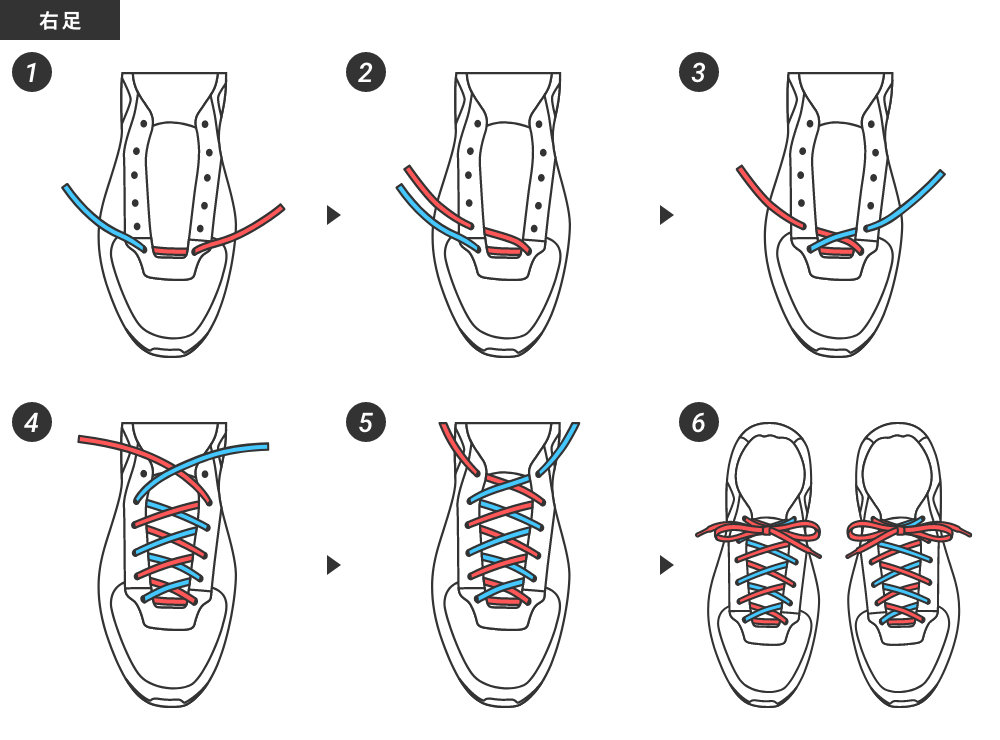
Work Boots Versus Heritage Combat Silhouettes
Implementing an excess shoelace tuck or an eyelet friction lock depends directly on your boot's tongue design and hardware structure.
On heavy work boots featuring steel toes and thick oil-tanned leather, the quarters rarely draw close together. Gusseted tongues, sewn along the edges to keep water and mud out, pack considerable bulk against the bridge of the foot. Attempting a hidden knot lacing trick directly behind a gusseted tongue can cause hot spots. In these boots, use the lock lacing method across the lower speed hooks to pin the heel back, then apply the coiled anchor through the top eyelet to shorten the line.
Unlined combat boots and soft suede desert shoes behave differently. Their thinner uppers sit flush against the ankle, allowing the lace to cinch closer. For these profiles, an inside-facing shoelace anchor method eliminates bulky cord silhouettes, giving vintage combat silhouettes a clean profile while retaining lateral ankle stability.
Turning Heavy Lace-Up Boots into Slip-On Footwear
The underlying appeal behind the ASBee hack is the functional slip-on boot conversion. Boot owners hate spending two minutes unlacing stiff eyelets at the door, particularly in cultures where shoes come off inside residences.
[Outside Eyelet]
│
(Pen Coil) ── 4 Wraps around lace core
│
[Eyelet Gasket] ── Friction Anchor Face
│
[Interior Tongue] ── Residual Tail Tucked Inside
A proper tension anchor lets you set a static balance. Lace tension remains fixed through the vamp, the lower zone over the toes, preventing forefoot slide. The uppermost two eyelets maintain just enough elasticity across the leather quarters to permit your heel to slide in with a boot horn, snapping firmly into the counter once your foot settles.
This setup fails if the heel counter has broken down. If a boot lacks a stiff internal heel counter, bypassing manual knot cinch causes excessive heel slippage, which will shred heel socks and cause severe blisters.
Who Should Use Coiled Anchor Systems
Anchor techniques deliver the best results when matched to the right footwear styles and user habits:
- Six-inch service boots, heritage work wear boots with speed hooks, unlined tactical boots, and low-profile leather field shoes.
- Urban commuters who frequently transition indoors, workers who want clean aesthetics without dragging cords, and people dealing with oversized aftermarket laces.
- Heavy industrial job sites requiring OSHA-rated safety closures, deep mountain backpacking across scree fields, and athletic trail running where midfoot tension must flex constantly.
Frequently Asked Questions
Q1: Will wrapping my boot laces around a pen damage or kink the cord permanently?
A1: Standard braided nylon, polyester, and waxed cotton cords will develop gentle waves where the coils compress, but these work out easily when washed or tensioned by hand. Rawhide leather laces should avoid this technique; dry leather will crack under high-radius four-loop pen coils.
Q2: Why not just cut the excess length off the boot laces and melt the ends?
A2: Trimming eliminates the factory aglet, leaving an untapered end that unravels during relacing. While synthetic cords can be melted with a lighter, the resulting plastic bead is brittle, rough, and frequently too wide to fit through narrow metal eyelets on dress and heritage boots.
Q3: Does the hidden coil create painful friction against the top of the ankle?
A3: Positioned correctly, the coil rests directly against the outer exterior face of the eyelet, not against your skin. If you tuck the residual lace tail behind the tongue, make sure it routes straight down the smooth lateral channel beside the tongue fold to prevent direct contact points.
Managing Footwear Tension for Daily Wear
Footwear engineering often overlooks cord management, treating laces as an afterthought. Understanding mechanical friction methods changes how your footwear feels and performs. By using the structural stiffness of the eyelets themselves rather than weak external loops, you resolve lace slack cleanly without sacrificing the durability of uncut cords. Try the barrel coil on your daily pair, dial in the instep tension, and retire floppy floor-dragging bows for good.