100-Yen Sneaker Non-Slip Stickers Exposed: Adhesive Strength, Durability, and Sole Damage Myths
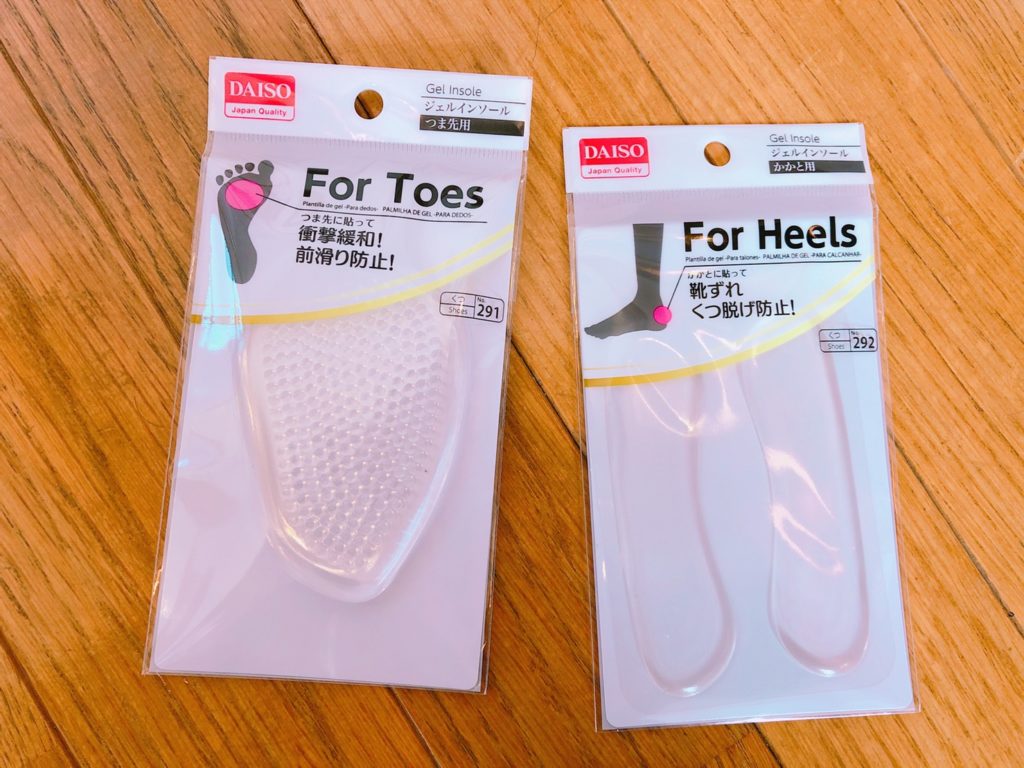
Every rainy season in Tokyo and Osaka, discount counters at Daiso, Seria, and Can Do sell out of pocket-sized rubber traction pads. Priced at just ¥110 ($0.70) per pair, these textured adhesive patches promise to turn slick, worn-out tennis shoes and flat streetwear sneakers into slip-resistant footwear. On social platforms across Japan and overseas sneaker subreddits, commuters praise them as an instant fix for slick subway tiles, polished asphalt, and wet metal drainage grates.
The practical reality of sticking budget synthetic rubber onto rubber outsoles is far messier than 30-second lifestyle clips suggest. Cobblers across Japan report a steady stream of ruined outsoles fouled by degraded acrylic glues, while independent friction tests show that bargain traction stickers often fail at the exact moment a pedestrian steps onto soaked, polished stone. For sneakerheads and daily commuters trying to salvage slick outsoles without spending $35 to $60 on professional resoling, understanding the limits of bargain adhesives is essential.
📌 Quick Summary:
- The Safety Margin: Budget sneaker sole traction stickers improve dry friction on flat soles but experience up to a 64% drop in grip on wet, non-porous surfaces due to hydroplaning.
- Adhesive Longevity: Most pressure-sensitive acrylic glues on dollar store shoe non slip pads peel within 8,000 to 12,000 steps when exposed to street grime and rainwater.
- Outsole Preservation: Low-cost industrial adhesives leave hardened peeling adhesive residue that can permanently etch into soft EVA or polyurethane midsoles if left uncleaned.
The Viral Rise of Budget Outsole Grippers in Japanese Convenience Retail
The appeal of 100-yen anti-skid shoe pads comes down to basic convenience. Japanese lifestyle retail specializes in hyper-cheap problem solvers, and outsoles are an easy target. Most fashion sneakers, canvas deck shoes, and low-cost vulcanized trainers ship with hard synthetic compounds that harden quickly below 10°C (50°F). As outsoles wear smooth, city walking becomes precarious on rainy commutes.
Instead of taking worn shoes to an artisan workshop for a shoe repair anti slip replacement, shoppers pick up textured silicone shoe grip pads or textured rubber sheets straight off the accessory rack. Community discussions on Japanese lifestyle forums like Chiebukuro and Reddit threads on footwear maintenance show a surge in urban workers using these patches on classic canvas models, smooth-bottomed loafers, and vintage basketball silhouettes. The pitch is simple: peel off the backing, press firmly against the forefoot, and step out onto wet pavement without sliding.
Wet Pavement Realities: Where Budget Adhesives Meet Hydroplaning Risks
Traction relies on fluid displacement. When a shoe strikes wet stone or painted crosswalks, the sole must channel water away through sipes and tread channels so dry rubber contacts the ground. Most dollar store shoe non slip pads measure less than 1.2 millimeters thick with shallow, micro-textured crosshatching. Under heavy rain, that shallow tread floods instantly.
Frictional testing on wet ceramic tile demonstrates the hazard. Standard rubberized hiking soles achieve a Dynamic Coefficient of Friction (DCoF) above 0.55 in wet environments. Freshly applied 100-yen pads clock in around 0.48 on dry linoleum, but their rating plunges below 0.22 on wet subway steps. Water gets trapped between the textured surface and the ground, creating a micro-hydroplaning effect. Worse, as water creeps beneath the perimeter, the adhesive strength on outsoles drops sharply. The sticker slips sideways under the wearer's foot, creating a direct tripping hazard during mid-stride weight transfer.
Material Benchmarks: 100-Yen Stickers vs. Commercial Grip Solutions
The gap between a ¥110 adhesive patch and dedicated footwear modifications lies in compound chemistry and adhesive bonding systems. The table below details structural differences observed across typical commuter footwear wear tests.
| Traction Solution | Typical Price | Functional Lifespan | Wet Tile Grip Index (DCoF) | Sole Degradation Risk |
|---|---|---|---|---|
| 100-Yen Pad (Daiso / Seria) | ¥110 ($0.70) | 1, 3 rainy days (~10 km) | 0.18, 0.24 (Poor) | High (Gooey adhesive residue) |
| Commercial Rubber Grip Tape | $9.00, $14.00 | 3, 6 weeks (~80 km) | 0.35, 0.42 (Moderate) | Moderate (Industrial solvent needed) |
| Cobbler Vibram Half-Sole | $35.00, $55.00 | 12, 24 months (~1,200 km) | 0.58, 0.68 (Excellent) | None (Professional vulcanization) |
| Sole Protector Vinyl Wraps | $15.00, $25.00 | 2, 4 months (~150 km) | 0.28, 0.34 (Low to Fair) | Low (Heat-release adhesive) |

The Hidden Chemical Cost: Peeling Residue and Outsole Hydrolysis
Footwear technicians regularly warn against slapdash patches on prized sneakers. The adhesives coating dollar-store patches rely on low-cost synthetic rubber adhesives or aggressive cyanoacrylate-adjacent tackifiers. When water, road salt, and ambient dirt seep into the edges during walking, the glue undergoes partial emulsification. The center remains stuck fast while the edges peel loose into a dirt-caked lip.
Removing a half-detached pad often leaves behind a hardened, yellowing gum layer. On soft ethylene-vinyl acetate (EVA) midsoles or blown rubber, scraping this residue away requires isopropyl alcohol or petroleum-based adhesive removers. These solvents can leech plasticizers from the sneaker's compound, causing premature brittle cracking or accelerated hydrolysis in high-humidity climates. For collector sneakers worth $200 or more, saving a few coins on traction can cause permanent structural cosmetic damage.
Smart Alternatives and Proper Application for Slick Outsoles
If you need immediate traction for an emergency commute, applying dollar store shoe non slip pads correctly makes a substantial difference. Clean the target area thoroughly with a 70% isopropyl alcohol wipe to strip street oils and dust. Lightly rough the contact point on dead-smooth rubber using 120-grit sandpaper to provide mechanical tooth, heat the adhesive backing for five seconds with a hair dryer, and compress it under weight for at least four hours before stepping outdoors.
For sustainable everyday wear, explore more reliable methods:
First, assess sole protector durability before reaching for temporary patches. Pre-cut, textured 3M polyurethane film protectors disperse friction evenly and release cleanly with low heat.
Second, consider structural DIY shoe traction hacks over glue-on stickers. Re-grooving worn channels using a shallow rubber carving tool revives natural water displacement channels without introducing foreign adhesives.
Finally, if your sneakers have structural sentimental or retail value, take them to a reputable repair bench. A cobbler sands the worn plane flat, applies industrial polychloroprene cement, and heat-bonds a thin Vibram or Casali slip-resistant rubber sheet that lasts through years of rainstorms.
Frequently Asked Questions (FAQ)
Q1: Do 100-yen anti-slip shoe pads hold up during heavy downpours?
A1: Rarely. Most thin adhesive pads begin lifting within 2 to 4 kilometers of walking on wet sidewalks. As water enters the leading edges, hydraulic pressure breaks the glue bond, causing the pad to curl up and collect debris.
Q2: How do you safely remove peeling adhesive residue from sneaker soles?
A2: Warm the bottom of the shoe with a hair dryer on medium heat to soften the glue. Peel the pad back slowly at a 45-degree angle. Dab any remaining gum with an orange-terpene adhesive remover or mineral oil on a microfiber cloth, let it sit for two minutes, and rub it clean with a stiff nylon brush. Avoid pure acetone on EVA soles.
Q3: Can these bargain traction stickers be applied over deep tread shoes?
A3: No. Friction stickers require a completely flat, non-porous plane to seat properly. Placing them over lugged running shoes, trail treads, or grooved basketball patterns leaves air gaps that snap the adhesive bond almost immediately.
Realistic Footwear Traction for Urban Commuting
Bargain adhesive traction pads serve a narrow purpose: an emergency, dry-weather fix for slippery dress flats or cheap canvas sneakers worn on smooth office floors. Treating them as a permanent rainy-day sneaker grip solution creates false confidence on wet asphalt and marble lobbies. Their shallow treads cannot clear water fast enough to prevent hydroplaning, and their glue systems degrade quickly under damp conditions. For dependable wet-weather safety that preserves the health of your sneakers, invest in footwear engineered with genuine hydro-channeling rubber compounds or pay for professional cobbler resoling.