30-Year Plant Shop Veteran Reveals Why Money Tree Leaves Dry Out
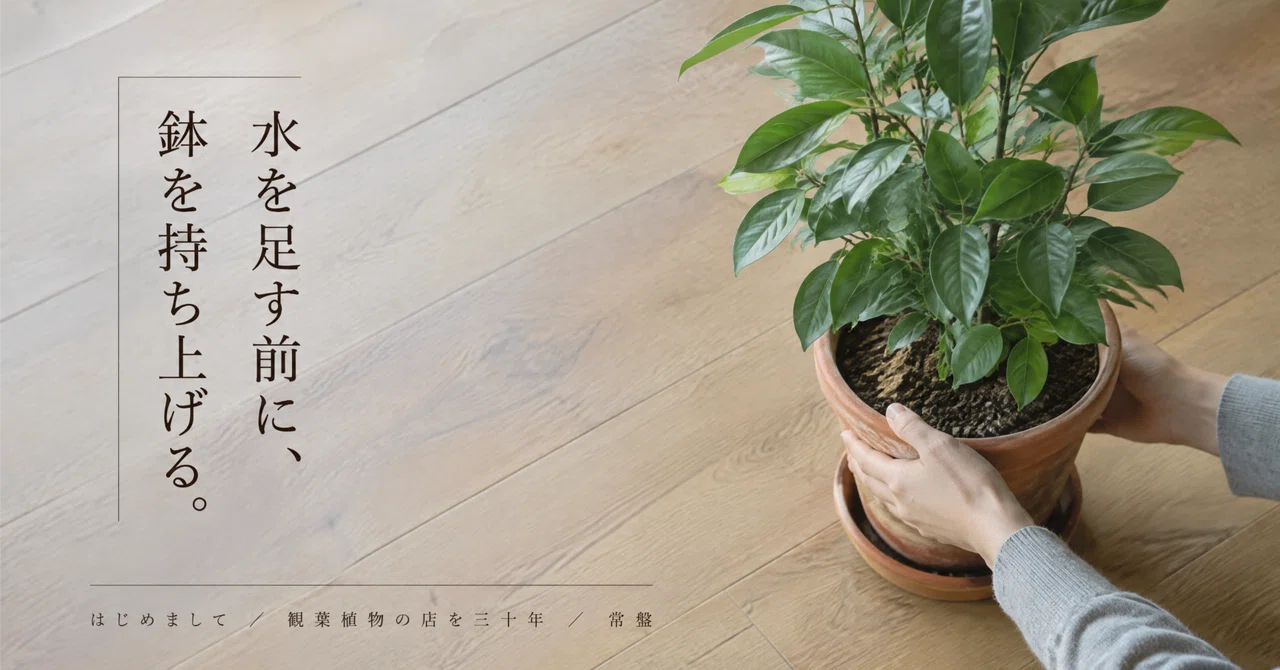
Six months after bringing home a vigorous Pachira aquatica, the crisp, straw-brown edges inevitably start creeping across the leaf margins. The immediate reflex for almost every indoor gardener is straightforward: reach for the watering can. Yet according to nursery veterans handling thousands of distressed houseplants, this intuitive response often signs the plant's death warrant.
As documented in a recent Yahoo!ニュース Report by ten-year indoor plant cultivator Ra-chan, yellowing money tree leaves and brittle foliage during seasonal shifts represent the single most common reason keepers prematurely discard their specimens. The panic is understandable, but the underlying botany tells an entirely different story.
📌 Quick Summary:
- The Core Trap: Money tree brown leaf tips almost always stem from root asphyxiation, not parched potting soil.
- The Deceptive Symptom: Suffocated roots cannot transport moisture upward, creating foliage dehydration symptoms even while sitting in saturated dirt.
- The Seasonal Reality: Winter dormancy care requires cutting watering volume by 50% to 70% while maintaining stable indoor humidity levels above 45%.
Tokiwa’s Nursery Observation: The Counterintuitive Dehydration Paradox
Tokiwa, an independent botanical retailer who has operated an indoor nursery for three decades, sees the exact same pattern walk through his doors every autumn and winter. Customers arrive carrying potted trees with burnt margins, convinced that dry indoor air or missed waterings scorched the crown.
"About six months after purchase, the leaf tips turn brown. That is the single most frequent consultation I receive," Tokiwa noted in a detailed horticultural retrospective published in September 2026. "Most owners assume the plant lacks water, so they pour more in. You can understand their logic. But that rarely fixes the issue. Leaf tips dry out because the root system can no longer take up water, and drowned roots present the exact same face as parched roots."
This dynamic forms the core physiological contradiction of Pachira aquatica care. When underground feeder roots suffocate from persistent moisture, they decay. Without functional root tips to draw water up the woody stem, the outer edges of the canopy desiccate. The canopy thirsts while the root ball drowns.
Dissecting Overwatering vs Underwatering at the Root Level
Discerning why foliage dries requires examining what happens beneath the soil line. Healthy money tree roots are pale, firm, and fibrous, capable of capillary uptake. When submerged in saturated substrate without adequate oxygen, opportunistic fungal pathogens like Pythium and Phytophthora proliferate within 48 to 72 hours.
Early root rot symptoms begin silently. The roots soften into brown, waterlogged threads that slide apart under light pressure. As root mass declines, the plant sheds its peripheral tissue first to conserve moisture for the central trunk. The extremities, specifically the fine margins of the palmate leaves, shrivel and turn crisp.
True underwatering looks distinctly different across the whole plant. When a money tree actually lacks irrigation, the entire stem droops, foliage loses its deep luster, and leaves feel paper-thin across the entire surface rather than displaying localized crispy margins surrounded by yellow halos. If the soil surface feels damp two inches down while the tips are snapping like dried parchment, root suffocation is already underway.
Diagnostic Matrix: Reading the Margins of Pachira Aquatica
Houseplant owners frequently conflate multiple environmental stressors. Leaf scorch direct sunlight creates rapid cellular collapse, while chronic mineral toxicity slowly poisons tissue edges over months.
| Foliage Appearance | Primary Underlying Cause | Substrate Condition | Immediate Corrective Action |
|---|---|---|---|
| Crisp dark brown tips bordered by yellow rings | Root rot / Anaerobic conditions | Heavy, wet, sour odor | Halt watering, aerate soil, inspect root core |
| Uniformly pale, curling foliage with dry tip collapse | Prolonged underwatering | Shrunk away from pot rim, dry throughout | Deep soak via bottom-watering for 20 minutes |
| Bleached, tan patches concentrated on upper leaves | Leaf scorch from direct southern sun | Variable | Shift plant 3 to 5 feet back into filtered light |
| Jagged, crusty brown tips with white soil deposits | Tap water mineral buildup or fertilizer burn | Chalky white salt crust on surface | Flush with rainwater; suspend chemical fertilizers |

Environmental Triggers: Humidity Deficits and Chemical Toxicity
While root failure accounts for most damaged tips, secondary environmental factors aggravate leaf margin necrosis. Modern forced-air heating systems drastically reduce indoor humidity levels during cooler months, often plunging relative humidity below 25%. Native to Central and South American wetlands, Pachira aquatica thrives when ambient moisture stays between 50% and 60%.
When dry indoor air accelerates transpirational pull, the tree struggles to pump water fast enough to satisfy atmospheric demand. The delicate cells at the extreme edges dry out and die. Misting the leaves provides only a temporary spike in surface wetness lasting roughly ten minutes, which can encourage fungal spores rather than solving atmospheric dryness. Placing an evaporative humidifier nearby produces far more reliable outcomes.
Water quality introduces another hidden stress factor. Municipal tap water loaded with chlorine, fluoride, and dissolved minerals causes gradual accumulation within the leaf tips. Because plants lack an active excretion mechanism for excess sodium and chlorine salts, these compounds concentrate at the leaf terminus. Fertilizer burn foliage exhibits identical damage: overfeeding during periods of low light leaves unused chemical salts in the soil, scorching the roots and turning leaf margins brittle within days.
A Practical Root Inspection and Repotting Protocol
When yellowing money tree leaves accompany persistent brown margins, passive observation guarantees continued decline. Resolving the problem demands a hands-on physical audit of the root system before the rot reaches the woody base of the trunk.
Begin by carefully tipping the container sideways and sliding the plant free. Gently shake loose the dense nursery peat to reveal the root structure. Examine the central core: many commercial growers bind juvenile stems with rubber bands, electrical tape, or tight plastic cages beneath the soil line to maintain the braided trunk shape. Over two to three years, these ties cut directly into the vascular tissue, girdling the tree and causing inexplicable tip death.
Using sterilized shears, prune away any black, mushy, or hollow root sections until only firm, healthy tissue remains. Discard the old, anaerobic potting mix completely. Replant into a clean pot featuring generous drainage holes, using a well-draining potting soil formulated with 60% standard potting mix, 20% perlite, and 20% coarse orchid bark. This open structural blend ensures oxygen reaches the root zone even immediately after thorough irrigation.
Winter Dormancy Care: Adjusting to the Seasonal Slowdown
Between November and March across the Northern Hemisphere, indoor light intensity drops substantially. During this phase, money trees enter a period of semi-dormancy where metabolic activity slows dramatically. Continuing a summer watering schedule during this window is the most dependable way to induce systemic rot.
Winter dormancy care requires checking the potting medium thoroughly before applying moisture. Instead of watering on a fixed calendar schedule, probe the top two to three inches of substrate with a wooden skewer or digital moisture meter. Irrigate only when that top zone has dried out completely. When you do water, soak the pot until liquid drains freely from the base, empty the drip tray after 15 minutes, and never let the pot sit in standing runoff.
Temperature consistency is equally critical. Keep your money tree isolated from cold drafty windowpanes and direct blasts from heating vents. Fluctuations that push ambient room temperatures below 55°F (12°C) shock the root system, triggering immediate leaf drop and compounding edge necrosis.
Frequently Asked Questions (FAQ)
Q1: Should I cut off the brown leaf tips on my money tree?
A1: Yes, you can trim dead tissue for aesthetic reasons, but leave a thin margin of brown rather than cutting directly into living green tissue. Cutting into healthy leaf cells opens a fresh wound that invites bacterial infection and often causes the edge to brown again.
Q2: Can damaged leaf tips turn green again once care is corrected?
A2: No. Once leaf tissue turns brown and desiccates, the cell structure is dead and cannot regenerate. Correcting care prevents newly unfurling leaves from developing the same necrosis, allowing the canopy to gradually refresh over the growing season.
Q3: How do I know if my braided money tree trunk is rotting?
A3: Press firmly on each stem near the soil line. Healthy trunks feel dense and hard. If any individual stem feels soft, hollow, or spongy under your fingers, that stem is dead from advanced vascular rot and should be untangled or cut away to protect the remaining live trunks.
Cultivating Resilient Foliage in Modern Living Spaces
Maintaining pristine foliage on a money tree does not require complicated chemicals or elaborate humidity tents. It requires unlearning the reflex that treats every dry leaf tip as an urgent plea for more water. By respecting the plant's seasonal rhythm, ensuring aggressive soil aeration, and recognizing that drowning roots display dehydration symptoms, growers can bypass the cycle of overcompensation that claims so many indoor trees. Monitor the roots, ease off the watering can, and let the soil breathe.