300 Yen vs. 2,000 Yen: Is the Viral Collapsible Laundry Basket Actually Worth It?
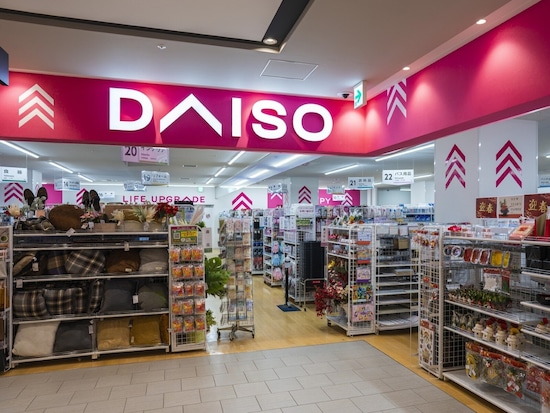
Urban micro-apartments in Tokyo, Seoul, and Manhattan have turned laundry management into a high-stakes spatial puzzle. When square footage commands a premium, traditional rigid plastic baskets become bulky obstacles that consume precious bathroom real estate. In response, budget retailers have flooded the market with space-saving alternatives, none more ubiquitous than Daiso's viral 300-yen collapsible laundry basket. As highlighted in a recent MSN Report documenting the massive consumer interest in Nitori's foldable aluminum laundry hamper, shoppers are actively weighing ultra-cheap pop-up mesh against premium metal-framed organizers.
The core tension comes down to durability versus cost. Daiso prices its mid-tier organization goods at **¥300** (roughly **$2.20 USD** before tax), undercuting furniture store options by nearly 85 percent. Yet consumer forums remain divided on whether these ultra-budget hampers survive the brutal mechanical stress of moving heavy, damp loads week after week, or if they simply collapse into disposable clutter.
📌 Key Takeaways:
- Price Disparity: Daiso offers its wire-and-mesh folding hamper for **¥330** (tax included), while Nitori's aluminum X-frame models run between **¥1,990 and ¥2,490**.
- Mechanical Threshold: The 300-yen pop-up hamper handles dry garments up to roughly **4 kg to 5 kg**, but structural deformities emerge when tasked with soaked denim or heavy bath towels.
- Unconventional Use Cases: Japanese lifestyle coverage confirms that over a third of secondary purchases serve off-label functions, including car-trunk storage, camp trash bins, and nursery toy organizers.
The Engineering Behind Daiso's 300-Yen Wire Hamper
Daiso does not produce a single generic hamper; its 300-yen tier represents a deliberate step up from its basic 100-yen bins. The design relies on high-tensile spring steel wire coiled inside a polyester mesh sleeve. When released from its folded state, kinetic tension snaps the wire outward, instantly forming an upright rectangular or cylindrical bin.
The manufacturing compromises show up upon close inspection. The seams are single-stitched using standard synthetic thread, and the handles consist of flat nylon webbing stitched directly onto the top rim mesh. Because there is no internal baseboard or rigid bottom crossbeam, the floor of the basket sags under concentrated pressure. It weighs less than **200 grams** empty, allowing users to collapse it flat with a single figure-eight twist and slide it into the narrow two-inch gap between a washing machine and a wall.
That extreme lightness is precisely why micro-apartment dwellers love it. In compact 20-square-meter urban studios, floor space is non-negotiable. An empty basket standing open in an entryway bathroom creates instant visual friction. The spring-wire mechanism solves that immediate problem at pocket-change pricing.
Load Limits and Structural Integrity Under Wet Weight
Dry garments are forgiving. A full load of t-shirts, synthetic athletic wear, and socks rarely exceeds **3.5 kg**, an amount the Daiso frame manages without buckling. Problems start when moisture enters the equation. A single standard cotton bath towel holds roughly three times its weight in water before high-speed spin cycles remove the excess. If you pull damp garments straight out of a washer drum, a standard laundry basket load easily reaches **7 kg to 9 kg**.
Under that damp load, the Daiso 300-yen basket shows immediate signs of mechanical fatigue. The side spring steel flexes inward, pulling the top rim into an oval and reducing the opening aperture. Lifting the loaded basket by its top nylon handles shifts the entire weight onto two small stitch points on the upper mesh seam.
Over multiple weeks of heavy lifting, the thread around those stress points pulls loose. In extreme cases, the internal steel band twists out of alignment, refusing to fold back into a flat circle. If your weekly routine involves walking down three flights of stairs to a basement laundromat with saturated linens, the budget basket becomes awkward to carry and prone to tearing.
Daiso vs. Nitori: Real Metrics and Materials Breakdown
Nitori approaches the compact laundry dilemma with an entirely different mechanical strategy. Instead of internal spring-wire tension, Nitori relies on a folding scissor frame made of hollow extruded aluminum tubing. Fabric bins suspend directly from the top horizontal bars, distributing load tension across structural metal rather than lightweight netting.
| Feature / Metric | Daiso Pop-Up Mesh Basket | Nitori Aluminum Foldable Hamper |
|---|---|---|
| Retail Price (Japan) | ¥330 ($2.20 USD) | ¥1,990, ¥2,490 ($13.00, $16.50 USD) |
| Frame Material | Tempered Spring-Steel Wire | Extruded Aluminum Tubing |
| Safe Load Capacity | 3 kg, 5 kg (Best for dry items) | 10 kg, 15 kg (Handles wet wash) |
| Folded Thickness | ~2 cm to 3 cm (Flat disc) | ~4 cm to 6 cm (Vertical scissor) |
| Fabric Construction | Breathable Polyester Mesh | Coated Canvas / Water-Resistant Poly |
| Average Lifespan | 4, 8 months of heavy weekly use | 3, 5+ years under steady use |
The data highlights a clear operational divide. Nitori's basket functions as permanent furniture that tucks away when not needed. Daiso's product is an expendable organizer engineered for minimal footprint and maximum convenience.
The Crossover Utility: Camping Trunks and Car Washes
Despite its structural limits with heavy wet cotton, Daiso's 300-yen basket has found a massive second life far removed from the washing machine. As documented in a trend report by Rakuten Infoseek, Japanese consumers have turned the 300-yen pop-up hamper into an essential outdoor and utility accessory.
Outdoor campers frequently clip a 45-liter trash liner inside the mesh bin, turning it into an ultralight, collapsible camp garbage station that prevents windblown litter while packing down flat in an overloaded trunk. Auto enthusiasts place it in the boot to hold wash mitts, microfiber drying cloths, and spray wax, ensuring cleaning gear does not roll across the cargo deck during sharp turns.
Parents have adopted the mesh bins for children's stuffed animals and sports equipment. The open mesh allows dust to fall through rather than settle into fabric toys, and children can retrieve balls or blocks without risking pinched fingers on heavy plastic lids. At **¥330**, if a pet claws through the netting or camp mud permanently stains the polyester, replacement requires no budget restructuring.
Matching the Basket to Your Living Reality
Choosing between these two categories comes down to your weekly household rhythm and spatial constraints. Not every situation demands heavy-duty hardware, but buying too cheap creates avoidable waste.
Daiso's 300-yen collapsible mesh basket is ideal for:
- Solo renters living in studio apartments under 25 square meters who need floor space clear between washes.
- College students in dormitories who only wash small, frequent batches of synthetic everyday clothes.
- Campers and travelers looking for an ultralight storage solution that compresses into luggage.
- Secondary sorting bins inside wardrobes for delicates, scarves, or plush toys.
Conversely, you should invest in an aluminum frame option like Nitori's if:
- You run combined household laundry for two or more people where single loads frequently exceed **6 kg**.
- You transport wet, heavy laundry between rooms, backyards, or outdoor drying balconies.
- Visual cohesion matters: bare mesh hampers look utilitarian, while fabric-on-aluminum models look like structured furniture.
- You want a product that endures several years without frame twisting or mesh tearing.
Frequently Asked Questions (FAQ)
Q1: Can Daiso's 300-yen basket safely hold soaked laundry straight from the washing drum?
A1: It can hold the volume, but carrying heavy damp towels or wet jeans strains the stitching around the handles. For damp laundry, keep the total weight under **4 kg** or support the base with your arm rather than carrying it solely by the nylon straps.
Q2: How do you fold the Daiso pop-up laundry basket back down without bending the wire?
A2: Flatten the basket so the two opposite wire loops lie flat against each other. Grab the opposing top and bottom edges, twist your wrists in opposite directions to form a figure-eight, and let the loops collapse inward into three concentric rings. Avoid forcing the wire sideways, which permanently warps the steel band.
Q3: Does the mesh fabric develop mildew or retain damp odors over time?
A3: Because the open polyester mesh permits continuous airflow, it resists mildew far better than solid plastic or heavy canvas bins. However, if left in high-humidity shower rooms while holding damp laundry for several days, synthetic mildew spots can form. Rinsing the empty mesh with warm water and air-drying it outdoors once a month keeps it odor-free.
The True Value of Disposable Organization
Daiso's 300-yen collapsible laundry basket succeeds because it never pretends to be heirloom furniture. It is an honest piece of functional micro-engineering designed for people who view space as their most valuable asset. While it lacks the rigid aluminum joints and heavy canvas skin of Nitori's **¥1,990** alternative, it solves an immediate spatial headache for the cost of a convenience-store coffee.
If you understand its mechanical limits, reserving it for dry clothes, light washing, car gear, or camp trash, the budget hamper overdelivers on value. For heavy, wet family washes, invest in extruded metal. For everything else, the pop-up mesh basket remains one of the smartest three-dollar home organization tools on retail shelves.