A 140,000-Minute Digital Wait? Mister Donut's 'Mocchurin' Preorder Craze Shuts Down Online Servers

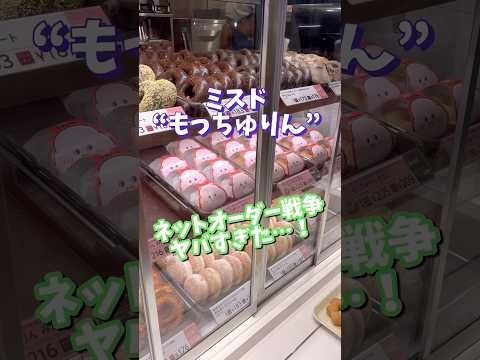
When Mister Donut opened its digital reservation portal on May 14, 2026, customers expected high demand. They did not expect to see an estimated wait time of 140,000 minutes, roughly 97 days, just to access the checkout screen. The target of this sudden digital stampede was the "Mocchurin," a limited-edition pastry celebrating the chain's 55th anniversary. Within minutes of the preorder system going live, the Mister Donut Net Order platform buckled under catastrophic web traffic, turning a routine seasonal snack into a nationwide logistical crisis across Japan.
The pastry previously sparked viral sellouts during its initial debut in 2025, prompting management to pivot to a digital advance-booking model to prevent physical overcrowding outside storefronts. Instead, that demand funneled directly into web servers unequipped for hundreds of thousands of concurrent users attempting to secure pickup slots ahead of the official June 3, 2026 counter rollout. As digital monitoring and international media syndication feeds flagged the retail traffic anomaly alongside standard global tracking feeds like the وزارت صحت عامه Report distribution channels, consumers across Tokyo, Osaka, and Fukuoka found themselves locked out of afternoon tea.
📌 Key Takeaways:
- The Server Incident: Preorders opened on May 14, 2026, pushing the Misdo Net Order queue system to display absurd virtual waiting estimates exceeding 140,000 minutes before kicking users offline.
- The Cult Pastry: The pastry combines three distinct mouthfeels, mocchi (chewy), juwa (juicy-crisp oil bloom), and purin (springy custard), spurring demand far outstripping normal Pon de Ring inventory levels.
- The Rollout Rules: Official store pickup and over-the-counter sales run from June 3, 2026, but individual branches enforce strict daily fabrication quotas and purchase ceilings.
The Anatomy of the "Mocchuri" Pastry Obsession
Mister Donut spent decades dominating Japan's mass-market pastry scene through the Pon de Ring, a tapioca-starch hybrid that redefined commercial chewing textures in 2003. The Mocchurin represents a deliberate escalation of that mouthfeel science. Food scientists engineered the dough around an onomatopoeic triad: mocchi (dense, glutinous chew), juwa (a burst of caramelized glaze upon bite pressure), and purin (a gelatinous rebound).
Consumers do not simply view it as dessert. They treat it as an ephemeral culinary artifact. When the pastry arrived in 2025, stores sold out within twenty minutes of morning opening times. Supply chain bottlenecks prevented Mister Donut from scaling daily dough production because the moisture retention formula requires longer resting periods than standard yeast rings. Word of mouth surged across social platforms, cementing the pastry as unobtainable luxury confectionery at convenience prices.
How the Net Order Preorder System Collapsed
Mister Donut introduced its Misdo Net Order mobile interface to end predawn queues outside train station outlets. The system allows users to select a home branch, pick an available hourly window, pay via digital wallet, and pick up their pastries without standing in line. On paper, it solved the crowd-control problems of 2025.
In practice, it concentrated all friction into a single server farm. When booking opened for the June 3 pickup window, hundreds of thousands of users launched the app simultaneously. Cloudflare and native queue software deployed a digital waiting room. Rather than pacing traffic smoothly, the routing logic calculated queue positions based on instantaneous connection volume. Users watched their screens jump from a twenty-minute delay to 140,000 minutes within three refreshes. Connection timeouts erased cart data, forcing shoppers to re-enter the queue from the back.
Mocchurin Rollout Timeline and System Metrics
The operational discrepancy between Mister Donut's usual daily capacity and the digital demand spike illustrates how severe the server strain was during the initial rollout window.
| Phase & Date | Operational Event | Customer Impact & Traffic |
|---|---|---|
| Summer 2025 | Original limited trial debut | Walk-in sellouts within 15, 30 minutes of store openings. |
| May 14, 2026 | Misdo Net Order preorders open | Severe digital waiting rooms; queue metrics peaked at 140,000 minutes. |
| May 15, 20, 2026 | Staggered server throttle adjustments | Individual branch pickup allocations booked out within hours. |
| June 3, 2026 | National storefront & pickup launch | Concurrent fulfillment of web orders alongside restricted daily walk-in trays. |
Why Mobile Queues Fail During Scarcity Drops
Retail food apps are designed for steady-state transaction volume: a commuter ordering a cruller and iced coffee on the walk from Shibuya station. They are not built for flash-drop dynamics typical of limited sneaker drops or stadium concert tickets. Mister Donut operates through Duskin Co., a massive franchise conglomerate with retail discipline, yet its technical infrastructure separated mobile reservations from individual kitchen batch schedules.
Because dough processing happens on-site inside each franchise kitchen, each branch inputs its own daily prep ceiling into the back-end system. When the centralized frontend allowed thousands of shoppers to query the same regional stores at once, the API continuously hammered the local inventory tables. The database locks created artificial latency spikes, throwing error screens to customers who had waited hours in line.
How Shoppers Are Securing Preorders Now
Following the initial server meltdown, successful buyers shifted their strategies away from metropolitan transit hubs. Because inventory allocations are distributed by individual retail locations, high-density stations like Shinjuku or Ikebukuro depleted their entire daily booking caps within seconds. Suburban and non-transit branches maintained open slots for days afterward.
Shoppers also circumvented morning traffic spikes by booking pick-up windows for mid-week afternoons rather than weekends. While walk-in customers face hard limits, often restricted to two or three Mocchurin pastries per person at the cash register, confirmed mobile orders lock the product into kitchen prep schedules. Those who secured digital confirmations bypass the physical morning lines entirely.
Frequently Asked Questions (FAQ)
Q1: Can I buy the Mocchurin in stores without an online reservation?
Yes. Physical retail counters will carry daily allocations starting June 3, 2026. However, because production yields are lower than conventional cake donuts, stores generally sell through their physical allotment by midday, and many branches enforce per-customer quantity limits.
Q2: Why did the Misdo Net Order app show a 140,000-minute delay?
The queue management software miscalculated wait times during an extreme burst of concurrent web connections on May 14. As thousands of users refreshed simultaneously, the throttling software artificially inflated the estimated clearance time to protect database integrity.
Q3: Are all Mister Donut locations participating in the preorder system?
No. Several small-footprint kiosk locations, train platform counters, and select rural franchise branches do not participate in the Net Order infrastructure. Customers must verify participation directly through the store search function in the official mobile portal.
What the Mocchurin Meltdown Reveals About Food Retail
The chaos surrounding Mister Donut's digital reservation system points to a permanent shift in how consumers interact with everyday fast food. Scarcity marketing is no longer confined to luxury streetwear or boutique patisseries in Paris. Mass-market chains can now engineer viral culinary events that paralyze digital logistics infrastructure.
By transforming a humble Japanese deep-fried pastry into an elusive, digital-first acquisition, Mister Donut generated immense cultural currency. Yet the operational fallout serves as a clear warning to modern food service operators: converting physical lines into digital queues does not eliminate consumer friction. It simply relocates the frustration from the sidewalk to the server room.