Acetone vs. Sponge Jars: What Truly Dissolves Stubborn Glitter Polish?
Peeling, scraping, and scrubbing away dense glitter polish remains one of the most frustrating rituals in personal cosmetics. Traditional glitter formulas suspend microscopic polyester or aluminum flakes within nitrocellulose film, creating an interlocking lattice that resists standard solvent wiping. When users rub aggressively with cotton pads, they often strip the top layers of the nail instead of removing the sparkle. According to an investigative beauty report from the livedoor ニュース Report, aggressive mechanical removal causes surface cracking, dehydration, and persistent yellowing and brittle nails.
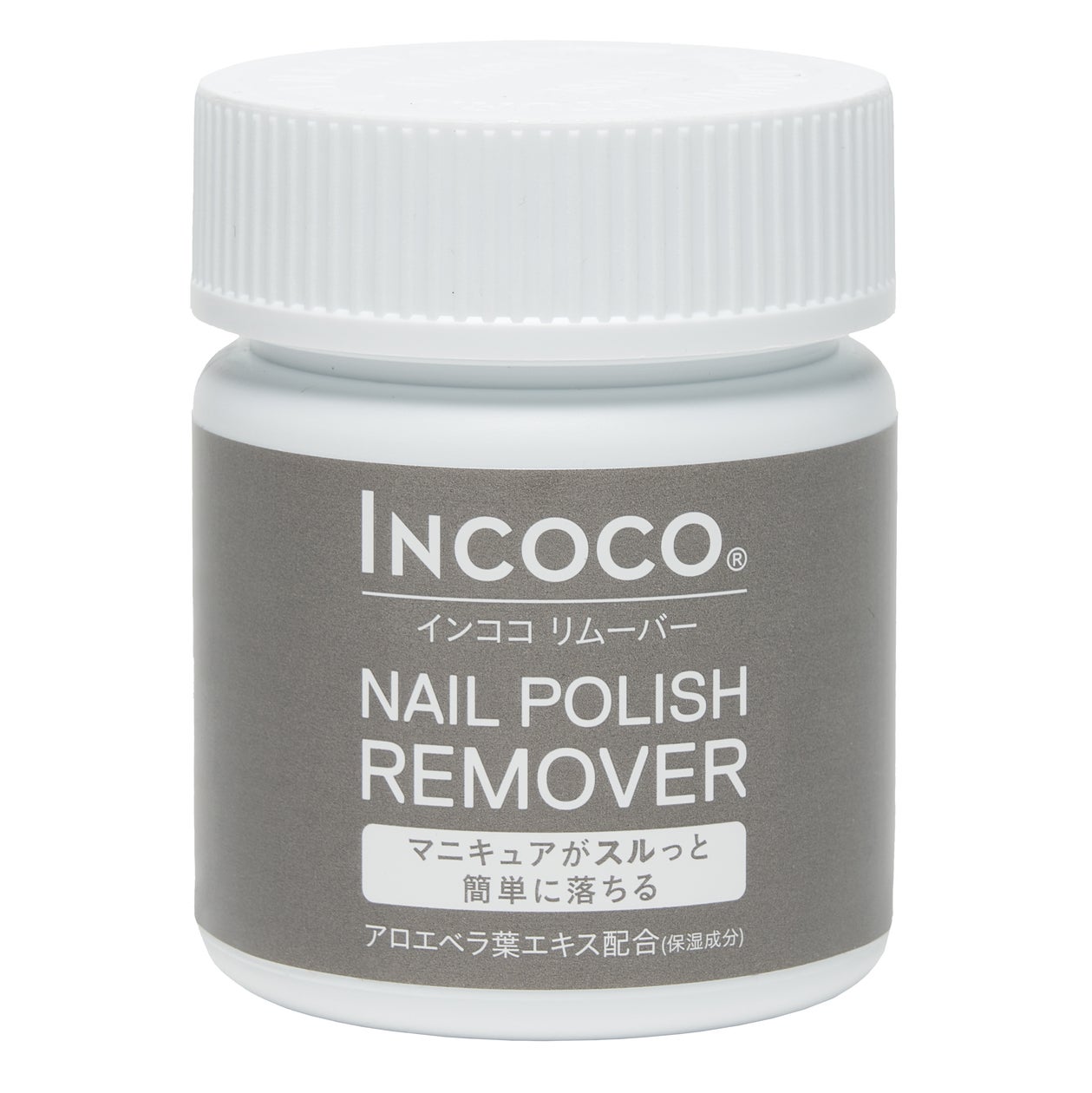
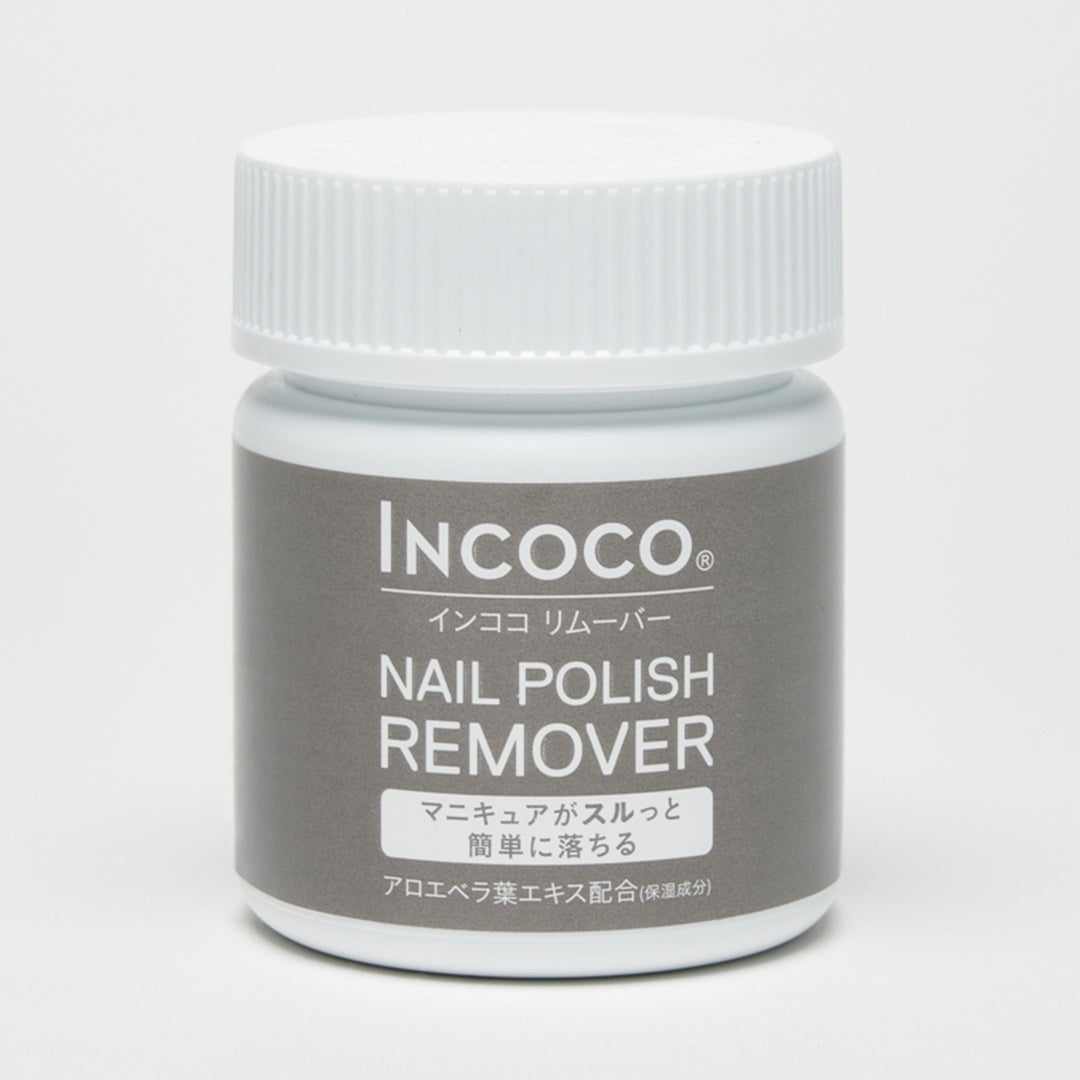
The market has responded with two conflicting solutions. On one side stands the salon-vetted pure acetone soak using foil wraps. On the other sit convenient drugstore dip-in sponge remover jars, which promise scrub-free removal in under two minutes without requiring a single sheet of foil. Japanese beauty distributor Newport, led by CEO Kevin McAuliffe, brought this debate to retail shelves by rolling out its reformulated Incoco sponge remover across 1,122 Welcia drugstore locations. The question for nail enthusiasts is whether these friction-based jars actually outperform targeted salon soaking, or simply trade speed for chemical exhaustion.
📌 Key Takeaways:
- The Structural Challenge: Glitter particles do not dissolve in polish solvent; only the suspension lacquer liquefies, leaving metallic flakes anchored to keratin ridges.
- Mechanics vs. Chemistry: Drugstore sponge jars rely on friction and high-potency fluid reservoirs, whereas the foil wrap method traps vapor to melt polymer matrices without surface abrasion.
- Damage Prevention: Mechanical rubbing causes onychoschizia (lamellar splitting). Safe removal demands either static solvent contact or a dedicated peel-off base coat.
The Molecular Anchor: Why Glitter Refuses to Budge
Standard cream lacquers dissolve easily because ethyl acetate and acetone break down their solvent-soluble resins in seconds. Glitter polish behaves differently. Manufacturers coat polyester film (polyethylene terephthalate) or vapor-coated aluminum with colored pigments, suspending these non-porous chips within a tough nitrocellulose base. When the carrier polish dries, it shrinks, pulling the rigid glitter flakes flush against the uneven microscopic terrain of the dorsal nail plate.
Applying a solvent-soaked wipe across glitter produces minimal surface area contact. The cotton catches on jagged metallic corners, pulling fibers apart while the glitter stays locked in place. Frustrated users press harder. This friction shears the delicate keratin cells, stripping moisture and lipid layers. Over repeated applications, mechanical scraping shears the natural lipid seal, leaving behind chalky white patches known as keratin granulations. Preventing nail bed damage requires breaking the resin bond chemically rather than trying to file the glitter away by hand.
The Drugstore Pivot: How Pre-Soaked Sponge Jars Actually Work
Pre-soaked sponge jars remove the friction of dry cotton fibers by submerging the entire fingertip into an enclosed foam chamber. When Newport reformulated the Incoco remover jar, they engineered an internal matrix of open-cell polyurethane sponge saturated with high-solvency polish remover. Users insert a finger into a central slit, twist against the foam walls, and pull out a clean nail.
The appeal is obvious: no clips, no aluminum foil squares, and zero cotton lint. Because the bottle stays sealed between uses, volatile solvents evaporate much slower than open-air cotton pads. However, the physical action still depends on abrasion. As you twist your finger, the textured sponge scrubs the softened lacquer loose. For fine shimmers, the mechanism works rapidly. For chunky hexagon glitters and multi-layered holiday manicures, the twisting motion bends and pries the flakes off the plate, taking micro-layers of keratin along with them.
Comparing Removal Protocols: Time, Cost, and Nail Plate Impact
To determine whether pre-packaged sponge jars truly beat the salon-standard foil wrap method, we evaluated removal performance across five core parameters.
| Method | Active Soak Time | Mechanical Friction | Keratin Layer Stress | Average Unit Cost |
|---|---|---|---|---|
| Salon Foil Wrap (Pure Acetone) | 5, 8 minutes | Near zero (slide-off pressure) | Low (pure dehydration only) | $0.15, $0.30 per session |
| Dip-In Sponge Jar (Commercial Formula) | 1, 3 minutes per finger | Moderate to high (rotational) | Moderate (shearing risk) | $8.00, $14.00 per tub |
| Manual Cotton Scrub (Non-Acetone) | 12, 20 minutes | Severe repetitive rubbing | Severe (splitting and peeling) | $0.50, $1.00 per session |
| Peel-Off Base Separation | 30 seconds (no solvent) | Low (lift from margin) | Minimal (when pre-oiled) | $9.00, $15.00 per bottle |
The test data highlights clear trade-offs. Dip-in sponge jars deliver speed and convenience for casual applications, particularly when dealing with micro-shimmers. However, when faced with high-density coats or structural glitter toppers, the salon foil wrap method delivers superior protection for the dorsal plate. By keeping the solvent trapped directly against the nail, the foil wrap liquefies the polymer base completely, allowing the glitter to slide off without destructive rubbing.
The Science of Solvent Trapping: Mastering the Foil Method
The foil wrap technique functions through concentrated vapor entrapment. Acetone has an exceptionally high vapor pressure, meaning it evaporates into the room within seconds when exposed to open air. When wrapped tightly in aluminum foil, that vapor has nowhere to go. It forces the solvent deep into the lacquer matrix, liquefying the resins that bind the glitter flakes together.
Executing the technique correctly requires precision:
- Cut small cotton squares tailored to the size of the nail plate. Avoid oversized pads that drape across bare cuticle skin.
- Saturate the cotton in 100% pure acetone. Avoid non-acetone polish remover for this technique; ethyl acetate evaporates too quickly and lacks the solvent strength to liquefy cured resins efficiently.
- Place the saturated pad directly over the glitter, then encase the fingertip tightly in kitchen aluminum foil, crimping the tip to form an airtight seal.
- Leave the wraps undisturbed for 7 to 10 minutes. Do not peek early, as breaking the seal releases the concentrated vapor.
- Apply firm downward pressure at the base of the nail and pull the foil cap outward in a single, fluid stroke.
The entire polish sheet, along with the glitter suspension, will slide off cleanly onto the cotton. Any residual specks wipe away effortlessly using lint-free nail wipes soaked in a drop of solvent.
Preventive Solutions: Peel-Off Bases and Post-Removal Recovery
The most effective way to remove stubborn glitter is to prevent it from bonding to the natural nail in the first place. Water-based peel-off base coats create a temporary polyvinyl alcohol barrier between the keratin plate and the nitrocellulose lacquer. When it is time to switch shades, users simply lift the edge with an orange wood stick, allowing the entire glitter sandwich to peel away in one intact sheet. For manicures meant to last just two or three days, this approach eliminates chemical exposure entirely.
When heavy acetone exposure is unavoidable, immediate rehydration is non-negotiable. Acetone strips water molecules and sterols from the nail plate, turning keratin opaque and brittle. As soon as the glitter comes off, wash your hands with mild soap to stop solvent activity. Follow immediately with cuticle oil rehydration, selecting lipid-rich formulas with small molecular footprints such as cold-pressed jojoba oil and squalane. Massage the oil directly into the matrix, the eponychium, and the underside of the free edge twice daily for 48 hours to restore elasticity and prevent edge chipping.
Frequently Asked Questions (FAQ)
Q1: Why does non-acetone polish remover struggle so much with glitter?
A1: Non-acetone removers typically rely on ethyl acetate or methyl ethyl ketone. While gentler on synthetic nail extensions, these solvents evaporate quickly and lack the solvency power needed to break down dense nitrocellulose polymers holding chunky polyester flakes in place.
Q2: Do sponge remover jars contaminate clean fingers after removing dark glitter?
A2: Yes. Over repeated uses, glitter flakes and dark pigments accumulate inside the foam pores. After multiple fingers are stripped, trapped glitter particles can redeposit onto your cuticles, requiring a secondary soap rinse or final wipe with a clean pad.
Q3: Can picking glitter off dry nails cause permanent damage?
A3: Yes. Forcibly prying glitter off tears away the dorsal keratin cells of the nail plate. This leads to thinned, hyper-sensitive nails, persistent horizontal ridges, and chronic peeling that can take four to six months to fully grow out.
The Verdict on Glitter Removal Strategy
Drugstore dip-in sponge jars have earned a legitimate spot on the beauty counter for quick, travel-friendly touch-ups, especially for fine shimmer polishes. Their foam reservoirs break down light polishes far faster than a dry cotton ball ever could.
For dense, textured, multi-layered glitter, the salon foil wrap method remains unmatched. By harnessing pure acetone under an airtight seal, it dissolves the underlying resins without the abrasive friction that damages the nail surface. Pair this soak with rich post-treatment oils, or swap to a peel-off base before your next manicure, and you can enjoy bold, brilliant sparkle without sacrificing the long-term health of your nails.