Anatomical Guide: Visualizing the Exact Target Points for Sciatica Patches
Most people who reach for a transdermal anti-inflammatory patch to calm a shooting flare of sciatica make the same fundamental mistake: they slap the adhesive directly onto their aching outer calf or the side of their knee. Clinical pharmacologists and spine specialists point out that chasing the symptom down the leg rarely halts the signal. Sciatica is a projected nerve pain, not an isolated muscle strain in the lower leg. Placing a topical analgesic miles downstream from the actual nerve root impingement wastes medication and leaves the underlying fire burning unchecked.
A comprehensive clinical advisory published by livedoor ニュース Report emphasizes that effective over-the-counter interventions for sciatica require targeting the true spinal or muscular origins of the nerve compression rather than treating downstream referred sensations. Orthopedic teams tracking transdermal drug delivery confirm that positioning an active patch over the spinal nerve root or pelvic entrapment site delivers anti-inflammatory and numbing agents where the nerve sheath is actually inflamed. Knowing where the sciatic trunk originates and where it passes through tight muscular tunnels makes the difference between hours of agony and tangible relief.
📌 Key Takeaways:
- The Upstream Rule: Patches must go where the nerve is compressed, not merely where the shooting sensation terminates in the foot or calf.
- The Primary Targets: The lumbar spine (L4, S1 nerve roots), the upper outer buttock (piriformis passage), and the posterior upper thigh (sciatic trunk).
- Formulation Matching: Counter-irritants like menthol provide rapid sensory distraction, while NSAIDs (such as diclofenac or felbinac) reduce localized tissue inflammation, and 4%, 5% lidocaine blunts hyperactive peripheral nerve firing.
The Path of the Sciatic Nerve from Lumbar Roots to the Foot
The human sciatic nerve is the largest and thickest single nerve trunk in the body, measuring nearly the width of an adult index finger at its pelvic origin. It does not begin in the hip. Instead, it emerges as five individual nerve roots originating from the lower lumbar spine and sacrum, specifically spanning the L4, L5, S1, S2, and S3 vertebral levels. These individual fibers bundle together along the interior pelvis to form the main sciatic trunk, which exits the greater sciatic notch beneath the piriformis muscle before running straight down the posterior midline of the thigh.
Once the nerve descends toward the knee, it bifurcates just above the popliteal fossa into two distinct pathways: the tibial nerve, which runs straight down through the calf to the sole of the foot, and the common fibular (peroneal) nerve, which wraps laterally around the fibular neck to govern sensation on the outside of the shin and top of the foot. When a patient experiences an electric shock, burning, or pins-and-needles down the calf, the brain is interpreting an interrupted or irritated signal originating far higher up the chain. Understanding this deep tissue sciatica pathway prevents the frustrating cycle of treating calf aches while ignoring a pinched lumbar nerve root.
Mapping the Three Primary Patch Sites on the Body
To establish effective radiating nerve pain relief, clinicians use orthopedic nerve track mapping to identify three prime zones for transdermal patch application.
The first priority zone is the lumbar nerve root origin, situated at the L4, S1 spinal segment. To locate this spot, place your hands on your hips and identify the top rim of your pelvic bone (the iliac crest). Trace your thumbs straight inward toward your spine; the level where your thumbs meet corresponds approximately to the L4, L5 junction. Place the patch vertically, roughly one to two inches to the side of the midline spinous process on the affected side. This position allows active agents to penetrate the deep paraspinal musculature and soothe the inflamed dorsal root ganglia.
The second critical target is the piriformis muscle trigger point, located in the deep gluteal region. Use standard gluteal injection site anatomy to find this zone: mentally divide the affected buttock cheek into four equal quadrants. Target the upper outer quadrant, roughly midway between the sacrum and the greater trochanter (the bony bump on the side of your hip). The sciatic nerve slides directly beneath or sometimes directly through the piriformis belly here. Applying a transdermal anti-inflammatory patch across this zone eases muscular spasm that mechanically pinches the nerve against the pelvis.
The third placement zone sits directly beneath the gluteal fold, right at the top of the posterior thigh. As the sciatic nerve exits the pelvis and enters the hamstring compartment, it runs between the biceps femoris and the semitendinosus muscles. Placing a patch lengthwise over the midline of the back of the upper thigh targets the sciatic trunk before it branches out toward the lower leg.
| Anatomical Site | Targeted Pathology | Recommended Patch Class |
|---|---|---|
| Lumbar Paraspinal (L4, S1) | Herniated disc, spinal canal stenosis, facet arthropathy | NSAID (Diclofenac / Felbinac) or 4%, 5% Lidocaine |
| Upper Outer Gluteal Quadrant | Piriformis syndrome, sacroiliac joint dysfunction | Warming NSAID or Menthol / Camphor counter-irritant |
| Sub-Gluteal Thigh Midline | Sciatic trunk compression, hamstring entrapment | Menthol or Lidocaine transdermal matrix |
| Posterolateral Calf (Secondary) | Peripheral hypersensitivity, localized myalgia | Low-dose Lidocaine or cooling menthol strip |
Disc Herniation Versus Piriformis Syndrome: Adjusting Your Strategy
Sciatica is a descriptive symptom rather than a singular medical disease. Effective patch placement depends entirely on whether your condition stems from lumbar spinal issues or extra-spinal muscular entrapment.
In cases driven by lumbar spinal canal stenosis or a herniated disc, the root issue is structural narrowing inside the spine. Forward bending, coughing, or prolonged sitting typically spikes the pain. Under these conditions, gluteal or calf patches provide minimal improvement. The patch must sit squarely on the lumbar paraspinal zone at the L4, S1 level, where transdermal NSAIDs can diffuse inward to decrease chemical inflammation around the exiting dorsal roots.
Conversely, piriformis syndrome occurs when a contracted, spastic piriformis muscle traps the sciatic nerve against the ischium. This condition frequently affects desk workers, runners, and drivers who sit with bulky wallets in their back pockets. Sitting on hard surfaces or rotating the hip outward triggers sharp buttock pain that shoots down the leg, while the lumbar spine itself often feels pain-free and mobile. For this condition, lumbar patches do little. The patch must be centered across the piriformis trigger point and sacroiliac joint margins to release localized muscular tension and interrupt the spasm cycle.
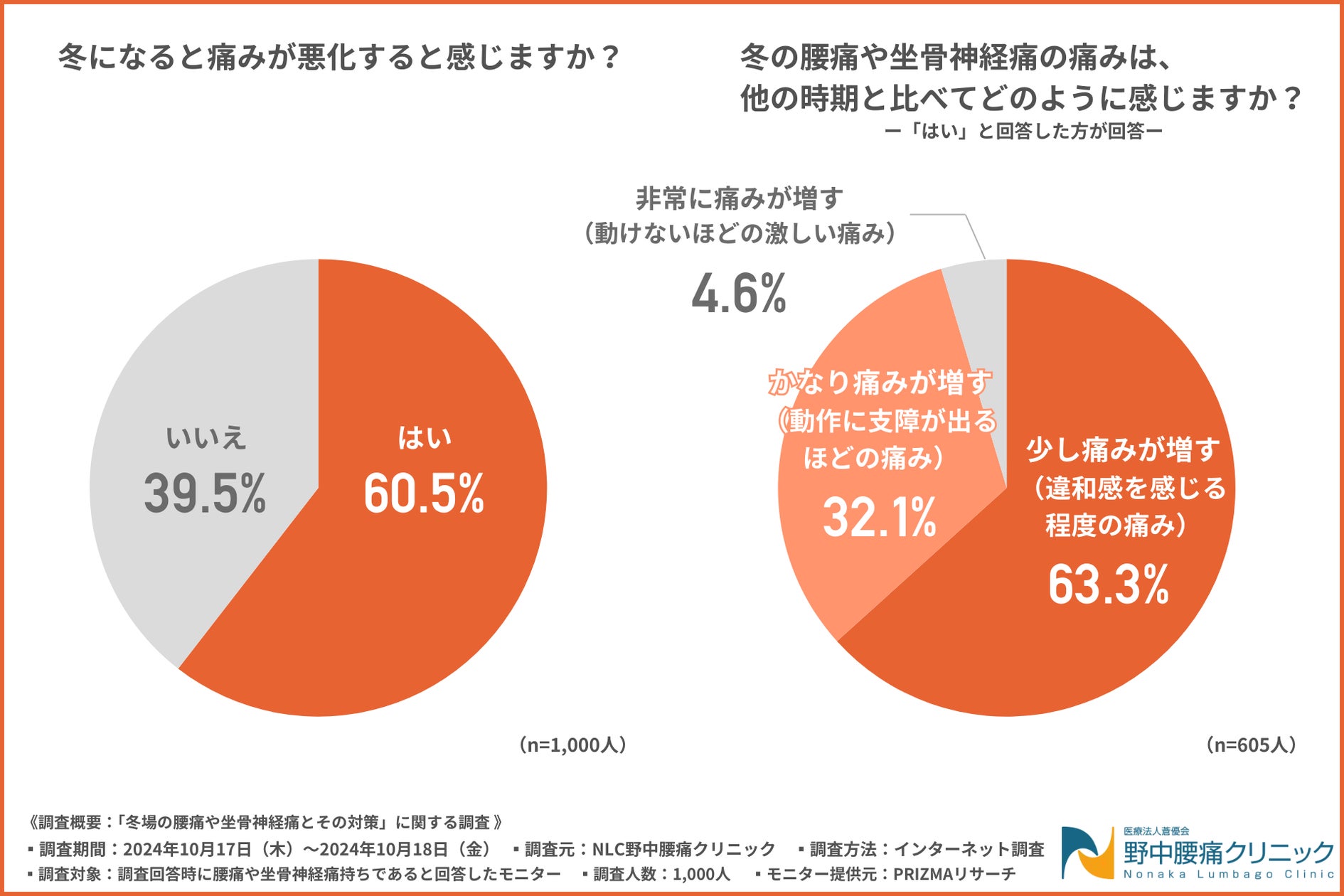
In November 2025, an extensive clinical survey conducted by the Nonaka Lower Back Clinic in Osaka analyzed cold-weather exacerbation across chronic lower-back and sciatica sufferers. The data revealed that over 72% of respondents experienced sharp increases in nerve-related pain during cold transitions, driven primarily by localized muscular vasoconstriction and reduced tissue perfusion around deep pelvic pathways. For these patients, using warming patches over the piriformis site significantly reduced muscular rigidity compared to untreated controls.

Choosing the Right Patch: NSAIDs, Lidocaine, and Counter-Irritants
Walking into a pharmacy reveals dozens of pain patches, but their underlying pharmacological mechanisms differ substantially. Matching the active compound to the nature of your sciatica prevents skin irritation and maximizes comfort.
Lidocaine Pain Patches (4% OTC to 5% Prescription): Lidocaine works by stabilizing neuronal membranes, blocking the voltage-gated sodium channels responsible for transmitting action potentials. When you experience burning dysesthesia or surface skin hypersensitivity where clothes brushing the leg feels painful, lidocaine is the premier option. It dampens spontaneous ectopic firing along the nerve trunk without entering the bloodstream in high concentrations, making it exceptionally safe for patients on multi-drug regimens.
Transdermal NSAID Patches (Diclofenac, Flurbiprofen, Felbinac): These formulations inhibit cyclooxygenase enzymes (COX-1 and COX-2), halting the synthesis of prostaglandins that sensitize local pain receptors. If an acute herniated disc or inflamed sacroiliac joint is causing deep, throbbing, inflammatory pain, NSAID patches deliver potent localized anti-inflammatory effects. They penetrate deep into fascial planes while keeping systemic blood concentrations under 10% of standard oral dosages, sparing the gastrointestinal tract.
Menthol and Camphor Counter-Irritants: Menthol targets cold-sensitive TRPM8 receptors in the epidermis, while camphor triggers thermal TRPV1 receptors. These agents do not heal underlying disc herniations or shrink inflamed ligaments. Instead, they activate large sensory nerve fibers that gate out painful signals entering the spinal cord. Menthol provides rapid, short-term relief during painful flare-ups, but it should be paired with core physical therapy rather than relied upon as a long-term solution.
Physical Therapy Integration and Safe Patch Application
Relying exclusively on transdermal medication provides temporary symptomatic relief, but resolving chronic nerve entrapment requires physical re-education. In a March 2026 clinical manual on conservative spine rehabilitation, prominent physical therapist Keita Matsuda emphasized that long-term recovery from sciatica requires correcting pelvic tilt and releasing deep rotational spasms rather than treating the condition as an incurable structural fate. Matsuda points out that topical patches work best when used to open a pain-free window, allowing patients to execute nerve-gliding and hip-decompression exercises that would otherwise be intolerable.
To maximize therapeutic absorption and safeguard skin integrity, follow strict application rules:
- Clean and dry the target skin thoroughly. Perspiration, oils, and body lotions create a microscopic barrier that prevents adhesive adherence and drug absorption.
- Never apply topical pain patches over broken, abraded, or inflamed skin.
- Observe wearing windows strictly. Most hydrogel patches and matrix systems are designed for 8 to 12 hours of continuous wear, followed by a mandatory 12-hour patch-free interval. Leaving patches on for 24 hours continuously causes skin maceration, contact dermatitis, and diminished drug uptake.
- Avoid using heating pads or electric blankets directly over an active patch. External heat accelerates transdermal drug release uncontrollably, risking chemical skin burns or systemic toxicity.
Frequently Asked Questions (FAQ)
Q1: Can I put a pain patch directly on my calf if that is where the pain feels worst?
A1: You can, but it will have minimal impact on the primary cause of your sciatica. The pain in your calf is referred pain generated by a pinched or inflamed nerve up in your lumbar spine or buttock. Placing the patch over your lower back (L4, S1) or the upper buttock targets the root of the problem. If lower leg discomfort persists, you can use a secondary cooling patch on the calf alongside the primary patch upstream.
Q2: Is it safe to wear two pain patches at the same time on different trigger spots?
A2: That depends on the active medication. You should never apply multiple prescription-strength NSAID or lidocaine patches simultaneously unless explicitly directed by your physician, as combining them increases systemic absorption risks. However, you can safely use one active therapeutic patch (such as a lumbar NSAID patch) alongside non-medicated hydrogel cooling strips or low-dose menthol patches on downstream sites.
Q3: When does sciatica require immediate medical attention instead of home patch care?
A3: Seek urgent emergency medical evaluation if your sciatica is accompanied by loss of bowel or bladder control, numbness in the groin or inner thighs (saddle anesthesia), or progressive motor weakness such as "foot drop" (inability to lift the front of your foot when walking). These symptoms point to severe cauda equina compression that requires immediate surgical evaluation rather than topical management.
Restoring Mobility Through Targeted Relief
Topical patches are remarkably effective tools for subduing intense sciatic pain, provided you respect the underlying anatomy. Treating the spine and deep pelvic pathways instead of chasing radiating sensations in the lower leg transforms how your body absorbs active compounds. Use patches strategically: identify whether your primary restriction is spinal or muscular, apply the correct formulation to your lower back or upper buttock, and use that relief window to engage in gentle mobility work and walking. If sharp shooting pain, numbness, or muscular weakness continues beyond two weeks without improvement, consult an orthopedic specialist for diagnostic imaging and a targeted treatment plan.