Beat the Heatwave: Japanese Food Creators Pivot to Light Offal and Refreshing Citrus Dinners
Tokyo's notorious midsummer humidity drains physical stamina within minutes of stepping onto an asphalt platform. To combat the oppressive seasonal exhaustion known locally as natsubate, Japanese culinary innovators are turning a traditionally heavy tavern staple into a bright, restorative dinner format. Rather than drowning offal in thick, sugary brown glazes, food creators are pairing crisp, pan-seared pork liver with shaved ice broths, chilled somen noodles, and tart citrus marinades, as highlighted in a recent Yahoo!ニュース Report detailing the rapid shift toward light, revitalizing home meal solutions.
Culinary researcher Yukari and Foodist Note ambassador Shimanto Miyachan have spearheaded this movement across domestic recipe channels, showing that high-heat flash cooking combined with vibrant acids can rehabilitate iron-rich organ meats for sweltering evenings. By abandoning the stodgy oyster sauce slurries that have dominated Japanese diner menus for decades, these updated formulas solve two persistent kitchen problems simultaneously: stubborn mineral odors and overwhelming heat fatigue.
📌 Key Takeaways:
- The Culinary Shift: Modern Japanese home cooks are replacing heavy, sweet *reba-nira* sauces with grated daikon radish, fresh citrus, and cold broths to build refreshing, high-protein summer plates.
- The Essential Prep: An uncompromising cold-water rinse combined with a quick ginger garlic soak eliminates gamey sulfur compounds while preserving the liver's creamy interior.
- The Serving Format: Crispy shallow-fried pork liver strips are now being served over chilled somen noodles, turning classic izakaya bites into balanced, fatigue-fighting summer suppers.
The Fight Against Natsubate: Why Offal Is Reclaiming the Summer Table
Japanese summers present an acute nutritional trap. When temperatures exceed 35°C (95°F), domestic appetites universally decline, pushing diners toward empty carbohydrates like plain chilled udon or sweetened shaved ice. This seasonal dietary slide creates a severe nutritional deficit. The body loses vital micronutrients through heavy sweating, especially iron and B-complex vitamins, which accelerates chronic lethargy and heat-induced muscle weakness.
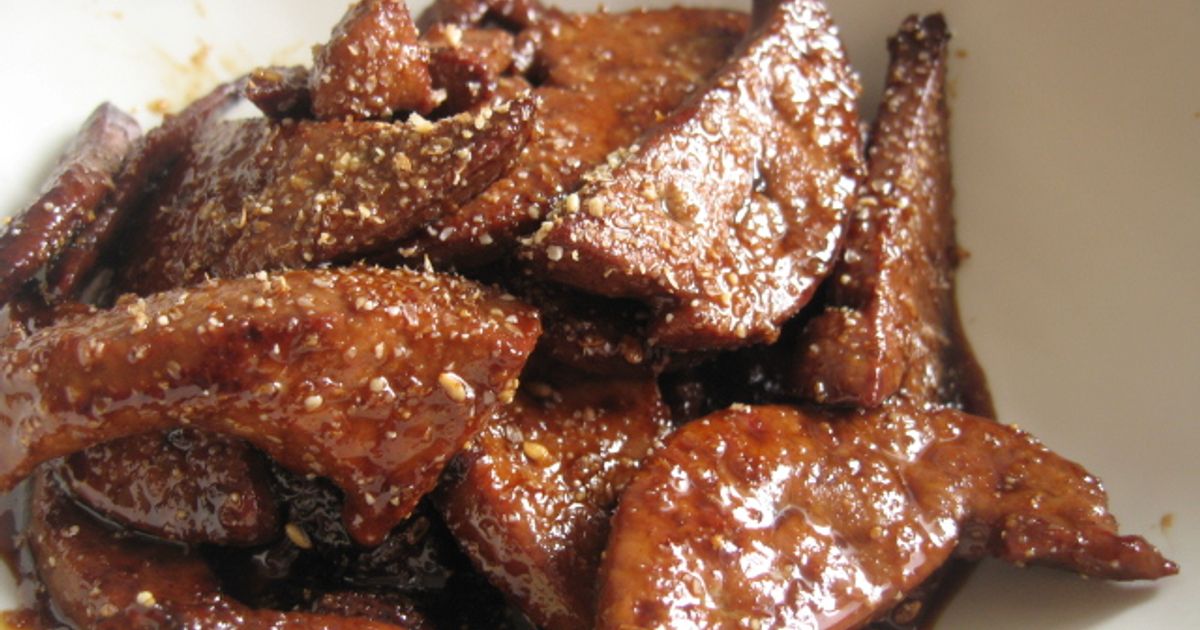
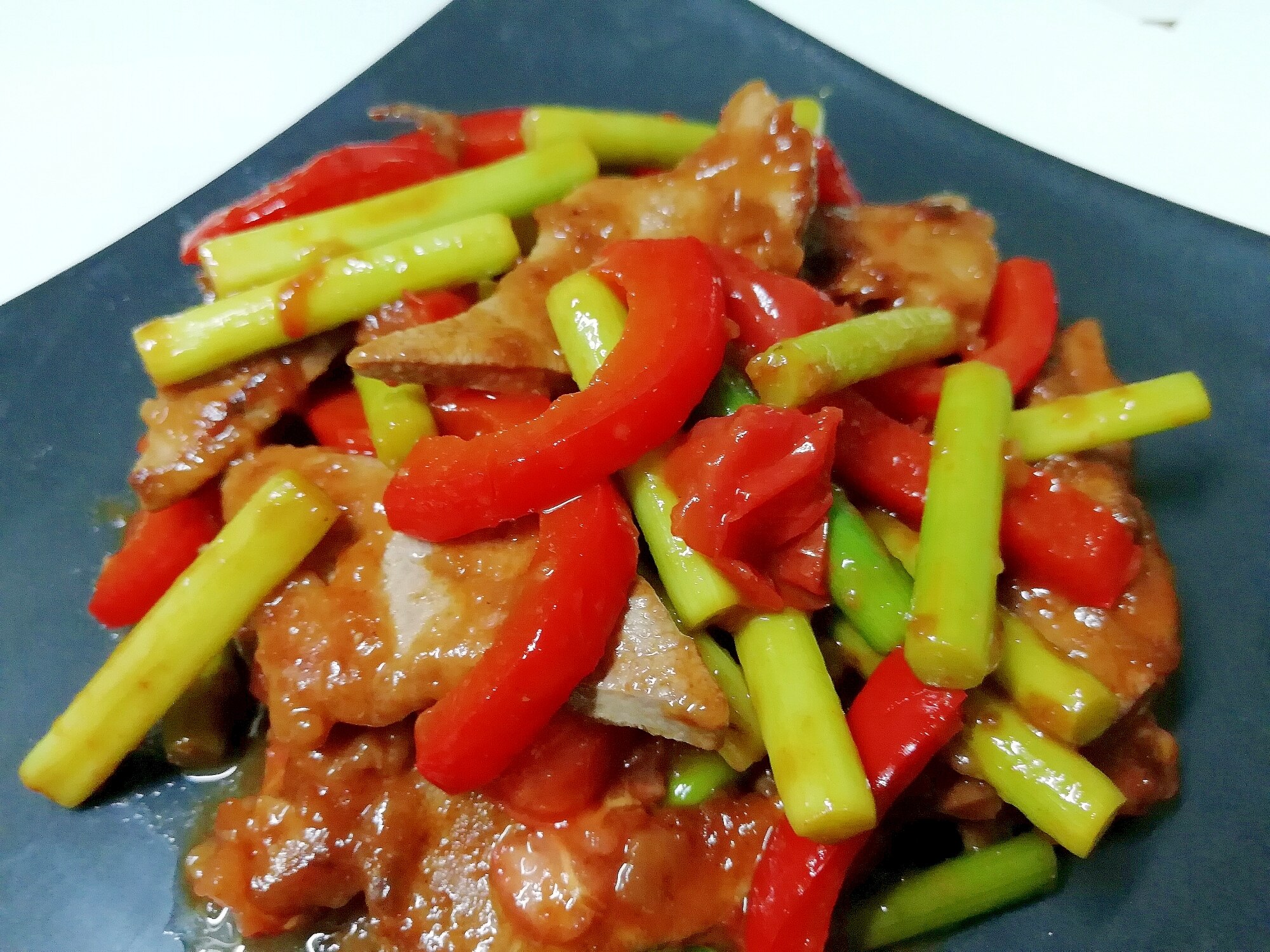
Pork liver remains one of the most concentrated dietary sources of bioavailable heme iron, containing approximately 13 milligrams of iron per 100 grams alongside dense reservoirs of vitamin A and riboflavin. Historically, Japanese izakayas served this cut as reba-nira (liver fried with garlic chives) or simmered in sweetened soy and mirin. While effective for manual laborers, those sticky profiles prove far too cloying for modern urbanites working in fluctuating air conditioning.
The current food styling movement strips away the grease. By positioning iron-rich offal dishes as brisk, acidic meals, creators have reframed liver from an acquired, heavy bar food into an essential tool for summer fatigue prevention. The contrast between hot, crispy meat and icy, acidic garnishes provides immediate sensory relief without sacrificing essential recovery nutrients.
Mastering the Prep: The Chemistry of Eliminating Liver Odor
The primary barrier preventing home cooks from preparing pork liver has always been its volatile aromatic profile. Fresh mammalian liver contains residual hemoglobin, myoglobin, and aliphatic aldehydes, which rapidly oxidize when exposed to air, creating a metallic, unpleasantly pungent smell. Removing these compounds requires systematic prep rather than aggressive masking.
Modern light offal cooking relies on a three-stage mechanical and chemical prep method:
- Cold Saline Purge: Sliced pork liver pieces are submerged in cold, lightly salted water for **10 to 15 minutes**. Gently massaging the pieces dislodges coagulated blood pockets from the central vessels.
- Aromatic Acid Soak: Instead of the traditional, calorie-dense milk bath, stylists use a quick liver marinade featuring grated raw ginger, crushed garlic, and dry sake. The alcohol binds to volatile organic amines, evaporating them during cooking, while gingerols actively neutralize residual fishy or metallic undertones.
- Moisture Evacuation: Every piece is drained thoroughly on heavy paper towels. Residual water creates steam in the pan, leading to soggy exteriors and trapped odor molecules.
Once dried, a light dusting of potato starch (katakuriko) seals the exterior. When dropped into a hot skillet with minimal oil, the starch gelatinizes instantly, producing a crispy shallow fry that shields the interior from moisture loss and locks in natural juices.
Citrus, Salt, and Radish: Three Flavor Profiles Replacing Heavy Glazes
The modern flavor architecture of refreshing pork liver relies on high acid, sharp alliums, and cooling root vegetables. Three specific sauce foundations dominate current Japanese food media, each providing a clean, bright counterpoint to the organ's natural minerality.
The first technique incorporates a light ponzu glaze. Instead of cooking the meat in sauce, the seasoned offal is pan-seared until golden, plated immediately, and drizzled with a flash-reduced mixture of citrus soy sauce, mirin, and fresh sudachi juice. The instantaneous contact preserves the delicate acidity without scorching the fruit sugars.
The second variation utilizes a pungent scallion salt lemon sauce (negi-shio lemon). Minced Japanese leek (negi), toasted sesame oil, coarse sea salt, and fresh lemon juice are tossed together raw, then spooned directly over hot liver strips. The residual heat from the meat slightly softens the scallions, releasing sweet, sulfurous aromatics while the sharp lemon cuts straight through the richness.
The third, and perhaps most cooling method, is the liberal application of grated daikon radish (daikon oroshi). Containing powerful digestive enzymes like amylase and protease, raw daikon aids gastrointestinal processing while cooling the palate. When folded with mild rice vinegar and torn shiso leaves, it turns fried pork liver into a crisp, hydrating salad topper.
Comparing Traditional Izakaya Offal with Modern Light Liver Plates
The structural differences between mid-century tavern offal preparations and contemporary citrus pork liver recipes illustrate a deliberate shift toward digestive lightness and temperature contrast.
| Culinary Dimension | Traditional Izakaya Style | Modern Light Summer Style |
|---|---|---|
| Primary Odor Removal | Heavy milk soaks or masking with caramelized sugar and garlic chives | Saline water purge followed by a fast ginger garlic soak and dry wiping |
| Cooking Method | Deep-frying followed by high-oil, high-sauce wok reduction | Potato starch coating with a quick, high-heat crispy shallow fry |
| Sauce Foundation | Soy sauce, oyster sauce, sake, and white sugar reduction | Ponzu glaze, yuzu kosho, lemon scallion, and grated daikon radish |
| Serving Temperature | Piping hot, heavily glazed, steam-trapping sauce | Hot, crunchy offal served over chilled noodles or icy broth |
| Starch Pairing | Steaming bowls of white short-grain rice or draft beer | Chilled somen, cold soba noodles, or sliced summer cucumbers |
Chilled Somen and Crispy Offal: The Rise of Cold Noodle Combinations
The peak expression of this culinary trend arrives with noodle pairings. Chilled somen noodles, delicate, wheat-based strands stretched thinner than vermicelli, are traditionally served with nothing more than diluted dashi, grated ginger, and sliced scallions. While hydrating, the dish lacks structural substance.
Culinary researcher Yukari's viral summer noodle recipes demonstrate how easily cold somen accepts seasoned meats without becoming greasy. In contemporary home test kitchens, chefs fry thinly sliced pork liver coated in cornstarch until the edges blister and crackle. Once cooked, the crispy liver is arranged over an arrangement of ice-chilled somen noodles, halved cherry tomatoes, and shaved cucumbers.
A cold tsuyu broth infused with rice vinegar and dashi is poured around the perimeter just before serving. The temperature dynamic keeps the noodle strands firm and refreshing, while the hot, savory liver anchors the meal. It mimics the textural appeal of tempura-topped soba while cutting out heavy batters and delivering significantly higher micronutrient density.
Practical Home Execution: Navigating Heat Control and Food Safety
Preparing pork liver safely while retaining its delicate, silken texture requires precise temperature control. Overcooking transforms offal into a chalky, sulfurous mess, while undercooking carries unacceptable microbial risks, notably hepatitis E and campylobacter.
Home cooks should aim for uniform slices measuring approximately 5 to 7 millimeters in thickness. Slices that are too thin will dry out completely before developing a golden exterior, while thicker cuts run the risk of remaining raw at the core.
When shallow-frying:
- Heat cooking oil in a wide non-stick skillet over medium-high heat until it shimmers, ideally reaching 175°C to 180°C (350°F).
- Lay the starch-dusted liver pieces in a single layer, ensuring they do not overlap. Crowding the skillet drops the surface temperature, causing the starch to absorb oil rather than crisping.
- Fry undisturbed for 90 seconds, flip once, and cook the reverse side for another 60 to 90 seconds. The internal temperature must reach 75°C (167°F) for food safety.
- Remove the meat to a wire rack immediately. Resting on a flat cutting board traps escaping steam, ruining the crust.
Tossing the rested pieces with a cold dressing just before hitting the table ensures the exterior stays audibly crunchy through the final bite.
Frequently Asked Questions (FAQ)
Q1: How can I tell if pork liver is fresh enough to cook with light seasonings?
Fresh pork liver should display a deep, uniform ruby-brown color with a moist, glossy sheen. The surface should feel elastic and bounce back when pressed lightly. Avoid packages with pools of cloudy liquid at the bottom, grey or yellowish edges, or any sour, ammonia-like odor before washing.
Q2: Can I substitute chicken or beef liver in these light summer recipes?
Chicken liver works exceptionally well with citrus glazes and grated daikon because of its soft texture and mild mineral profile, requiring shorter cooking times. Beef liver, however, is much denser and contains a stronger iron taste; it requires thinner slicing and a longer aromatic soak to work within light, acidic formats.
Q3: How long can citrus-dressed pork liver be stored as leftovers?
Cooked pork liver does not reheat well and should be consumed immediately. Stored in a refrigerator, the fats and proteins continue to oxidize, creating a dry texture and magnifying metallic flavors within **24 hours**. Prepare only what will be eaten during the meal.
The Evolution of Everyday Home Cooking
The transformation of pork liver from an aggressively seasoned pub snack into a crisp, cooling dinner component reflects a broader shift across Japanese domestic cookery. As summers grow longer and more punishing, rigid culinary distinctions between winter comfort proteins and summer diet plates are disintegrating.
By applying disciplined odor removal techniques, harnessing the bright lift of citrus reductions, and relying on cold noodle foundations, home cooks have unlocked a sustainable way to nourish exhausted bodies. Refreshing offal cookery demonstrates that seasonal adaptation does not require abandoning nutrient-dense staples; it simply demands a sharper knife, a hotter pan, and a splash of fresh citrus.