Before and After Results: Color Treatment vs. Color Shampoo Compared
Color Treatment vs. Color Shampoo: Before-and-After Results, Pigment Science, and Daily Hair Care
Between inflation-driven salon price hikes and the surge in double-bleached pastel tones, daily hair color maintenance has shifted from an occasional salon gloss to an exacting at-home ritual. Supermarket and pharmacy shelves now carry rows of purple toner shampoo, ash washes, and rich color-depositing conditioner tubs, all promising to revive fading shades or blend stubborn silver strands. Yet consumers regularly mix up the two distinct categories, leading to dull tones, patchy saturation, or dry fiber. The fundamental difference lies in their chemical formulation: as detailed in a technical livedoor ニュース Report, conventional permanent dyes belong to the quasi-drug category of oxidative hair dye, whereas color treatments and color shampoos fall under cosmetic dye regulations, relying on direct pigment deposition rather than alkaline cuticle swelling.
Choosing between a shampoo and a treatment is not a matter of brand preference; it is a mechanical decision dictated by your hair cuticle porosity, base shade, and desired pigment density. While a shampoo uses surfactant foam to neutralize unwanted brassiness during a brief two-minute cleanse, a treatment uses a lipid-rich emulsion to deliver deep semi-permanent dye saturation across 10 to 20 minutes of leave-in time. Understanding how these formulas behave on damaged versus virgin hair determines whether you achieve a salon-grade gloss or an accidental bathroom stain.
📌 Key Takeaways:
- The Formulation Divide: Color shampoos prioritize anionic or amphoteric surfactant cleansing with low-load direct dyes for tone maintenance, while color treatments function as cationic conditioners packed with dense pigment loads that bond to the hair shaft.
- Primary Applications: Shampoos excel at daily brassiness neutralization and color fading prevention on bleached hair; treatments provide targeted gray hair blending and vibrant deposit on porous lengths.
- Cuticle Interaction: Neither product opens the hair shaft like permanent oxidative dyes, but treatments seal open cuticle scales with conditioning agents, noticeably boosting light reflection and slip.
The Chemistry of the Cuticle: Cosmetic Dye Versus Oxidative Hair Color
Permanent salon color alters the hair through an aggressive chemical reaction. Ammonia or monoethanolamine swells the protective outer cuticle, allowing hydrogen peroxide and oxidative dye precursors to enter the cortex, strip natural melanin, and synthesize larger pigment molecules trapped within the fiber. This process permanently changes hair structure, often degrading protein bonds and elevating hair cuticle porosity.
Color shampoos and color treatments bypass this internal trauma entirely. Operating strictly as cosmetic acid dyes or basic semi-permanent dye solutions, they place pre-developed color molecules onto the cuticle exterior. The polarity of the hair drives this adhesion. Damaged, porous hair carries a strong negative electrostatic charge. Color treatments incorporate positively charged (cationic) quaternary ammonium compounds that latch directly onto these negative sites, coating the strand without breaking a single disulfide bond.
Because cosmetic dyes do not lift existing pigment, they cannot lighten dark hair. A brunette applying a platinum purple shampoo will see zero lift. However, on lightened, highlighted, or gray hair, these surface deposits change visible hue dramatically. The trade-off is longevity: because the pigments sit on the outer layer rather than inside the cortex, they wash away over three to ten shampoos depending on water temperature, porosity, and formula density.
How Color Shampoos Work: Lather Mechanics and Brassiness Neutralization
Color shampoo is primarily a cleanser infused with micro-pigments. Its primary role centers on color fading prevention and counteracting unwanted warmth that emerges as salon toner washes out. When blonde or silver hair oxidizes, underlying warm pigments, warm yellow, raw gold, or copper, surface. Formulators use the color wheel to balance this: violet cancels yellow, blue cancels orange, and green cancels red.
The challenge of color shampoo lies in lather physics. Traditional shampoos use anionic surfactants like sodium laureth sulfate to lift dirt and oil. These surfactants produce dense foam, but that very lather can dilute pigment contact against the strand. High-end modern formulas balance mild amphoteric surfactants with concentrated direct pigments to maintain lather density without washing out the active dye during rinsing.
Leave-in time determines the final payoff. Rinsing a purple toner shampoo immediately after lathering yields minimal tonal shift, roughly a 5% to 10% reduction in warmth. Letting the lather sit on wet hair for three to five minutes allows surfactants to degrease the strand while pigments make physical contact with open cuticle ridges. Leave it on longer, however, and high-porosity ends can turn over-toned or muddy, leaving behind an unintended lavender cast.
Color Treatments Decoded: Conditioning Base, Saturation, and Deep Pigment Deposition
Where shampoos rinse clean, color treatments rebuild cosmetic texture while depositing heavy pigment loads. Sold as color-depositing conditioners, masks, or color butters, these products feature rich emulsion bases containing cetyl alcohol, silicone derivatives, and natural plant lipids.
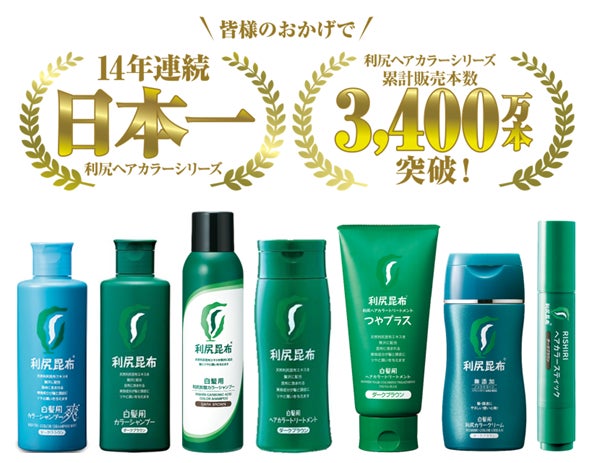
The mechanical goal is saturation. Because treatments carry thick, non-foaming consistencies, they adhere firmly to dry or towel-dried strands, locking high-concentration direct dyes against the hair fiber. Industry benchmarks demonstrate how well-crafted formulations capture consumer trust: Japanese beauty manufacturer Pure Co., based in Itoshima, Fukuoka and led by CEO Ichiro Inoue, reported that its Rishiri Hair Color series captured the national top sales share in the gray hair color treatment division for the 14th time in June 2025. This longevity reflects the market's demand for gentle, frequent root maintenance that restores softness without scalp burning.
Leave-in time and saturation dictate how deep the final shade appears. When applied to clean, damp hair for 10 to 20 minutes, a quality treatment covers the cuticle scales in a protective lipid sheath. The dye particles sit densely enough to obscure color contrast underneath. Furthermore, the low pH of conditioning bases (typically pH 3.5 to 5.0) causes the swollen cuticle to contract and lie flat against the shaft, producing noticeable mirror-like shine and eliminating the coarse, brittle texture typical of bleached hair maintenance.
Direct Comparison: Color Payoff, Lather Effects, and Cuticle Shine
Evaluating color shampoos against color treatments reveals stark contrasts in how each formula interacts with daily hair care routines.
| Performance Metric | Color Shampoo | Color Treatment / Mask |
|---|---|---|
| Primary Function | Brassiness neutralization, maintenance, cleansing | Deep pigment deposition, fiber nourishment, toning |
| Color Payoff (Single Use) | Translucent / Subtle (10, 25% shift) | Opaque / Significant (60, 90% shift) |
| Lather & Surfactant Action | Active lather; cleanses scalp sebum and residue | Zero foam; conditioning cream emulsion |
| Leave-in Time Required | 2, 5 minutes | 10, 25 minutes |
| Gray Hair Blending Power | Poor; cannot coat glassy, non-porous white hair | Strong; blurs emerging silver and root lines |
| Cuticle Shine & Finish | Neutral to slightly dry; requires post-conditioner | High gloss, detangling slip, smoothing lipid barrier |
| Typical Application Cadence | 2, 3 times weekly in place of standard shampoo | 1, 2 times weekly or every 3 washes |
Before-and-After Realities: Bleached Hair Maintenance Versus Gray Hair Blending
Visual outcomes from both product categories differ dramatically depending on whether you treat bleached hair or unpigmented silver strands.
On bleached hair at levels 9 to 11, the before-and-after from a purple toner shampoo is crisp and fast. Before application, the hair reflects dull, banana-peel yellow under daylight. After five minutes of shampoo lathering, yellow reflections disappear, replaced by an icy, beige-blonde sheen. However, the hair feels mechanically stripped if the formula contains heavy sulfates, requiring a dedicated repair mask afterward.
When applying a color treatment to that same bleached base, the outcome moves beyond maintenance into color transformation. A rose gold or smoky charcoal treatment applied for 15 minutes transforms pale blonde into a saturated, reflective pastel shade. Before the treatment, porous bleached ends look rough, prone to flyaways. Afterward, the cationic conditioning matrix smooths down the cuticle layer, restoring light refraction and creating a silky surface that feels freshly glossed.
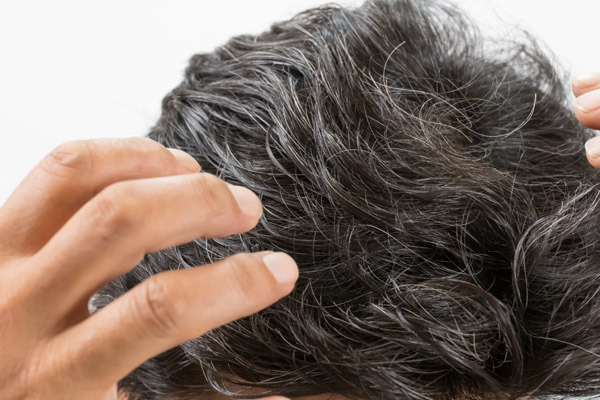
Gray hair introduces an entirely different challenge. Gray strands lack melanin, but their cuticles are notoriously thick, smooth, and resistant to dye penetration. As beauty editors at MSN have documented, color treatments offer an ideal entryway for people noticing their first scattered gray hairs along the temples and natural partings. Rather than committing to harsh chemical touch-ups every four weeks, users can coat those visible gray patches with a brown or dark ash treatment. The treatment does not turn the white hair pitch black; instead, it tints the strand into a soft highlight, blending silver into dark hair.
A color shampoo cannot pull off this gray coverage. Because shampoos interact with hair through quick foam contact, the micro-pigments slide right off the non-porous surface of white hair, leaving gray roots untouched while staining fingernails and shower tiles.
Application Protocols to Prevent Scalp Staining and Patchy Tone
Both formulas present practical risks if mishandled, with scalp staining and uneven patchiness topping the list of consumer complaints.
Color shampoos should be worked into a rich lather between wet palms before touching the scalp. Never pour purple or dark blue shampoo directly onto dry hair or a dry crown; the localized surfactant concentration will deposit an uneven purple blotch right at the front parting. Work the foam from root to tip, comb through with a wide-tooth shower comb to ensure even lather distribution, and rinse thoroughly until the water runs clear.
Color treatments demand sectioning and precision. Because these emulsions carry dense dye loads, apply them to damp, thoroughly towel-dried hair. If hair is dripping wet, water dilutes the cationic conditioning agents and causes the dye to run down the neck and foreheads.
- Wear vinyl or nitrile gloves to prevent direct dye absorption into fingernails and cuticles.
- Apply a thin layer of petroleum jelly or thick barrier balm along the hairline, ear tops, and nape before applying deep brown or vibrant red treatments.
- Section hair into four quadrants, applying with a tint brush or gloved hands, then comb through to avoid pooling pigment in hyper-porous ends.
- Rinse with lukewarm or cool water; hot water expands cuticle scales, stripping freshly deposited surface pigments down the drain.
Frequently Asked Questions (FAQ)
Q1: Can I use a color shampoo and a color treatment together in the same shower session?
A1: Yes, but only if you are targeting specific outcomes. You can wash with a clarifying or regular shampoo first, then apply a color treatment for deep pigmentation and shine. Alternatively, you can use a purple toner shampoo to cleanse and neutralize brassiness at the roots, followed by a clear, non-pigmented deep conditioner on the ends. Layering a pigmented shampoo directly with a pigmented treatment can overload porous hair, creating muddy, dull undertones.
Q2: Will color treatments or shampoos permanently alter my virgin, uncolored hair?
A2: No. Because neither product contains ammonia or peroxide, they lack the chemical power to lift or penetrate virgin hair cuticles. While very pale virgin blonde hair might pick up a temporary tint, dark brown or black virgin strands will show zero color shift, though the conditioning base of a treatment will still provide shine and detangling.
Q3: How do I remove unexpected staining on my scalp or bathroom grout?
A3: For skin and scalp staining, immediately massage the area with an oil-based cleanser, micellar water, or a mix of gentle face wash and baking soda, then rinse with warm water. For acrylic tubs and porous bathroom tiles, direct cosmetic dyes can set quickly. Spray the surface with a bleach-based bathroom cleaner or hydrogen peroxide solution within minutes of contact to prevent permanent discoloration.
Selecting Your Regimen: Balancing Cleansing Power with Pigment Density
Building an effective home maintenance routine comes down to matching the product's physical properties to your hair's chemical state. If your primary goal is combating brassiness on salon-highlighted hair without changing your shower routine, a purple or blue color shampoo used twice a week delivers low-friction tonal control. It cleanses the scalp, preserves cool blonde notes, and prevents early fading between toner appointments.
If your priorities include masking early gray roots, rejuvenating rough, bleached hair, or adding rich copper or brunette tones to faded ends, a color treatment is the correct tool. Its concentrated pigment load and acidic conditioning base restore manageability to open cuticles while delivering deep pigment saturation that no foaming cleanser can match. Analyzing your hair's cuticle condition before reaching for a bottle ensures your strands stay nourished, vibrant, and evenly toned.