'Bigger Than My Face': Chinatsu Wakatsuki's Shocking Coming-of-Age Wolf Hair Photo Shakes the Internet
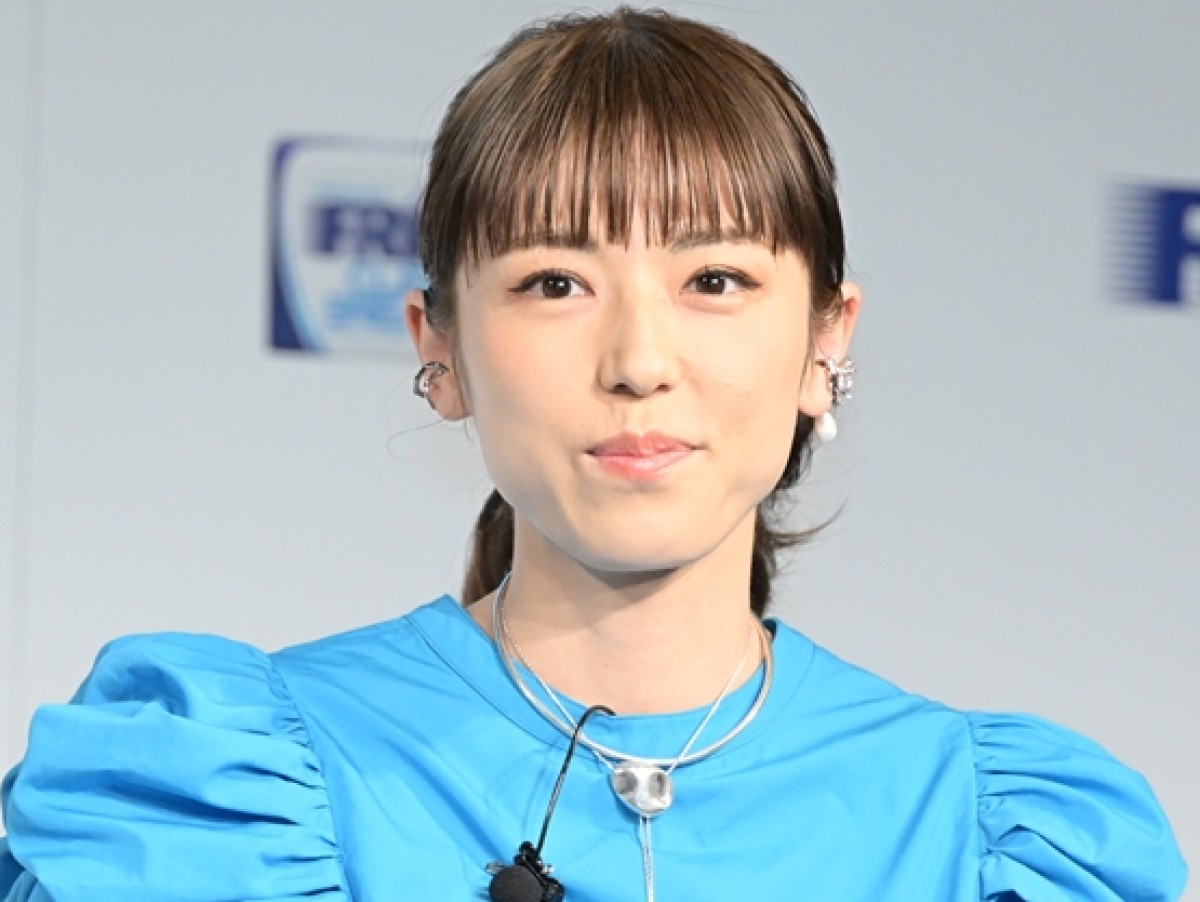
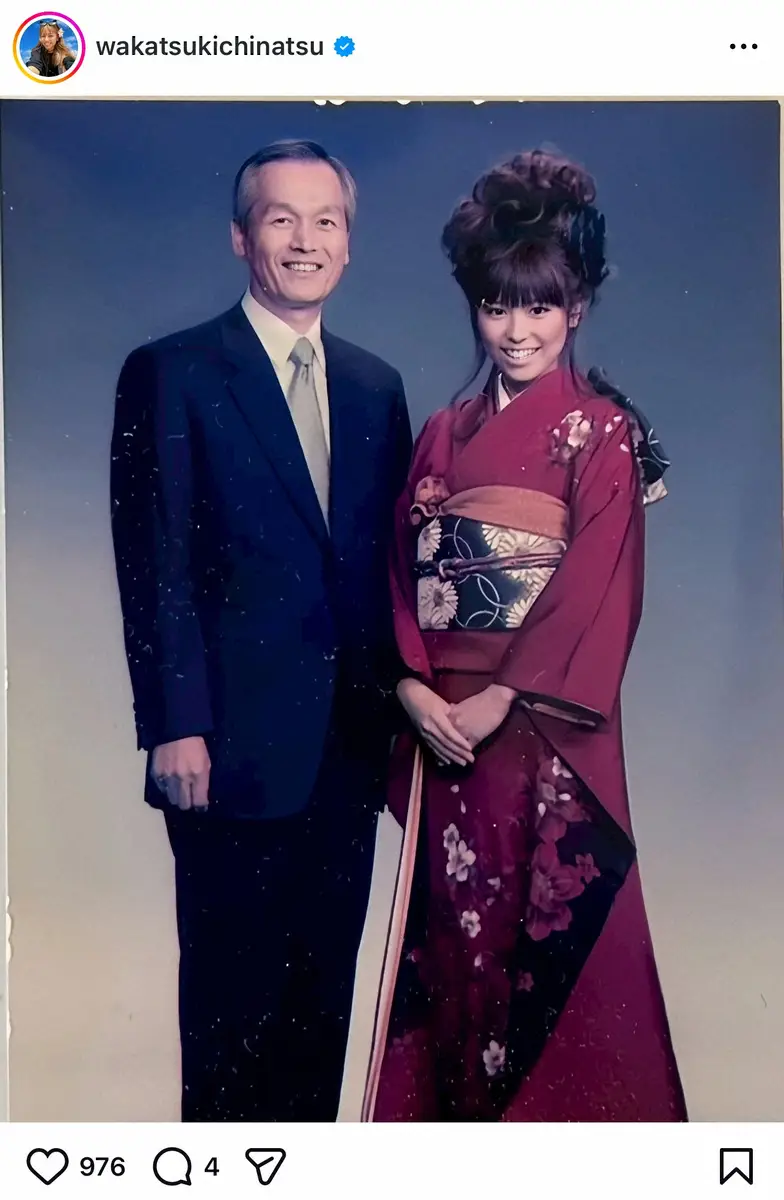
Every January, Japan’s Coming-of-Age Day (Seijin no Hi) produces an ocean of pastel silk, crisp hakama trousers, and manicured updos. On January 12, 2026, television personality and entrepreneur Chinatsu Wakatsuki decided to shatter that subdued aesthetic. Wakatsuki, 41, uploaded a 21-year-old archival photograph from her own ceremony that stopped social media feeds in their tracks. Framing her traditional crimson furisode was an enormous, gravity-defying, hyper-teased wolf shag that stood wider than her shoulders.
The image quickly spread across Japanese digital platforms. As detailed in the livedoor ニュース Report, fans flooded the post with laughter, praise, and nostalgic disbelief. Wakatsuki's self-deprecating caption resonated deeply with parents and stylists alike: "Even if my daughter attends her Coming-of-Age ceremony with hair bigger than her face, I want to be the parent smiling right beside her." The viral moment highlights a broader cultural reappraisal of mid-2000s youth aesthetics, where extreme Heisei-era personal expression met one of Japan's most formal rites of passage.
⚡ Executive Summary:
- The Viral Event: Television personality Chinatsu Wakatsuki shared her 2005 Coming-of-Age Day photograph on January 12, 2026, showcasing a massive, hyper-teased wolf cut alongside her father.
- The Cultural Context: The hairstyle represents the pinnacle of mid-2000s Heisei gyaru fashion and morigami (sculpted voluminous hair), which aggressively defied traditional kimono styling conventions.
- Modern Significance: With Gen Z actively reviving mid-2000s street fashion in 2026, Wakatsuki’s post sparked fresh interest in edgy, layered wolf cut styling for formal furisode wear.
The Instagram Post That Ignited Coming-of-Age Day
Wakatsuki entered the entertainment industry in the early 2000s, quickly rising as a prominent variety show star and fashion icon defined by her quick wit and unfiltered personality. Now a mother of two and the founder of her own fashion label, her choice to post unedited photographs from her 20th birthday ceremony surprised followers accustomed to polished promotional feeds.
The photograph features Wakatsuki clad in a classic red furisode patterned with seasonal blossoms, but her hair dominates the frame. Cut into an aggressive, heavily layered shag, the top and crown sections were backcombed into an expansive cloud of volume, while razor-thinned ends trailed over her shoulders. Beside her stood her father, whose sharp suit and composed presence prompted an immediate wave of comments pointing out his handsome appearance alongside his daughter's runaway silhouette.
Online reactions spanned generations. Older fans who lived through Shibuya's gyaru heyday recognized the exact can of high-hold spray required to keep that shape intact for eight hours of ceremonies. Younger commenters, currently immersed in the Y2K style revival, expressed admiration for the unapologetic boldness of the silhouette. Within hours, the image accumulated thousands of comments celebrating the balance between maternal humor and fashion history.
Anatomy of 2000s Morigami and the Shibuya Gyaru Wolf Cut
To understand the visual impact of Wakatsuki's look, one must look at the hair styling landscape of 2005. During this window, youth fashion in Tokyo operated under the philosophy of maximum volume. The Japanese shag wolf cut (urufu katto) had migrated from rock stages directly into mainstream street subcultures, fueled by salon culture in Shibuya and Harajuku.
When adapted for formal events, this cut evolved into early iterations of morigami (literally "piled-up hair"). Stylists achieved the look through intense mechanical work rather than digital trickery:
First, barbers and stylists heavily thinned out the perimeter with thinning shears or razors, leaving feathered, wispy tails around the nape and collarbones. Second, the entire upper section, stretching from the parietal ridge to the crown, was cut short to create an internal support scaffold. Finally, backcombing (teasing) was executed section by section from the roots, locked into place with industrial-strength lacquer sprays.
Traditional kimono etiquette demands hair swept clean of the neck, exposing the nape (emunokou) to emphasize the graceful slope of the garment's collar. Wakatsuki's towering wolf cut completely inverted that aesthetic code. It concealed the nape, expanded horizontally, and demanded attention before the embroidery of the kimono could even register.
Two Decades of Seijin Shiki Styling Evolution
Coming-of-Age styling has experienced sharp shifts between extreme rebellion and hyper-conservatism over the past twenty years. Understanding where Wakatsuki's 2005 aesthetic sits clarifies why it looks so startling against current formal wear trends.
| Style Era | Dominant Hair Silhouette | Furisode Coordination | Core Philosophy |
|---|---|---|---|
| Mid-2000s (Heisei Gal) | Extreme teased wolf, loose curls, high-contrast blonde or copper highlights | Vivid red or black silks, gold embroidery, heavy accessories | Individual rebellion; personality overshadowing traditional formality |
| 2010, 2018 (Neo-Classic) | Low chignons, intricate braided crowns, natural dark brown tones | Pastel florals, retro-modern patterns, subtle obi ties | Refinement, social harmony, photogenic softness for early mobile media |
| 2024, 2026 (Neo-Y2K Hybrid) | Textured wolf cuts with wet finishes, sleek micro-braids, or pinned tendrils | Monochrome palettes, leather accents, vintage upcycled silks | Curated contrast; honoring lineage while breaking traditional silhouettes |
The contrast between these eras explains why Wakatsuki's post hit such a powerful emotional nerve. During the 2010s, formal styling turned intensely uniform, dominated by safe, braided updos designed to avoid social criticism. Seeing Wakatsuki's untamed 2005 silhouette reminded the public that Coming-of-Age Day was once a laboratory for fearless experimentation.
Parental Acceptance and the Shift in Coming-of-Age Norms
Beyond the architectural curiosity of teased hair, the viral conversation centered on Wakatsuki’s commentary regarding her daughter. Her commitment to be the parent who smiles beside an eccentric child points to an evolving mindset among Japanese parents.
In 2005, extreme personal styling at municipal Seijin Shiki ceremonies often triggered fierce public debates. Older community members frequently criticized young attendees for disrespecting traditional dress codes with bleach, fake eyelashes, and untidy silhouettes. Parents often faced scrutiny if their children appeared too loud or rebellious.
Wakatsuki's perspective turns that old anxiety on its head. Now standing on the parental side of the divide, she reframes the ceremony not as a conformity test for society, but as a celebratory milestone for the young adult. By stating she would gladly smile beside a daughter wearing hair bigger than her face, Wakatsuki affirmed parental solidarity over social conformity.
How to Wear a Wolf Cut with Furisode in 2026
Inspired by vintage celebrity photos, many young adults entering ceremonies today are ditching standard updos. The modern Japanese shag wolf cut offers an edgy alternative that bridges youth culture and formal heritage, provided the balance is handled intentionally.
Modern salon practitioners suggest several strategies to harmonize a shaggy haircut with silk formal wear without producing an unmanageable silhouette:
Focus the texture on the interior rather than sheer outward volume. Instead of dry teasing that expands the silhouette, modern stylists use lightweight balms and texturizing waxes to create defined, separated ends that curve around the jawline. This maintains the edgy wolf identity while keeping the neckline clear enough to showcase the kimono's collar construction.
Use hair accessories as structural anchors. Rather than relying solely on pins, contemporary stylists integrate metallic combs, leather cords, or minimalist floral pieces directly at the junction where the shag layers separate. This grounds the casual nature of the haircut in the deliberate elegance of ceremonial dress.
Frequently Asked Questions (FAQ)
Q1: Who is Chinatsu Wakatsuki, and why did her Seijin Shiki photo gain viral attention?
A1: Chinatsu Wakatsuki is a well-known Japanese television personality, entrepreneur, and former gravure model who debuted in the early 2000s. Her photo went viral because it captured her 2005 Coming-of-Age Day look featuring an enormous, hyper-teased wolf shag haircut paired with a traditional red furisode, accompanied by an affectionate, witty caption about raising her own daughter.
Q2: Can someone wear a wolf cut to a formal Coming-of-Age ceremony without looking unkempt?
A2: Yes. Unlike the dry, backcombed looks of the mid-2000s, modern salon techniques use defined wet-look balms, subtle under-pinning, and strategic accessories. This keeps the edgy layers of the wolf cut visible while respecting the structural lines of the furisode collar.
Q3: What does the term "morigami" mean in Japanese hair fashion?
A3: Morigami (盛り髪) translates directly to "piled-up" or "volumized" hair. It refers to a styling movement popularized by mid-2000s Heisei gal magazines such as Koakuma Ageha, where hair was aggressively teased, curled, and lacquered into massive, architectural shapes for night events and celebrations.
Why the Heisei Hair Wave Still Matters
The widespread amusement sparked by Chinatsu Wakatsuki's throwback photo proves that personal style leaves a lasting footprint. While the proportions of 2005 may draw laughter two decades later, they represent an era when youth culture boldly reshaped formal traditions to fit its own identity.
Wakatsuki's willingness to celebrate her over-the-top past offers a refreshing lesson in self-expression. Rites of passage exist to mark growth, independence, and the passage of time. Whether one chooses pristine heritage chignons or defiant, layered shags, the real measure of the milestone lies in owning the choice with absolute confidence.