Black vs White Quickle Wiper: Visual Durability and Aesthetic Test in Real Living Spaces
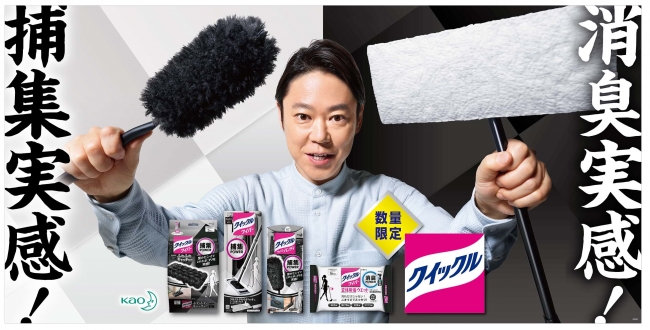
For three decades, Japanese floor maintenance relied on an unspoken domestic rule: cleaning tools belong out of sight. That changed when Kao Corporation turned its utilitarian household mop into an aesthetic object. While Western apartments lean heavily on heavy cordless vacuums, Japanese urban apartments rely on the Kao Quickle Wiper body, an ultra-slim, pivoting flat mop engineered for silent, daily passes across wood, tile, and woven rush mats. As detailed in a recent 暮らしニスタ on MSN Report examining domestic upkeep rituals, the tool remains an essential instrument for floor-to-ceiling cleaning, even as living spaces become more compact.
(Source: 暮らしニスタ on MSN: "クイックルワイパーの使い方!〈最後の1ミリまで使い切る〉もう端 ...")
The introduction of the matte black edition disrupted the standard clinical white design that dominated shelves for generations. What started as a limited-edition run has turned into an ongoing debate among design-conscious homeowners. Does the dark finish actually hold up against physical scuffs, or does it merely trade yellowing plastic for visible chalky dust? We put both versions through months of friction, wall-dusting, and corner impacts to evaluate their real-world durability and visual impact.
📌 Key Takeaways:
- Design Integration: The matte black edition floor wiper eliminates the utility-closet look, blending directly into modern industrial and dark timber interiors.
- Dust Contrast Reality: Black wiper heads display fine airborne lint and pet fur instantly on the tool itself, whereas the classic white mop handle hides cosmetic dust but discolors over long exposure to sunlight.
- Surface Mechanicals: Both editions share identical flexible EVA cushion patterns and swiveling joints, delivering uniform pressure across hardwood, tile, and tatami.
How a Japanese Utility Staple Turned Into a Design Statement
Kao first introduced the Quickle Wiper in 1994, fundamentally shifting Japanese household floor care away from heavy wet mops toward dry electrostatic wipes. For over twenty years, the hardware retained an unassuming, hospital-adjacent aesthetic: clinical off-white shafts, lavender accents, and translucent rubber cushions. It was an appliance designed to hide inside narrow broom closets or under kitchen sinks.
In autumn 2017, Kao tested a bold marketing pivot. The company launched its "Cleaning Power Experience Campaign," introducing limited-edition white and all-black models. To cement the visual departure, Kao recruited fashion model Miki Ehara for its "Stylish Challenge" campaign, styling the wiper as an architectural accessory rather than a cleaning chore. Japanese consumers reacted strongly. Minimalist urban dwellers refused to tuck the tool away in cupboards. Leaving the wiper standing in living room corners encouraged faster, more frequent micro-cleaning routines, transforming a weekly task into an effortless daily habit.
Visual Wear: The Black Finish Under Daily Scuffs and Direct Light
Cosmetic durability separates these two tools after months of contact with skirting boards and table legs. The classic white mop handle uses unpainted, pigment-infused ABS plastic along its modular pole sections. When the white handle strikes baseboards or aluminum bed frames, minor abrasions blend into the pale background. However, white handles suffer from progressive UV degradation; years near south-facing balcony windows turn the pale polymer into a faded, yellowed cream.
The black edition floor wiper takes the opposite performance trade-off. Kao treated the black shaft with a tactile matte finish that looks striking out of the box. During our friction testing, dragging the black mop head against rough plasterboard walls left faint white powder marks along its outer rubber bumper. While these marks wipe clean with a damp rag, high-velocity collisions with painted timber furniture can leave faint scratches on the matte finish.
Dust tells another story. While the black mop makes white sheet attachment simple, the black head attracts visible airborne lint through static electricity. Ten minutes after sweeping a dusty hallway, the upper face of the black head carries a visible halo of gray dust. The classic white head collects the same static layer, but its pale finish masks the buildup completely.
Head-to-Head Hardware Breakdown: White Classic vs. Black Edition
Both models share the same modular aluminum core and four-point rubber sheet locks, yet real-world ownership exposes distinct functional trade-offs.
| Feature / Metric | Classic White Model | Black Edition Model |
|---|---|---|
| Base Material & Coating | Molded white ABS plastic with aluminum tube core | Matte-coated dark resin with black anodized pipe |
| Scuff Mark Resistance | High; baseboard scrapes remain virtually invisible | Moderate; white plaster transfers clearly onto bumpers |
| Static Dust Visibility | Low; hides ambient dander on top surfaces | High; gray static lint shows immediately on top plate |
| UV / Aging Stability | Prone to slight yellowing after 2, 3 years in sunlit rooms | Zero yellowing; retains deep charcoal tone indefinitely |
| Retail Price (Japan Base) | ¥1,600, ¥1,900 ($10.50, $12.50 USD) | ¥2,200, ¥2,600 ($14.50, $17.00 USD) |

Multi-Surface Agility: Hardwood, Tatami, and Ceilings
The Kao Quickle Wiper body succeeds across diverse homes thanks to its curved, diamond-patterned EVA head. Rather than pressing flat against floorboards, the cushion arches outward in the center. This geometry concentrates downwards pressure along the middle while letting the edges capture loose grit, maximizing dry dusting sheet efficiency.
On wide-plank hardwood, the head drops completely flat under low furniture. At just 3 centimeters of clearance, it slips beneath media consoles where traditional robot vacuums wedge themselves solid. Turning the tool to tatami cleaning care requires deliberate technique: users must glide the head strictly parallel to the woven rush fibers. The gentle curve of the base plate prevents snagging delicate straw, collecting dander trapped inside the weave without the abrasion of rotating brush bars.
Reaching upwards reveals the benefit of the tool's 340-gram total weight. The four-piece pole locks together using spring-loaded push pins that resist bending during wall and ceiling dusting. Running an electrostatic sheet across ceiling corners lifts cobwebs and loose drywall particles without showering debris over furniture. The universal socket swivels 360 degrees, staying flat against vertical walls without twisting out of the user's grip.
Long-Term Wear: EVA Cushion Breakdown and Joint Fatigue
Every flat mop faces mechanical fatigue, and the Quickle Wiper is no exception. Its primary point of failure sits in the rubber retention sockets on top of the head. Users secure wipes by pushing the corners into four star-shaped silicone slits. Over two to three years of daily sheet swaps, these rubber teeth stretch. Thin non-woven sheets can slip out of worn sockets during brisk passes, requiring users to manually press the slits back into shape.
The flexible base plate also ages over time. Heat and moisture from damp, disinfectant wet sheets eventually degrade the synthetic EVA foam. If left standing wet on bathroom tile, the foam cushion slowly hardens, losing its springy arch. Once the head flattens completely, contact pressure drops, leaving uncollected dust patches along the center of the sweeping path. Replacing the head assembly every three to four years restores full floor contact.
Room Aesthetics and Cleaning Habits: Selecting Your Finish
The choice between white and black comes down to interior finishes and home storage habits rather than pure sweeping mechanics.
Choose the Black Edition if:
- Your home features dark walnut flooring, exposed concrete, black metal framing, or deep charcoal accent walls.
- You keep minimalist home cleaning tools out on display on magnetic wall hooks for immediate cleanup.
- You use high-contrast black microfiber sheet attachments and patterned cleaning wipes that look out of place on a medical-white mop.
Choose the Classic White if:
- Your rooms feature light Scandinavian pine, bleached oak, or warm, bright neutrals.
- The mop will live inside a dark laundry closet or utility cupboard between uses.
- You have long-haired pets with light coats. White fur resting on a black mop head creates an untidy appearance even when the tool is clean.
Frequently Asked Questions (FAQ)
Q1: Can third-party microfiber cloths attach to the Kao Quickle Wiper body?
A1: Yes. Any microfiber cloth measuring roughly 200 mm by 300 mm fits into the four corner slots. Because standard microfiber cloths are thicker than Kao's single-use electrostatic sheets, push the edges into the locking slits using a blunt tip like the handle of a teaspoon to avoid tearing the silicone.
Q2: Does the black edition scratch easily against baseboards?
A2: The black aluminum pole resists scratching well, but the black rubber edge on the head picks up chalky transfer marks when bumped against white walls. These marks usually wipe off with a damp cloth, though hard impacts against sharp metal corners can leave permanent nicks.
Q3: How should I sanitize the mop head without ruining the foam cushion?
A3: Detach the pole and wash the bottom rubber plate under cool running water using mild dish soap. Avoid high-percentage alcohol sprays, boiling water, or petroleum solvents, as these dry out the flexible EVA rubber and cause premature cracking.
The Evolution of Japanese Floor Maintenance
The split between Kao's classic white and matte black wipers shows how utility products have shifted into intentional domestic design. Modern apartment living leaves little room for hidden storage, forcing everyday tools to sit in plain view. By stripping away bright accents and refining the wiper into clean monochrome finishes, Kao turned routine floor care into an unobtrusive habit. Whether you prioritize the clean, practical camouflage of the white model or the understated look of the black edition, the underlying hardware remains the standard for silent, effortless home care.