Built-in Security Tested: Inside the Modern Slash-Proof Anti-Theft Tote Bag
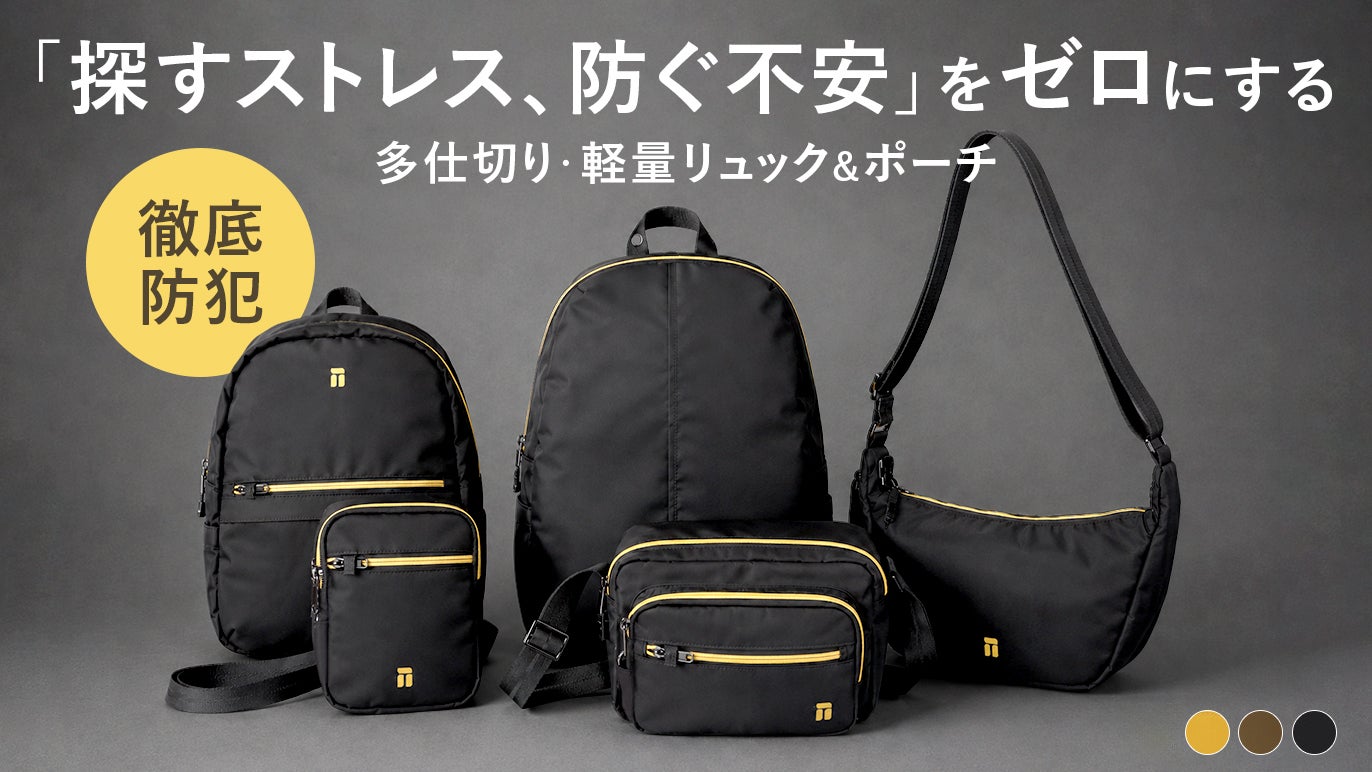
The open-top tote bag remains one of the world's most ubiquitous everyday carry items, yet its sheer vulnerability makes it a magnet for transit pickpockets. Commuters on crowded trains and globetrotters negotiating busy terminals routinely balance convenience against exposure. In high-density transit hubs across Tokyo, Paris, and New York, opportunists target open canvas totes simply because hands can slip inside undetected. In response, gear manufacturers have pushed an aggressive wave of reinforced accessories, highlighted by recent releases like the METODO security series launched by FlukeForest on Creema SPRINGS, detailed in a comprehensive PR TIMES Report outlining seven distinct layers of built-in personal defense.
This technical transition aims to turn a floppy cloth bag into a hardened commuter vault. Today's anti-theft commuter tote relies on slash-resistant fabric, interlocking pulls, and cut-proof shoulder straps laced with high-tensile steel wire. The question for travelers and daily workers is straightforward: do these engineered barriers actually foil seasoned pickpockets, or do they just add empty weight and hassle to a minimalist design?
📌 Key Takeaways:
- Core Vulnerability: Standard unzipped totes give opportunistic pickpockets direct line-of-sight access within a two-second window.
- Defensive Engineering: Modern protective designs combine hidden internal security compartments, UHMWPE cut-proof weave, and latching zippers to disrupt stealth access.
- The Behavioral Reality: Hardware safeguards stop quick-dip thieves and slash-and-run operators, but situational awareness remains essential against bag-snatching or unattended theft.
Why the Classic Open Tote Became a Commuter Vulnerability
The standard canvas tote was designed for grocery shopping, beach trips, and casual utility. It was never intended to transport a $1,200 smartphone, contactless credit cards, wireless earbuds, and house keys across crowded subway corridors. A national consumer survey of 500 women aged 20, 60 conducted by tote bag specialist ROOTOTE revealed that tote bags remain the undisputed favorite carryall for warm-weather outings. Yet that very popularity introduces substantial personal risk. An open mouth resting loosely on a commuter's shoulder leaves the bag's interior visible to anyone standing slightly behind on an escalator or platform.
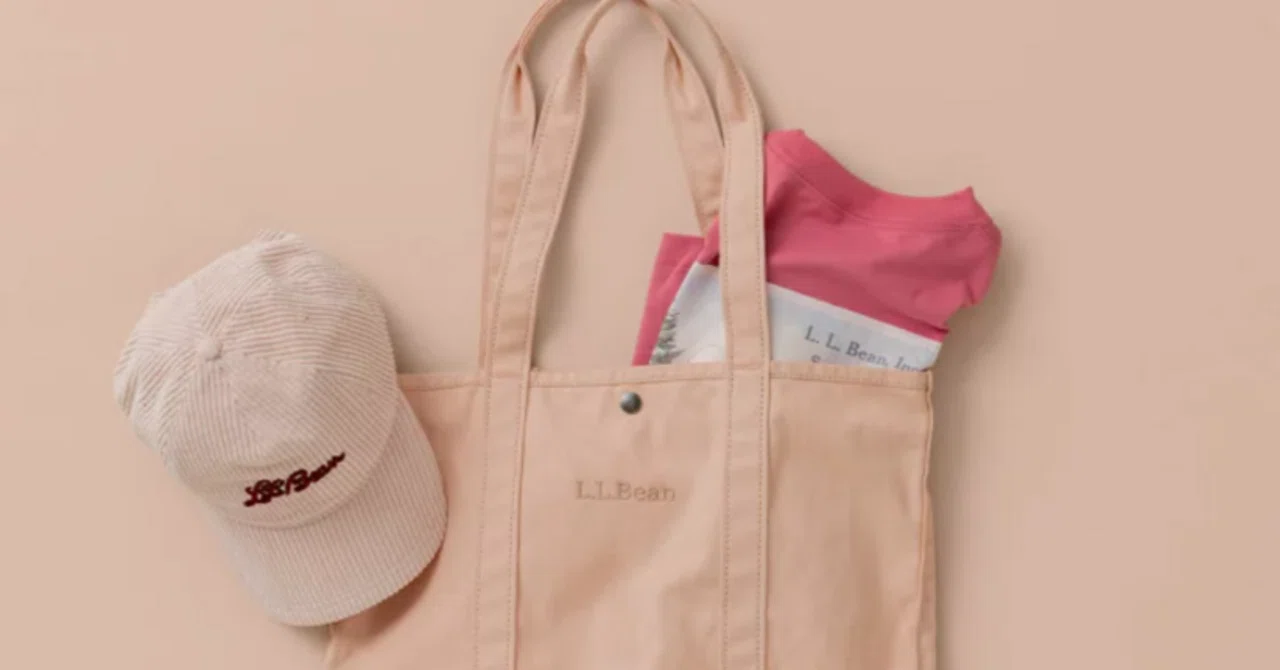
The pickpocketing mechanism in transit rarely relies on dramatic confrontation. Instead, perpetrators practice brief physical contact during braking transit cars or airport bottlenecks. A hand slides past the fabric lip, hooks the wallet, and retreats in under three seconds. When travel writers debate packing strategies, often comparing oversized canvas options like L.L.Bean's grocery totes against structured daypacks, the core trade-off centers on swift access versus physical safety. A simple open-top carry offers unmatched convenience when stashing extra layers or souvenirs. That convenience evaporates the moment an open rim turns into an easy target on an overseas subway line.
The Anatomy of Hardware Defense: Zippers, Wires, and Steel Weaves
Engineering physical defense into a soft-sided tote requires structural changes beneath the outer skin. The first line of defense is a recessed zipper top closure paired with mechanical locking zippers. Basic coil zippers can be forced open with a standard ballpoint pen tip and resealed without a trace. Anti-theft totes counter this tactic by deploying puncture-resistant dual-layer zips fitted with carabiner-style snap locks, spring hooks, or barrel turn-locks. These fasteners do not require padlocks. Instead, they require two coordinated finger movements to unhook, eliminating swift, single-handed theft in a packed crowd.
Deeper in the build sits slash-resistant fabric. Manufacturers laminate ultra-high-molecular-weight polyethylene (UHMWPE) or aramid mesh behind heavy-duty 400D, 900D Cordura nylon. If a thief executes a bottom-slash maneuver with a razor blade, a common tactic in crowded markets across Southern Europe and Latin America, the razor cuts the outer aesthetic cloth but catches on the cut-proof matrix, keeping the cargo inside. Complementing this is the integration of cut-proof shoulder straps. Flexible dual steel cables run through the webbing, preventing grab-and-dash thieves on motorbikes or scooters from slicing the carry straps and speeding away.
How Protective Totes Measure Up Against Everyday Threats
Evaluating an anti-theft commuter tote requires weighing each security mechanism against actual street methods rather than speculative marketing promises. The matrix below shows how common defensive features withstand realistic theft techniques encountered in daily transit and international travel.
| Defensive Feature | Targeted Threat Vector | Protective Rating | Operational Compromise |
|---|---|---|---|
| Latching & Locking Zippers | Stealth pickpocketing & crowd dips | High | Slows fast retrieval of metro passes |
| Slash-Resistant Fabric Liner | Razor slashing on packed trains | Very High | Increases empty bag weight by 200, 350g |
| Steel Cable Straps | Drive-by cut-and-run snatching | Very High | Slightly stiffer drape over shoulders |
| RFID-Blocking Pocket | Remote wireless card skimming | Moderate | Blocks transit pass tap-to-pay if kept inside |
| Luggage Pass-Through Strap | Snatch-and-run off rolling luggage | High | Adds minor bulk to the bag's back panel |
The RFID Myth and What Actually Protects Everyday Carry
Marketing campaigns often highlight the RFID-blocking pocket as an essential shield against electronic theft. In reality, remote skimming of chip-based payment cards in transit crowds represents an exceptionally small slice of verified property crimes. Contemporary EMV chip credit cards rely on rotating cryptographic codes, making raw cloned wireless captures useless for fraudulent transactions. The genuine protective benefit of these pockets comes from where designers locate them inside the tote. Brands typically stitch RFID-shielded slots into deep, hidden security compartments flush against the wearer's torso, shielding them physically from nimble fingers.
True everyday carry security relies on deliberate physical architecture, not metallic mesh fabrics alone. A luggage pass-through strap, for example, prevents opportunistic roll-aboard grabs at check-in desks. Sliding a tote over the trolley handle anchors it to the suitcase frame, stopping airport floor thieves who target bags resting loosely on top. Similarly, a discreet anti-theft design eliminates the militaristic tactical look that screams high-value gear. The best defensive totes look like regular waxed canvas or tailored office leather bags, completely concealing their interior wire mesh and zip anchors from plain sight.
Who Benefits Most and Who Should Skip Anti-Theft Totes
Hardened carry gear is not a universal fit for every routine. Commuters traveling through low-density suburbs or driving directly from home to office rarely justify the extra weight and mechanical friction of secured totes. For that workflow, an ultra-lightweight cotton tote or standard grocery carrier provides simple, unencumbered utility.
The anti-theft tote pays dividends in high-risk environments. It excels as an international travel sub-bag safety carryall in transit hubs, crowded metropolitan lines, and tourist centers where distraction theft is common. Professionals who move through crowded terminals carrying high-value electronics, enterprise passports, and expensive company gear also gain meaningful peace of mind. For these commuters, the minor hassle of unhooking a latching zipper pull is a worthwhile trade-off against losing an essential device mid-commute.
Frequently Asked Questions (FAQ)
Q1: Can locking zippers be forced open without tools?
A1: Quality anti-theft totes employ reinforced burst-proof coil or tooth designs alongside latching hardware. Standard zips can split open when pressed with a ballpoint pen tip, but dual-layer security zippers resist sharp-point puncturing, denying swift silent entry.
Q2: Does slash-resistant fabric make the tote heavy and stiff?
A2: Modern composites such as UHMWPE offer superior tensile strength at low weight. While an anti-theft tote weighs roughly 200, 350 grams more than an unlined cotton alternative, it drapes comfortably and avoids the rigid, bulky profile of older defensive packs.
Q3: Is an RFID-blocking compartment truly necessary for everyday travel?
A3: RFID shielding offers limited defense against real-world payment fraud, because modern contactless cards use one-time cryptographic tokens. However, these lined slots are almost always designed as hidden security compartments tucked against the body, making them exceptionally secure spots for physical passports, spare cash, and emergency cards.
Smarter Transit Security for 2026 and Beyond
No tote bag can replace basic situational awareness. Even the most advanced anti-theft tote, complete with cut-proof straps, internal steel meshes, and locked zippers, remains vulnerable if left on a cafe chair or an airport bench. True security comes from pairing thoughtful engineering with smart travel habits. By choosing a discreetly reinforced tote with secure top closures and keeping it tucked close in crowded spaces, travelers can stop opportunistic thieves cold without giving up the effortless utility of an everyday carryall.