Can You Actually Buy a Real Home Planetarium at Don Quijote?
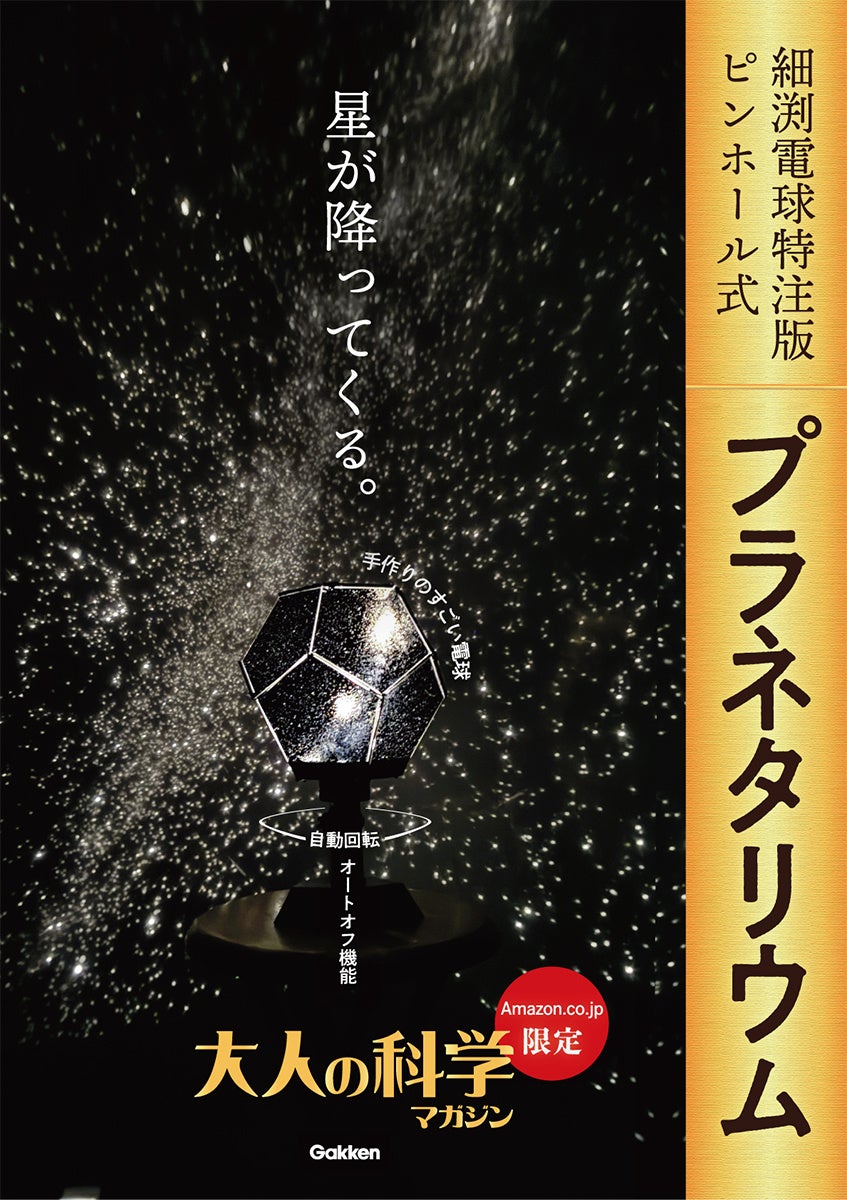
Stepping through the narrow, sensory-overload corridors of a Don Quijote discount store at midnight often feels like an unpredictable treasure hunt. Between towers of matcha snacks, cosmetics, and quirky gadgets, shoppers frequently search the electronics displays for a home planetarium projector capable of turning an ordinary ceiling into a night sky. Yet consumer expectations frequently collide with retail reality. As detailed in a livedoor ニュース Report analyzing the home astronomy market, domestic star projectors split sharply into two distinct engineering camps: true optical systems and basic pinhole lamps. Misunderstanding that technical divide often leads buyers to walk out of the store with a colorful party light rather than an accurate star field.
📌 Key Takeaways:
- Store Realities: Most Don Quijote locations prioritize budget novelty ambient lighting and rotating LED galaxy lamps over high-precision optical star projectors.
- The Engineering Gap: True planetariums use dedicated lenses and glass or film micro-discs, whereas budget units rely on pinhole cutouts that cast blurry shadows.
- Purchasing Strategy: Dedicated planetarium units like the Sega Toys Homestar line are far more reliably sourced through major electronics superstores or direct specialty distribution.
The Donki Floor Reality: Novelty Mood Lamps vs. True Star Projectors
Don Quijote operates on a high-density impulse-purchase retail model. Its shelves favor compact packaging, eye-catching novelty items, and accessible price points. When browsing the variety aisles or the small-appliance corner, you will readily spot dozens of bedroom star projector units shaped like astronauts, eggs, or rotating domes. These devices cast shifting ocean waves, vibrant nebula clouds, and green laser grids across the ceiling.
They produce striking ambient mood lighting for relaxing or social media videos. What they do not provide is astronomical precision. The vast majority of projection units stocked across standard "Donki" locations lack calculated star charts, focus rings, or celestial coordinates. Instead, they project generic repeating patterns generated by etched plastic shells and multi-color LEDs. If your objective is simply a calming, colorful glow for winding down before sleep, these off-brand units priced between ¥2,500 and ¥5,000 offer good value. If your goal is studying the night sky, you will leave disappointed.
Pinhole Construction and Optical Glass Mechanics
Understanding why cheap projectors fail to deliver genuine stargazing comes down to physics. Consumer planetariums utilize one of two core projection designs:
- Pinhole projection: Light radiates outward from a central bulb through perforations in a dark casing. The sharpness of the projected star depends entirely on the distance between the filament, the hole, and the ceiling. While high-end boutique variants use hand-crafted micro-filaments, such as limited-run models that secured over 2,000 pre-orders on Japanese crowd-funding platforms in 2025, cheap store models use generic LEDs that create fuzzy, diffused light spots.
- Optical lens projection: This method mirrors professional dome planetariums. A bright, focused light beam passes through a photographic disc projection mechanism and an array of precision glass lenses. The system allows individual stars, stellar magnitudes, and faint nebulae to resolve with pin-sharp clarity regardless of ceiling distance.
The difference in production cost between these two systems is substantial. Optical mechanisms require engineered lens barrels and precise optical alignment, which pushes retail prices far beyond the casual souvenir bracket typical of Japanese electronics variety shop shelves.
| Category | Core Technology | Price Range (JPY) | Typical Don Quijote Stock |
|---|---|---|---|
| Novelty Mood Projectors | Diffused LED with laser diode diffraction | ¥1,980, ¥4,980 | Consistently abundant across most branches |
| Artisan Pinhole Spheres | Micro-filament specialty bulbs with precision perforations | ¥8,000, ¥25,000 | Rare; primarily sold through direct artisan channels |
| Scientific Optical Systems (e.g., Homestar) | Multi-element optical lenses with photographic film discs | ¥12,000, ¥40,000 | Infrequent; limited to flagship MEGA Donki stores |
The Takayuki Ohira Legacy and the Sega Toys Homestar Standard
When consumers think of home planetariums in Japan, they are almost universally thinking of the Sega Toys Homestar. Conceived in partnership with renowned planetarium engineer Takayuki Ohira, the creator behind the record-breaking Megastar dome systems, the Homestar made commercial history upon its launch. Official sales records showed the hardware surpassed 100,000 units shipped within its first ten months, eventually blowing past the 1 million unit global benchmark.
The Homestar Classic achieved this by shrinking professional-grade projection down to a bedside sphere. Using high-definition photographic discs, it rendered a breathtaking Milky Way constellation display featuring up to 60,000 pinpoint stars. It added diurnal sky rotation and an auto-off timer function designed to shut down after 15, 30, or 60 minutes as the user fell asleep.
Because Sega Toys positioned the Homestar as an educational consumer electronic rather than a discount toy, distribution strategies centered on major camera department chains and specialty gift retailers. While select flagship "MEGA Don Quijote" superstores occasionally carry excess stock of the Homestar series in their hobby or electronics sections, regular city-center Donki outlets rarely allocate shelf space to an item retailing between ¥12,000 and ¥15,000.
Where to Buy an Authentic Star Projector in Japan
If your heart is set on an accurate optical projector, your shopping itinerary needs a slight adjustment. Walking into a Donki expecting a curated selection of astronomy gear will lead to frustration. Instead, head to dedicated mass electronics retailers:
- Bic Camera and Yodobashi Camera: Flagship branches in Akihabara, Shinjuku, or Umeda maintain dedicated hobby and optical counters. Here, units like the modern Homestar variants or Kenko Tokina planetariums sit unpacked on display, allowing you to examine projection fidelity in darkened viewing kiosks.
- Loft and Tokyu Hands: These lifestyle department stores frequently stock premium interior electronics, seasonal relaxation goods, and design-forward pinhole star lamps in their living and wellness sections.
- Specialty Museum Shops: Venues like the Miraikan in Odaiba or the Konica Minolta Planetaria gift shops stock limited-edition projection discs, artisan star charts, and certified home devices.
For travelers who have already committed an evening to a massive MEGA Don Quijote branch, head directly to the 5th or 6th floor where large electronics, seasonal lifestyle products, and higher-tier toys reside. Check the packaging carefully. If the box lacks explicit technical mentions of optical lenses (光学式) or interchangeable slide discs, it is simply an ambient mood lamp.
Smart Buying Advice for Ceiling Stargazing
The decision between a budget lighting accessory and an optical star projector hinges entirely on your intended use case.
Buy a budget ambient projector at Don Quijote if you want an inexpensive, fun bedside nightlight that paints the room in swirling purples and greens. They serve as great novelty gifts for children, set an atmospheric mood for gaming or watching movies, and require zero calibration.
Skip the discount aisle entirely if you want genuine scientific detail. An authentic optical model requires precise focus adjustments, pitch-black room conditions, and flat ceiling surfaces to resolve tiny stellar points without distortion. The investment pays off in realistic night skies, accurate constellation alignments, and peaceful, uncolored starlight.
Frequently Asked Questions (FAQ)
Q1: Does Don Quijote sell the Sega Toys Homestar?
A1: Flagship MEGA Don Quijote branches occasionally carry the Sega Toys Homestar line in their hobby or electronics departments, but standard, smaller city-center stores rarely stock it. The chain predominantly features lower-priced generic LED nebula and galaxy mood lamps.
Q2: How can I tell if a projector box contains a real planetarium or just a mood light?
A2: Inspect the Japanese labeling on the packaging. Real star projectors will highlight optical lens mechanics (光学式), individual star counts (such as 60,000 stars), and interchangeable projection discs (原板ソフト). Mood lamps highlight multi-color LED settings, remote controls, laser patterns, and Bluetooth speaker integration.
Q3: Why is an auto-off timer essential on bedroom planetariums?
A3: True optical planetariums generate heat from internal light sources and mechanical drive motors used for celestial rotation. An auto-off timer function prevents the motor from running all night, extends lens and disc longevity, and ensures the device powers down safely once you drift off to sleep.
Navigating Japan's Astronomy Aisle in 2026
Don Quijote remains unmatched for late-night consumer convenience, eccentric souvenirs, and unexpected variety. Yet its business model relies on fast-moving, high-margin novelty goods. When searching for a true home planetarium, expecting astronomical precision from a discount lifestyle shelf will almost certainly lead to mismatched expectations.
Take the extra afternoon train to an electronics superstore like Yodobashi or Bic Camera if you want to fall asleep under an accurate representation of the northern hemisphere. Treat Don Quijote’s lighting aisle for what it truly excels at: providing affordable, colorful, and delightfully chaotic novelty mood lighting that brightens up a room without taking the cosmos too seriously.