Can You Change the Date When Unarchiving Instagram Posts? The Truth Behind Feed Order
Millions of creators treat their profile grid as an interactive portfolio, constantly adjusting which images remain visible to maintain a coherent visual identity. As highlighted in a recent technical breakdown by the MSN Report on Instagram's content management architecture, the native archive tool serves as a non-destructive way to hide older media without losing engagement metrics. Yet, a persistent question dominates social media support threads: when you decide to unarchive Instagram post assets, can you alter their chronological placement to reshuffle your layout?
The short answer is an absolute no. Instagram ties every piece of media to its creation metadata, meaning arbitrary post timestamp editing remains blocked at the server level. Restoring archived media drops that content back into the exact spot it occupied when first published, defying user attempts to manually re-order their visual history.
📌 Key Takeaways:
- The Placement Rule: Selecting the show on profile option always returns an unarchived item to its original chronological timestamp rather than placing it at the top of the grid.
- Feed Delivery Impact: Restored items trigger no feed notification trigger and generate zero fresh impressions in followers' home algorithmic feeds.
- Curation Limits: True Instagram grid rearrangement is restricted to native grid pins, leaving structural re-dating unavailable on consumer accounts.
The Persistent Myth of Post Timestamp Editing
The rumor that users can backdate or forward-date posts began circulating on design forums where social media managers shared complex workarounds for profile aesthetic curation. Many assumed that cycling an item through the archive folder would reset its chronological index, allowing older photos to resurface as brand-new entries without a fresh upload. That belief misunderstands how Instagram's relational database treats historical entries.
Every post receives an immutable UNIX timestamp the second you press publish. When you restore archived posts, the platform queries this original record and re-indexes the asset accordingly. The platform does not allow users to adjust publish times after the fact, regardless of whether you manage a personal account, a creator handle, or an enterprise business page.
Allowing retroactive date shifts would destabilize Instagram's engagement accounting. Ad metrics, historical view tracking, and algorithmic relevance all rely on a fixed chain of custody for every media asset uploaded to Meta's servers.
How the Show on Profile Option Actually Positions Restored Media
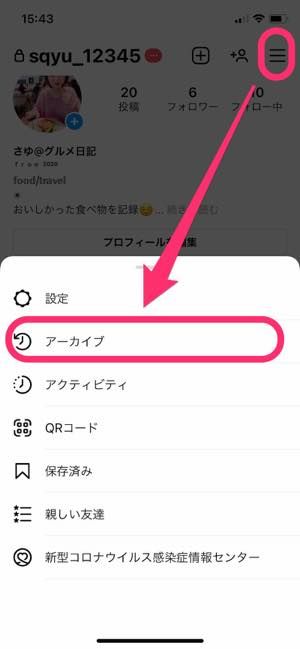
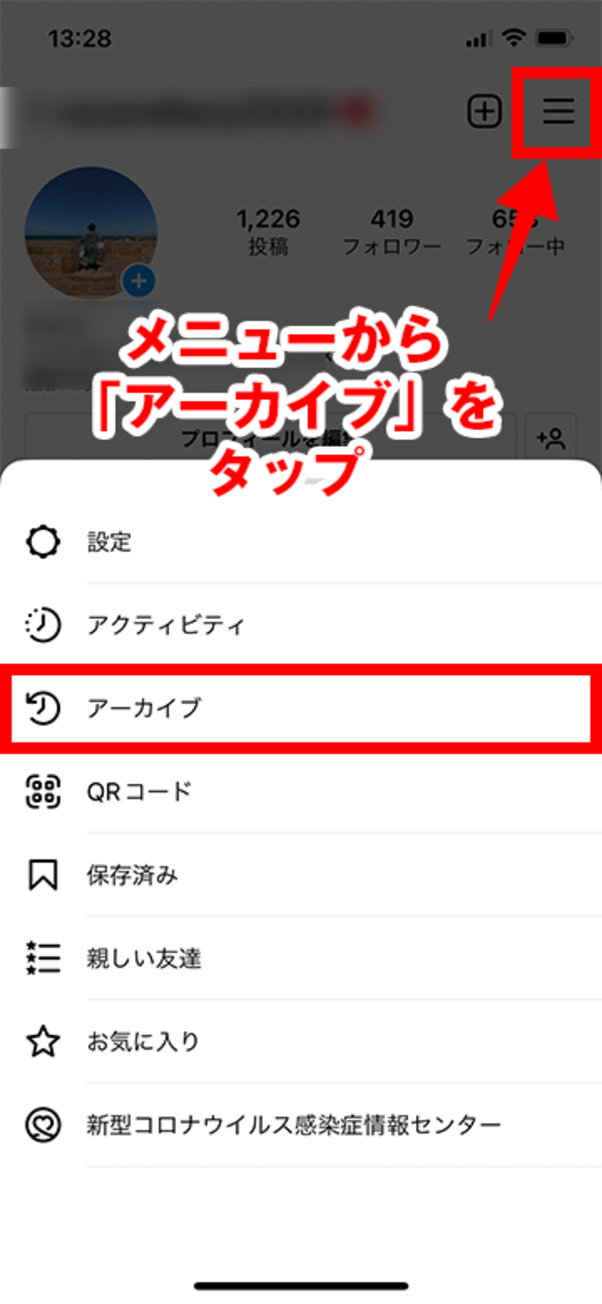
Executing a hidden post restoration requires only a few taps within the app settings. Opening your profile menu, navigating to the archive tab, selecting the relevant photo, and tapping the Show on profile option immediately reinstates the entry. What catches many users off guard is where that content lands.
The media will not appear in the top-left slot of your profile. Instead, it drops directly down the grid, landing between the posts published immediately before and after its original release date. If you pull a picture from October 14, 2021 out of the archive today, it drops straight into your 2021 grid space. If visitors do not scroll down through years of content, they will never notice its return.
All engagement data remains intact during this transfer. Your original comments, likes, audio credits, and tags reappear without modification. The system treats the unarchive action as a visibility toggle rather than a republishing event.
Algorithmic Silence and Feed Notification Triggers
When you unarchive content, followers receive no alerts. There is no automated prompt notifying your audience that an older photo has reappeared on your page. Similarly, the system never triggers a push to the main home feed.
Instagram calculates feed delivery using signals gathered within the first hours of an asset going live. Because an unarchived upload already completed that discovery window years or months ago, the delivery engine ignores it. Followers will only see the post if they deliberately visit your profile page and scroll down to its original location.
This design prevents creators from recycling past viral hits to game engagement without producing original content. It also shields audiences from redundant notifications whenever someone reorganizes their public presence.
Grid Behavior Across Formats: Photos, Reels, and Stories
Instagram manages unarchiving differently depending on the asset category. While standard static photos stay locked to their historical order, other formats have unique display rules.
| Content Type | Restoration Destination | Timestamp Behavior | Feed Visibility |
|---|---|---|---|
| Feed Photo / Carousel | Main Profile Grid | Locked to original publish date | Silent (no home feed circulation) |
| Instagram Reels Archive | Reels Tab and/or Main Grid | Locked to original video upload date | Silent (retains old Reel rank) |
| Instagram Stories Archive | Highlights or Fresh Story Share | Displays original date sticker | Active if re-shared to Stories |
Short-form video assets stored within an Instagram Reels archive show identical timestamp mechanics. If you restore a Reel to your primary profile, it will not bypass older entries. Stories differ because they expire after 24 hours. When you pull an entry out of the Instagram Stories archive, you can only publish it as a profile Highlight or re-share it as a new Story entry using the native "Memories" sticker.
Workarounds for Profile Aesthetic Curation
Because free-form Instagram grid rearrangement remains unsupported, creators use specific tactics to maintain a tailored visual identity without relying on impossible date modifications.
The primary official tool is the grid pinning feature. Users can pin up to 3 posts to the very top row of their profile. This lets you highlight key announcements or favorite media regardless of when they were published. Unarchiving an older post and immediately pinning it ensures it stays prominent without altering system timestamps.
Third-party scheduling platforms often claim to rearrange public Instagram layouts. These tools simply offer staging environments: they allow you to preview how future uploads look beside existing media on an external canvas. Once a file is hosted on Instagram, external tools cannot adjust its placement.
For brands and individuals looking to refresh an old post's exposure, the only dependable route is a fresh upload. Archiving the previous file prevents visual clutter, while uploading the image again generates fresh home feed impressions, triggers user notifications, and claims the top spot on your profile.
Frequently Asked Questions (FAQ)
Q1: Does unarchiving a post notify anyone who was originally tagged?
A1: No. Accounts tagged in the image or caption do not receive new push notifications or activity alerts when an archived post returns to public view.
Q2: Can I unarchive multiple posts simultaneously?
A2: Instagram does not offer a bulk restoration button for feed posts. Each piece of media must be opened within the archive tab and manually reset to the profile one at a time.
Q3: Will unarchiving an old post damage my current account engagement rate?
A3: Restoring older media has no direct negative impact on account metrics. Since the platform does not redistribute the item to followers' feeds, it simply sits on your profile as historical content without reducing reach on current posts.
Working Within Instagram's Fixed Feed Architecture
Treating your grid as an evolving portfolio requires planning around Instagram's structural constraints. The inability to edit timestamps or manually reorder posts can frustrate users chasing a specific aesthetic, but the platform's core architecture prioritizes a verifiable chronological timeline over complete layout freedom.
When curating your grid, lean on native pinned posts for top-level visibility and use the archive as a temporary storage vault rather than a layout tool. Until Meta introduces flexible drag-and-drop grid options, the original upload timestamp remains the final authority on where your media sits.