Can You Spray Deodorant on Your Face? The Hidden Skin Danger You Must Avoid
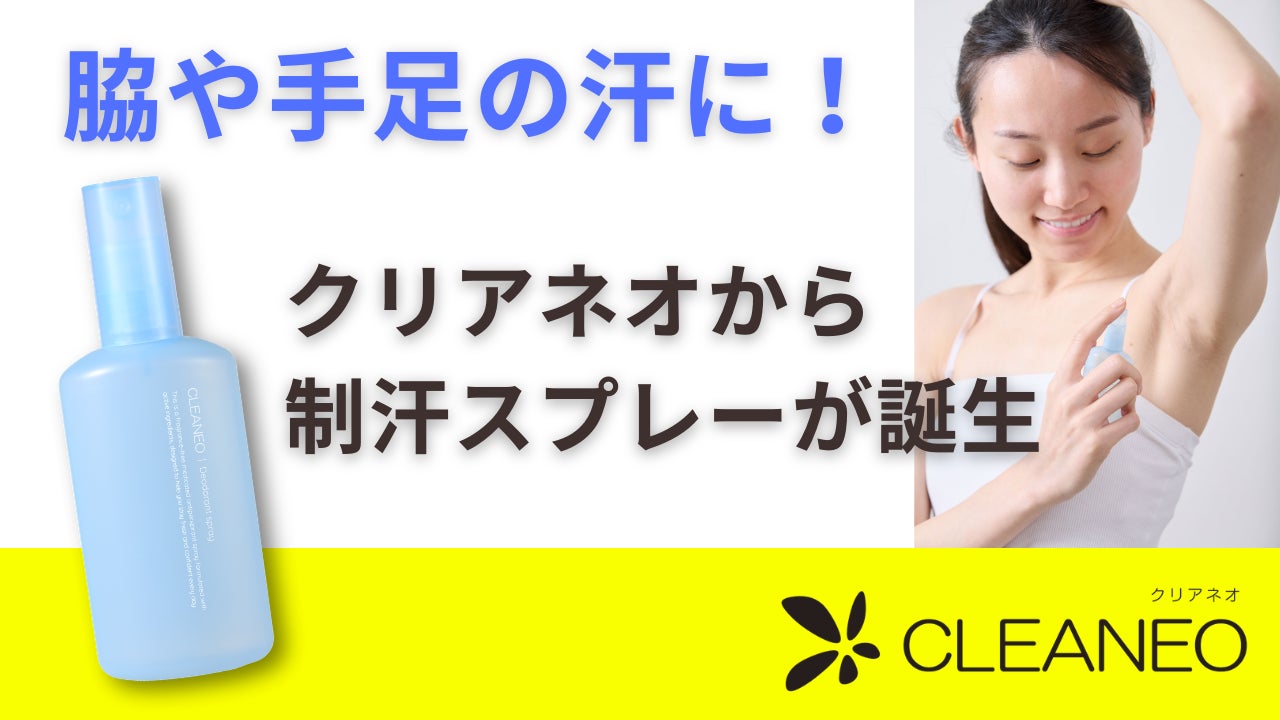
When midsummer heat spikes and humidity turns your forehead into a slick sheet of sweat, reaching for a quick spritz of body antiperspirant might feel like an ingenious shortcut. Viral social media hacks have pushed people dealing with craniofacial sweating to mist standard aerosol deodorants over their T-zones before applying cosmetics. Industry developments have also pushed chemical concentrations higher; for example, Social Tech Co. recently launched an intensive antiperspirant mist featuring a heavy 13% aluminum chloride concentration designed strictly for armpits and limbs, detailed in a PR TIMES Report. Spraying these industrial-strength body formulations across delicate facial contours, however, triggers immediate dermatological hazards.
📌 Key Takeaways:
- The Danger: Standard body aerosol antiperspirants contain high concentrations of metal salts, propellants, and synthetic fragrances that ignite severe contact dermatitis and skin barrier disruption on delicate facial tissue.
- The Mechanism: Heavy sweat gland blockage deep within facial pores traps sebum, leading to rapid bacterial colonization, acute breakouts, and chemical burns around the eye orbital zone.
- The Safe Alternative: Managing facial sweat safely requires specialized cosmetic chemistry, such as a dedicated facial antiperspirant lotion or an oil-absorbing mattifying setting spray engineered specifically for facial skin tolerance.
How Body Aerosol Chemistry Destabilizes Delicate Facial Tissue
Body deodorants and heavy-duty antiperspirants carry formulations balanced for the thick, resilient skin of the axilla and torso. The stratum corneum on the underarms withstands friction and dense chemical compounds, whereas facial epidermis measures a fraction of that thickness, especially around the eyelids and temples. When standard aerosol sprays blast pressurized liquid onto the face, the carrier ingredients vaporize instantly, leaving concentrated chemical residues behind.
These body sprays rely on volatile propellants like butane, isobutane, and propane to deliver a wide misting cone. Contact with facial skin causes rapid cooling, stripped lipids, and acute micro-chapping. The carrier formulas also contain synthetic masking perfumes, drying alcohols, and anti-caking additives. On the forehead or cheeks, these solvents dissolve the intercellular lipid matrix, exposing raw cellular layers to air pollutants and environmental pathogens within minutes of application.
The sensory consequence is immediate: redness, stinging, and a tight pulling sensation across the cheeks. What casual online videos frame as a matte primer shortcut actually strips away natural antimicrobial peptides, leaving the skin barrier vulnerable to persistent irritation and chronic moisture loss.
The Biological Realities of Sweat Gland Blockage and Breakouts
Sweating serves an evolutionary thermoregulatory purpose. The face and scalp feature the highest density of eccrine glands on the human body, acting as a rapid cooling radiator for the brain. When an antiperspirant salt enters an eccrine duct, it reacts with water and precipitates into an insoluble gelatinous plug. While underarm sweat glands process this mechanical blockage without disrupting neighboring sebaceous structures, facial anatomy presents a volatile complication.
Facial pores are dense pilosebaceous units where hair follicles, sebaceous glands, and sweat ducts converge in close proximity. Inducing deep sweat gland blockage with heavy body formulations traps natural sebum underneath the surface. The resulting pressure creates an ideal anaerobic environment for Cutibacterium acnes to multiply rapidly. Instead of achieving a smooth, sweat-free complexion, users experience painful cystic bumps, localized folliculitis, and closed comedones along the hairline and nose.
The body also attempts to compensate for blocked facial vents. Forcing facial eccrine ducts shut with non-facial astringents often triggers compensatory sweating across the neck, nape, and chest, entirely defeating the original cosmetic objective while leaving the face inflamed.
Comparing Body Formulations Against Face-Safe Sweat Shields
Distinguishing between high-potency body antiperspirants, specialized facial lotions, and everyday cosmetic primers is essential before applying any active compound above the collarbone. The physiological requirements for facial sweat control demand entirely different carrier molecules, pH profiles, and surfactant systems.
| Product Category | Primary Active Chemistry | Facial Safety Profile | Primary Mechanism |
|---|---|---|---|
| Body Deodorant Aerosol | Aluminum chlorohydrate or chloride (10%, 20%), butane propellants, fragrance | Unsafe (Severe Risk) | High-pressure chemical occlusion; strips lipid barrier |
| Facial Antiperspirant Lotion | Micro-milled aluminum zirconium (low concentration), calming botanicals | Safe (Clinically Tested) | Targeted, non-comedogenic duct modulation with hydrators |
| Mattifying Setting Spray | Silica, modified starches, niacinamide, polymer film-formers | Safe (Cosmetic Grade) | Surface moisture absorption without physical gland occlusion |
Regional market reporting emphasizes this distinction. A comprehensive summer product survey published by the Ehime Shimbun tracked user choices across eight distinct categories, noting that while roll-ons, heavy sticks, and high-potency aerosol mists deliver effective protection for axillary zones, consumers facing heat and humidity increasingly require purpose-built formulas for exposed, sensitive zones. Selecting products designed explicitly for the face avoids the systemic inflammatory cascades associated with aggressive body chemistry.
Why Aluminum Chloride Irritation Strikes Facial Skin Hardest
The gold standard for stopping severe sweat in armpits is aluminum chloride hexahydrate. When applied to sweat glands, aluminum ions enter the duct and react with biological fluids to form a hydrochloric acid byproduct. On thick, moisture-resilient underarm skin, this microscopic acid generation causes mild itching at worst. On the face, the reaction is far more damaging.
Applying high-percentage aluminum chloride to the forehead, cheeks, or upper lip often triggers acute contact dermatitis within 24 to 48 hours. Patients experience marked erythema, localized swelling, stinging sensations, and flaking skin that mimics a chemical peel gone wrong. If the chemical migrates into the periorbital zone through natural facial movements, it risks cornea irritation and eyelid dermatitis.
Dermatologists warn that repeat exposure to aggressive aluminum salts without specialized soothing agents leads to persistent barrier failure. Once this barrier breaks, everyday skincare steps like washing with water or applying a gentle moisturizer burn the skin. Recovering from an acute flare-up can take weeks of topical corticosteroids and barrier repair balms.
Clinical Approaches for Managing Craniofacial Sweating
True facial hyperhidrosis, excessive sweating of the forehead, temples, nose, and scalp, is a recognized medical condition driven by hyperactive sympathetic nerve signaling. Dealing with the frustration of dripping sweat during presentations or social dinners requires proven clinical interventions, not improvised aerosol hacks.
[Suspected Craniofacial Sweating]
│
├── Moderate/Cosmetic Concern ──► Non-comedogenic facial antiperspirant lotion or silica setting mists
│
└── Severe Medical Impact
│
├── Step 1: Consult dermatologist for diagnostic sweat assessment
├── Step 2: Prescription topical glycopyrronium tosylate wipes
└── Step 3: Targeted intradermal botulinum toxin (Botox) micro-injections
Board-certified dermatologists recommend a step-up protocol:
- Topical Anticholinergics: Prescription wipes containing glycopyrronium tosylate block muscarinic receptors on eccrine glands directly. They stop sweat production chemically without physical pore occlusion, avoiding the breakout risks linked to metal salts.
- Formulated Facial Sweat Lotions: Over-the-counter facial sweat blocks utilize micro-encapsulated active ingredients suspended in lightweight, oil-free emulsions. These formulations deliver astringent compounds alongside soothing agents like aloe, centella asiatica, and dimethicone to buffer the epidermal barrier.
- Cosmetic Polymer Shields: High-grade setting mists use porous silica microspheres and film-forming polymers. Instead of stopping biological perspiration, they absorb moisture as it emerges and disperse light, delivering a shine-free look without compromising sweat duct physiology.
- Intradermal Neuromodulators: For severe, intractable cases, dermatologists administer micro-doses of botulinum toxin across the hairline and forehead. This stops the release of acetylcholine at the nerve junction, reducing sweat flow for 4 to 9 months with zero risk of pore-clogging irritation.
Frequently Asked Questions (FAQ)
Q1: Can I spray an aluminum-free natural deodorant on my face instead?
A1: No. Natural deodorants rely heavily on essential oils, zinc ricinoleate, and baking soda (sodium bicarbonate). Baking soda carries an alkaline pH of roughly 8.5 to 9, which destabilizes the natural acidic balance of facial skin (pH 4.5 to 5.5). This causes flaking, redness, and long-term barrier irritation without offering genuine antiperspirant control.
Q2: How do face-safe sweat shields differ from regular makeup setting sprays?
A2: While standard setting sprays focus primarily on locking pigment particles onto the surface using flexible polymers, sweat shields contain active oil-absorbers like micronized silica, aluminum starch octenylsuccinate, and soothing anti-inflammatory plant extracts. They absorb sweat actively without disrupting the deeper dermis.
Q3: What immediate steps should I take if I accidentally sprayed body antiperspirant on my face?
A3: Rinse your face with lukewarm water and a gentle, non-stripping cleanser right away. Avoid rubbing, and skip active exfoliants like retinol, salicylic acid, or vitamin C for three to five days. Apply a pure ceramide or squalane-based restorative moisturizer to rebuild your surface lipids and protect the area from moisture loss.
Safer Standards for Facial Sweat Control in 2026
Managing facial sweat requires choosing products engineered specifically for delicate facial biology. Using underarm body aerosols on your forehead trades temporary sweat relief for chemical burns, damaged skin barriers, and painful breakouts. Clinical dermatology and cosmetic chemistry provide safer, proven alternatives.
If you struggle with occasional shine during sweltering commutes, keep an oil-absorbing, makeup-friendly mattifying setting spray in your bag. If you manage chronic, profuse craniofacial hyperhidrosis, skip consumer aerosols entirely and consult a board-certified dermatologist for targeted anticholinergic solutions. Protecting your skin barrier ensures your complexion stays healthy, balanced, and calm, no matter how high the thermometer climbs.