CB400SF NC42 Under Cowl Upgrade: Transform Your Naked Bike into an Aggressive Streetfighter
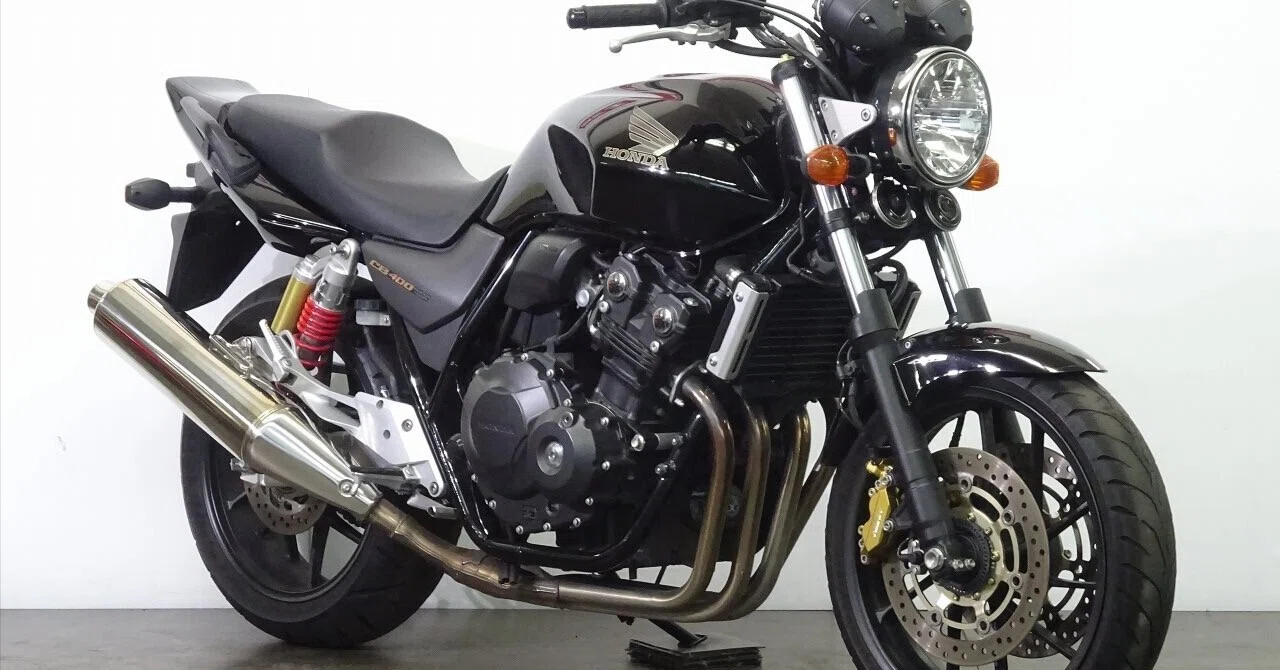
Honda sent shockwaves through the motorcycle industry in early 2026 when it unveiled the CB400 Super Four E-Clutch Concept, a modernization reported in depth by Japanese outlets including an MSN Report covering the motorcycle show debut. That sudden resurgence put an immediate spotlight back on the existing fleet of Honda CB400SF NC42 machines. Produced between 2007 and 2022, the NC42 generation carries the revered Hyper VTEC Revo engine, a 399cc inline-four known for its reliable delivery and distinctive high-RPM howl. Yet despite its engineering pedigree, the factory silhouette shows its age. The lower engine cradle sits exposed, visually tall, and distinctly commuter-oriented.
Riders across Tokyo, Taipei, and European import markets are modifying that stance. The most dramatic visual and functional modification for this chassis remains the belly pan lower cowl, frequently labeled as an engine spoiler fairing. Bolting an aggressive under cowl to an NC42 closes the gap between the front tire and the rear swingarm pivot, sharpening the profile into a predatory, front-weighted streetfighter stance. Doing it correctly requires navigating narrow exhaust tolerances, bespoke bracket fabrication, and harsh thermal cycles.
📌 Key Takeaways:
- Aesthetic Transformation: Adding an under cowl eliminates the visual dead space beneath the NC42 double-cradle frame, lowering the bike’s visual center of gravity into an aggressive streetfighter stance.
- Exhaust Header Interference: Aftermarket 4-into-1 exhaust headers sit differently than factory pipes, requiring careful measurement of exhaust header clearance and heat-reflective insulation to prevent composite melting.
- Mounting Hardware Integrity: High-frequency engine vibrations will crack unbuffered mounting tabs; installations must use rubber vibration dampening collars rather than direct metal-to-fiberglass torquing.
The Revo Renaissance and Naked Bike Custom Culture
The NC42 holds a unique cultural footprint. For millions of Japanese and international riders, the CB400SF served as their official driving school mount. That familiarity led some builders to dismiss the platform as utilitarian. But when emissions regulations halted production in late 2022, secondary market valuations surged by roughly 35% to 50% for clean late-model specimens.
That value spike shifted how owners approach visual tuning. Instead of full-fairing café conversions that compromise factory ergonomics, the naked bike streetfighter conversion emerged as the premier styling path. An under cowl anchors that transition. By shrouding the oil pan, lower engine crankcase, and underside collector box, the lower cowl turns an open-chassis roadster into a grounded, track-inspired weapon. The modification visually links the front forks with the sweeping swingarm, giving the NC42 the taut proportions of larger European middleweights.
Chassis Protection and Aerodynamic Realities at Speed
A belly pan does more than alter silhouette lines. At expressway speeds, the front wheel kicks road debris directly into the forward oil filter housing and the lower engine block. An aftermarket cowl functions as targeted chassis protection, deflecting aggregate gravel, kicked-up asphalt chunks, and water spray away from critical aluminum castings.
Aerodynamic claims require realistic evaluation. On a 53-horsepower middleweight machine, an under cowl produces minimal usable aerodynamic downforce. What it does accomplish is laminar smoothing. By directing dirty air around the exposed frame tubes and jagged oil sump casting, the scoop stabilizes turbulent airflow underneath the motorcycle above 65 mph. The result is a modest reduction in buffeting around the rider's lower boots, alongside cleaner radiator exhaust venting when ducted accurately.
Exhaust Header Clearance: Managing the 4-into-1 Heat Cycle
The single greatest pitfall when mounting an engine spoiler fairing on an NC42 is header clearance. The Hyper VTEC Revo powerplant routes its four exhaust downpipes tightly across the front of the engine block before merging into an asymmetrical collector beneath the right frame rail. Factory pipes run close to the oil pan, but aftermarket systems from builders like Moriwaki, Yoshimura, or SP Tadao push header profiles wider and lower.
Standard under cowls feature tight contours. Without careful adjustments, the heat radiating from an active header pipe running at temperatures exceeding 800°F (425°C) will blister the fairing finish within minutes. Experienced builders maintain a minimum physical clearance gap of 15 to 20 millimeters between the inner cowl wall and any exhaust runner. If clearances drop below that threshold, the fiberglass resin will soften, outgas, and scorch. Installing adhesive-backed, ceramic-lined aluminum thermal reflective sheets along the inner exhaust channel is an absolute prerequisite for durability.
FRP Cowls versus Wet Carbon and ABS Plastic
Selecting the right construction material determines long-term vibration resistance, finish quality, and repairability. The Japanese domestic market features three distinct categories for NC42 lower bodywork.
| Material Construction | Average Price Range (USD) | Thermal Resistance | Repair & Modification Ease |
|---|---|---|---|
| Aftermarket FRP Cowl (Fiberglass) | $110, $220 | Moderate; requires thermal barrier lining | High; easily sanded, trimmed, and re-glassed |
| Wet Lay Carbon Fiber | $280, $460 | High; epoxy resins withstand elevated operating temps | Low; structural damage compromises weave aesthetics |
| Injection Molded ABS | $65, $140 | Low; warps if seated within 12mm of collector pipes | Moderate; supports plastic welding but cracks under flex |
Most bespoke builders favor high-grade fiberglass (FRP). While injection-molded ABS offers a smooth surface straight out of the mold, it lacks flexibility when riders must trim clearance sections for aftermarket pipes. A hand-laid FRP cowl can be ground, notched with a rotary tool, and reshaped without sacrificing structural stability.
Mounting Bracket Installation and Vibration Dampening
The CB400SF uses a tubular steel double-cradle frame. Because Honda never designed the base NC42 chassis with integrated lower fairing tabs, cowl kits rely on dedicated mounting bracket installation systems. Cheaper kits supply soft aluminum strap brackets that clamp directly to the lower frame rails. These fail rapidly. The NC42 inline-four operates with exceptional balance, but its high-revving nature introduces fine, high-frequency harmonic vibration above 7,000 RPM.
Direct metal-to-composite fastening causes stress cracks to radiate outward from bolt holes. Secure fitment requires stepped stainless steel brackets that mount to the front engine hanger bolts and the rear center-stand bosses. Crucially, each through-hole must use a rubber vibration dampening collar, a top-hat rubber grommet flanked by wide stainless steel washers. This configuration permits minor flex under chassis torsion and insulates the thin composite shell from engine harmonics.
Paint Matching Honda Factory Finishes
An unfinished cowl destroys the cohesive lines of a naked motorcycle. Factory NC42 models left the Kumamoto factory in signature colorways, including Candy Prominence Red, Pearl Sanbeam White, and Darkness Black Metallic. Many budget aftermarket FRP parts arrive coated in a rudimentary black or white gel coat.
A raw gel coat paint match is impossible; gel coat is a protective mold-release barrier, not a finished topcoat. Achieving factory consistency requires sanding the raw FRP with 400-grit wet sandpaper, applying an epoxy primer, shooting the factory-coded Honda base lacquer, and finishing with an automotive-grade 2K urethane clear coat. For riders building a monochrome or two-tone streetfighter, a satin black industrial urethane finish provides a sharp, mechanical contrast against the bright silver engine cases without demanding an exact match to aged tank paint.
Frequently Asked Questions (FAQ)
Q1: Do I need to remove the under cowl during routine oil changes?
A1: On roughly 80% of aftermarket designs, yes. The NC42 oil drain plug sits at the base of the oil pan, and the spin-on oil filter is mounted low on the front engine case. Unless your cowl incorporates a dedicated service cutout on the underside, removing the four bracket bolts during 3,000-mile (5,000 km) oil service intervals is necessary to avoid pooling dirty oil inside the fairing tray.
Q2: Will an NC39 under cowl bolt directly onto an NC42 frame?
A2: Not without bracket alteration. While the NC39 (Spec I, II, III) and NC42 share similar frame architecture, the NC42 features revised engine hanger locations, updated electronic fuel injection (PGM-FI) clearance requirements, and subtle changes in header sweep geometry. Cowls shaped specifically for the NC39 often collide with the NC42 catalytic converter box.
Q3: How much ground clearance is lost after installation?
A3: Most well-designed belly pans lower physical ground clearance by 20 to 35 millimeters (0.8 to 1.4 inches) directly under the frame cradle. This rarely affects street riding, but riders tackling steep driveway aprons or aggressive track-day curbs must account for reduced clearance, particularly on bikes with lowered front forks.
Executing an Authentic NC42 Transformation
Upgrading the lower cowl of an NC42 bridges classic Japanese engineering and modern naked bike aggression. Success relies entirely on execution: selecting rigid FRP over cheap thermoplastics, establishing adequate exhaust clearance with thermal shielding, and mounting the structure using rubber-isolated brackets. With those mechanical hurdles cleared, the Super Four shifts from a familiar classroom workhorse into an assertive, high-revving streetfighter built to stand out on any roadway.