Clear Straps vs Going Strapless: Busting Off-Shoulder Bra Myths
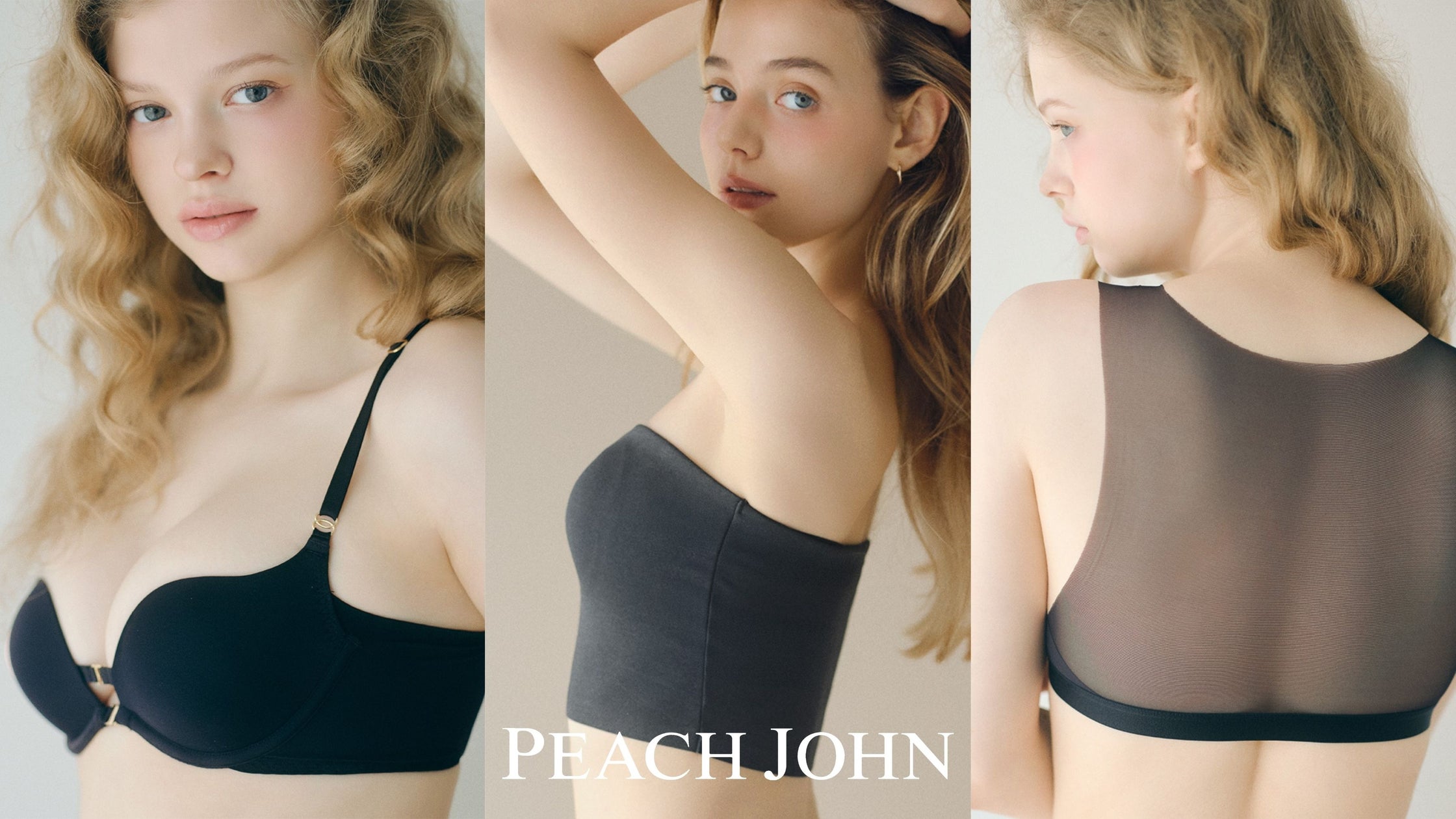
Every summer wardrobe faces the exact same mechanical dilemma the moment bare-shoulder silhouettes take over the streets: what happens to the bra? The search query "オフ ショルダー ブラジャー どうする" (what to do about bras for off-the-shoulder tops) spikes across global search engines each June, reflecting a persistent frustration with visible hardware, collapsing necklines, and slipping undergarments. As apparel labels push structural deconstruction and asymmetric cuts, intimate apparel manufacturers are engineering new answers. Tokyo-based lingerie powerhouse PEACH JOHN highlighted this shift with its dedicated summer collection specifically targeting bare-shoulder and backless styling, as detailed in an official PR TIMES Report released under chief executive Tsunechi Nishizawa.
The industry is moving away from quick fixes. For decades, consumers treated shoulder-baring clothing as an uncomfortable compromise between visual polish and physical security. That friction has produced fierce debates across style forums and social channels: do clear plastic straps genuinely fool the eye, or does pulling off an off-the-shoulder top demand architectural foundation garments?
📌 Key Takeaways:
- The Clear Strap Fallacy: Transparent polyurethane straps reflect sunlight and yellow over time, making them far more conspicuous than bare skin.
- The Engineering Shift: Modern support relies on wide-wing tension, lower-band anchor points, and medical-grade non-slip silicone grip rather than shoulder suspension.
- Strategic Undergarment Layering: Selecting between adhesive bras, convertible bras, and seamless bandeau styles depends directly on garment weight and bust volume.
The Optical Illusion That Failed: Why Clear Straps Miss the Mark
Clear bra straps arrived on the market promising invisibility. They delivered plastic shine instead. Under natural daylight or camera flash, polyurethane catches ambient light and creates a high-contrast reflective glare against human skin. Perspiration and body heat compound the issue, causing transparent plastic to fog, crease, and turn a faint yellowish tint after just a few wears.
Beyond the optical giveaway, clear straps introduce physical discomfort. Plastic lacks the breathable weave and elasticity of woven elastane. Instead of stretching smoothly as the ribcage expands, clear straps dig into the trapezius muscles, leaving red ridges on bare shoulders that defeat the entire purpose of wearing an airy summer blouse. Fashion stylists have largely retired them from professional editorial kits for a simple reason: an exposed transparent strap draws the eye directly to the undergarment, shattering the clean lines of off-the-shoulder tops.
The Physics of Bare Shoulders: How Modern Strapless Bras Anchor Without Slipping
When you detach the shoulder straps from a traditional brassiere, you remove 30% to 40% of its vertical upward tension. If the bra was built on a standard narrow band, the cups inevitably slide downward toward the waistline within an hour of walking. Preventing that slip requires redistributing weight entirely across the ribcage.
Modern strapless brassieres rely on three distinct structural features:
- Expanded Band Surface Area: Bands measure three to four inches wide across the back wings, spreading frictional resistance over more surface area to eliminate downward migration.
- Non-Slip Silicone Grip: Micro-beaded or wave-patterned silicone lines the upper and lower perimeter of the band, creating gentle suction against the skin without pinching.
- Reinforced Underwire Support: Ergonomic wire channels extend slightly higher under the armpit and sit flat against the sternum, locking the front cradle in place without relying on top tension.
This structural balance explains why sizing down in the band while going up in the cup is standard practice for strapless styles. A snug 32D band anchors far better than a loose 34C band, providing stable lift that holds an off-the-shoulder neckline crisp and horizontal throughout the day.
Matching Lingerie Mechanics to Necklines: A Technical Breakdown
Choosing the correct foundation piece depends entirely on the garment's textile weight and structural cut. A heavy knit Bardot sweater demands rigid vertical stability, whereas a wispy chiffon peasant blouse requires ultra-smooth edges that prevent seam lines from telegraphing through sheer fabric.
| Bra Category | Ideal Fabric & Cut Pairing | Support Mechanism | Primary Limitation |
|---|---|---|---|
| Structured Strapless Bra | Heavy cotton, denim, structured poplin | Ribcage friction, side boning, underwire support | Visible band if garment has a dropped back |
| Adhesive Silicone Cups | Backless halter, deep plunge, silk slip tops | Medical-grade adhesive contact against tissue | Adhesion degrades under heavy humidity or sweat |
| Seamless Bandeau Bra | Casual jersey, smocked tops, loungewear | Uniform circumferential compression | Flattens profile; minimal vertical lift for D+ cups |
| Convertible Bra (Cross-Back) | Asymmetric one-shoulder, boatneck tops | Single diagonal strap counterbalancing load | Hardware can pinch if adjusted too tightly |
| Nipple Covers & Fashion Tape | Linen camisoles, backless cutout garments | Coverage without structural support | Provides zero shaping or upward lift |
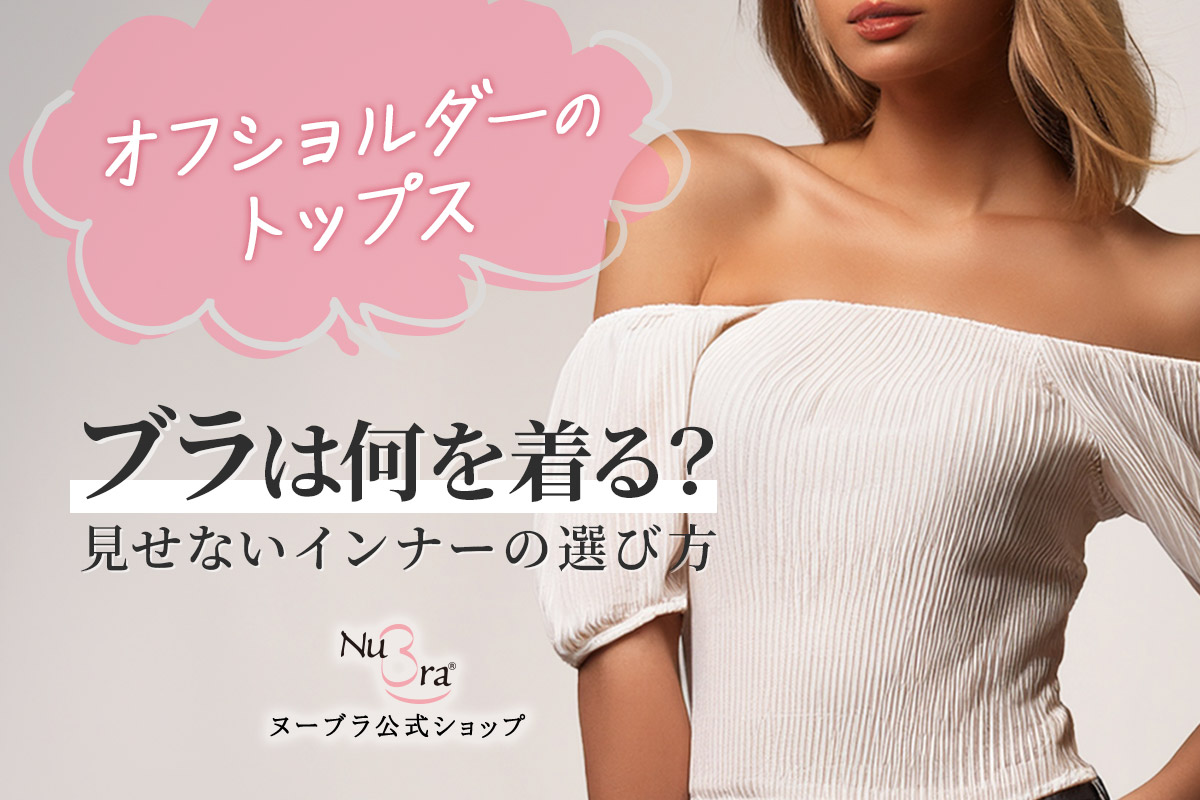
Backless Cutouts and Deep Drops: Navigating Extreme Summer Silhouettes
The rise of dual-exposure garments, tops that expose the clavicles in front while dipping below the shoulder blades in back, breaks standard strapless engineering. A strapless bra cannot function without a taut rear band. When the back drops, traditional physics fail.
Adhesive bras and backless bra solutions bridge this gap. High-grade silicone adhesive cups clip together at the center gore, drawing breast tissue inward to create cleavage without wrapping around the ribs. For women who find silicone cups unsupportive, body-contouring lift tape provides customizable support. Medical-grade kinesiology tape can be applied vertically from beneath the inframammary fold up toward the chest plate, lifting tissue while leaving the shoulders and entire back exposed.
Double-sided fashion tape serves as the final line of defense. Even the best undergarment can shift if the garment itself drifts. Applying hypoallergenic fabric tape directly along the neckline hem anchors the top to the collarbone, preventing the elastic edge from riding up or drooping downward during movement.
Evaluating Your Options: Matching Solutions to Body Type and Movement
No single intimate garment solves every wardrobe challenge. Selecting the right foundation requires weighing your cup volume, the day's physical activity, and local weather conditions.
When to Choose a Dedicated Strapless Bra:
- Cup sizes C through G requiring structured vertical lift and defined separation.
- Extended daytime wear (6, 10 hours) involving walking or dining where shifting would cause stress.
- Medium-to-heavy fabric garments like structured linen, denim, or wool-blend knit tops.
When to Avoid a Dedicated Strapless Bra:
- Garments featuring rear cutouts below the mid-back line, which expose the hook-and-eye band.
- Severe ribcage sensitivity, where wide elastic bands and side boning create pressure points.
- Ultra-thin silk or bias-cut satin tops where cup borders and seams show through.
When to Choose Adhesive Solutions or Nipple Covers:
- Cup sizes A through C seeking smooth opacity without restrictive bands.
- Extreme asymmetric cuts, backless gowns, and halter-hybrid designs.
- Low-impact evening occasions where minimal sweating preserves the adhesive matrix.
Frequently Asked Questions (FAQ)
Q1: Why does my strapless bra constantly slip down to my stomach?
A1: Slipping almost always stems from wearing an incorrect band size. In a strapless model, 100% of the support comes from band friction. If the band is even one size too loose, gravity and movement pull the garment downward. Try dropping one band size and going up one cup size (for example, from a 34B to a 32C) to ensure a secure anchor around the ribcage.
Q2: Can I wash and reuse adhesive bras for multiple wears?
A2: Yes, high-quality medical-grade silicone adhesive bras last between 20 and 30 applications with proper maintenance. Hand-wash the cups with mild, oil-free soap and warm water immediately after wearing, let them air dry away from heat, and reapply the original protective plastic backing to shield the adhesive surface from airborne dust and lint.
Q3: How do I keep an off-the-shoulder top from snapping up onto my neck when I move my arms?
A3: This common annoyance happens when the neckline elastic lacks dynamic stretch. Secure two safety pins and a small elastic hair tie inside each armhole: attach the hair tie between the pins beneath your armpit. The elastic loop anchors the top's sleeve to your underarm, giving your arms free vertical range without pulling the boatneck elastic over your shoulders.
The Evolution of Bare-Shoulder Styling
The question of how to wear an off-the-shoulder top has evolved from a clumsy dilemma into a showcase for technical textile design. Discarding glossy clear straps in favor of engineered strapless foundations, breathable silicone bands, and targeted tape solutions eliminates the tension between visual elegance and physical ease. When the undergarment works harmoniously with the garment's architecture, bare-shoulder fashion delivers exactly what it promised from the beginning: clean, effortless lines that stay firmly in place all day.