Did Mei Nagano Fall Victim to the Notorious 'Prada Curse'? The Rumors Explained
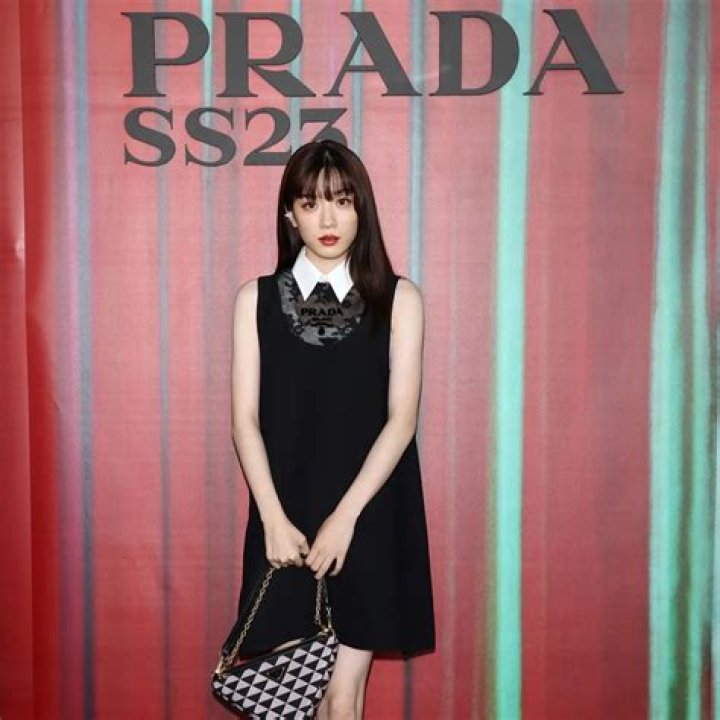
When Japanese actress Mei Nagano stepped into the spotlight as an official ambassador for Prada, the partnership represented the gold standard of high-fashion cross-cultural marketing. Yet, following unsubstantiated affair allegations circulating across East Asian tabloids and online forums, pop culture commentators revived an internet myth: the "Prada Curse." As highlighted in an investigative IMDb Report on the trend, Nagano became the latest prominent name swept into an enduring online narrative that links the Italian fashion house to sudden personal crises among its celebrity roster.
The fixation on Nagano reveals less about the reality of her career and far more about the hyper-scrutinized environment of modern entertainment sponsorships. Across Japan, South Korea, and China, luxury endorsements carry strict moral expectations. When a whisper of controversy emerges, social media algorithms quickly link the incident to broader superstitious patterns, turning isolated private rumors into viral business case studies.
📌 Quick Summary:
- The Trigger: Unverified online affair rumors surrounding Mei Nagano erupted in late April 2025, prompting social media channels to link her name to Prada's infamous string of ambassador controversies.
- The Pattern: The superstition stems from genuine past crises involving former ambassadors like EXO's Chanyeol, Irene, and Kim Soo-Hyun, though critics argue the pattern is simple confirmation bias.
- Industry Reality: Japanese agencies maintain stringent brand-protection clauses, meaning even unverified rumors can complicate million-dollar fashion campaigns regardless of actual truth.
How Rumors Dragged Mei Nagano into High-Fashion Superstition
Mei Nagano built an enviable reputation across the Japanese entertainment industry. Rising from child modeling to breakout performances in NHK morning dramas like Hanbun, Aoi, she cultivated an image of approachable authenticity. Luxury houses took notice. Prada tapped her to front regional campaigns, seating her front-row at Milan Fashion Week alongside global tastemakers.
That carefully managed equilibrium fractured in April 2025. Unverified reports alleging an extramarital affair involving Nagano began circulating on East Asian digital bulletin boards, quickly amplified by gossip sites like KbizoOm and regional aggregator platforms. Within hours, threads on X and Weibo connected her name to Prada's historical roster of scandal-hit figures. Rather than evaluating the credibility of the underlying claims, the digital discourse shifted toward whether the Italian luxury house had struck again.
The Origins and Psychology Behind the Prada Curse
The so-called "Prada Curse" is not an ancient legend; it is a product of social media pattern recognition. The term gained widespread traction between 2020 and 2021, when several high-profile brand ambassadors faced severe PR disasters shortly after signing lucrative contracts. When Chinese actress Zheng Shuang faced a career-ending surrogacy controversy in January 2021, Prada terminated her contract within eight days of announcing her appointment. Her downfall cost millions in scrapped collateral.
That disaster followed intense scrutiny of other regional faces. Red Velvet's Irene weathered a staff-treatment dispute just weeks after her official Prada campaign rolled out, while EXO's Chanyeol faced unsubstantiated private-life allegations around the same window. The myth solidified in the public imagination: any celebrity signing on with the Milan-based house was courting reputational ruin.
Psychologically, this dynamic operates on confirmation bias. Prada signs dozens of global athletes, actors, and musicians every year who fulfill their obligations without incident. Names like Maya Hawke, Hunter Schafer, and Jeff Goldblum represent steady, uneventful partnerships. Yet public memory prioritizes scandal. When South Korean actor Kim Soo-Hyun found himself in tabloid headlines in early 2025, or when Japanese actor Kentaro Sakaguchi became the subject of romantic speculation in September 2025, social algorithms promptly reactivated the superstition.
Tracking the Timeline: Brand Ambassadorships and Public Controversies
To understand why the internet links Mei Nagano to this phenomenon, one must look at the historical timeline of celebrity partnerships that established the narrative:
| Ambassador & Market | Controversy Window | Nature of Public Dispute | Commercial Fallout |
|---|---|---|---|
| Zheng Shuang (China) | January 2021 | Surrogacy and abandonment dispute | Contract terminated within 8 days; major stock dip |
| EXO Chanyeol (South Korea) | Late 2020 | Anonymous personal life accusations | Temporary promotional hiatus; legal action taken |
| Kim Soo-Hyun (South Korea) | Early 2025 | Social media photo controversy & dating rumors | Short-term social media backlash; no contract drop |
| Mei Nagano (Japan) | April 2025 | Unverified tabloid affair allegations | Intense domestic online debate; ongoing brand dialogue |
| Kentaro Sakaguchi (Japan) | September 2025 | Tabloid reports of complicated love triangle | Fan debates on community boards; brand stood by actor |
Morality Clauses and the Japanese Entertainment Ecosystem
The stakes for Mei Nagano are higher than they might appear to Western observers. In the Japanese entertainment market, talent agencies operate on an extreme risk-aversion model. Domestic contracts with consumer goods giants, beverages, automobiles, cosmetics, routinely feature stringent morality clauses. Penalties for breach of contract can run between ¥50 million and ¥300 million ($330,000, $2,000,000) if an artist's personal scandal damages a corporate sponsor's image.
European luxury houses traditionally handle celebrity drama with more detachment than domestic Japanese brands. Western brands often ride out the news cycle unless criminal acts or hate speech are involved. However, when an Asian ambassador faces local controversy, European executive teams must balance global brand prestige against local market boycott threats. For Nagano, the risk was never an immediate public firing; it was the chilling effect on future domestic ad buys.
Separating Verified Facts from Forum Gossip
Scrutiny of the claims leveled against Mei Nagano reveals zero legal complaints, photographic evidence, or on-the-record statements from injured parties. The controversy emerged from speculative weekly tabloid coverage that relied entirely on unnamed agency insiders, a common tactic in East Asian celebrity reporting designed to drive print sales and web clicks.
Her agency, Stardust Promotion, has maintained a disciplined silence, choosing not to dignify anonymous forum chatter with formal legal rebuttals that might prolong the news cycle. Prada similarly kept promotional images featuring Nagano active on its official regional channels. The disparity between online uproar and commercial reality underscores how digital echo chambers manufacture drama where none exists.
Frequently Asked Questions (FAQ)
Q1: What exactly is the "Prada Curse"?
A1: The "Prada Curse" is an internet urban legend asserting that celebrities who sign ambassador contracts with Prada inevitably suffer career setbacks, public controversies, or personal scandals shortly afterward. The theory is driven by confirmation bias following high-profile incidents involving past spokespeople between 2020 and 2025.
Q2: Did Mei Nagano lose her Prada contract over the allegations?
A2: No. Prada did not terminate her ambassadorship. The affair allegations circulating in April 2025 remained unsubstantiated gossip, and neither the brand nor her agency announced any cancellation of her partnership.
Q3: Why are Japanese celebrities particularly vulnerable to private-life rumors?
A3: Japan's talent industry operates under intense public scrutiny regarding moral character, especially for female stars who front domestic family-friendly commercials. Unverified rumors can endanger lucrative corporate sponsorship deals, making agencies extremely cautious.
Q4: Have other Asian celebrities been linked to this brand phenomenon?
A4: Yes. Past figures associated with the superstition include Chinese actress Zheng Shuang, South Korean singer-actors Irene, Chanyeol, and Kim Soo-Hyun, as well as Japanese actor Kentaro Sakaguchi.
The Mechanics of Modern Celebrity Ambassadorships
The convergence of Mei Nagano, Prada, and anonymous internet gossip illustrates how luxury marketing has transformed. today fashion conglomerates rely heavily on regional celebrities to drive billions in sales across Asia, the lines between personal conduct and corporate identity have blurred completely. Superstitions like the "Prada Curse" provide an easy narrative frame for chaotic news cycles, but they obscure the true business reality: luxury brands and their ambassadors operate in an volatile, high-stakes attention economy where perception moves faster than proof.