DIY Nininbaori with Daiso Supplies: Step-by-Step Proof You Can Build One for $3
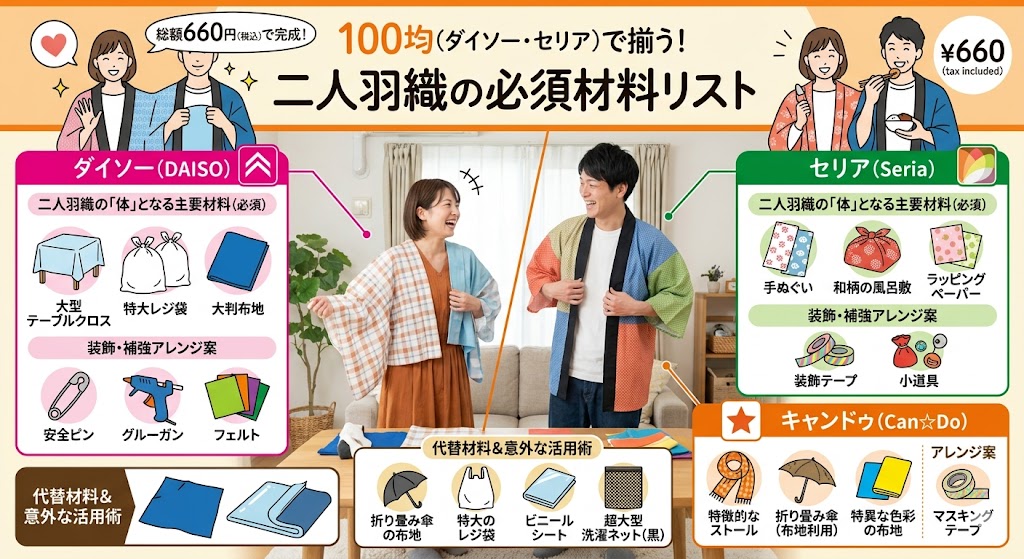
Every December across Tokyo, Osaka, and regional banquet halls, the panic sets in. Year-end corporate parties (bonenkai), school cultural festivals, and community celebrations demand physical comedy, and few gags produce immediate uproar quite like nininbaori (二人羽織). In this classic skit, two performers hide inside a single oversized haori coat: the person in front shows only their head, while the person crouched behind threads their arms through the sleeves to blindly feed their partner steaming soba, brush their teeth, or apply makeup with chaotic imprecision. While department stores and online costume shops charge upwards of ¥4,000 to ¥8,000 ($26 to $52) for commercial props, thrifty party planners routinely clear out local 100-yen chains instead. The phenomenon has even permeated mainstream consumer marketing; as covered in a livedoor ニュース Report, major conveyor-belt sushi chain Kappa Sushi playfully tapped into this cultural touchstone by debuting dual-layered luxury tuna promotions dubbed nimaibaori during Golden Week.
Building a high-impact comedy skit costume does not require seamstress credentials or an entertainment budget. By pairing three specific household items from Daiso, you can assemble a fully functional two-person comedy jacket in under ten minutes for roughly 330 to 550 JPY ($2.15 to $3.55). The end result handles messy blind feeding challenges, withstands rigorous stage movement, and wipes clean without ruining heirloom garments.
📌 Key Takeaways:
- The Budget Reality: A complete, camera-ready nininbaori setup costs less than $3.50 (¥550) at Daiso, compared to commercial costumes that retail above ¥4,000 on Amazon Japan and Rakuten.
- The Core Hack: Combining two Daiso oversized black salon capes or extra-large leisure sheets with inexpensive fabric fasteners eliminates all sewing while guaranteeing fluid arm mobility for the rear performer.
- The Hygiene Factor: Commercial woven haori absorb spilled soup and condiments instantly; non-porous 100-yen poly-blend items clean with a single wet wipe, making hot soba eating challenges safe for repeated party rounds.
How Japanese Variety Show Pranks Reached the 100-Yen Aisle
The origins of nininbaori trace back to Edo-period street performance and early Yose variety theaters. For generations, traditional entertainers relied on heavyweight silk kimono and wide-cut formal haori to disguise the second performer crouching directly behind the front actor. Post-war Japanese television networks turned the routine into a staple of New Year specials and primetime variety shows, pitting idol singers and veteran comedians against boiling broths, creamy shortcakes, and piping-hot oden.
As amateur event hosts adopted the skit for wedding afterparties and company send-offs, traditional garments proved impractical. Authentic haori run expensive, restrict shoulder movement, and permanently stain when a blindfolded partner misdirects a spoonful of chili oil. Japanese hobbyists quickly realized that budget retail chains carried the ideal raw materials. Aisles stocked with cheap salon supplies, bicycle covers, and utility tarps offered lightweight, water-resistant synthetics that mimic traditional dark formalwear under stage lighting.
The viral spread of short-form video on TikTok and YouTube Shorts between 2024 and 2026 accelerated this craft hack. College clubs and corporate planning committees regularly share quick-assembly tutorials tagged with #二人羽織ダイソー. The primary appeal lies in sheer disposability: if an overzealous partner splatters raw eggs and mustard across the fabric, the entire stage rig can be recycled rather than sent out for high-priced dry cleaning.
The 10-Minute Daiso Blueprint: Exact Supply Roster and Assembly
To produce a functional blind feeding game prop, stage organizers bypass conventional costume sections and target two specific Daiso aisles: hair accessories and stationery/packing. The objective is concealing the rear operator's torso while leaving ample circumference for free elbow extension.
The optimal build requires three core components:
- Two Adult Hairdressing Capes (Black, Salon Grade): Daiso carries extra-wide polyester salon capes (roughly 140 cm × 120 cm) priced at ¥110 each. These offer a silky drape resembling formal ceremonial silk from ten feet away, while repelling moisture completely.
- One Pack of Adhesive Hook-and-Loop Tape (Velcro Style): Located in the craft or home improvement aisle for ¥110, these self-adhesive hook-and-loop strips link the two capes together securely down the shoulders.
- One Pack of Large Safety Pins or Heavy-Duty Binder Clips: A box of twenty large safety pins provides structural reinforcement along stress lines where the rear performer's arms torque the fabric.
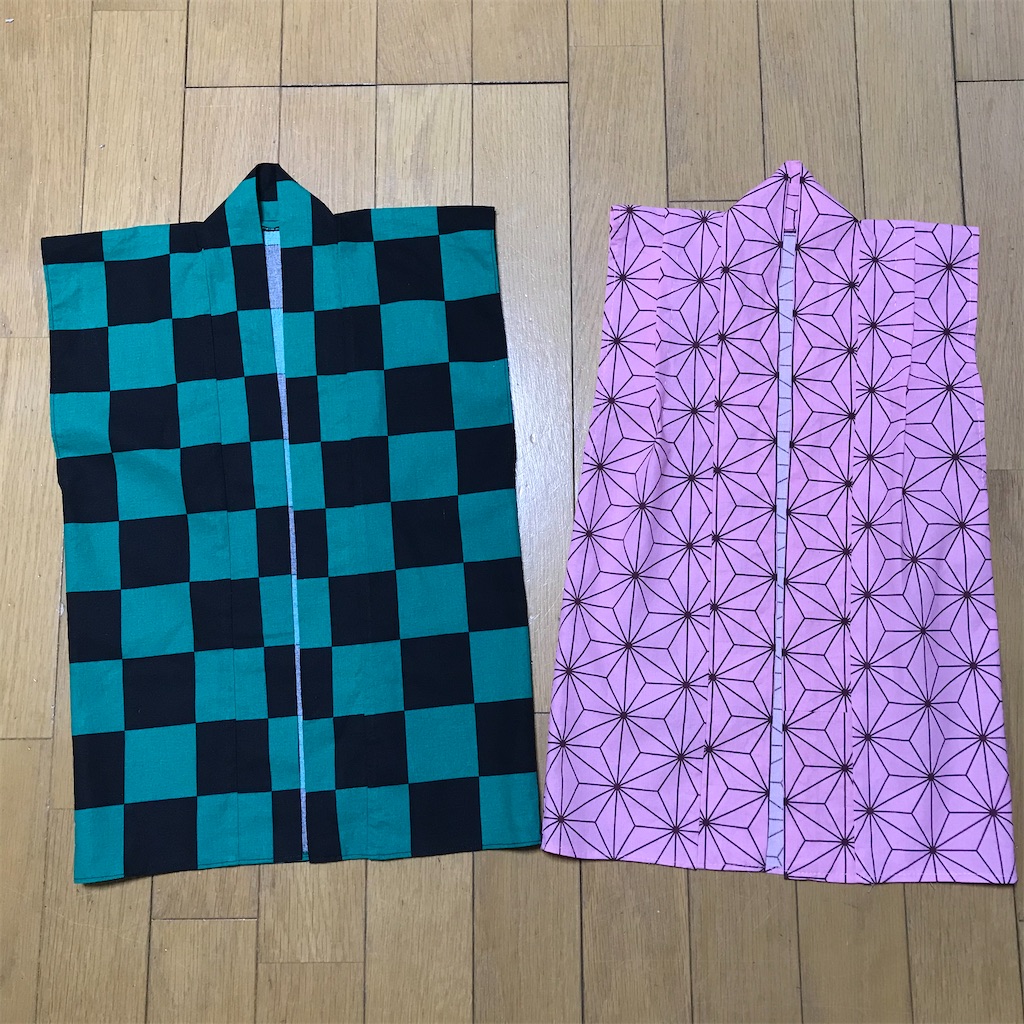
Construction follows a straightforward pattern. First, lay both salon capes flat on a floor surface, exterior facing out. Position the front actor in a seated chair; fasten the collar of the front cape normally around their neck. Next, position the rear actor on a low stool or kneeling directly behind them. Drape the second cape backwards over the rear actor's shoulders, so its broad panel hangs down their spine.
Rather than cutting armholes, which frays cheap synthetic nylon instantly, join the two capes along the upper shoulder seams using the adhesive hook-and-loop fasteners, leaving generous 35-centimeter gaps on either side. These natural side openings serve as the armholes. The rear actor slips their arms straight out through these gaps, resting their wrists directly in front of the front actor's chest. Clip the underarm junction with two safety pins to prevent the fabric from ripping open when the actor reaches upward.
Commercial Stage Kits vs. Daiso DIY: Cost and Durability Breakdown
Organizers often debate whether to buy factory-made performance sets or construct their own using discount store parts. The decision usually hinges on durability, cleanup speed, and setup lead time.
| Feature / Component | Commercial Party Goods (Online/Don Quijote) | Daiso DIY Salon Cape Build |
|---|---|---|
| Retail Cost | ¥3,800, ¥6,500 ($25, $43) | ¥330, ¥440 ($2.15, $2.90) |
| Assembly Time | Zero (Pre-sewn one-piece) | 7, 10 minutes |
| Liquid / Stain Resistance | Low (Woven cotton or felt absorbs sauce) | Very High (100% water-repellent poly) |
| Armhole Flexibility | Fixed dimensions; often tight for tall actors | Customizable to any wingspan or build |
| Post-Event Maintenance | Requires washing machine cycle or spot cleaning | Wipe dry with paper towel or discard |
The operational metrics explain why event planners lean toward 100-yen alternatives. A commercial outfit made of heavy cotton will soak through during a messy hot soba eating challenge, transferring warm broth straight onto the performers' personal clothes underneath. The Daiso salon cape system creates an impervious barrier. Spilled tsuyu broth beads on the surface and slides away harmlessly.
Staging the Classic Skit: Safety, Prop Selection, and Comedy Timing
Constructing the costume represents only half the challenge; executing the routine without injury requires strict ground rules. Variety shows frequently feature boiling noodles, but live corporate banquets must prioritize performer safety above pure slapstick.
First, abandon boiling liquids entirely. In high-energy routines, noodles must remain lukewarm or cold. Simulating heat relies entirely on acting: the front performer grimaces, fans their mouth frantically, and exhales exaggerated puffs of air while the backstage partner blindly lunges with chopsticks. Using genuine boiling soup introduces severe scalding hazards to the face, neck, and eyes.
Second, choose props that deliver stark visual contrast against skin and dark fabric. The most effective stages use three standard Daiso items alongside the costume:
- Whipped Cream or Shaving Foam: Produces immediate visual impact when smeared across cheeks, noses, and foreheads during a fake shaving or dessert routine.
- Oversized Chopsticks and Soft Eclairs: Pastries with chocolate or cream glaze shatter predictably when shoved against closed lips, delivering reliable comedic payoffs.
- A Secondary Daiso Plastic Bib: Tucking an extra transparent kitchen apron under the front actor's chin keeps high-end dress shirts spotless beneath the outer cape assembly.
Third, calibrate backstage communication. The rear actor operates completely blind, their vision blocked by the cape draped over their skull. The front actor must establish subtle physical touch signals rather than whispering audible stage directions. Tapping the rear performer's right knee with a foot signals "move hand left"; pressing an elbow inward signals "open mouth wide."
Who Should Use This Hack Versus Who Should Invest in Stage Gear
While the Daiso DIY approach solves budget and cleanup hurdles, it remains a disposable utility solution rather than an all-purpose theatrical asset. Understanding your venue context prevents embarrassing wardrobe failures.
The Daiso build is ideal for:
- Annual Bonenkai and Shinnenkai Parties: Fast assembly, near-zero cost, and painless disposal make it unbeatable for casual office revelry.
- School and University Clubs: Student organizations with micro-budgets can outfit multiple comedic duos for the price of a single fast-food meal.
- Casual Digital Content Creators: Streamers running quick variety stunts gain crisp, high-contrast video visuals without committing serious production capital.
Conversely, opt for commercial theatrical costumes when:
- Performing Formal Stage Rakugo or Heritage Theater: Authentic theater demands woven crests (kamon), traditional silk texture, and rigid wide lapels that synthetics cannot duplicate under harsh theater spotlights.
- Executing Heavy Physical Acrobatics: If the skit involves the actors falling down, wrestling, or executing sudden drops, safety pins and adhesive velcro will detach under sudden structural strain.
Frequently Asked Questions (FAQ)
Q1: What is the exact Daiso product name to search for in Japan?
Look for the Sanpatsu Keipu (散髪ケープ - Haircutting Cape) or Hea Karaa Keipu (ヘアカラーケープ - Hair Coloring Cape) in the cosmetics and grooming aisle. Make sure to select the adult size (大人用) rather than the children's version. For fasteners, search for Men Fasunaa (面ファスナー - Hook and Loop Tape).
Q2: Can I use black garbage bags instead of salon capes?
Heavy-duty 70-liter or 90-liter black garbage bags function in an absolute emergency, but they rustle loudly under stage microphones, lack natural fabric drape, and cause performers to overheat rapidly due to zero breathability. Salon capes provide a realistic matte textile finish without distracting crinkling sounds.
Q3: How do we prevent the rear performer from suffocating or overheating?
The salon cape should never be tied shut at the back. Keep the rear hem loose and open so fresh air circulates continuously beneath the covering. If your routine runs longer than four minutes, place a small battery-operated neck fan around the rear actor's collar before pulling the outer cape over their head.
The Lasting Appeal of Low-Fi Physical Comedy
Elaborate digital stunts, viral filters, and high-tech stage tricks dominate modern entertainment, but simple slapstick humor continues to disarm audiences across every demographic. The enduring popularity of nininbaori lies in its sheer human vulnerability: watching two adults surrender control to feed each other cold noodles will always elicit unscripted laughter.
Transforming ordinary convenience store sundries into a crowd-pleasing stage production requires no bespoke craft skills. By investing three dollars, ten minutes, and a pocketful of safety pins at your nearest 100-yen shop, you turn a hundred-year-old theatrical tradition into an accessible, mess-proof centerpiece for your next celebration.