Documenting Hinohara's Sacred Falls: The Realities of Tenkoji Temple's Training
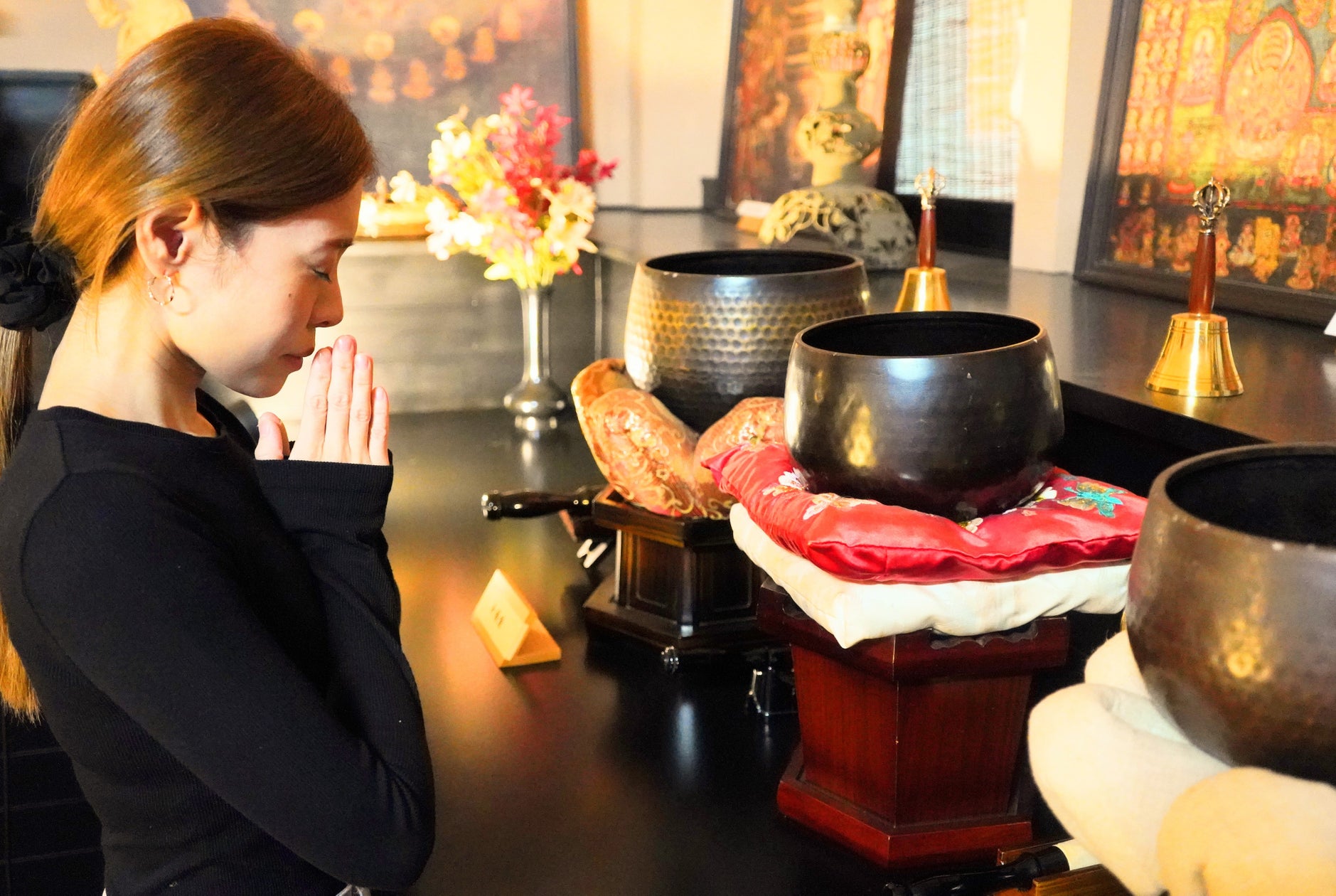
Two hours west of Shinjuku's neon canyons, the pavement ends where the dense hemlock forests of Hinohara Village climb into the mist. Here, nestled along the riverbeds of the Nishitama District, stands Usukisan Tenkoji, a Shingon Buddhist temple known across Japan for administering some of the country's most uncompromising ascetic training. While spiritual tourism often sells calming incense and curated garden views, Tenkoji strips away comfort entirely. Trainees submerge themselves beneath pounding mountain waterfalls in sub-zero winter temperatures, chant ancient Sanskrit mantras until their voices crack, and sleep on bare tatami mats under the strict guidance of head priest Seiken Takao.
The temple has evolved into a quiet cultural phenomenon. As highlighted in a PR TIMES Report documenting its role as both an ascetic center and an emerging cultural power spot, Tenkoji draws roughly 5,000 participants annually. Visitors range from burnt-out tech executives and Tokyo corporate recruits to ordinary people seeking psychological resilience. Year-round waterfall meditation, known as takigyo, serves as the centerpiece of this experience, testing the boundaries of human endurance against the unforgiving elements of western Tokyo's mountain ranges.
📌 Key Takeaways:
- The Setting: Located in Hinohara Village within Tokyo's rugged Nishitama District, Tenkoji operates as an authentic Shingon Buddhist training ground rather than a leisure resort.
- The Core Discipline: Year-round takigyo forces participants into icy mountain falls to break mental paralysis through thermal shock, physical endurance, and breath control.
- Corporate Adoption: Major Japanese enterprises routinely send management teams and new recruits to the temple to cultivate discipline, crisis management, and emotional grit.
Deep in Hinohara: The Isolation of Mount Usuki
Hinohara remains Tokyo's only non-island village, a geographical anomaly where mountain ridges rise sharply toward Yamanashi Prefecture. Usukisan Tenkoji sits deep inside this ravine network. The temple grounds lack the manicured, tourist-friendly sheen found in Kyoto or Kamakura. Instead, the compound functions as a working monastic space built around the pragmatic needs of Shingon Mikkyo, or Japanese Esoteric Buddhism.
Founded on traditions tracing back to Kobo Daishi (Kukai), Shingon Buddhism centers on the belief that enlightenment can be attained within this current physical body through intense ritual action. Body, speech, and mind must align completely. At Tenkoji, that alignment occurs through friction with nature. The surrounding mountain streams are not scenery; they are the training arena. The environment changes dramatically across the seasons, from humid summer monsoons to biting winter freezes where ice rims the plunge pools. Practitioners arrive knowing that the temple offers no climate control, no digital access, and no soft introductions to monastic routine.
The Raw Reality of Year-Round Takigyo
Waterfall meditation looks poetic in photographs. Inside the plunge pool, the reality is violent. Water drops from heights of up to six meters, delivering continuous kinetic impact across the neck, shoulders, and skull. In mid-winter, the water temperature hovers just above freezing, between 2°C and 4°C.
Before stepping into the cascade, participants undergo preparatory purification. Dressed in thin white cotton robes called shiroe, practitioners perform rigorous calisthenics, salt purification, and sake-cleansing rituals along the riverbank. They recite esoteric invocations to Fudo Myoo, the wrathful Buddhist deity who cuts through delusion with a flaming sword, to anchor their breathing before the shock hits.
Entering the current triggers an immediate gasp reflex. Heart rates spike instantly as peripheral blood vessels constrict. Under the direct supervision of senior priests, trainees must force their breathing into deep rhythmic abdominal exhalations while shouting mantras over the roar of the water. Staying under the cascade for even two minutes requires overriding the brain's instinct to flee. The cold ceases to register as a temperature; it registers as pure kinetic pressure. Surviving the ordeal strips away extraneous thoughts, leaving participants in a state of hyper-focused clarity born from survival physiology.
Corporate Boot Camps and Spiritual Resets: Training Metrics
Tenkoji gained national attention when mainstream press outlets, including Yomiuri Shimbun, documented its demanding seasonal programs. The temple transitioned from a cloistered mountain refuge into a vital crucible for secular Japan. Corporate human resources departments now book structured retreats to build grit among new hires and reset senior managers suffering from executive fatigue.
| Program Tier | Core Rituals & Disciplines | Physical Demand Level | Target Participant |
|---|---|---|---|
| Day Experience (Takigyo Intensive) | Waterfall purification, basic mantra chanting, temple cleaning (samu) | Moderate to Severe (Thermal Shock) | Stressed urban workers, curious travelers, personal seekers |
| Multi-Day Ascetic Stay (Shukubo) | Pre-dawn meditation, multiple takigyo sessions, Goma fire rites, sutra copying | High (Sleep restriction, manual labor) | Individuals navigating life crises, deep spiritual practitioners |
| Enterprise Leadership Retreat | Team waterfall immersion, silence discipline, endurance lectures, ego reduction | Very High (Collective accountability) | Corporate new hires, departmental leaders, executive teams |
The operational expansion at Tenkoji reflects deliberate adaptation. During the pandemic, the temple dedicated 5,000 consecrated wooden prayer sticks (goma-gi) during marathon fire ceremonies to pray for community recovery. Later, the administrative office adopted direct digital channels, including an official LINE platform, enabling prospective practitioners across Japan to secure permits and schedule medical assessments before arriving at the falls.

Seiken Takao and the Mechanics of Esoteric Purification
At the center of Tenkoji's daily operation is head priest Seiken Takao. Takao rejects the romanticization of monastic life, viewing the temple's disciplines as functional psychological engineering rather than mystical theater. Under his instruction, the training forces the conscious mind to detach from internal narratives and focus entirely on present somatic sensations.
Takao balances rigorous asceticism with traditional spiritual ceremonies. Inside the main prayer hall, fire takes over from water. The Goma ritual involves feeding dried cedar sticks, sesame seeds, and fragrant oils into an open consecrated hearth. As sparks leap toward the soot-blackened ceiling, drums rhythmically pound out esoteric chants. This pairing of fire and water forms the core of Shingon purification: the water strips the ego, while the fire burns away accumulated mental impurities.
In recent years, the temple grounds have also gained recognition as an enmusubi, or spiritual connection, destination. While modern visitors often associate this term strictly with romantic matchmaking, Takao frames it in classical Buddhist terms: forging healthy, durable relationships with work, community, nature, and the self. This broader mandate has widened the temple's appeal beyond ascetic hardliners, attracting young professionals seeking clarity in their personal and professional trajectories.
The Participant Perspective: Cold Shock and Mental Clarity
Accounts from participants consistently describe an initial phase of panic followed by unexpected calm. First-timers often report violent shivering and hyperventilation during the first 15 seconds beneath the falls. However, once the rhythmic chanting locks in, sensory processing shifts. The external noise of the forest disappears, replaced by the internal rhythm of the breath.
Online forums and social review communities document the physical aftermath. Trainees leave the water with bright red skin caused by reactive vasodilation, feeling an intense, surging internal warmth. Many describe a dramatic reduction in cognitive chatter, the endless mental loops driven by digital overload and corporate anxiety. The experience functions as an abrupt neurological reset. By placing the nervous system under controlled, acute stress, the temple strips away peripheral anxieties, leaving trainees with heightened sensory presence and quiet emotional composure.
Assessing Candidacy: Who Thrives and Who Should Reconsider
The intense physical demands of Tenkoji's programs mean that ascetic training is not suitable for everyone. Potential visitors must assess their physical capabilities and mental motivations before booking a session.
Ideal Candidates:
- Individuals seeking a drastic, experiential reset from severe mental fatigue or screen burnout.
- Practitioners of martial arts, breathwork, or cold exposure who wish to explore the historical, spiritual roots of Japanese discipline.
- Teams seeking to break down social masks and foster genuine vulnerability through shared physical adversity.
Who Should Avoid This Training:
- Anyone with underlying cardiovascular conditions, uncontrolled hypertension, or Raynaud's syndrome, as sudden immersion in freezing mountain water creates extreme strain on the heart.
- Travelers looking for a luxury ryokan stay, relaxing hot springs, or casual photography opportunities; cameras and smartphones are strictly managed during training.
- Individuals uncomfortable with strict hierarchies, physical manual labor, or loud, ritualized group chanting.
Frequently Asked Questions (FAQ)
Q1: Do I need prior experience in Buddhism or meditation to participate?
A1: No prior experience is necessary. Priests provide practical instruction on posture, breathing, and chanting beforehand. However, participants must follow instructions immediately and without debate to maintain physical safety in the river.
Q2: Is waterfall meditation conducted throughout the winter?
A2: Yes, Tenkoji conducts takigyo all twelve months of the year. Winter sessions require greater mental discipline due to freezing temperatures, and the temple applies strict observation protocols to monitor trainees for early signs of hypothermia.
Q3: How accessible is Tenkoji by public transit from central Tokyo?
A3: The journey takes roughly two to two-and-a-half hours. Trainees travel by train from Shinjuku Station to Musashi-Itsukaichi Station on the JR Itsukaichi Line, then take a local Nishi Tokyo bus into Hinohara Village, followed by an uphill walk to the temple gates.
The Value of Deliberate Austerity
In a world engineered for frictionless convenience, Usukisan Tenkoji offers something increasingly rare: deliberate, unyielding friction. The temple does not compromise its 1,200-year-old esoteric framework to cater to modern sensibilities. By preserving the harsh realities of Mount Usuki's waters, Seiken Takao and his community provide a grounded counterbalance to contemporary comfort. Those who walk down into Hinohara's riverbeds discover that inner stillness is not found by retreating from life's pressures, but by learning to stand upright while the full weight of the mountain crashes down upon your shoulders.


