Does Seria Actually Sell a Belt Hole Punch? The Real 100-Yen Tool Truth
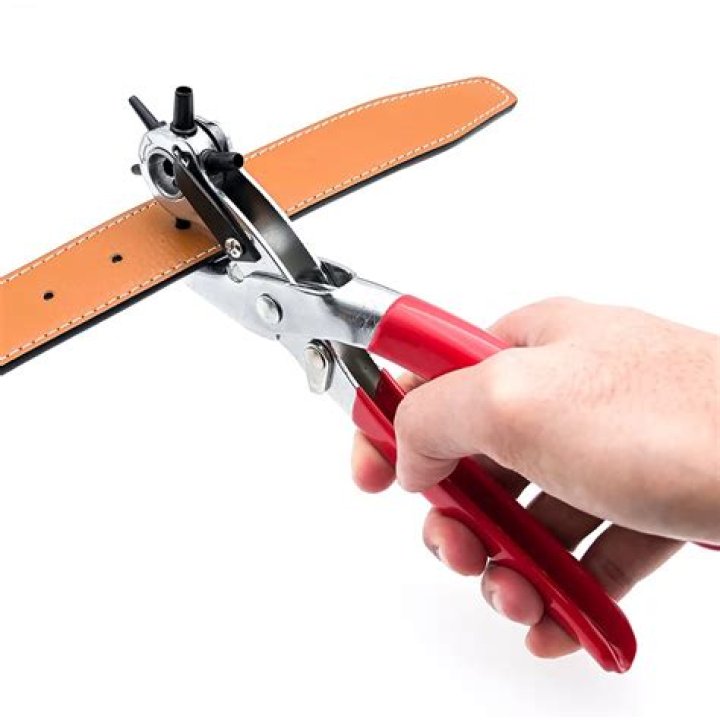
Shoppers hunting for a quick, cheap fix to resize a loose leather belt frequently march straight into the craft aisles of Japanese discount giant Seria. The expectation is simple: pick up a dedicated revolving belt hole puncher for 110 yen, head home, punch a neat notch, and call it a day. Yet walk down the aisles of almost any Seria branch across Tokyo or Osaka, and you quickly discover that finding an all-in-one leather hole punch tool is far more complicated than online DIY chatter suggests.
While Japanese variety retailers frequently dominate consumer lifestyle coverage, such as an extensive MSN Report examining luggage belts and travel hardware across Daiso, Can Do, and Seria, shoppers seeking heavy-duty punching hardware often leave empty-handed. Understanding how Seria structures its inventory reveals exactly what tools work, which items ruin good leather, and where you must shop instead.
📌 Key Takeaways:
- Inventory Reality: Seria does not stock multi-wheel revolving punch pliers because the company strictly maintains an absolute 100-yen price ceiling across its catalog.
- The Workaround: Shoppers can execute a DIY belt adjustment using Seria's striking hollow punch cylinders, eyelet punch pliers, or heavy-duty craft awl, provided they pair them with a wooden mallet and cutting mat.
- Better Alternatives: Those seeking an effortless watch strap hole punch or thick dress belt modification should look toward multi-price rivals like the Daiso rotary punch or local home improvement centers.
The Inventory Constraint Behind Seria's Tool Section
Unlike Daiso, which expanded into tiered pricing ranging from 200 yen to 1,000 yen, Seria built its entire corporate model around a rigid 100-yen baseline (110 yen after consumption tax). That strict cost boundary shapes what appears on the shelves.
A multi-diameter revolving punch plier requires cast iron hinges, high-carbon steel circular blades, and rotating gear assemblies. Manufacturing that mechanical complexity for pennies is commercially unviable. While you will easily locate suitcase straps, utility bands, and luggage ties, you will never see rotating six-wheel leather plier sets hanging on Seria racks. The store stocks single-component striking tools instead.
What You Can Actually Find in Seria Aisles
If you need to resize a belt today and Seria is your only option, locating the right item requires checking two separate zones: the DIY hardware corner and the handmade craft aisle.
In the hardware section, Seria stocks individual steel striking punches, commonly sold under the label anaake ponchi (穴あけポンチ). These hollow steel rods range from 2 mm to 7 mm in diameter. Rather than squeezing handles like pliers, you position the sharp circular edge upright against the leather and drive the back with a mallet.
In the 100-yen leather craft and sewing aisle, you will also locate the craft awl (meuchi) and eyelet punch pliers. An awl simply stretches leather grain rather than removing material, which makes it unsuitable for dress belts but functional for emergency holes in soft synthetic fabrics.
Comparing 100-Yen Belt Adjustment Tools
Using the wrong tool leaves ragged, uneven openings that tear under tension. Here is how Seria hardware compares to options found at Daiso and Can Do:
| Tool Name | Store Availability | Price (Pre-Tax) | Clean Cut Quality |
|---|---|---|---|
| Striking Hollow Punch Rod (Hollow Punch Set) | Seria, Daiso, Can Do | ¥100 | High (requires steady mallet strike) |
| Revolving Punch Pliers (Rotary Punch) | Daiso (Selected branches) | ¥300, ¥500 | Very High (clean compression) |
| Craft Awl / Scratch Awl | Seria, Daiso, Can Do | ¥100 | Poor (punctures without extracting material) |
| Eyelet Punch Pliers (Grommet Setter) | Seria, Daiso | ¥100, ¥200 | Moderate (requires pre-punched hole) |
The Step-by-Step Method for Clean Holes Using Seria Tools
Striking punches can produce factory-grade results when used with correct technique. Rushing the process will ruin your leather.
First, measure precisely. Put the belt on, mark the desired pin position with masking tape, and use a pencil tip to mark the center. Measure the diameter of the belt's existing factory holes. Most men's dress belts use 3.5 mm to 4 mm openings, while casual jeans belts frequently measure 4.5 mm to 5 mm. Match your punch bit diameter accordingly.
Second, prep the backing surface. Never place the belt directly over ceramic tile, thin wood, or bare flooring. Set a thick self-healing cutting mat or scrap block of hardwood on top of a firm, immovable surface like a concrete step or stable workbench.
Third, drive the punch straight down. Hold the cylinder perpendicular at a strict 90-degree angle. Strike the rear of the punch firmly with a rubber or wooden mallet. Avoid using a metal hammer directly on cheap carbon punches, as repeated steel-on-steel impacts mushroom the top and shatter brittle tool coatings.
Risks and When to Avoid Cheap Punching Hardware
While inexpensive tools work fine for utilitarian belts, high-end accessories require restraint. Trying to punch holes in genuine Italian vegetable-tanned leather or multi-layer designer dress belts using 100-yen striking cylinders carries substantial risk.
Budget punch blades dull quickly. When a punch lacks razor sharpness, it crushes the outer polyurethane coat rather than slicing it, creating fraying edges that degrade rapidly. If you are modifying a 100-dollar dress belt, luxury bag harness, or delicate watch strap, take the item to a professional cobbler or invest in a proper heavy-gauge revolving punch.
Frequently Asked Questions (FAQ)
Q1: Does Seria carry a rotating belt puncher with multiple sizes on a wheel?
A1: No. Seria does not sell revolving punch pliers due to its strict 100-yen flat retail pricing. For rotary wheel tools, check larger Daiso locations that carry 300 to 500 yen specialty hardware, or visit home improvement centers like Cainz or Kohnan.
Q2: Can I use an awl from Seria to add a hole to my belt?
A2: Avoid it for dress leather. An awl stretches the fibers apart without removing leather core material. This creates a jagged bump on the reverse side that quickly binds, deforms, and snaps under buckle pressure.
Q3: How do I punch a tiny hole in a leather watch strap using 100-yen items?
A3: Standard Seria hollow punches are generally too large, starting at 2 mm to 3 mm. Most watch straps require a precise 1.0 mm to 1.5 mm opening. Attempting to use a standard belt punch on a narrow watch strap will split the stitching along the border.
Practical Takeaways for Quick Leather Modifications
Seria provides practical, inexpensive striking tools capable of punching neat belt holes, but only if you buy the hollow punch cylinders rather than awls or craft needles. Remember that you also need a sacrificial wooden block and a mallet to complete the job without wrecking your furniture. If you need a hassle-free, squeeze-action rotary punch plier that requires no hammer blows, bypass Seria and head directly to Daiso's premium tool rack or your nearest hardware store.