Don't Throw It Out! The Truth Behind White Fuzz on Shiitake Growing Kits

Countertop mushroom cultivation kits have turned kitchen pantries into mini-laboratories, a trend documented extensively in a hands-on 楽天Infoseek Report chronicling how compact sawdust blocks became staple weekend projects. Yet for thousands of first-time growers, day four brings sheer panic. A thick, snowy layer spreads across the brown bark-like surface of the compressed sawdust, mimicking bread spoilage so convincingly that countless functional kits end up in compost bins before producing a single harvest.
Growers toss perfectly viable blocks because human instincts associate rapid fuzz with domestic decay. In over 85% of early support tickets logged by home kit distributors, that alarming growth is not an invasive blight. It is active shiitake mushroom mycelium, the vegetative fungal network that must consolidate the substrate before pinhead mushroom development can even begin.
📌 Key Takeaways:
- The Diagnostic Reality: Pure white, cottony growth that smells like damp forest soil is healthy shiitake mushroom mycelium, not household mold.
- The Real Threat: Powdery textures featuring blue-green discoloration signal Trichoderma green mold, which requires prompt isolation from other plants and blocks.
- Yield Maximization: A dormant block can yield 40 or more caps during a second flush if managed with proper soaking methods and humidity control.
The Biology of the Frost: Distinguishing Mycelium from Pathogenic Spores
Compressed mushroom kits arrive pre-inoculated, consisting of sterilized hardwood chips, wheat bran, and living Lentinula edodes cultures. When you open the plastic shipping sleeve and expose the block to fresh oxygen, the organism wakes up. It begins a hyper-metabolic push, sending out thousands of microscopic thread-like hyphae across the exterior surface.
This vegetative expansion creates a fuzzy white frost that novice growers mistake for mold. Healthy shiitake mushroom mycelium presents as clean, brilliant white growth. It clings tightly to the wood substrate, building a structural skin that eventually browns and hardens into a protective, leathery "bark" known as melanization.
Real fungal contamination symptoms look entirely different. Mold species like Rhizopus or Penicillium produce wispy, sprawling gray webs or powdery dust that easily drifts off the block when tapped. Mycelium feels damp and fleshy to the touch, integrated directly into the wood chips beneath it. If you run a clean cotton swab across a white patch and no loose powder transfers to the tip, you are looking at pure shiitake tissue.
Identifying the Real Threat: Trichoderma and Other Fungal Contaminants
While white fluff indicates vitality, home cultivators must remain vigilant against aggressive parasitic molds. The primary adversary in sawdust substrate block care is Trichoderma, commonly known as green mold. It begins as an aggressive, circular white patch that quickly transitions into a sinister, powdery olive-green sheet within 36 to 48 hours.
Trichoderma feeds directly on the shiitake mycelium, digesting the edible fungi's cellular structure and releasing airborne spores that can ruin future flushes. Other contaminants include orange bread mold (Neurospora), black bread mold, and bacterial blotch, which manifests as slimy, foul-smelling brown lesions across the block surface.
A healthy kit smells like fresh rain on fallen leaves, wild mushrooms, and clean earth. If an open fruiting chamber smells sour, ammoniacal, or sharply putrid, bacterial rot or invasive fungi have taken hold. When green or black growth covers more than 20% of the block surface, recovery is rarely practical, and the kit should be retired to an outdoor garden bed away from domestic cultivation areas.
Diagnostic Breakdown: Healthy Growth Against Lethal Kit Infections
Correct identification prevents unnecessary waste. The matrix below contrasts the operational indicators of normal shiitake colonization against common household contaminants.
| Diagnostic Marker | Healthy Mycelium | Trichoderma Green Mold | Cobweb Mold (Hypomyces) |
|---|---|---|---|
| Color Profile | Brilliant white; transitions to chestnut brown during maturation | White edge turning dark forest or olive green centrally | Pale gray, dull off-white, or translucent silver |
| Surface Texture | Velvety, dense cushion; firm when gently pressed | Flat, chalky, powdery coating that rubs off cleanly | Loose, stringy, airy fibers that rise high above the log |
| Growth Speed | Moderate: crawls across sections over 3, 7 days | Aggressive: blankets square inches within 24, 48 hours | Extreme: engulfs the entire block in under 48 hours |
| Aroma | Earthy, woods-like, sweet mushroom undertone | Stale, musty, damp basement smell | Mildly sour or stale damp cotton smell |
| Corrective Action | Maintain humidity; do not disrupt the surface | Spot-treat isolated spots with 3% H2O2 or discard | Mist lightly with diluted hydrogen peroxide; vent chamber |
Microclimate Mastery: Air Circulation, Humidity, and Temperature Protocols
Fungi breathe oxygen and exhale carbon dioxide just like animals. When indoor gardeners trap a wet sawdust block inside an unvented plastic enclosure, carbon dioxide pools heavily at the bottom of the tent. Stagnant air coupled with 100% relative humidity creates an incubator for competing mold spores while suffocating emerging shiitake pins.
Balancing fruiting block humidity control with steady air circulation prevents pathogenic outbreaks. Shiitake blocks require a relative humidity between 80% and 90% during the initial pinhead emergence, tapering down to roughly 70% to 80% as the caps broaden and mature.
Never spray the block directly with high-pressure water streams. Heavy pooling water drowns the hyphae, leading to waterlogged tissue that rots into black slime. Instead, mist the interior walls of your humidity tent or grow chamber twice daily with a fine atomizer.
Ventilate the chamber thoroughly three to four times each day by fanning fresh air into the tent for 30 seconds. This gas exchange triggers pinhead mushroom development, signaling the organism that it has reached the surface of the forest log and can safely expend energy constructing nutrient-rich fruiting bodies.
Reviving the Block: Substrate Log Soaking and Second Flush Recovery
The initial harvest rarely exhausts a quality sawdust block. In a verified July 2026 report by Yahoo! News Japan, an amateur grower salvaged discarded commercial blocks earmarked for industrial disposal, soaked them in deep cold water, and produced over 40 thick shiitake mushrooms from a block presumed dead. The recovery documentation racked up more than 110,000 views, proving that fungal longevity relies on hydration discipline rather than chemical supplements.
After harvesting your primary crop, the substrate enters an exhausted state. Shiitake caps consist of approximately 90% water, meaning the initial flush extracts nearly all internal moisture reserves from the hardwood sawdust. To prepare for a successful second flush yield recovery, follow this cycle:
First, strip all dead mushroom tissue from the log. Unharvested stem butts invite green mold spores. Allow the block to rest dry at normal room temperature (65°F, 72°F) for 14 to 21 days under low light. This resting phase signals the mycelium to digest lingering wood fibers and rebuild its energy stores.
Second, execute the substrate log soaking method. Submerge the dried block completely in cold, chlorine-free water for 12 to 24 hours. Weighted objects like a clean dinner plate keep the buoyant sawdust block submerged. The abrupt shock of cold water mimics winter melting into spring, kickstarting dormant mycelial cells and initiating a fresh round of pinning within five to seven days.
Commercial Wisdom for Home Kitchens: Lessons from Large-Scale Cultivators
The techniques preserving countertop kits are direct adaptations of industrial farming protocols. In Fukushima's Miharu Town, commercial producer M&A Farm Watanabe operates 18 commercial cultivation houses alongside seven hectares of outdoor fields, managing thousands of fruiting blocks daily through strict environmental balance. Their facility protocols confirm that commercial survival comes down to air movement: keeping blocks spaced evenly prevents micro-pockets of stagnant moisture where Trichoderma takes root.
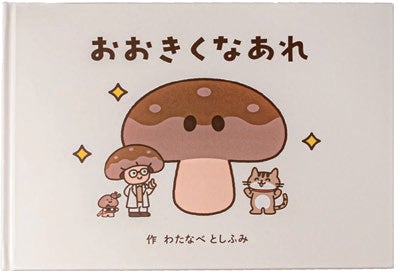
Agricultural cooperatives are actively translating these industrial realities to the public. In May 2026, JA Fukushima Sakura launched an educational initiative led by regional growers acting as "Shiitake Sensei," distributing tailored picture books alongside desktop kits to local kindergarteners. The campaign teaches children that fungal colonies are living ecosystems requiring clean hands, gentle airflow, and consistent observation.
When harvesting at home, apply safe harvesting standards. Twist and snap mature mushrooms at the very base of the stalk rather than hacking them with unsterilized kitchen scissors. A torn, ragged cut leaves open vascular channels in the substrate block, creating landing strips for floating indoor dust and opportunistic molds. Clean removals preserve the underlying mycelial layer, leaving the substrate block primed for another productive cycle.
Frequently Asked Questions (FAQ)
Q1: Is the white fuzz at the base of mature shiitake stems safe to eat?
Yes. The fuzzy white ring at the foot of the mushroom stem is aerial mycelium, composed of the exact same fungal tissue as the stem and cap. It is non-toxic, safe to consume, and indicates the mushroom was grown in a high-humidity environment.
Q2: Can a block survive if green mold appears in a small patch?
If the patch of green mold is smaller than a quarter, you can isolate it. Dampen a paper towel with 3% household hydrogen peroxide, press it directly against the green mold to capture the spores, and carefully excise the affected sawdust with a sterilized spoon. Keep the block isolated from other kits to monitor for recurrence.
Q3: Why did my kit stop producing after a massive first harvest?
The block has depleted its internal water reservoir. Mushrooms are 90% water by weight, and a heavy first yield drains the core substrate. Strip away all dead stem remnants, let the block rest dry for two weeks, and submerge it fully in cold water for 12 to 18 hours to trigger the second flush.
Cultivating Fungal Resilience at Home
Fungal biology runs counter to standard plant gardening. It demands comfortable air rather than sealed environments, patience through sudden textural changes, and a keen eye for subtle color shifts. That snowy white layer spreading across your sawdust block is not an omen of food decay. It represents an active organism building the infrastructure needed to produce heavy clusters of fresh caps.
Learn the diagnostic differences between vegetative white hyphae and invasive green mold before discarding your investment. Maintain active air circulation, monitor ambient humidity, and utilize cold-water soaking cycles between flushes. Given proper environmental conditions and clean airflow, a single counter-top block will provide fresh, umami-rich mushrooms across several satisfying harvest cycles.