Fact-Checking Hair Myths: Do You Really Need Both Rinse and Treatment?
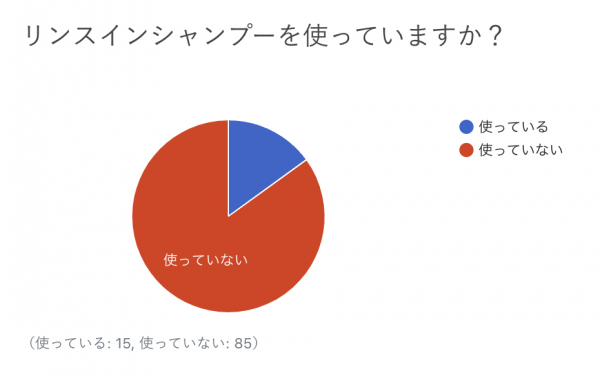
Walk down any personal care aisle and you face an overwhelming wall of rinse-off hair products. Brightly colored bottles promise instant repair, cuticle sealing, and complete split ends prevention. Yet most consumers remain baffled by the fundamental chemistry separating a standard hair rinse from a deep hair treatment. The confusion runs so deep that mainstream media continues to unpack it; as detailed in a broadcast analysis highlighted by a livedoor ニュース Report, everyday consumers frequently purchase multiple bottles without knowing whether they are duplicating steps or actively coating their hair in excess silicone.
Modern cosmetic marketing blurs these lines on purpose. Brands label light conditioners as "miracle masks" and reposition traditional rinses as "gloss boosters." To preserve your hair budget and protect your scalp health, understanding what actually penetrates the hair shaft, and what simply sits on the surface, is critical.
📌 Key Takeaways:
- The Core Distinction: Rinses act strictly as a surface-level cuticle coating, while a deep hair treatment drives amino acids into the inner hair cortex repair zone.
- The Split End Reality: No drugstore rinse can physically fuse broken fibers back together; they merely temporarily smooth the outer sheath.
- Routine Optimization: Layering rinse and treatment daily is often unnecessary product redundancy that leads to build-up and limp strands.
The Cuticle Coating Fallacy and Why Rinses Cannot Mend Broken Strands
A recurring myth promoted by drugstore packaging is that an inexpensive rinse can permanently mend split ends. Cosmetic trichology tells a different story. Hair fibers consist of three primary layers: the outermost protective cuticle, the structural cortex containing keratin bonds, and the central medulla. Once mechanical friction, bleach, or thermal styling splits a strand, the cellular integrity of that cortex is permanently fractured. Dead keratin cells cannot regenerate.
A traditional hair rinse operates strictly on the outer perimeter. Formulated primarily with cationic surfactants and light silicones or fatty alcohols, a rinse neutralizes static electricity. It flattens raised cuticle scales to reflect light and reduce wet-combing resistance. When consumers notice their split ends "disappearing" after a ninety-second shower rinse, they are observing an optical illusion. The formulation temporarily glues frayed edges together with temporary polymers. The moment you wash your hair with a clarifying surfactant, those coatings dissolve, exposing the underlying breakage once again.
How Hair Cortex Repair Separates Deep Treatments from Daily Conditioners
Understanding the hair rinse vs conditioner debate requires looking at molecular weight and formulation intent. Traditional rinses were originally engineered decades ago to counteract alkaline soap residue. Hair fibers have a natural hair pH balance sitting between 4.5 and 5.5. Washing with traditional alkaline bar soaps swelled the cuticle, leaving strands feeling coarse and stripped. Early rinses were acidic solutions designed to restore that acidic mantle and smooth the hair exterior.
Modern conditioners evolved as an upgrade, adding moderate moisture retention to surface detangling. A deep hair treatment, however, works beneath the surface. These formulations use hydrolyzed proteins, amino acids, and specialized lipids small enough to achieve genuine hair shaft penetration. Instead of washing away immediately, treatments cross into the damaged cortex to fill structural voids left by chemical services.
| Product Type | Primary Target Layer | Optimal Contact Time | Recommended Frequency |
|---|---|---|---|
| Hair Rinse | Cuticle surface (anti-static smoothing) | 0, 1 minute | Daily (normal/fine hair) |
| Conditioner | Cuticle & outer cortex hydration | 2, 3 minutes | Every wash session |
| Deep Treatment / Mask | Inner cortex matrix & lipid repair | 5, 15 minutes | 1, 2 times weekly |
Applying a heavy treatment requires dwell time. Active low-molecular-weight ingredients need heat and moisture to diffuse through the intercellular cement between cuticle cells. If you rinse a restorative mask off after ten seconds, you waste the premium active ingredients down the drain.
The Order of Application: Do You Actually Need Both in One Shower?
One of the most persistent routines pushed by salon blogs is the double-conditioning method: applying a shampoo, working in a rich hair treatment, and immediately sealing it with a rinse or conditioner. The logic appears sound at first glance. The treatment repairs the internal core, and the acidic rinse seals the cuticle to trap those nutrients inside.
For severely bleached, high-porosity fibers, this sequence offers measurable slip and protects against moisture loss. But for untreated or fine hair textures, this multi-step process suffocates the strand. Applying a heavy silicone rinse directly over a lipid-rich treatment creates a hydrophobic seal that repels ambient moisture and attracts airborne dirt. Within hours, hair collapses under its own weight.
For standard damaged hair care, a rotating daily vs weekly routine delivers far cleaner results. Use a balanced conditioner during regular weekday washes. Reserve your intensive treatment for a dedicated weekly session. Layering both back-to-back should be reserved exclusively for high-lift blondes or chemically relaxed textures that need heavy surface lubrication to prevent immediate mechanical breakage.
The Rise and Reality of 2-in-1 Conditioning Shampoos
Time-pressed consumers often abandon multi-bottle systems altogether in favor of all-in-one bottles. Consumer tracking reveals that convenience remains a powerful motivator: according to an industry survey conducted by Normalism Inc. across its Hairlog platform, approximately 15% of women routinely reach for 2-in-1 conditioning shampoos to streamline their shower routine.
The underlying chemistry behind 2-in-1 products involves a delicate suspension system known as the "polyquaternium-surfactant complex." In the bottle, anionic cleansing agents and conditioning polymers remain dissolved together. As water dilutes the lather during washing, the conditioning agents precipitate out of the foam, clinging to the negatively charged damage sites on the cuticle while the detergents wash away surface sebum.
While modern 2-in-1 formulas have improved drastically since their introduction in the late 1980s, they involve compromises. They lack the targeted penetrative capability required for real cortex rehabilitation. For individuals with oily scalps and fragile ends, these hybrid products can deposit conditioning agents directly onto follicular openings, causing root greasiness while leaving damaged tips under-nourished.
Fine-Tuning Your Regimen Based on Porosity and Daily Heat
Determining whether you need a basic rinse, a daily conditioner, or an intensive weekly mask comes down to fiber porosity rather than marketing labels. Low-porosity strands have tightly packed, overlapping cuticles that resist water absorption. Applying heavy treatments or thick conditioners causes immediate buildup, turning strands brittle over time. These hair types thrive on lightweight rinses with balanced acidity to maintain shine without weight.
High-porosity hair features chipped, lifted, or missing cuticles caused by chemical processing, UV degradation, or flat-iron styling exceeding 350°F (177°C). Because the internal cortex sits exposed, these strands lose internal moisture almost as quickly as they absorb it. Here, standard rinses fall short. High-porosity hair demands regular deep treatments loaded with wheat proteins, hydrolyzed silk, and ceramides, followed by an occlusive conditioner to prevent rapid protein leaching.
Frequently Asked Questions (FAQ)
Q1: Can a salon treatment permanently reverse heat damage?
A1: No. Heat damage fundamentally denatures the keratin proteins within the hair cortex, causing irreversible structural collapse. Treatments and bonding agents can temporarily reinforce surviving matrix bonds and smooth surface frizz, but the damaged portion will eventually need to be trimmed away.
Q2: What happens if I leave a deep hair treatment on overnight?
A2: Leaving protein-rich treatments on damp hair for extended hours risks hygral fatigue and protein overload. As hair swells repeatedly with water under an occlusive cap, the cuticle weakens, causing strands to snap easily when dry. Stick to the manufacturer's designated 5 to 15-minute window.
Q3: Is hair mask fundamentally different from a treatment?
A3: In modern cosmetic manufacturing, the terms are largely interchangeable. Hair masks typically feature a thicker, butter-based emulsion (using shea or argan bases) designed for coarse or thick hair, while treatments often feature fluid, high-potency protein serums suitable for finer textures.
Navigating Hair Care Decisions in 2026
Modern hair maintenance requires looking past dramatic advertising claims and recognizing how different formulations interact with the hair shaft. Drugstore rinses provide reliable, budget-friendly surface detangling, static control, and temporary shine by re-establishing the strand's natural acidic mantle. They serve an everyday protective role, but they do not reverse deep mechanical or chemical trauma.
Deep treatments remain an indispensable tool for restoring damaged hair, provided they are given the time and heat required to penetrate the inner cortex. If your hair is untreated and healthy, buying into elaborate multi-step conditioning systems adds unnecessary weight and expense. Evaluate your hair's actual porosity, keep treatments targeted to damaged ends, and treat split ends with a regular pair of styling shears rather than expecting a bottle to perform miracles.