Fact-Checking Ohtani's Peer Group: Who Was Really Born in 1994 vs Common Age Myths
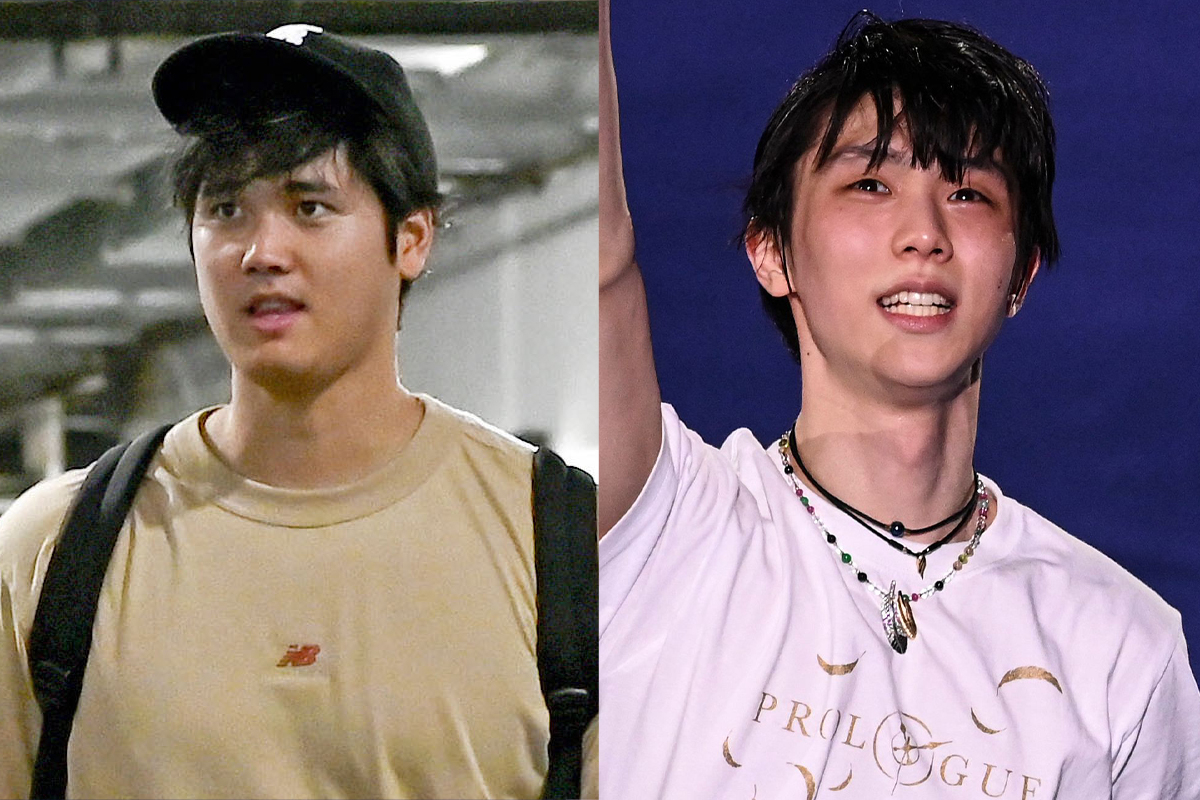
Shohei Ohtani commands an almost mythical presence in modern international sports. His status as a generational athlete frequently distorts how the public perceives his age, leading casual observers to place him alongside veterans a half-decade older or phenoms several years younger. That magnetic reputation reaches far beyond baseball diamonds. In a corporate study published by the 楽天Infoseek Report surveying 1,354 business professionals, Japanese respondents overwhelmingly ranked Ohtani as the number one celebrity they could never say no to in a sales pitch, surpassing seasoned entertainment titans like Sanma Akashiya and Yo Oizumi.
Born on July 5, 1994, in Oshu, Iwate Prefecture, the two-way superstar belongs to a precise, remarkable demographic cohort. In Japan, domestic media routinely tracks the Ohtani Sedai (the "Ohtani Generation"), cataloging the athletes, actors, and chart-topping musicians who entered the world in the same calendar year. Yet global fame often creates chronological confusion. Fans regularly lump older rivals and younger proteges into Ohtani’s immediate peer group, while missing bona fide global icons who share his exact birth year.
📌 Key Takeaways:
- The Core Birth Record: Shohei Ohtani was born on July 5, 1994, placing him in an elite cohort of global figures now navigating their early thirties.
- The Athletic Peer Class: Two-time Olympic figure skating champion Yuzuru Hanyu and Chicago Cubs outfielder Seiya Suzuki are confirmed members of Japan's celebrated 1994 sporting generation.
- Global Pop Sync: Megastars Justin Bieber and Harry Styles share Ohtani’s exact 1994 birth year, while frequent comparison points like Aaron Judge and Naomi Osaka fall into entirely different age brackets.
The Cultural Weight of Japan’s "Ohtani Generation"
In Japanese sports culture, identifying an entire birth year by its transcendent superstar is a long-standing tradition. Baseball previously lionized the "Matsuzaka Generation," referencing pitcher Daisuke Matsuzaka’s decorated 1980 high school class. By the time Ohtani completed his transition from the Hokkaido Nippon-Ham Fighters to Major League Baseball, sports desks in Tokyo had shifted their focus entirely toward the 1994 calendar year.
The label carries intense weight. When Japanese media monitors the 1994 cohort, they examine more than just raw athletic output. They look for cultural composure, personal discipline, and international marketability. Ohtani’s dominance in MLB amplified this scrutiny, prompting persistent comparisons between his trajectory and the careers of his domestic peers across soccer, swimming, and winter sports.
Athletic Royalty Sharing the 1994 Birth Certificate
The 1994 Japanese athlete roster contains some of the most decorated competitors in modern Olympic and professional history. Chief among them is figure skating icon Yuzuru Hanyu, born December 7, 1994. While Ohtani conquered American ballparks, Hanyu captured consecutive Olympic gold medals in Sochi and Pyeongchang, establishing a parallel standard of technical excellence and massive global fan devotion.
Within Major League Baseball, Ohtani’s closest domestic compatriot is Chicago Cubs outfielder Seiya Suzuki, born August 18, 1994. Both emerged from the NPB draft class ecosystem into primary offensive weapons in North America. Suzuki entered the Hiroshima Toyo Carp organization as an infielder before converting to the outfield, frequently matching Ohtani’s slugging benchmarks in Nippon Professional Baseball before taking his talents abroad.
On American soil, several prominent MLB fixtures share Ohtani’s birth year. Houston Astros third baseman Alex Bregman was born March 30, 1994, while right-hander Lucas Giolito arrived on July 14, 1994, just nine days after Ohtani. These players entered the majors through entirely different developmental pipelines, yet they represent the exact competitive timeline Ohtani faced upon arriving in the United States.
Verified Records: The 1994 Global Cultural Registry
Public perceptions of celebrity ages are notoriously unreliable. Fans often associate performers with the year they rose to prominence rather than the year they were born, resulting in widespread mistakes regarding who actually shares Ohtani’s birth calendar.
| Celebrity Name | Verified Birth Date | Primary Field | Peer Status to Ohtani |
|---|---|---|---|
| Shohei Ohtani | July 5, 1994 | Major League Baseball | Baseline Cohort Anchor |
| Justin Bieber | March 1, 1994 | Pop Music | True 1994 Peer |
| Harry Styles | February 1, 1994 | Pop Music / Cinema | True 1994 Peer |
| Yuzuru Hanyu | December 7, 1994 | Figure Skating | True 1994 Peer |
| Seiya Suzuki | August 18, 1994 | Major League Baseball | True 1994 Peer |
| Kento Yamazaki | September 7, 1994 | Film / Television | True 1994 Peer |
| Aaron Judge | April 26, 1992 | Major League Baseball | Myth (Two Years Older) |
| Naomi Osaka | October 16, 1997 | Professional Tennis | Myth (Three Years Younger) |
Global Pop Superstars Born in 1994
When sports commentators discuss Ohtani's athletic maturity, they rarely frame his journey alongside music charts. Yet looking across entertainment reveals unexpected contemporaries. Canadian pop sensation Justin Bieber was born on March 1, 1994. Because Bieber achieved global super-stardom as a teenager with 2010’s "Baby," mainstream audiences often assume he belongs to an older, veteran generation. In truth, Bieber is merely four months older than the Dodgers superstar.
Similarly, British singer and actor Harry Styles entered the world on February 1, 1994, five months ahead of Ohtani. While Styles traversed the whirlwind of One Direction’s early fame and transformed into an arena-headlining solo artist, Ohtani was refining his mechanics under the roof of the Sapporo Dome. Puerto Rican recording artist Bad Bunny was born on March 10, 1994, and pop singer Halsey arrived on September 29, 1994. All these creators share the exact generational marker that defines the two-way baseball icon.
Common Celebrity Age Myths Surrounding Ohtani
Because Ohtani has operated in the spotlight for over a decade, fans routinely miscalculate his age relative to his peers. The most frequent errors involve three distinct categories of high-profile figures:
The Aaron Judge Rivalry Illusion. During the 2022 and 2024 MVP races, MLB broadcasts heavily juxtaposed Ohtani and New York Yankees slugger Aaron Judge. That on-field rivalry created an assumption that both men entered adulthood at the same moment. Judge was born on April 26, 1992, making him more than two years older than Ohtani. Judge was already playing collegiate ball at Fresno State while Ohtani was navigating his final years at Hanamaki Higashi High School.
The Japanese Global Ambassador Cohort. International audiences frequently group Ohtani with four-time Grand Slam tennis champion Naomi Osaka. Because both serve as prime commercial ambassadors for major Japanese corporate sponsors, casual viewers assume they are age peers. Osaka was born on October 16, 1997, putting her more than three full years behind Ohtani in developmental timing.
The Domestic Pitching Peers. New York Mets pitcher Kodai Senga is often referenced alongside Ohtani during broadcasts covering Japanese stars in MLB. Senga was born in January 1993, placing him in the Japanese school year preceding Ohtani's class. Conversely, Yoshinobu Yamamoto, Ohtani's teammate on the Dodgers, was born in August 1998, four full years his junior.
Screen and Stage: Japanese Entertainers in the 1994 Bracket
The domestic 1994 bracket extends deep into Japanese television and cinema. Actor Kento Yamazaki, born September 7, 1994, achieved runaway international visibility as the lead in Netflix’s Alice in Borderland. Yamazaki’s domestic commercial dominance mirrors Ohtani’s cultural presence across Japanese billboards, representing the acting wing of the 1994 cohort.
Award-winning actor Ryo Yoshizawa arrived on February 1, 1994, while leading television actresses Alice Hirose (born December 11, 1994) and Mayu Matsuoka (born February 16, 1995, but sharing the 1994 Japanese academic calendar year) round out an extraordinary acting class. When Japanese media compiles lifestyle features on the nation’s cultural vanguard, this collective group of 1994 actors and athletes forms the benchmark against which newer entertainment classes are judged.
Frequently Asked Questions (FAQ)
Q1: Why is the 1994 generation so famous in Japan?
A1: The 1994 cohort produced an unusually concentrated group of world-class performers at the exact same moment. Led by Shohei Ohtani in baseball and Yuzuru Hanyu in figure skating, Japanese athletes born that year captured international championships, breaking domestic records and creating a media obsession dubbed the "Ohtani Generation."
Q2: Is Shohei Ohtani the same age as Aaron Judge?
A2: No. Aaron Judge was born on April 26, 1992, making him over two years older than Ohtani, who was born on July 5, 1994. While they regularly compete for league-wide accolades, they belong to different draft and age classes.
Q3: Which Western pop musicians were born in the same year as Shohei Ohtani?
A3: Major Western artists born in 1994 alongside Ohtani include Justin Bieber (March 1), Harry Styles (February 1), Bad Bunny (March 10), and Halsey (September 29). Despite achieving teenage fame, they are exact birth-year contemporaries of the baseball superstar.
The Enduring Legacy of the 1994 Cohort
Examining Shohei Ohtani's birth cohort clarifies how perception diverges from historical record. When an individual dominates a major sport for an extended duration, fans naturally stretch their timeline, imagining a career that began earlier or assuming contemporaries must be older. The reality is far cleaner. Ohtani sits square in the middle of a generation that redefined sports, music, and screen entertainment across the globe. As this group moves through their early thirties, the verified 1994 roster remains one of the most remarkable talent concentrations in modern cultural history.