Fact-Checking Sarah Brightman’s Amalfi Role: Cameo Myth vs. Reality Explained
When Fuji Television mounted its lavish 50th-anniversary cinematic production in 2009, the promotional posters displayed classical crossover soprano Sarah Brightman’s name directly alongside marquee lead Yuji Oda. Japanese television teasers and entertainment press, including coverage highlighted in a contemporary CDジャーナル Report, promised an unprecedented international spectacle shot entirely on Italian soil. The sheer volume of Brightman's press coverage sparked intense curiosity: did the world-famous stage icon play a major dramatic role in the diplomatic thriller, or had audiences witnessed one of Japanese cinema's most audacious promotional bait-and-switch campaigns?
More than a decade and a half later, retrospective streaming binges and discussions across social media routinely revive the debate. Viewers who discover Amalfi: Rewards of the Goddess (Amalfi: Megami no Hoshu) expecting Brightman to foil an international conspiracy alongside Oda's stoic diplomat Kosaku Kuroda quickly find themselves checking the film's runtime. The reality of her participation reveals a fascinating study in Japanese studio marketing, brand cross-pollination, and international star licensing.
📌 Key Takeaways:
- The Role: Sarah Brightman makes a brief guest appearance as herself, singing during a formal concert sequence, rather than playing a fictional dramatic character.
- Screen Time: Her total appearance spans less than five minutes of the film's 125-minute runtime.
- The Marketing Debate: Fuji Television faced audience pushback for billing Brightman as a principal headliner on theatrical posters, an aggressive publicity move designed to capitalize on her massive Japanese fanbase.
- Soundtrack Dominance: Brightman provided the movie's signature musical identity through "Time to Say Goodbye," releasing a dedicated tie-in album that swept Japanese classical charts.
The 2009 Fuji TV Blockbuster and the Italian Promotional Blitz
Fuji Television pulled out all the stops for its golden jubilee. Directed by Hiroshi Nishitani, Amalfi: Rewards of the Goddess represented a gargantuan financial gamble by domestic industry standards. The production team dispatched a star-studded Japanese cast, anchored by Yuji Oda, Yuki Amami, and Erika Toda, to Rome, Amalfi, and Caserta for an all-location Italian shoot.
The story follows diplomat Kosaku Kuroda as he untangles a web of terrorism, espionage, and child abduction during an international summit in Italy. To elevate the picture from a standard television spin-off into a legitimate global cinematic event, Fuji TV executives sought an international cultural figure whose recognition in Japan was absolute.
Brightman had spent two decades cultivating an extraordinarily loyal Japanese audience. Having originated Christine Daaé in Andrew Lloyd Webber's The Phantom of the Opera, she was already musical royalty in Tokyo. Her signature anthem "Time to Say Goodbye" (originally recorded with Andrea Bocelli) had saturated Japanese commercial airwaves, figure-skating routines, and department stores for years. Fuji TV integrated her directly into the narrative fabric, flying her to Italy to shoot scenes amidst the opulent halls of the Royal Palace of Caserta.
Screen Time Reality: Star Billing Versus a Four-Minute Cameo
The public perception that Brightman was a lead protagonist stem directly from the theatrical roll-out. The official Japanese posters placed Brightman's English name alongside Oda and Amami in primary billing. Promotional trailers intercut high-intensity shots of Oda running through Roman cobblestone streets with sweeping crane shots of Brightman singing in an evening gown.
The on-screen reality is far more modest:
- Brightman plays herself, not an operative, diplomat, or witness.
- Her dramatic involvement is non-existent; she has virtually no narrative dialogue with the main characters.
- Her primary scene takes place during a high-society Christmas charity concert at the Caserta palace, attended by Italian dignitaries, diplomats, and Kuroda.
- Her performance of "Time to Say Goodbye" serves as the atmospheric backdrop for Kuroda's investigative maneuvers in the hall.
- Clocking in at approximately four minutes and twenty seconds, her physical presence on screen constitutes roughly 3.5% of the total film.
The brevity of the performance led to spirited online debates across Japanese cinema boards upon the film's July 18, 2009 release. Disappointed ticket buyers who expected Brightman to act as Kuroda's Italian counterpart voiced frustration at what felt like a commercial maneuver. Yet for Fuji TV, the gambit succeeded. Audiences flocked to theaters, turning the production into one of the highest-grossing domestic films of the year.
Production and Box Office Reality
The marriage between Japanese commercial television networks and international recording stars rarely operates on narrative necessity alone. It is a commercial alliance driven by cross-promotional merchandising, television network synergy, and soundtrack sales.
| Production Metric | Reported Data & Context | Industry Impact |
|---|---|---|
| Domestic Theatrical Gross | ¥3.65 billion (approx. $38M USD in 2009) | Ranked among top-10 domestic live-action releases of 2009 |
| Sarah Brightman Screen Time | 4 minutes, 20 seconds (out of 125 minutes) | Sparked media debate over misleading star billing |
| Principal Shooting Locations | Rome, Amalfi Coast, Royal Palace of Caserta | Rare all-Italian location shoot for a Japanese production |
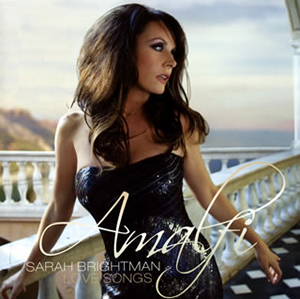
| Tie-In Album Performance | Amalfi: Sarah Brightman Love Songs | Certified Gold by RIAJ; topped Oricon Classical Charts |
| Franchise Legacy | Spawned 2011 TV series and film sequel Andalucia | Solidified Yuji Oda's Kosaku Kuroda diplomatic persona |
Why Japanese Media Networks Rely on Classical Crossover Star Power
To understand why Fuji TV built an entire publicity ecosystem around a four-minute cameo, one must look at the demographics of Japanese moviegoers in the late 2000s. While Hollywood studios targeted young males for explosive action tentpoles, Japanese live-action dramas relied heavily on adult women and middle-aged demographics to drive weekday box office receipts.
Brightman occupied a singular space in Japan's cultural consciousness. Her blend of classical vocal technique and high-production pop spectacle appealed directly to this affluent audience. Her solo albums routinely sold hundreds of thousands of physical CDs across Japan, far outperforming standard Western pop imports.
By securing Brightman, Fuji TV achieved three tactical objectives:
- Prestige Legitimacy: Incorporating a British stage luminary and an Italian concert sequence gave the film an air of European sophistication that domestic crime thrillers rarely possessed.
- Daytime TV Coverage: The network could air endless behind-the-scenes segments across its morning variety shows, featuring Brightman greeting Oda on set in Caserta.
- Integrated Tie-In Retailing: Fuji TV used its massive "Odaiba Gasshukoku" summer festival in Tokyo to cross-promote the movie, the music, and Italian tourism packages simultaneously.
Brightman understood the commercial power of the Japanese market. She actively supported the campaign, giving interviews to Japanese broadcasters, greeting crowds at promotional events, and praising the scale of the Japanese crew's ambition.
Soundtrack Dominance: How "Time to Say Goodbye" Anchored the Kuroda Franchise
While Brightman's physical acting contribution was slight, her sonic contribution defined the franchise. Director Hiroshi Nishitani did not merely drop "Time to Say Goodbye" over the closing credits; he built the emotional climax of the Caserta sequence around the song's soaring crescendos.
EMI Music Japan capitalized on the theatrical launch by releasing Amalfi: Sarah Brightman Love Songs, a curated compilation featuring the film's theme along with signature tracks from her catalog. The album struck Gold in Japan, proving that even if audiences recognized the cameo for what it was, they embraced the musical synergy wholeheartedly.
Brightman's relationship with Japanese entertainment remains strong. Long after the Amalfi phenomenon settled, she continued to pack venues across the country, selling out arena runs and headlining prestigious stage engagements, including her acclaimed turns at Tokyo's Tokyu Theatre Orb in Sunset Boulevard.
When Fuji TV developed the 2011 cinematic sequel, Andalucia: Revenge of the Goddess, set in Spain, the producers faced the challenge of replicating the original's prestige. While Brightman did not return for the sequel, her brief presence in the 2009 original established the Kosaku Kuroda series as an uncommonly ambitious, globally minded chapter in modern Japanese commercial cinema.
Frequently Asked Questions (FAQ)
Q1: What character does Sarah Brightman play in Amalfi: Rewards of the Goddess?
A1: Sarah Brightman does not play a fictional character. She appears as herself, performing as an invited guest artist during a high-profile diplomatic Christmas concert sequence held inside the Royal Palace of Caserta.
Q2: How much total screen time does Sarah Brightman have in the movie?
A2: Her physical appearance lasts roughly four minutes and twenty seconds out of the movie's 125-minute running time, consisting almost entirely of her musical performance.
Q3: Why was there controversy around her casting in Japan?
A3: The controversy centered on promotional transparency. Fuji Television placed Brightman prominently on theatrical posters and trailers alongside leading actors Yuji Oda and Yuki Amami, causing many viewers to mistakenly believe she was a principal co-star rather than a brief cameo.
Q4: Did Sarah Brightman sing a new original song for the Amalfi soundtrack?
A4: No. The production utilized her existing international signature hit, "Time to Say Goodbye" (Con te partirò). The track was packaged into a special Japanese compilation album, *Amalfi: Sarah Brightman Love Songs*, which became a major commercial hit upon release.
The Legacy of Fuji Television’s High-Stakes Cameo
Looking back at Amalfi: Rewards of the Goddess, the production stands as a high-water mark of Japanese network cinema from the late 2000s, an era when terrestrial broadcasters possessed the financial muscle to shoot grand European thrillers and recruit international icons for cameo appearances. Sarah Brightman’s presence was never about dramatic storytelling; it was about theatrical prestige and emotional scale. For audiences revisiting the film today, recognizing the cameo as a shrewd, beautifully orchestrated promotional spectacle allows the movie to be enjoyed for what it truly is: a distinctly Japanese cinematic adventure wrapped in grand European operatics.