From Bill Clinton to Mafia Probe: Inside the Shocking Seizure of Naples' Iconic Pizzeria Di Matteo

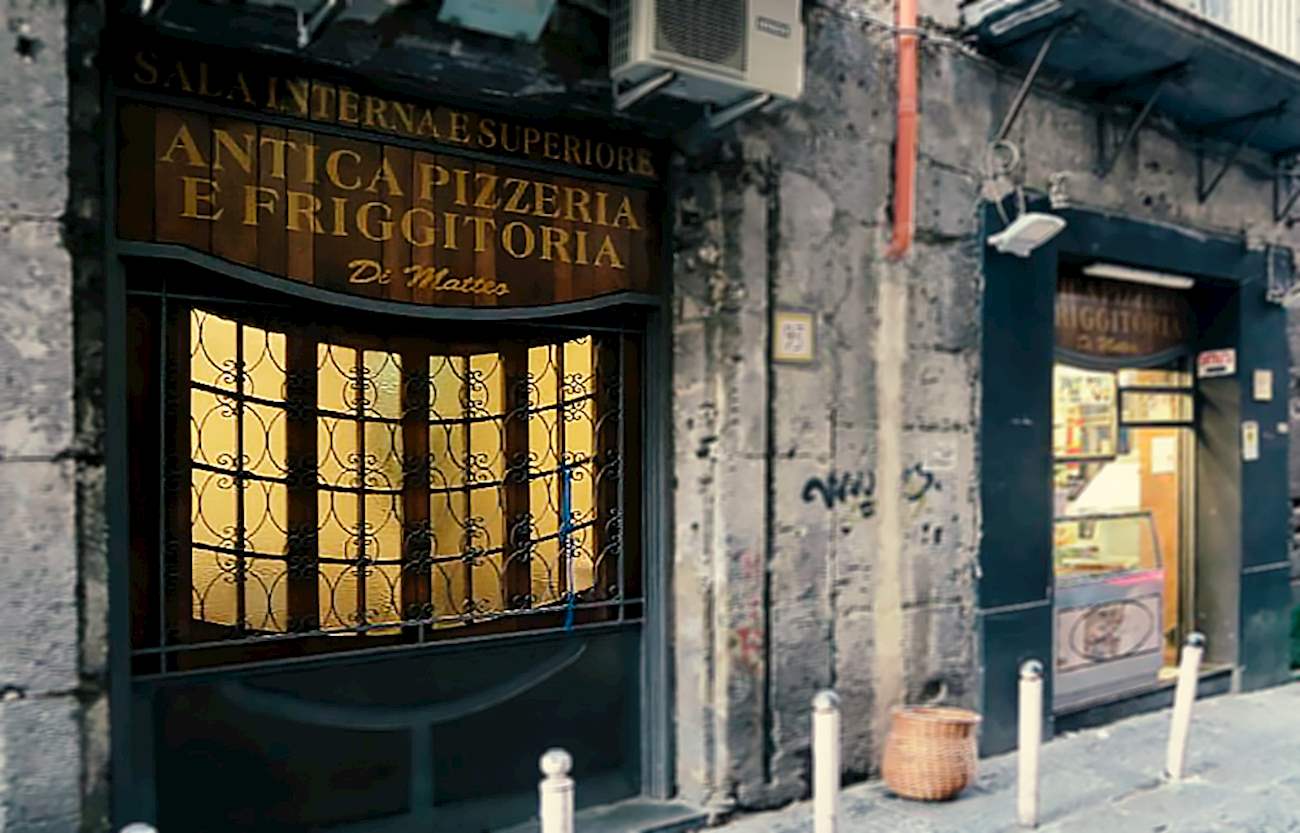
For decades, the queue spilling into Via dei Tribunali told a simple story of Neapolitan culinary supremacy. Travelers and locals jostled on the narrow cobblestones for paper-wrapped parcels of fried frittatine and scalding pizza a portafoglio pulled straight from ovens that had burned since 1936. That romantic postcard shattered when financial investigators from the Guardia di Finanza arrived with court orders rather than appetites. As detailed in The Guardian Report, Italian authorities executed a preventive asset seizure against Antica Pizzeria Di Matteo, alleging the world-famous institution had been co-opted into a sophisticated Camorra money laundering scheme.
The intervention stunned international food critics and stunned the historic center of Naples. This was not a fly-by-night tourist trap opened to skim cruise-ship foot traffic. It was the shop whose pizzaiolo had fed a sitting United States president during a global diplomatic summit. Behind the flour-dusted display cases, however, specialized anti-mafia prosecutors documented a starkly different reality: corporate shells, straw owners, and dirty capital displacing genuine generational enterprise.
📌 Key Takeaways:
- The Operation: Italy's Guardia di Finanza seized Antica Pizzeria Di Matteo under anti-mafia preventive confiscation laws, uncovering deep infiltration by organized crime networks.
- The Underlying Scheme: Investigators discovered front owners using the high-volume cash business to clean illicit revenue generated by local Camorra clans operating in downtown Naples.
- Operational Status: Under Italian anti-mafia asset administration laws, the pizzeria was placed under judicial management, allowing ovens to fire while criminal proceedings unravel the ownership chain.
The 1994 Afternoon That Put Via dei Tribunali on the Global Map
In July 1994, world leaders gathered in Naples for the 20th G7 summit. The city was on edge, fortified by thousands of carabinieri and international security agents. On a sweltering afternoon, President Bill Clinton broke away from his motorcade, peeled off his jacket, and plunged unscripted into the labyrinthine alleys of the Centro Storico.
Guided by scent and local buzz, Clinton stopped outside Di Matteo. Master pizzaiolo Salvatore Di Matteo folded a freshly baked, blistered pizza into four quarters, the classic Neapolitan street food style known as pizza a portafoglio, and handed it across the counter. Photographs of the American president wiping tomato sauce from his lip beneath the shop's faded green awning circulated across international wire services within hours. Di Matteo instantly evolved from a working-class neighborhood staple into an obligatory global pilgrimage site.
Framed clippings from the international press lined the dining room walls for the next thirty years. Tourists waited upwards of ninety minutes to order the same folded margherita. The shop's cultural standing appeared impenetrable. Yet that immense volume of daily, untraceable micro-transactions eventually drew a far more predatory attention from the underworld.
How Italian Anti-Mafia Investigators Pierced the Cash Façade
The Guardia di Finanza did not build its case on culinary standards, but on anomalies lurking within bank deposits and corporate registries. Naples' District Anti-Mafia Directorate (DDA) launched an expansive probe into how downtown merchant spaces were changing hands without conventional commercial bank financing.
Financial detectives noticed that while nominal ownership of the pizzeria shifted among various holding structures and individuals, the capital injections funding renovations, vendor settlements, and side acquisitions bore no correlation to declared personal incomes. Undercover surveillance and wiretaps revealed that figures linked to powerful Camorra clans, specifically networks embedded in the historic core, were directing decisions, collecting off-the-books revenue, and using the venue's massive daily cash float to blend clean consumer euros with dirty funds from extortion and narcotics distribution.
When magistrates signed the emergency seizure decree, it was not an isolated bust. It was part of an aggressive systemic campaign across southern Italy to strip the Camorra of its most valuable asset: commercial legitimacy in booming tourist zones.
Timeline of a Neapolitan Institution: From Street Stall to Judicial Custody
Understanding the fall of Di Matteo requires tracing how its operational scale mutated over successive decades, shifting from family craft to commercial trophy.
| Period | Operational Phase | Legal & Structural Reality |
|---|---|---|
| 1936, 1993 | Neighborhood Street Counter | Hyper-local family operation; served students, tradespeople, and dockworkers cheap fried street snacks. |
| 1994, 2010 | Global Pilgrimage Landmark | Explosive revenue growth following the Bill Clinton visit; international guidebooks cement legendary status. |
| 2011, 2023 | Corporate Restructuring & Shadow Control | Gradual infiltration by shell companies and frontmen acting on behalf of organized crime syndicates. |
| 2024, 2026 | Judicial Seizure & State Oversight | Court-appointed administrator runs daily business; state preserves employment while freezing illicit financial channels. |
Why Historic Pizzerias Attract Italian Organized Crime
The seizure of Di Matteo shocked casual food lovers, but criminologists who study the Camorra recognized an established pattern. Historic Naples pizzerias represent an ideal vehicle for illicit financial integration. They operate in high-density pedestrian corridors, process thousands of small cash transactions every single day, and rely on heavy inventory turnover that makes precise invoice reconciliation notoriously difficult.
A pizzeria moving hundreds of margheritas out the front window can inflate its register totals with fictional sales. Dirty euros enter the till; legitimate tax-paid business income emerges out the back. Furthermore, controlling a cultural landmark grants mob bosses intangible currency: community prestige, soft power, and leverage over local supply chains, from San Marzano tomato distributors to buffalo mozzarella producers.
Recent police operations across Campania show a deliberate pivot by criminal networks. Moving away from overt territorial violence, clans systematically deploy white-collar proxies to purchase heritage retail, hotels, and restaurants across Naples and Rome, insulating their portfolios inside legitimate tourism commerce.
The Mechanics of Asset Confiscation: Keeping the Ovens Lit
When images of the seizure first broke, tourists assumed Di Matteo was shuttered behind police tape. In reality, Italy's anti-mafia legal framework relies on an entirely different tool: the preventive seizure (sequestro preventivo) overseen by an amministratore giudiziario.
Under Italian law, shutting down an iconic business punishes innocent employees and harms the local economy, handing a perverse victory to criminal destabilization. Instead, a court-appointed custodian steps in to control the accounts, monitor supplier contracts, and ensure that every euro transacted flows into audited state-controlled bank facilities. The pizzaioli continue stretching dough, the wood-fired ovens burn, and customers still receive their orders. What vanishes overnight is the illicit extraction of capital behind the scenes.
This judicial trusteeship remains in place throughout long criminal trials. If defendants are definitively convicted, the Italian State's National Agency for Seized and Confiscated Assets (ANBSC) takes permanent possession, either auctioning the business under strict anti-mafia vetting or turning operations over to ethical worker cooperatives.
Separating Salvatore Di Matteo from Corporate Ownership
The seizure generated immense confusion across social media and culinary communities, particularly concerning the legendary pizzaiolo Salvatore Di Matteo. Online discussions frequently conflated the physical business on Via dei Tribunali with the master craftsman who had served Bill Clinton thirty years prior.
In reality, Salvatore Di Matteo had parted ways with the family's original Via dei Tribunali location years before the Guardia di Finanza conducted its raid. Operating independent culinary projects and consulting globally, Salvatore maintained his own professional trajectory completely detached from the holding structures targeted by the DDA. The investigation focused squarely on the contemporary corporate ownership structure and the shadow figures steering the shop's finances, not the craftspeople whose historical recipes established the brand's baseline value.
Frequently Asked Questions (FAQ)
Q1: Is Antica Pizzeria Di Matteo still open for visitors?
Yes. Under Italy's anti-mafia custodial framework, the pizzeria remains operational under a court-appointed administrator. The staff continues baking, ensuring service proceeds without funneling revenue to suspect corporate shareholders.
Q2: Was Bill Clinton aware of any illicit ties when he visited in 1994?
No. Clinton's visit in July 1994 was a spontaneous diplomatic detour during the G7 summit. At that time, Di Matteo was an authentic, family-run street food shop long before complex corporate transfers and clan infiltration took place decades later.
Q3: How does Italian asset confiscation work for commercial businesses?
When prosecutors establish probable cause that an enterprise serves as a front for organized crime, courts order preventive seizure. An independent judicial custodian assumes control over management and payroll, freezing owner dividends until final verdicts determine whether the property is permanently forfeited to the state.
The Battle for Naples' Authentic Culinary Soul
The intervention at Antica Pizzeria Di Matteo marks a critical turning point in how Italy protects its gastronomic heritage. For generations, traditional Neapolitan street food was celebrated as an indestructible folk art, impervious to corporate sanitization and immune to external corruption. The anti-mafia probe proved that global celebrity brings vulnerabilities as potent as its rewards.
When an internationally renowned food landmark becomes an engine for dirty capital, culinary reputation ceases to be an academic debate about crust hydration or fermentation hours. It becomes a matter of basic economic rule of law. By peeling back the layers of shell entities behind Via dei Tribunali, Italian authorities sent an unmistakable message through the narrow alleys of the Centro Storico: no degree of international fame, and no presidential photograph, grants immunity from accountability.