From Compact Upgrades to Winter Prep: When and Why You Must Drain Your Washer in 2026
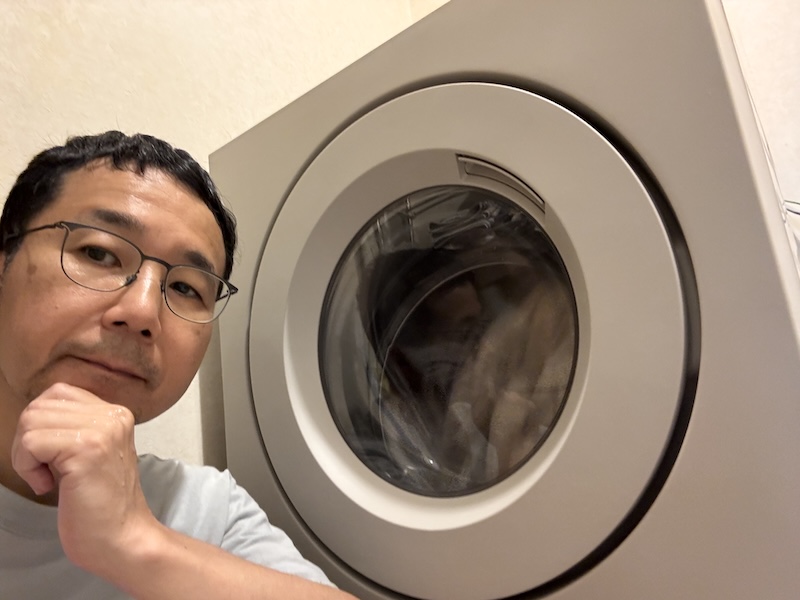
Modern households are investing heavily in advanced laundry hardware. Compact drum washers and smart washer-dryer combos now dominate urban apartments and single-family renovations, promising whisper-quiet operation and precision drying. Yet millions of owners overlook a hydraulic reality hiding inside these high-efficiency machines: standing water trapped behind the drum and deep within internal pumps. As detailed in a personal appliance replacement case documented by the 家電 Watch Report, moving away from older vertical machines often reveals how complex drum units are to install, maintain, and dismantle. Failing to perform a timely front-load washer draining procedure before sub-zero winter temperatures, long relocations, or filter cleanings can crack internal manifolds and flood living spaces.
Understanding when and how to evacuate that trapped liquid is essential for protecting expensive appliances. Whether confronting seasonal freeze warnings across North America and Europe or prepping an apartment for moving day, complete residual water removal prevents internal mold growth, saves drive assemblies, and avoids emergency service fees.
📌 Key Takeaways:
- The Latent Hazard: Modern drum washers store roughly 0.5 to 1.5 liters of residual water inside internal sumps, hoses, and pump housings after every cycle.
- The Critical Scenarios: Complete drainage is non-negotiable before winter sub-zero cold waves, inter-city moving day transport, long-term home absences, and pump clearing.
- Mechanical Safeguards: Regular drain pump filter cleaning and clearing the emergency drain tube prevent expensive motor burnouts and drum washer mold infestations.
The Compact Appliance Boom and the Hidden Hydraulic Trap
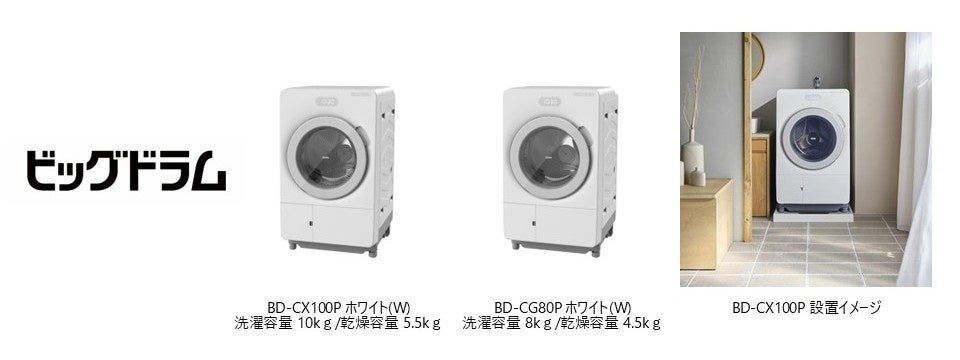
The global household appliance market in 2026 favors compact, high-efficiency drum washers designed for tight urban living. Manufacturers like Hitachi recently rolled out redesigned compact footprints with the Big Drum BD-CX100P and CG80P models, engineered specifically to fit narrow apartment alcoves while maintaining large-diameter drying drums. Similarly, Aqua Corporation, led by CEO Du Jingguo, expanded its compact "Straight Drum" lineup to target apartment dwellers seeking high hygiene standards and rapid cycle times. These modern units integrate complex recirculation circuits, high-speed blower passages, and multi-stage drainage valves.
Those intricate plumbing networks carry a trade-off. Unlike older top-load washing machines that drained almost entirely via gravity, modern front-load designs rely on horizontal wash basins, recirculation pumps, and tight drain pump cavities. When a cycle finishes, water remains pooled inside the drain pump housing, the bellows seal fold, and the lower internal sumps. For daily laundry routines, this reservoir stays benign. The moment an unexpected hard freeze hits, or moving crews tilt the cabinet during transit, that hidden reservoir escapes into delicate printed circuit boards or freezes solid inside plastic pump impellers.
When Full Drainage Is Mandatory: Relocation, Freezes, and Long Vacancies
Complete drainage is not an everyday task, but omitting it during specific operational triggers invites total mechanical failure. The first critical event is winter freeze prevention. During cold snaps dropping below 32°F (0°C), any water resting inside uninsulated laundry rooms, garages, or external utility closets will expand. Trapped liquid splits the rigid polypropylene pump housing, ruptures the inlet solenoid valve, and tears inner rubber gaskets. Thawing out an intact frozen washer requires slow, labor-intensive hot-towel applications; fixing a cracked intake valve demands a costly service call.
The second non-negotiable trigger is moving preparation for appliances. Professional movers and warranty terms mandate total standing water extraction before transport. If a front-load washer containing a liter of dirty drain water is tilted onto a hand truck or laid sideways in a moving van, that liquid sloshes upward directly into the electronic control boards and dry motor bearings. Furthermore, homeowners leaving properties vacant for more than a month must drain internal systems to stop volatile organic compounds and persistent drum washer mold from colonizing stagnant reservoirs.
Drainage Protocols Across Critical Scenarios
The procedure required to purge liquid depends on the specific environmental threat or maintenance task. Evacuating an intake hose calls for a completely different process than clearing a locked pump housing during a mid-cycle failure.
| Trigger Event | Primary Mechanism | Hardware Risk Avoided |
|---|---|---|
| Moving Day Transport | Inlet purge cycle + emergency tube manual drain | PCB short-circuiting and interior cabinet corrosion |
| Sub-Zero Winter Alert | Water supply hose disconnect + pump chamber clearing | Cracked pump impeller housing and burst solenoid valves |
| Drain Error (E02 / 5E codes) | Washer lint trap clearing + manual gravity line release | Washer pump failure and motor thermal burnout |
| Extended Vacancy (30+ Days) | High-speed spin cycle + filter air-dry protocol | Bacterial biofilm growth and sulfur odors |
Executing the Front-Load Washer Draining Procedure
Evacuating all liquid requires a methodical, two-stage process: clearing the pressurized water intake assembly followed by emptying the lower discharge reservoir. Skipping stage one leaves the water supply line and dual-stage inlet valves under static water pressure.
First, close the external water shutoff faucet completely. Turn the unit on, select a standard wash cycle, and press start. Let the washer run for 15 to 20 seconds. The washer will energize the inlet valves, drawing remaining water out of the braided hose and depressurizing the line. Turn off the machine, unplug it from the wall outlet, and disconnect the water supply hose. Keep a small bucket handy to catch a few residual drops from the screw coupling.
Second, target the bottom front access panel. Position a shallow baking sheet or thick utility towels across the floor beneath the service hatch. Unclip the emergency drain tube, place its tip into a broad container, and pull the rubber stopper. Water will flow out immediately. Wait until the stream slows to zero, replace the stopper firmly, and lock the hose back into its retention clip. Only after this tube has drained should you twist the main drain pump filter counterclockwise to perform washer lint trap clearing. Hair, coins, and congealed detergent collect here; rinse the plastic screen under running water, verify that the internal pump impeller spins freely with a finger, and thread the filter back until it clicks into its seated alignment mark.
Preventing Washer Pump Failure and Foul Odors
A primary driver of premature appliance retirement is motor burn-in caused by unaddressed lint blockages. Appliance industry repair audits show that over 40% of mid-cycle drainage faults stem from neglected debris blocking the lower filter cavity. When pet hair and synthetic microfibers bind the pump rotor, the drain pump motor continues drawing current while stalled, generating intense heat. Repeated stalls trip thermal safety fuses and eventually melt the motor windings.
Routine standing water extraction directly stops washer pump failure prevention issues before they happen. Monthly inspections of the filter assembly eliminate the physical restrictions that stress pump bearings. Clean drainage paths also prevent stagnant water from becoming a microbial breeding ground. When damp fibers sit submerged in dark sumps for weeks, anaerobic bacteria thrive, producing volatile sulfur compounds that infiltrate laundry during spin cycles. Keeping the pump housing cleared and leaving the front glass door slightly cracked between wash cycles preserves factory-fresh drum hygiene.
Diagnostic Troubleshooting When the Drain Cycle Fails
If the washer stops mid-cycle displaying an error code like E18, OE, or 5E, the drum is usually holding gallons of soapy water that cannot drain automatically. In this scenario, do not force the main door open; doing so floods the room with 20 to 50 liters of water. Instead, engage drain cycle troubleshooting through the lower service hatch.
Disconnect the machine from main electrical power before attempting manual extraction. Use the emergency drain tube with an array of shallow catch pans, repeatedly emptying and re-capping the line until the visible water level inside the glass door drops below the door gasket line. Once the drum is empty, remove the filter to inspect for jammed physical objects like loose bra underwires, hairpins, or children's socks sucked down the tub bypass. If the filter is pristine yet the machine buzzes without expelling liquid on a fresh spin-and-drain test, the pump impeller has either detached from its drive shaft or the building’s external standpipe plumbing is backed up.
Frequently Asked Questions (FAQ)
Q1: How much water should I expect to come out of the emergency drain tube?
A1: Under normal operational conditions, expect between 0.5 and 1.5 liters (roughly 2 to 6 cups) of residual water from the lower sump and pump cavity. If the washer halted mid-cycle due to an active drain pump failure, you may need to drain 15 to 40 liters using multiple shallow pans.
Q2: Can I use an air compressor to blow water out of my washer hoses before winter?
A2: Blowing moderate, low-pressure compressed air through detached supply hoses is acceptable, but never apply high-pressure air directly into the washer's internal inlet valves or drain ports. Pressures exceeding 30 PSI can tear delicate internal rubber diaphragms and knock water level pressure sensor hoses off their mounting barbs.
Q3: Why won't my drain pump filter unscrew completely?
A3: If the filter handle turns partially and jams, an obstruction such as a coin, key, or stiff piece of wire is likely lodged across the filter housing threads. Do not force the handle with pliers, as brittle plastic will snap. Drain as much water as possible through the emergency hose, gently wiggle the filter back and forth, and use a narrow flashlight to locate and extract the obstruction through the opening.
Maintaining Appliance Reliability in 2026
Modern drum washers bring commercial-grade cleaning power and advanced moisture extraction into domestic spaces, but their mechanical complexity demands attentive care. Treating water evacuation as an essential operational safeguard, rather than an emergency afterthought, ensures reliable performance across years of heavy use. Disconnecting hoses before winter chills arrive, purging internal sumps prior to household relocations, and cleaning out lint traps on a predictable monthly schedule eliminates the root causes of pump burnout, freeze-induced manifold ruptures, and mold development. Take twenty minutes to run through the drain protocol, clear the pump housing, and protect the high-value machinery quietly powering your household.