From Local Schoolrooms to Historic Ryotei: The Revival of Suppon Gastronomy

When a culinary student in Oita Prefecture places a hand on a live softshell turtle, the initial shock is tactile. Unlike sea bream or yellowtail, the reptile possesses neither scales nor rigid skeletal geometry. As documented in a livedoor ニュース Report covering a heritage workshop in Usa City's Ajimu district, high school students quickly discovered that butchering suppon requires unlearning fundamental kitchen instincts. The knife does not slide along a spine; it navigates leathery cartilage, pressurized internal organs, and an anatomical puzzle unchanged since the Edo period.
Ajimu has served as Japan’s inland spiritual center for softshell turtle gastronomy for generations. While metropolitan diners know suppon primarily as a luxury hot pot item served across multi-course meals at century-old ryotei, the survival of this tradition hinges on precise, unforgiving knife work. Transforming an aggressive freshwater turtle into crystal-clear, gelatinous broth demands absolute technical discipline. A millimeter slip of the blade can rupture the bitter bile duct and ruin the entire yield.
📌 Key Takeaways:
- The Technique: Suppon preparation requires distinct anatomical knowledge, scalding protocols, and absolute blade control that differ radically from standard Japanese fish butchery.
- The Heritage Center: The Ajimu district in Usa City, Oita, remains the epicenter of turtle farming and processing, led by historic institutions such as Ryotei Yamasa.
- Modern Evolution: To preserve the endangered culinary art, masters are opening their kitchens to high school culinary trainees and shipping direct-to-consumer collagen broth across Japan.
The Classroom Encounter in Ajimu That Sparked a Cultural Revival
The smell of boiling water and river stone filled the culinary laboratory in Usa City when master butchers laid live softshell turtles onto the cutting boards. Ajimu high school students, accustomed to filleting flatfish and mackerels, stepped back. An adult turtle snaps with crushing force and withdraws its neck deep into its shell at the slightest vibration. The students watched as a master chef secured the animal's snout using long metal cooking chopsticks, coaxing the neck outward before executing a single, decisive cut.
"It is completely different from butchering fish," several student participants observed during the session. Standard Japanese fish butchering relies on sliding a deba knife along rib structures. Suppon preparation, known historically as shihou-barashi (four-quarter dismantling), is an exercise in tension, joint articulation, and biological decontamination.
Ajimu's river basins have nurtured turtle farming since the Meiji era, capitalizing on mineral-rich spring waters and warm southern climates. Yet urbanization and labor shifts have distanced younger generations from this regional asset. By bringing the raw butchering process directly into vocational classrooms, local masters aim to demystify a creature often relegated to corporate expense-account dining in Tokyo and Kyoto.
Dismantling the Carapace with Deba Knife Precision
Butchering suppon begins with rapid dispatch and bleeding. Fresh turtle blood is traditionally caught in chilled sake to prevent clotting and served immediately as an aperitif. Once bled, the turtle is submerged in water heated precisely to 80°C, 85°C for roughly 30 to 45 seconds.
This brief thermal shock loosens the enpera, the leathery, collagen-packed outer rim of the shell, and the paper-thin, transparent epidermal cuticle covering the feet and neck. Chefs immediately submerge the carcass in cold water and scrape off this outer skin with their bare thumbs and cloth towels. If the water is too hot, the skin melts into the meat; if it is too cold, the film clings stubbornly, imparting a muddy river odor to the finished soup.
Once peeled clean, the turtle lies dorsal-side down. The cook inserts the tip of a heavy deba knife along the seam where the plastron (the flat belly shell) meets the carapace (the dome). With steady palm pressure, the blade cuts through the lateral cartilage bridge on both flanks. The chef peels the ventral shell upward like an engine hood, exposing the internal cavity without puncturing the abdominal wall.
Century-Old Standards at Ryotei Yamasa
Few venues embody this craft like Ryotei Yamasa, an Ajimu institution founded over a century ago. The restaurant has earned recognition on the Tabelog Award Bronze roster for six consecutive years, serving as the gold standard for regional freshwater cuisine. At Yamasa, butchery is treated as an acoustic craft: experienced chefs can tell whether the knife tip has grazed cartilage or bone by the vibration traveling up the wooden handle.
The crucial phase occurs within the viscera. A suppon contains an emerald-green gallbladder nestled against the liver. If a chef's hand wavers and the bladder tears, bile floods the cavity, rendering the surrounding meat irredeemably bitter. Skilled practitioners extract the liver, tiny crimson heart, stomach, and golden unlaid eggs (in females) as separate, pristine components.
The remaining carcass is partitioned into eight primary pieces: four muscular legs, the neck, and the segmented shell plates. Every remnant of white subcutaneous fat is scrupulously sliced away. Unlike land fowl or beef fat, turtle adipose tissue oxidizes rapidly and clouds clear broth.
| Butchery Stage | Standard Fish Filleting (Sanmai-Oroshi) | Suppon Preparation (Shihou-Barashi) |
|---|---|---|
| Dispatch & Bleeding | Ikejime via brain spike; gill slit bleed in sea water. | Decapitation; blood drained directly into sake vessel. |
| Cuticle Treatment | Scales removed using mechanical urokotori scaler. | 80°C water blanch to rub away mucous epidermal sheath. |
| Skeletal Separation | Follows dorsal/ventral bones down the spinal column. | Carapace split along cartilage rim; plastron detached. |
| Viscera Protocol | Guts pulled outward in one motion with the gills. | Surgical excision of gallbladder; heart and liver isolated. |
| Culinary Destination | Sashimi slices, grilled fillets, head-frame soup stock. | Suppon nabe, deep-fried legs, long-simmered dashi. |
From Internal Organ Cleaning to the Collagen Broth
Once dismantled, the meat undergoes shimofuri (frost blanching). Chefs plunge the joints and shell fragments into boiling water for 10 to 15 seconds, then shock them in ice water to congeal any remaining blood or impurities on the meat's surface. Every crevice is cleaned with a small brush.
The actual cooking of suppon nabe emphasizes restraint. Chefs simmer the shell edges, neck, and leg meat in earthenware pots alongside aged sake, spring water, kombu, and a dash of light soy sauce. Ginger root is added near the final simmer to balance the earthy richness.
As the heat extracts amino acids from the cartilage, the liquid shifts from clear water to a pale, shimmering broth loaded with naturally dissolved gelatin. Diners prize this consistency: it coats the palate lightly without the heavy greasiness found in pork bone broths. At the meal's conclusion, the remaining dashi receives steamed rice and beaten egg to create zousui, ensuring not a single drop of marrow or collagen goes to waste.
Modern Distribution and Preserving Culinary Succession
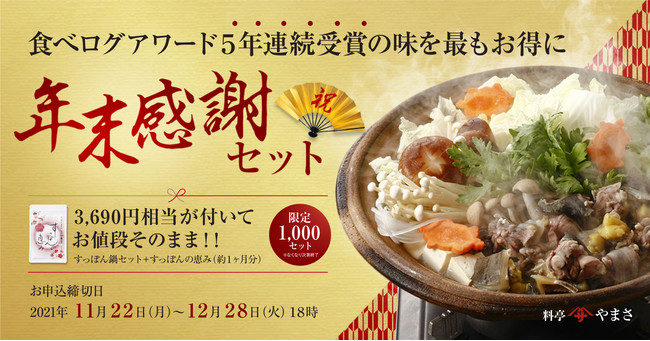
The market for softshell turtle has undergone structural changes over the past decade. Historically reliant on banquet halls and high-end Tokyo dining clubs, regional purveyors suffered sharp declines during corporate spending pullbacks. In response, long-standing players like Ryotei Yamasa pivoted toward direct-to-consumer meal kits. Their vacuum-packed nabe sets, paired with health-focused dietary supplements, consistently sell out hundreds of units during the winter gifting season.
Yet the domestic processing bottleneck remains human, not agricultural. Farmed turtle supply in Oita and Shizuoka remains stable, but fewer apprentice cooks spend years acquiring the specialized dexterity needed for reptile butchery. A typical culinary graduate handles hundreds of salmon and sea bream before touching a single turtle.
Educational interventions, like the vocational training day held in Usa City, serve an economic and cultural purpose. They demystify an intimidating ingredient for the next generation of Japanese cooks, framing suppon not as an exotic antiquity, but as an advanced study in functional anatomy and waste-free gastronomy.
Frequently Asked Questions (FAQ)
Q1: Why is softshell turtle considered significantly harder to butcher than fish?
A1: Unlike fish, suppon has no scale pattern or linear backbone to guide a knife. The cook must navigate leathery cartilage, peel away an epidermal skin layer using exact temperature water, and avoid puncturing a fragile gallbladder that can ruin the entire meat harvest.
Q2: Does suppon meat have a strong muddy flavor if butchered incorrectly?
A2: Yes. The distinctive earthy smell comes from two primary sources: the transparent outer skin layer (which must be blanched at 80°C, 85°C and scraped off) and any residual yellow-white body fat. Professional ryotei remove every scrap of this fat before simmering.
Q3: How much edible meat does a single softshell turtle yield?
A3: Yields are relatively modest. An average adult turtle weighing roughly **800g to 1kg** provides approximately **300g to 400g** of edible meat and soft cartilage (enpera). The remaining weight consists of the hard carapace core and waste.
The Living Future of Ajimu's Culinary Heritage
The resurgence of interest in traditional butchering techniques reflects a broader push within Japanese gastronomy to protect regional specialties before their practitioners retire. The craft practiced in Ajimu cannot be automated on factory lines; it requires a chef's finger to feel the density of cartilage, eyes to inspect the translucency of blanched skin, and a hand steady enough to bypass a gallbladder smaller than a thumbnail.
As high school trainees in Oita lay their heavy knives beside freshly cleaned carapaces, they inherit a direct link to river valley survival traditions. By translating centuries of ryotei knowledge into educational workshops and accessible culinary formats, Ajimu ensures its softshell turtle legacy remains anchored at the cutting board.