From Mahjong Tables to Editorial Covers: Visual Highlights Defining Sayaka Okada's Photobook Journey
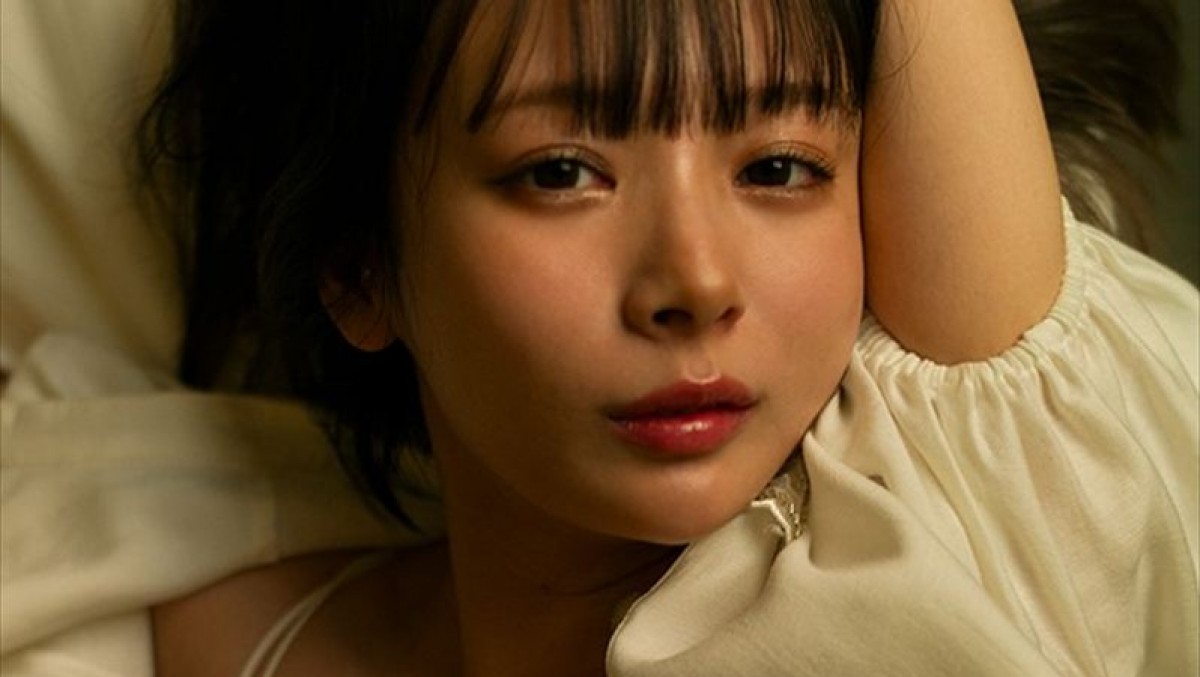
Born in Tokyo in 1994, Sayaka Okada occupies a singular lane in Japanese media. She is both a fierce competitor in the top-tier professional mahjong world, fielded as a core draft pick in the premier M.League circuit, and a dominant presence on convenience-store magazine racks and bookstore front tables. As highlighted in coverage by entertainment outlet クランクイン! Report, her arrival at a fourth solo photobook, Rinshan Kaihou (嶺上開花), crystallized years of deliberate visual reinvention. The publication underscores an era where athletic credibility and editorial glamour photography reinforce one another rather than compete for legitimacy.
Okada built her public identity across two notoriously demanding subcultures: competitive board strategy and high-volume commercial modeling. In mahjong parlance, a "Yakuman" represents the apex of achievement, the rarest, highest-scoring hand combination possible. Entertainment media quickly attached the phrase "Yakuman Body" to Okada, turning a gaming descriptor into an instantly recognizable personal brand. Her latest print releases demonstrate how that moniker evolved from an internet catchphrase into a disciplined aesthetic philosophy.
📌 Key Takeaways:
- The Milestone Release: Okada's fourth solo visual collection, Rinshan Kaihou, cements her dual status as an active M.League tile tactician and a perennial headliner in Japanese gravure publishing.
- The 'Yakuman Body' Phenomenon: Originating from competitive mahjong slang, the label now denotes a distinct synthesis of athletic posture, runway-trained lines, and mature glamour model photography.
- Sustained Media Footprint: Continual high-profile print appearances, led by an acclaimed September 2026 Weekly SPA! cover, prove that her appeal thrives far beyond traditional gaming circles.
Bridging Competitive Mahjong and Editorial Fashion
Okada did not stumble into modeling after gaining gaming fame. She started from the opposite direction. After winning the 43rd non-no Model Audition in 2011, she spent years working the rigorous runways of Tokyo Girls Collection and filling spreads for mainstream fashion monthlies. That formal industry training gave her an intuitive command of lines, camera angles, and silhouette control long before she registered with the Japan Professional Mahjong League in 2017.
That background makes her work unique. Most sports crossovers into gravure produce candid, unpolished results that rely strictly on novelty. Okada brings the disciplined body language of an editorial veteran to every shoot. When she sits across a green baize table during a televised M.League match, her calm posture reflects the same physical awareness visible in high-gloss spreads. Fans who track her matches on AbemaTV routinely cross over into her print readership, while casual readers discover a tactical mind behind the photobook covers.
The Aesthetic Architecture of Rinshan Kaihou
The title of Okada's fourth photobook, Rinshan Kaihou, carries deep symbolic weight. In Japanese riichi mahjong, the phrase refers to the rare feat of winning a hand with the replacement tile drawn from the dead wall after declaring a kong. It represents sudden triumph extracted from reserve margins, a poetic parallel to a model entering her thirties with sharper visual authority than ever before.
Visually, the project breaks away from typical summer-resort tropes. Photographed across contrasting locations that range from moody indoor architectural spaces to sun-bleached coastal perimeters, the creative direction leans heavily into Okada's style transformation. The styling prioritizes architectural swimwear, clean-cut tailoring, and minimalist silhouettes that showcase her height and proportion. Instead of presenting an idol persona eager to please the camera, the framing treats Okada as a self-possessed subject directing the viewer's gaze. The release quickly entered ranks among the bestselling Japanese photobooks in the specialty talent category upon publication.
Milestones Across Okada's Photobook Catalogue
Tracking Okada's solo print bibliography reveals a steady shift from conventional teen-magazine framing to autonomous visual curation. Her early entries relied on soft-focus domestic settings and girl-next-door styling, while her later collections lean into high-contrast glamour, technical precision, and direct references to her gaming career.
| Publication Phase | Visual Style & Thematic Focus | Primary Audience & Cultural Reach |
|---|---|---|
| Early Era (2018, 2020)Debut Solo Collections | Sunlit resort shoots, pastel palette, standard gravure swimwear formats | Mainstream gravure enthusiasts and early non-no lifestyle followers |
| M.League Era (2021, 2023)Third Photobook Cycle | Introduction of the "Yakuman Body" branding, sleeker athletic lines, hotel suite sets | Rapidly expanding esports and televised mahjong viewership |
| Rinshan Kaihou (2025, 2026)Fourth Photobook & Beyond | High-fashion editorial lighting, bold monochrome styling, assertive thematic agency | Cross-demographic collector audience, fashion purists, and international gaming fans |
Weekly SPA! Covers and the Power of Understated Styling
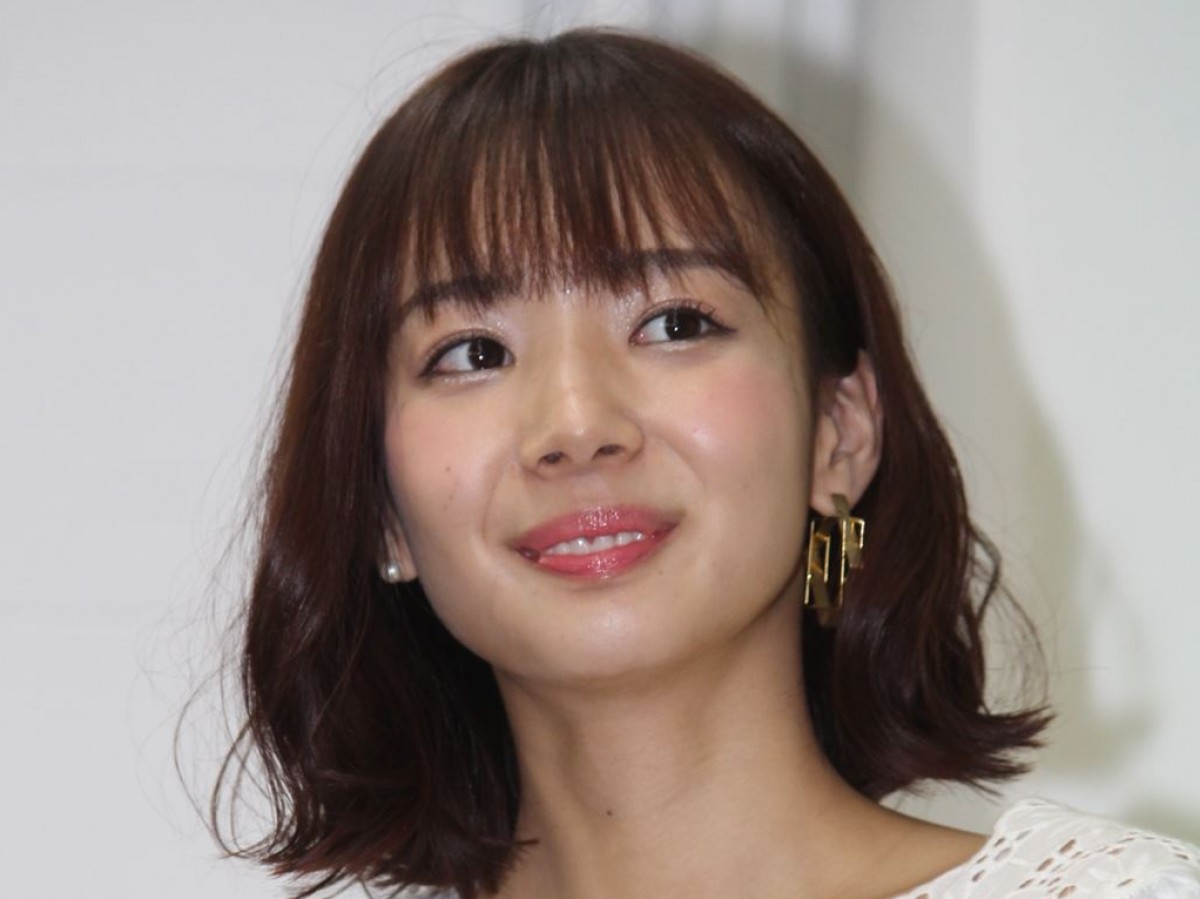
Okada's commercial dominance is sustained by regular magazine placements. On September 2, 2026, she fronted the September 16 issue of Fusosha's Weekly SPA!, anchoring both the newsstand cover and an exclusive interior photobook booklet. The spread proved that high impact does not require elaborate production design.
Dressed in an unadorned, oversized casual T-shirt paired with minimal styling, Okada demonstrated how everyday garments often accentuate physical proportions more effectively than elaborate resort costumes. The shoot drew immediate social media reaction for balancing relaxed comfort with statuesque physical presence. Industry commentators noted that this approach separates seasoned fashion professionals from typical gravure idols: Okada relies on subtle postural shifts and core balance to create dramatic lines out of standard cotton basics.
Social Media Curation and Everyday Fan Engagement
Print projects provide prestige, but Okada's social channels provide real-time cultural momentum. Her official Instagram account (@sayaka_okada) functions as a dynamic testing ground for her public image. On May 31, 2026, at age 32, Okada posted a series of images in form-fitting tailored wear with the tongue-in-cheek caption, "Want to be looked down on?????", generating thousands of enthusiastic responses within hours.
The post highlighted her sharp comedic timing and refusal to adopt the demure posture traditionally expected of Japanese female public figures. Weeks later, in July 2026, she balanced that playful provocative tone with casual dispatches from international mahjong tournaments, sharing unvarnished T-shirt snapshots while recounting tactical matches with overseas competitors. By presenting her athletic grind and glamour shoots side by side, Okada avoids the artificial divide that limits many talent careers. Her feed shows that training ten hours on board theory does not preclude leading a major magazine's centerfold.
Frequently Asked Questions (FAQ)
Q1: What does the title of her fourth photobook, Rinshan Kaihou, actually mean?
A1: Rinshan Kaihou (嶺上開花) is a traditional Japanese mahjong winning condition where a player wins the round using the replacement tile drawn from the dead wall after calling a kong. Okada chose the name to link her professional gaming identity with this milestone chapter in her visual career.
Q2: How did Sayaka Okada earn the nickname "Yakuman Body"?
A2: Japanese sports and entertainment tabloids created the moniker by merging her status as a professional mahjong competitor, where a "Yakuman" is the highest-scoring hand rank, with her runway proportions and athletic physical conditioning.
Q3: Is Okada still competing as an active professional mahjong player?
A3: Yes. Okada remains an active, licensed player with the Japan Professional Mahjong League and continues to compete at the highest tier of corporate-sponsored esports in the M.League, balancing league matches alongside her regular modeling assignments.
The Evolving Footprint of Mahjong's Leading Cross-Platform Figure
Sayaka Okada changed the boundaries for female gaming athletes in East Asian entertainment. For decades, players were expected to choose between athletic credibility and visual celebrity. Leaning into gravure meant losing the respect of traditionalists, while staying inside the salon meant sacrificing broad cultural reach.
Okada dismantled that divide. She approaches an eight-hour championship table session and an intensive magazine cover shoot with the same focused intensity. Through Rinshan Kaihou, recurring appearances on mainstays like Weekly SPA!, and transparent social media documentation, she has built a sustainable archetype: a tactical athlete who owns her visual presentation on her own terms.