From Rome to Tokyo: The Complete Chronology of Shoichi Nakagawa's Downfall and Tragic Death
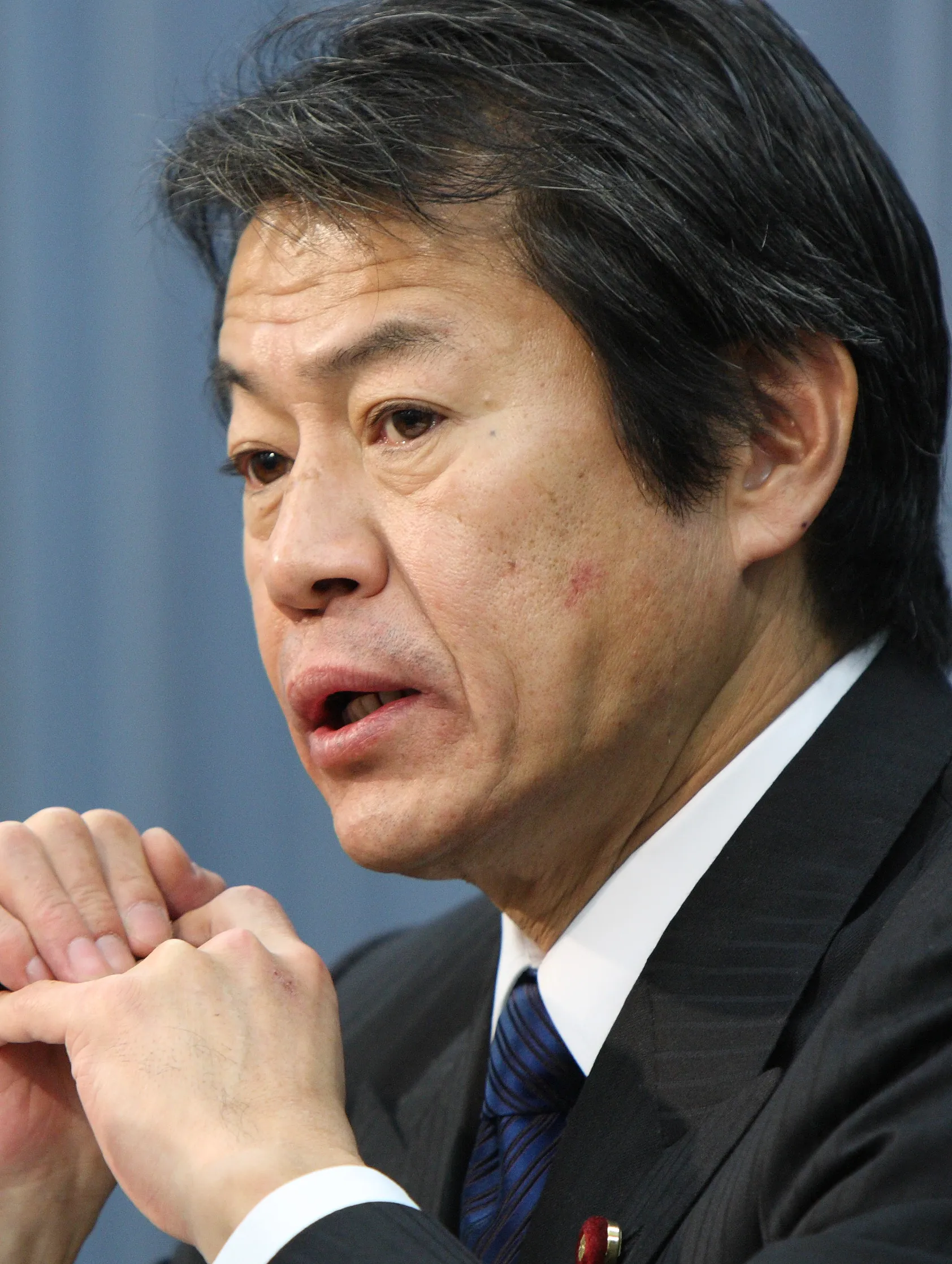
On the morning of October 4, 2009, police entered a private bedroom in Tokyo’s quiet Setagaya Ward to find 56-year-old Shoichi Nakagawa lying motionless face-down on his bed. Just eight months earlier, Nakagawa had steered the world's second-largest economy through the depths of the global financial crisis. By autumn, he was out of office, stripped of his parliamentary seat, and dead under circumstances that stunned the nation. As confirmed in The Guardian Report at the time, his wife discovered his body after he failed to wake, marking an abrupt end to one of the most polarizing trajectories in modern Japanese political history.
The tragedy closed a brutal eight-month spiral that began in front of the international press in Italy. Nakagawa’s collapse exposed the unforgiving intersection of relentless public scrutiny, severe physical exhaustion, and the volatile factional politics of the Liberal Democratic Party (LDP). Forensic pathologists, political allies, and the Japanese public spent years sifting through the medical findings and political wreckage left in his wake.
📌 Key Takeaways:
- Official Cause: The Tokyo Metropolitan Police autopsy determined the cause of death was acute circulatory failure, finding no lethal concentrations of toxins, no external trauma, and no suicide note.
- The Trigger Event: Nakagawa's career unraveled following the February 2009 Rome G7 summit press conference, where he exhibited severely slurred speech that he attributed to heavy cold medication mixed with alcohol.
- Political Fallout: The scandal forced his swift resignation from the Taro Aso cabinet and preceded a crushing defeat in the August 2009 general election, stripping Nakagawa of the Hokkaido seat his family held for decades.
The Rome G7 Press Conference That Shattered a Career
The undoing of Shoichi Nakagawa played out on global television on February 14, 2009. Serving as Minister of Finance and Minister of State for Financial Services under Prime Minister Taro Aso, Nakagawa arrived in Rome to negotiate multilateral responses to the Lehman Brothers collapse. Japan was preparing a historic $100 billion loan to the International Monetary Fund, an initiative designed to showcase Tokyo's fiscal leadership.
Instead, the post-summit briefing became a media disaster. Seated alongside Bank of Japan Governor Masaaki Shirakawa, Nakagawa appeared disoriented. His eyes repeatedly drifted shut. When questioned by reporters, he slurred his words, mumbled incoherent phrases, and attempted to answer an inquiry directed exclusively to Shirakawa. Video clips ricocheted across YouTube and cable news networks worldwide within hours.
Nakagawa attempted damage control upon landing in Tokyo. He claimed he had taken a heavy dose of over-the-counter cold medication to battle a fever, accompanied by only a few sips of wine during an official lunch. The explanation failed to quell public outrage. Opposition parties seized on the performance as evidence of terminal dysfunction inside the ruling LDP. Facing a formal censure motion and intense media condemnation, Nakagawa resigned his cabinet post on February 17, just three days after the press conference.
Resignation and the Historic 2009 General Election Rout
Stripped of his ministerial portfolio, Nakagawa retreated to his power base in Hokkaido's 11th district. For the Nakagawa family, Tokachi had been an unassailable bastion. His father, former Agriculture Minister Ichiro Nakagawa, had dominated the region until his own suicide in 1983. Shoichi had held the seat without interruption since winning his first election in 1983, securing eight consecutive terms.
The political ground, however, was crumbling beneath the Aso administration. The Rome incident dealt a fatal blow to voter confidence. On August 30, 2009, Japanese voters delivered a historic rebuke to the LDP, sweeping the Democratic Party of Japan (DPJ) into power in a landslide. Nakagawa suffered a shocking personal defeat, losing his district seat to DPJ newcomer Tomoko Ishikawa by nearly 16,000 votes. He also failed to secure a seat through the proportional representation block.
The loss devastated him. Within half a year, Nakagawa had fallen from a presumptive candidate for prime minister to an unemployed politician. Close confidants reported that he suffered from severe insomnia, profound depression, and deteriorating physical health, often spending entire days isolated inside his Tokyo residence.
The Fatal Morning in Setagaya: Autopsy and Forensic Findings
On Sunday, October 4, 2009, emergency responders were summoned to Nakagawa's home in Tokyo's Setagaya Ward. His wife, Yuko Nakagawa, discovered him around 8:15 AM lying across his bed, cold to the touch. Resuscitation efforts were ruled out; he had been deceased for several hours.
Investigators from the Tokyo Metropolitan Police Department cordoned off the home. With rumors of foul play and political assassination circulating on Japanese internet boards, detectives conducted a comprehensive forensic sweep. They recovered multiple prescription medications from his bedside table, including sleep aids and sedatives.
Pathologists at the Tokyo Medical Examiner's Office performed an autopsy that afternoon. The preliminary and subsequent toxicology reports established three critical facts:
- No physical trauma: The body bore no external marks, defensive wounds, or signs of struggle.
- No lethal drug overdose: While therapeutic levels of alcohol and prescription sleeping medication were detected in his bloodstream, neither reached fatal toxicity thresholds on its own.
- Official ruling: Investigators ruled the formal cause of death as acute circulatory failure, a medical classification for sudden cardiovascular collapse where the heart stops pumping sufficient blood.
The police found no farewell letters or suicide notes. The official verdict concluded that Nakagawa died of natural or accidental causes brought on by systemic physical failure.
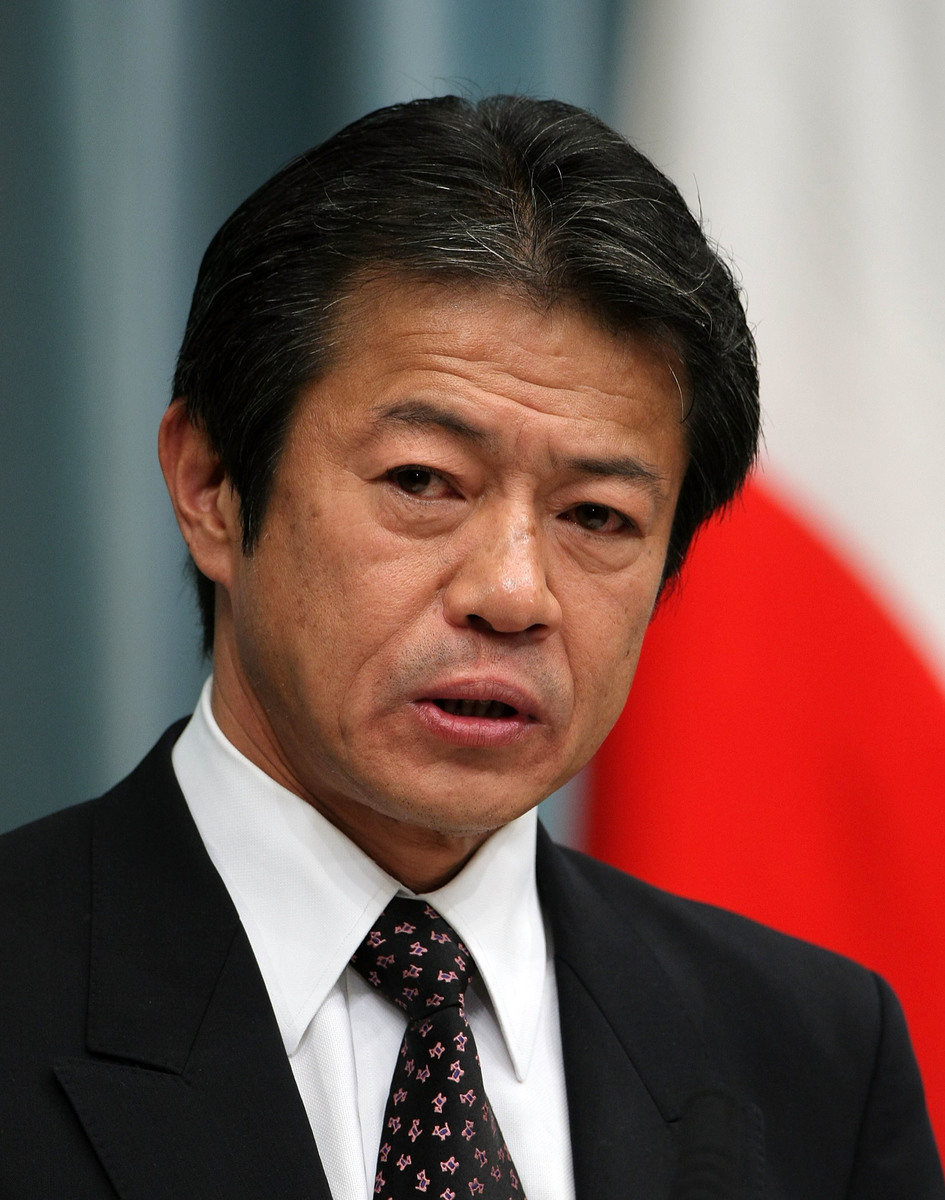
Timeline: From the World Stage to a Silent Bedroom
The rapid descent of Shoichi Nakagawa unfolded across eight months of intense domestic and international turmoil:
| Date | Key Milestone | Direct Political & Personal Outcome |
|---|---|---|
| Sept 24, 2008 | Appointed Minister of Finance | Elevated to lead Japan's fiscal response to the 2008 global financial crash. |
| Feb 14, 2009 | Rome G7 press conference | Appeared heavily impaired on global television; ignited international uproar. |
| Feb 17, 2009 | Cabinet resignation | Forced out of cabinet; Kaoru Yosano assumed the finance portfolio. |
| Aug 30, 2009 | Japanese general election | Lost Hokkaido 11th district; LDP suffered a historic blowout loss to the DPJ. |
| Oct 04, 2009 | Found dead in Tokyo | Police autopsy confirmed acute circulatory failure at age 56. |
Shinzo Abe and the Conservative Coalition's Loss
Among those hit hardest by Nakagawa’s sudden death was Shinzo Abe. The two men entered the Diet around the same era and shared an unyielding ideological alignment. They advocated for constitutional revision, educational reform, and a firm posture toward North Korea and China. Along with Taro Aso, they formed the intellectual backbone of the LDP’s nationalist conservative wing.
When Abe stepped down abruptly during his first term as prime minister in 2007 due to chronic ulcerative colitis, Nakagawa stood by him as one of his few vocal defenders. When Nakagawa faced public ruin in 2009, Abe returned the loyalty, visiting him regularly to counsel him on a comeback.
At Nakagawa’s memorial service, Abe delivered an emotional eulogy, describing him as a true patriot who sacrificed his health under relentless political pressure. Abe vowed to carry forward their policy platform. When the LDP recaptured power in late 2012, Abe actively supported Nakagawa's widow, Yuko, who ran for her husband’s former Hokkaido seat and won it back, maintaining the family presence in parliament.
Dissecting the Medical Realities and Online Theories
Because Nakagawa died under immense stress without a single definitive injury, his death became a magnet for political conspiracy theories. Fringe observers and internet commentators speculated about foreign sabotage or deliberate poisoning in Rome, pointing to his vocal criticisms of international finance models.
The forensic and toxicological records tell a more grounded story. Nakagawa lived with severe chronic hypertension and cardiovascular strain, exacerbated by grueling schedules. Former aides noted that he maintained a demanding lifestyle for decades, routinely leaning on alcohol to unwind while taking sedatives and antihistamines to cope with chronic sleeplessness.
Medical experts emphasize that mixing central nervous system depressants, such as sleeping pills, with alcohol creates dangerous synergistic effects. This combination suppresses respiratory drive and destabilizes blood pressure. For an individual carrying severe stress, underlying vascular issues, and exhaustion, this physiological cocktail carries a high risk of fatal arrhythmia or sudden circulatory collapse.
Frequently Asked Questions (FAQ)
Q1: Was Shoichi Nakagawa murdered or poisoned?
A1: No evidence supports foul play. The Tokyo Metropolitan Police Department conducted forensic examinations and toxicology screenings, ruling out lethal poisons and finding no signs of unauthorized entry, physical struggle, or trauma.
Q2: Did Shoichi Nakagawa commit suicide?
A2: Police and medical examiners ruled out suicide. No suicide note was found, and the concentration of medication in his bloodstream was at therapeutic, non-lethal levels, pointing instead to sudden physical collapse.
Q3: Why was the Rome G7 incident so damaging?
A3: It occurred during the worst global financial crisis in decades, when finance ministers were expected to project total competence. The visual evidence of impairment severely undermined the credibility of the Taro Aso cabinet, accelerating the LDP's loss in the 2009 election.
The Lasting Impact on Modern Japanese Politics
Shoichi Nakagawa's abrupt downfall changed the modern conservative movement in Japan. His death deprived the LDP of its sharpest policy debater on international finance and natural resources, forcing allies like Shinzo Abe to reconstruct their factional alliances from scratch ahead of their 2012 resurgence.
The incident also altered how Japanese political organizations approach the health and media exposure of top officials. The relentless 24-hour news cycle that crushed Nakagawa in 2009 set a precedent for rapid cabinet resignations under ethical or behavioral clouds. Nakagawa remains a cautionary figure inside Nagatacho: a policymaker of undeniable intellect whose career and life buckled under grueling political demands and unchecked personal strain.