From Ryuji to Marumi Kitchen: The Rise of Viral Ochazuke Noodle Hacks
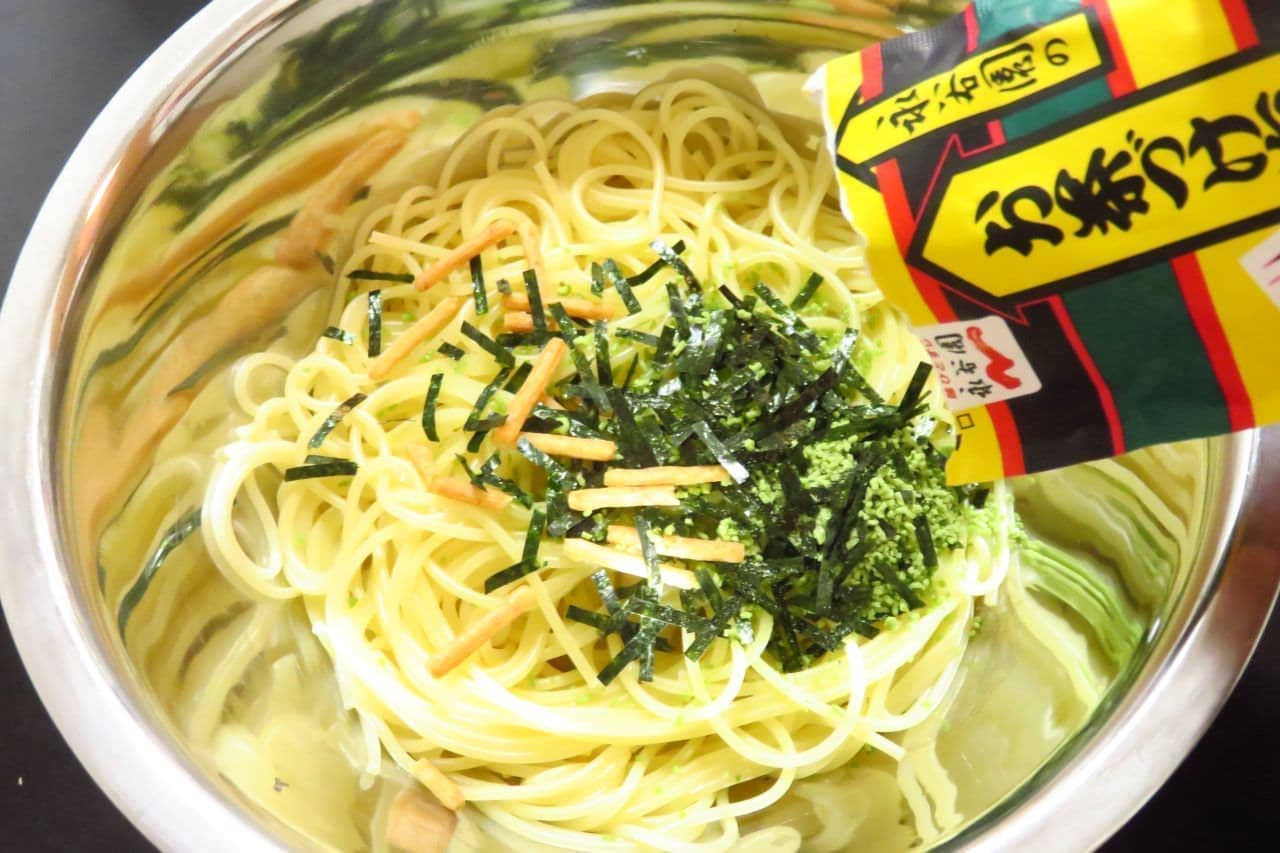
Across urban Japanese kitchens, standard dinner preparations have dissolved into a rapid exercise in pantry chemistry. Home cooks are tearing open single-serve sachets of green tea seasoning, tipping them straight into hot noodles, and bypassing simmering sauces entirely. As highlighted in a recent 暮らしニスタ on MSN Report, combining pre-portioned freezer pasta with instant dashi seasonings and pan-seared toppings has turned an emergency cupboard staple into one of Japan's most reliable weeknight shortcuts.
What originated as an unglamorous late-night fix for solo diners has expanded into a full-scale culinary phenomenon across Tokyo, Osaka, and social feeds worldwide. Driven by prominent internet chefs and viral recipe developers, the humble ochazuke seasoning packet has broken free from its decades-old identity as a simple rice broth topper. Today, it anchors a fast-growing category of modern wafu pasta recipe hacks that trade laborious stock-making for speed, intense savory crunch, and hyper-concentrated umami.
📌 Key Takeaways:
- The Shortcut: Dehydrated tea granules, kelp extract, freeze-dried seafood, and roasted rice pellets (arare) create an all-in-one seasoning base that coats wheat starch instantly.
- The Viral Catalysts: Cult food developers like Ryuji buzz recipes and Instagram sensation Marumi Kitchen transformed domestic tea toppings into mainstream pantry-staple sauces.
- Kitchen Mechanics: Pairing these dry packets with a microwave pasta hack slashes prep time to under 8 minutes while costing less than ¥120 ($0.80) per serving.
The Accidental Alchemy of Green Tea Packets and Italian Semolina
For more than seven decades, Japanese homes have kept paper-foil envelopes of Nagatanien tea rice seasoning within arm's reach. First launched commercially in 1952, the classic mixture was engineered to revitalize leftover cold rice by pouring hot water or green tea over a bowl of starch. The packet contained freeze-dried kelp essence, powdered green tea, salt, shaved nori seaweed, and crisp, spherical rice crackers known as arare.
The transition from rice bowls to Italian semolina was gradual, starting in student dorms before migrating to early 2000s anonymous message boards. Home cooks discovered that the starch water clinging to freshly boiled spaghetti acted as an emulsion vehicle. Instead of dissolving into a pale green soup, the seasoning crystals fused with fat, a dab of salted butter or a drizzle of olive oil, to create a light, clinging glaze. The tiny rice balls stayed surprisingly crisp, introducing an unexpected texture rarely found in traditional Western pasta plates.
By the time inflation began squeezing household grocery budgets in late 2024, the sachet took on a fresh economic identity. A single commercial sauce pouch from a boutique grocer often costs between ¥250 and ¥400. In contrast, multi-pack ochazuke envelopes average roughly ¥30 to ¥45 each. For millions navigating rising food prices, this pantry swap shifted from novelty to a dependable budget defense.
Ryuji and Marumi Kitchen: Streamlining the Lazy Cooking Movement
The cultural breakthrough of this trend owes its scale to a broader domestic movement known as zubora, the art of unapologetic, hyper-efficient cooking designed for exhausted workers. No one pushed this concept harder than culinary creator Ryuji. Famous for his stripped-down "Kyomu" (meaning void or minimalist) recipe line, Ryuji regularly demonstrates that satisfying meals do not require classical knife skills or artisanal broths.
Ryuji applied this no-nonsense philosophy to dry noodles, proving that frying cooked noodles directly with butter and tea seasoning creates an intense savory punch. The heat toasts the dehydrated green tea powder, tempering its raw grassy notes while amplifying the toasted rice aroma. The video demonstrations collected millions of views, removing any lingering shame around cooking with commercial seasoning packets.
Following this momentum, recipe creator Marumi Kitchen pushed the envelope toward absolute convenience on platforms like Instagram and TikTok. Focusing on zero-pan methods, Marumi introduced thousands of apartment dwellers to the microwave pasta hack. By cooking spaghetti in a heat-resistant container of water inside the microwave, tossing in a spoonful of mayonnaise, a standard sachet, and a pack of fermented soybeans, Marumi established the natto mayo spaghetti variation as a late-night staple. The combination takes seven minutes from start to finish and leaves behind a single bowl to clean.
Anatomy of Flavor: Why Dehydrated Dashi and Hail Beads Cling to Starch
The culinary success of an ochazuke pasta plate rests on foundational food chemistry. In classical Italian cookery, starch molecules bond with pasta water and cooking oils through violent agitation to form an emulsion. Ochazuke seasoning brings a potent chemical partner to this process: concentrated free glutamates from kombu seaweed extract combined with disodium inosinate from dried bonito flakes.
When these dehydrated savory crystals meet warm noodle surface moisture, they dissolve almost instantaneously into an instant dashi flavor base. Unlike liquid soy sauce, which can pool at the bottom of the plate and dilute noodle texture, the granules adhere directly to the wheat strands. The freeze-dried ingredients hydrate without becoming soggy, while the toasted rice pellets repel moisture long enough to deliver an audible crunch with every bite.
| Recipe Style | Key Flavor Architecture | Est. Prep Time | Estimated Cost (JPY) |
|---|---|---|---|
| Classic Butter-Dashi Dry Toss | Green tea packet, salted butter, cracked black pepper | 8, 10 mins | ¥70, ¥90 |
| Charred Mentaiko Crunch | Broiled spicy pollack roe, nori ribbons, sesame oil | 10, 12 mins | ¥180, ¥240 |
| Marumi Natto-Mayo Renchin | Fermented beans, Japanese mayo, microwave-steamed noodles | 7, 9 mins | ¥110, ¥140 |
| Hokkaido Salmon Soup Noodle | Flaked jarred salmon, 100ml boiling water, fresh perilla | 5, 6 mins | ¥140, ¥190 |

From Frozen Spaghetti to Steaming Broth: The Salmon Soup Pasta Blueprint
While dry tossing dominates quick social video formats, a parallel school of home cooking approaches the dish as an aromatic noodle broth. Drawing directly from regional tea-rice customs, the salmon soup pasta format reimagines noodles within a delicate dashi bath.
As documented by community recipe platforms, the preparation often bypasses live stove boiling altogether. Cooked spaghetti batches, previously portioned and stored in home freezers, are revived in the microwave for 90 seconds. The hot noodles are transferred to a deep ceramic bowl, sprinkled with a single tea packet, and topped with two tablespoons of salty jarred flaked salmon (shake hogushi).
The decisive step comes with pouring 100 milliliters of rolling boiled water around the perimeter of the pasta. The dehydrated stock melts into an amber-green broth that sits halfway up the noodles. Finished with a shiso and shredded nori garnish alongside a pinch of ground toasted sesame, the broth cuts through cold evenings without the heavy, sleep-inducing fats found in meat-based ramen or dairy cream pasta.
Natto, Mayo, and Mentaiko: Modern Variants Redefining Tokyo Weeknights
The baseline template has yielded distinct regional and pantry-driven offshoots. The most prominent upscale adaptation is the mentaiko spaghetti variation. Traditional mentaiko pasta demands peeling the membranous skin from raw pollack roe sacs, whisking the tiny eggs with softened butter and heavy cream, and seasoning with soy sauce. Home cooks discovered that a sachet of ochazuke seasoning replaces the need for specialty seasoning blends entirely.
By lightly searing a piece of salted spicy cod roe in an iron pan, setting it atop the dry-seasoned noodles, and finishing with freshly sliced green scallions, diners achieve a complex restaurant profile in single-digit minutes. The gentle heat of the chili pepper cuts through the richness of the butter, while the savory dashi base anchors the briny eggs.
For budget-conscious athletes and fitness professionals, the formula trends toward dense protein additions. Tossing a beaten egg yolk, a carton of whipped natto, and a packet of tea seasoning turns plain carbohydrates into a balanced recovery dish rich in vegetable protein and probiotics. What once felt like a secretive bachelor meal has earned respect as a deliberate culinary design choice: high nutrition, near-zero cleanup, and predictable flavor profiles.
Frequently Asked Questions (FAQ)
Q1: Doesn't the ochazuke packet make the pasta taste overly salty?
A1: Traditional tea-rice seasoning packets contain concentrated sodium designed to season an entire bowl of rice and a cup of water. When making dry-tossed pasta, use one packet per 100 grams of dry spaghetti, and ensure your pasta boiling water is salted lightly or left unsalted. Adding a small pat of unsalted butter or an egg yolk balances the sodium curve effectively.
Q2: Can I use instant ramen noodles or udon instead of Italian spaghetti?
A2: Yes. Ryuji's viral somen variation demonstrated that thin wheat noodles work exceptionally well when stir-fried briefly in a pan with butter and seasoning. Frozen Sanuki udon also serves as an excellent base when microwaved and tossed dry, as the thicker wheat noodles absorb the dashi crystals cleanly.
Q3: How do I keep the small rice balls (arare) from getting soggy?
A3: If preparing a soup-style pasta, sprinkle half the packet over the noodles before adding hot water, then finish by scattering the remaining half, especially the round rice pellets, over the top right before serving. If making dry-tossed pasta, fold the packet into the butter-coated noodles immediately prior to eating.
The Evolution of Everyday Home Cooking
The staying power of ochazuke pasta marks a clear shift in how domestic home cooks view industrial pantry ingredients. Processed spice sachets and dehydrated seasonings are no longer dismissed as emergency rations for those who cannot cook. Instead, they function as pre-measured, scientifically stable flavor concentrates that bypass half an hour of kitchen labor.
In a dining culture that prizes both intense umami and ruthless everyday efficiency, the marriage of instant dashi and semolina feels natural. By stripping away culinary pretense and leaning into what works under tight schedules, home cooks have turned humble green tea seasoning into a lasting cornerstone of modern Japanese home cuisine.