From Skyward Slip to Guest Recovery: What Unfolds When a Balloon Escapes

A child loosens their grip near Cinderella Castle, and within three seconds, an eighteen-dollar Mickey Mouse balloon ascends past the spires, catching a thermal updraft toward the Florida or Tokyo sky. For parents watching the orb climb into the stratosphere, the immediate reaction is panic compounded by financial regret. For the park operations teams watching from the ground, that stray balloon triggers a quiet, synchronized chain reaction involving frontline guest service, strict aviation parameters, and municipal environmental safeguards.
The phenomenon is common enough that Disney maintains explicit operational guidelines across its global resorts. What feels like an irreversible loss to a crying toddler is actually a predictable daily variable. From the bustling avenues of Tokyo Disneyland to Main Street, U.S.A., park leadership has spent decades engineering both mechanical counterweights and frontline guest recovery workflows to neutralize the impact of an escaped balloon before the family even leaves the hub.
📌 Key Takeaways:
- Instant Resolution: Frontline Cast Members possess autonomous discretionary authority to initiate a complimentary balloon exchange or issue a replacement voucher on the spot.
- Proof of Purchase Variables: While domestic parks in Florida and California often replace lost balloons based on immediate visual observation, Tokyo Disney Resort typically requires guests to present their original purchase receipt or remnant balloon string.
- Infrastructure Hazards: Escaped balloons pose severe logistical risks to open-air attractions and high-voltage transit networks, leading to strict parkwide bans in sensitive wildlife zones like Disney's Animal Kingdom.
The Physics and Panic of the Instant Skyward Slip
A standard Disney balloon is an impressive piece of retail engineering. Constructed from durable, transparent poly-blend film enclosing an interior latex Mickey head, each unit holds enough helium to generate substantial lift. Under typical atmospheric conditions at sea level, an untethered balloon climbs at roughly 2.5 to 3.5 meters per second. Within two minutes, it crosses above 1,000 feet, far beyond the reach of any physical park recovery apparatus.
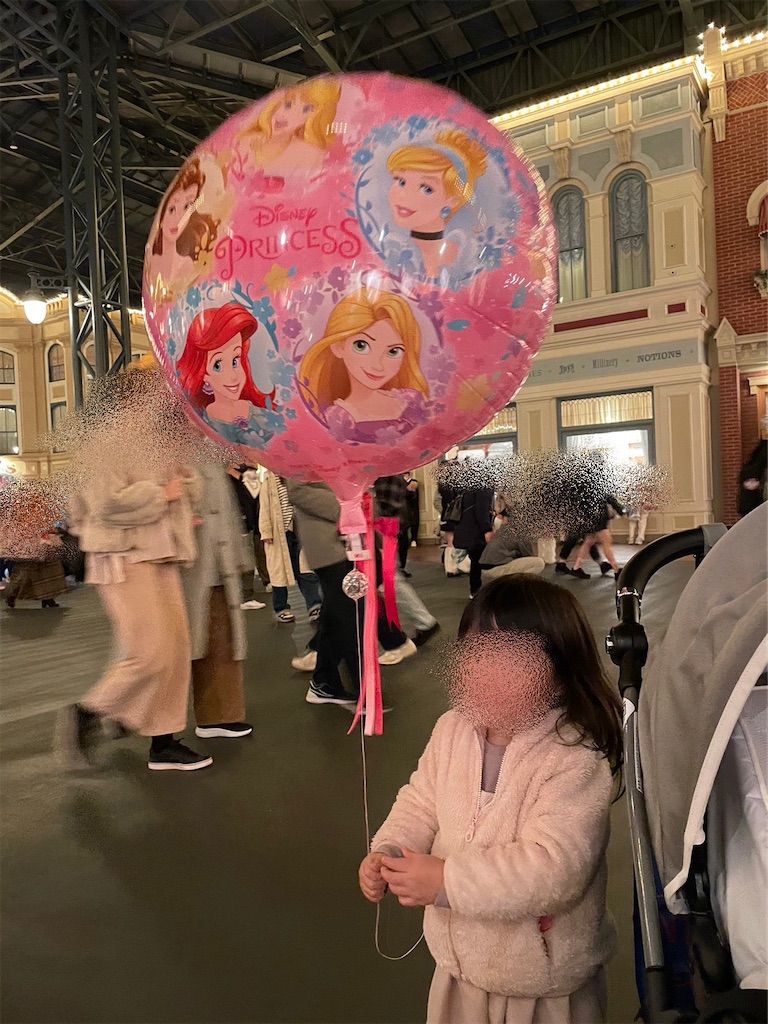
Park vendors attach every balloon to a customized Mickey mouse balloon weight, designed to counterbalance the helium volume and anchor the ribbon to strollers or wrists. Yet human error remains undefeated. Small hands slip, wind gusts snap worn plastic clasps, or parents untie the knot to adjust a stroller handle. The second the ribbon clears tree level, Cast Members shift immediately from vendor mode into guest recovery mode.
Rather than chastising guests, the operational doctrine treats an accidental balloon release Disney moment as an opportunity to reinforce brand affinity. The initial directive for nearby staff is straightforward: observe the trajectory to verify it clears overhead ride tracks, then redirect the family's attention downward before tears trigger a total meltdown.
Frontline Recovery: What Cast Members Do the Moment a Balloon Escapes
When a balloon vanishes into the sky, the park's customer recovery machinery begins immediately. The Cast Member guest recovery protocol empowers any costumed staff member who witnesses an accidental release to step in. A park custodian or parade marshal will often approach the distressed family directly, write a physical replacement voucher, or personally escort them to the nearest Main Street balloon vendor.
Disney trains balloon handlers to carry extra inventory specifically to absorb these daily losses. The company does not penalize retail staff for inventory discrepancies caused by replacements. Instead, vendors log each transaction internally under guest service codes. The financial loss of a wholesale foil balloon, costing the company less than two dollars to produce, is negligible compared to the lifetime value of an intact family vacation experience.
If a guest loses their balloon out of sight of an employee, the remedy remains accessible. Walking up to any vendor cluster and calmly explaining the incident often yields an immediate replacement. Should an individual vendor run low on a specific design, guests can visit City Hall or Guest Relations to secure an official Guest Relations balloon voucher, redeemable anywhere in the park before closing.
Global Replacement Policies: Domestic Parks Versus Tokyo Disney
Operational flexibility varies significantly across international jurisdictions. In Walt Disney World (Florida) and Disneyland Resort (California), frontline cast members exercise wide latitude. Even without documentation, staff routinely replace lost items if the claim appears genuine. At Tokyo Disney Resort, managed under license by the Oriental Land Company (OLC), policies follow strict administrative precision.
The Tokyo Disney balloon replacement protocol emphasizes verifiable proof. Guests who experience an accidental release at Tokyo Disneyland or Tokyo DisneySea are instructed to retain and present their lost balloon receipt Disney sales slip to the vendor or Guest Relations desk. If the balloon popped rather than drifted away, visitors must present the deflated remnants or the severed plastic clip to qualify for a free exchange under the park's formal popped balloon replacement rule.
| Resort Location | Replacement Requirements | Guest Recourse |
|---|---|---|
| Disneyland & Walt Disney World | Receipt preferred but rarely mandatory; CM observation or honest verbal report suffices | Immediate complimentary balloon exchange at any vendor or City Hall |
| Tokyo Disney Resort (OLC) | Receipt strictly requested; popped units require returning the physical scraps and clip | Presentation at initial purchase location or central Guest Relations |
| Disneyland Paris | Receipt or damaged remnants required depending on crowd conditions and vendor stock | Replacement via Central Town Square vendor cart or City Hall voucher |
This operational divergence stems from cultural differences in consumer documentation and fiscal auditing between domestic American parks and the Oriental Land Company. While an American vendor might wave off a lost receipt with a smile, Japanese staff operate within standardized operational manuals designed to prevent fraudulent claims while maintaining equity across hundreds of thousands of daily visitors.
Environmental Regulations, Airspace Hazards, and Park Cleanup Operations
Beyond guest relations, floating debris creates significant infrastructure and ecological headaches. The internal policies governing helium merchandise intersect directly with Disney park environmental regulations. Under federal and state wildlife guidelines, Disney prohibits balloons entirely from select properties. Guests will not find balloons sold inside Disney's Animal Kingdom, the Animal Kingdom Lodge, or The Seas with Nemo & Friends pavilion at Epcot, where ingestion by birds, sea turtles, or savannah mammals presents lethal gastrointestinal risks.
When an escaped balloon does not reach the upper troposphere, it typically snags on high-profile infrastructure. Stray ribbons frequently entangle overhead beamways of the Walt Disney World Monorail System or wrap around the high-intensity light rigs of outdoor roller coasters like Big Thunder Mountain and Tron Lightcycle / Run. Metallic Mylar conducts electricity; a foil balloon crossing a high-voltage contact rail can trigger an emergency breaker trip, shutting down an entire transit line or roller coaster block zone.
Park engineering teams maintain strict overnight retrieval schedules. Every evening after park closing, specialized facilities crews deploy telescoping poles, hydraulic cherry-pickers, and localized laser cutters to remove tangled balloons from spires, trees, and mechanical track bays. These measures satisfy municipal environmental codes while ensuring attraction sensors remain clear of foreign-object interference before morning testing cycles run.
The Economics of the Iconic Souvenir: Margins, Losses, and Consumer Psychology
At $18 to $22 per unit, Disney balloons represent one of the highest profit-margin novelty items in modern theme park merchandising. Helium gas costs fluctuate globally, but the composite manufacturing cost of the exterior vinyl, interior bladder, and plastic anchor ribbon remains negligible. The substantial retail price does not merely cover physical plastic; it functions as an unwritten insurance premium that funds the replacement policy itself.
Park economists understand that charging twenty dollars for an inflated orb creates heightened consumer expectations. If a family spends twenty dollars on merchandise that disappears into the sky thirty minutes later, the perceived value of their entire day drops. By authorizing instantaneous replacements, park management insulates itself against guest dissatisfaction at minimal actual cost.
This calculated generosity pays long-term dividends. Parents frequently share stories on social platforms detailing how a Cast Member replaced a lost balloon without hesitation. These unscripted moments generate authentic brand loyalty that multi-million-dollar marketing campaigns cannot replicate. The replacement protocol transforms a potential family meltdown into a core memory of park benevolence.
Practical Guidelines for Park Visitors Navigating an Escaped Balloon
Handling a lost or damaged balloon effectively requires understanding park operations. Following targeted best practices ensures families secure a swift resolution without unnecessary friction or out-of-pocket expenses.
Recommended Actions:
- Store the Paper Receipt: Slip the cash register receipt into your wallet or photograph it immediately with your phone. In Tokyo, this single step determines whether you receive a free replacement.
- Retain Damaged Remnants: If a balloon pops from heat exposure or catches on a stroller wheel, gather the shredded foil and the weighted clip. Handing these pieces to a vendor guarantees an immediate swap under standard Disney Parks safety guidelines.
- Approach Vendors Directly: Rather than joining a 40-minute queue at central Guest Relations, walk straight to any open-air balloon cluster along the primary promenade. Frontline sellers possess the authority to settle claims quickly.
Actions to Avoid:
- Do Not Attempt Retrieval: Never climb railings, enter flower beds, or use selfie sticks to hook a balloon caught on architectural eaves. Trespassing into non-guest areas violates park security rules and risks ejection.
- Do Not Bring Balloons to Animal Parks: Security checkpoints at animal-centric parks will confiscate or require guests to check balloons at daycare stations before entry to protect animal safety.
Frequently Asked Questions (FAQ)
Q1: What should I do if my child accidentally lets go of their balloon at a Disney park?
A1: Locate the nearest balloon vendor or Cast Member immediately. Explain that the balloon floated away. In domestic parks, vendors will typically provide a free replacement on the spot. If you are at Tokyo Disney Resort, present your purchase receipt to the vendor or Guest Relations desk.
Q2: Does Disney replace balloons that pop or deflate during the day?
A2: Yes. Under the standard popped balloon exchange rule, bringing the deflated fragments, broken string, or weighted base to any balloon vendor earns you a brand-new replacement at no charge across all global Disney properties.
Q3: Why are balloons completely banned at Disney's Animal Kingdom?
A3: Strict environmental regulations and wildlife protection standards prohibit latex and Mylar balloons within the park. Ingested fragments or tangled strings pose fatal risks to free-roaming birds, grazing herbivores, and marine life housed across the animal exhibits.
The Operational Craft Behind Park Hospitality
A floating balloon serves as a visible case study in how modern entertainment conglomerates manage operational chaos. What appears from the outside as simple human kindness is underpinned by rigid infrastructure maintenance, strict environmental compliance, and calculated brand economics. Theme park management recognizes that technical rides and elaborate stage shows provide spectacle, but seamless recovery during minor family crises creates lasting emotional loyalty.
The next time an inflated Mickey head climbs past the castle turrets, look away from the sky and watch the promenade. The swift handoff of a replacement ribbon between an observant employee and a relieved parent illustrates how commercial theme parks master the art of turning an everyday accident into an enduring operational triumph.