From Underground Boutique to Pop Sensation: The Rise of Danke Schön
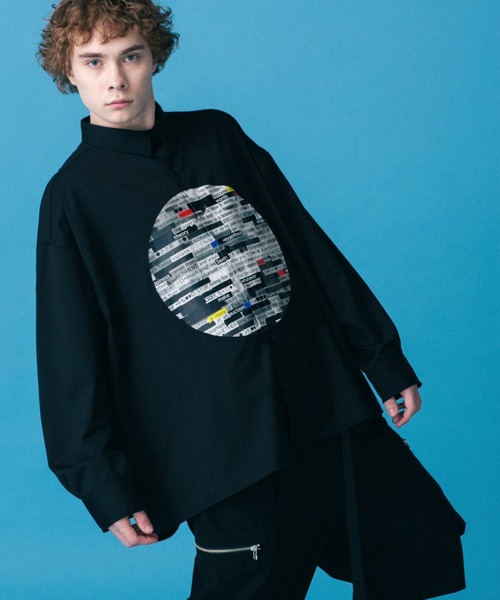
Step inside a Shibuya rehearsal studio, and the visual language of modern Japanese pop culture immediately snaps into focus. Dancers glide across polished hardwood, framed by oversized mirror walls, wearing drop-shoulder flannel shirts and heavy eco-fur jackets draped loosely over track pants. For over a decade, sharp-eyed fans scrubbing through idol rehearsal footage, YouTube dance vlogs, and Haneda Airport departure photos have encountered one recurring label: Danke Schön. What began as a boutique-distributed line within Tokyo’s select-shop circuit quickly evolved into an informal uniform for elite performers across J-pop and East Asian entertainment.
The label did not achieve this ubiquity through conventional multi-million-yen billboard campaigns or television commercials. Its ascendancy represents a textbook study in underground boutique distribution, stylist word-of-mouth, and the kinetic appeal of exaggerated silhouettes in contemporary dance culture. By examining its integration into major celebrity wardrobes, we can map how a niche Tokyo house reshaped the visual identity of East Asian pop performance.
📌 Key Takeaways:
- The Epicenter: Danke Schön emerged directly from Tokyo's influential LHP (Lazy Hazy Planet) boutique network, bypassing standard fashion-week cycles to target street-level trendsetters.
- The Idol Catalyst: High-profile endorsements from figures like Hey! Say! JUMP’s Ryosuke Yamada and members of EXILE Tribe transformed signature garments, specifically drop-shoulder check shirts and eco-fur blousons, into instant viral grails.
- The Silhouetted Utility: The brand's loose, drop-shoulder tailoring solved a mechanical challenge for performers, providing dancers with uninhibited motion while looking striking on high-definition rehearsal video streams.
The LHP Pipeline and Tokyo Underground Streetwear
To understand Danke Schön, one must first understand LHP (Lazy Hazy Planet), the high-concept boutique chain operated by Japanese retail powerhouse TSI Holdings. Stationed at cultural crossroads like Harajuku’s Meiji-dori and Shibuya, LHP functions as both an incubator and a curated showroom. Unlike conservative department stores in Ginza, LHP blends avant-garde European fashion with raw, subcultural Tokyo streetwear.
Danke Schön launched as a dedicated in-house label designed to fill an explicit market void. During the early 2010s, high-end European labels like Rick Owens and Off-White ruled Harajuku, yet their stratospheric price tags placed them beyond everyday reach for emerging creatives. Danke Schön stepped directly into that opening. The label fused European dark-street aesthetics, industrial hardware, and relaxed Japanese tailoring, pricing its heavy flannel shirts between ¥15,000 and ¥25,000 ($100, $170) and outerwear between ¥35,000 and ¥55,000 ($240, $370).
Because LHP catered directly to Tokyo stylists, stage choreographers, and entertainment agency talent scouts, Danke Schön skipped the trial phases typical of independent brands. Garments moved directly from boutique racks into the equipment bags of professional dancers, securing unforced visibility in spaces where trendsetters actually spent their working hours.
The Rehearsal Studio Effect: Why Idols Adopted the Silhouette
Between 2015 and 2018, Japanese entertainment agencies underwent a massive digital transition. Legacy talent management companies, most notably Johnny & Associates (now SMILE-UP.), began permitting talent to appear in behind-the-scenes YouTube videos, official practice footage, and social media channels. This shift fundamentally altered fan culture. Viewers no longer merely consumed polished concert staging; they scrutinized what performers wore off-duty.
When Ryosuke Yamada, the central figure of Hey! Say! JUMP, appeared in multiple dance practice sessions sporting Danke Schön’s signature oversized flannel shirts, online fan communities broke down every seam. Yamada’s affinity for the label created a blueprint. Fans documented his extensive wardrobe rotation, which spanned zippered flannels, distressed denim, and seasonal coats. Other major figures, including members of EXILE Tribe and prominent Kansai idol units, were routinely spotted wearing the label at dance studios and Narita departures.
The garment's physical construction explains its swift adoption. The exaggerated drop-shoulder cut prevents armhole binding during complex choreography, while elongated hems add dramatic visual flair during rapid body rotations. It offered the ideal compromise: high-impact street styling paired with the functional mobility of sportswear.
Style Evolution: Key Milestones Across East Asian Pop
The label’s evolution tracks alongside major aesthetic shifts in Tokyo and Seoul, moving from grunge-inflected street cuts to high-visibility plush textures.
| Timeframe | Signature Garment | Key Cultural Exposure | Style Impact |
|---|---|---|---|
| 2014, 2017 | Back-Zip Flannel & Drop-Shoulder Check Shirts | Ryosuke Yamada; Johnny's studio rehearsals | Established oversized check shirts as the standard J-pop rehearsal uniform. |
| 2018, 2021 | Eco-Fur Blouson Jacket with Graphic Lettering | EXILE Tribe performers; early K-pop crossover sightings | Triggered a nationwide winter trend for faux-fur statement streetwear. |
| 2022, 2026 | Hybrid Utility Outerwear & Distressed Knitwear | Gen-Z touring units; Asian music festival stages | Solidified international collector interest via secondary platforms like Mercari and Buyee. |
The Anatomy of Two Iconic Pieces
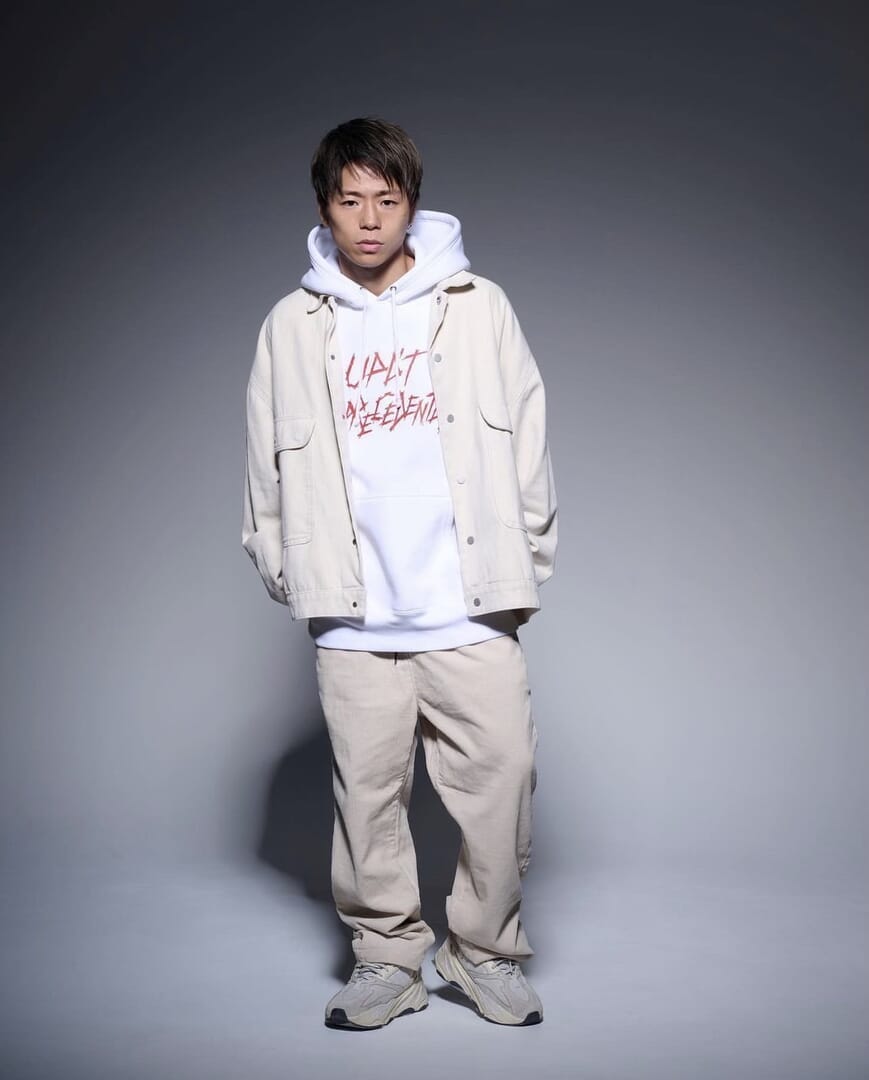
Two garments cemented Danke Schön’s reputation in the celebrity wardrobe canon. The first is the Danke Schon check shirt. Constructed from mid-to-heavyweight cotton flannels, these shirts dispense with standard Western cuts. Designers built them with aggressive drop shoulders, an elongated curved back hem, and functional hardware details such as side-seam zippers or full-length vertical back zips. Performed unzipped over a monochrome tank, the garment flares outward dynamically, magnifying stage presence without requiring expensive bespoke tailoring.
The second pillar is the eco-fur blouson jacket. Debuted during the rise of sustainable-fiber innovations, the blouson utilizes ultra-dense, plush faux fur that mimics the weight of sheared shearling. Often cut in an extreme cocoon bomber silhouette, the jacket features bold typography embroidered across the upper back or sleeves. It balances luxury textures with raw street energy. During cold-weather departures, J-pop performers layered these heavy jackets over minimalist joggers, establishing an effortless airport aesthetic that dominated Japanese fashion blogs through multiple winter seasons.
The Tokyo-to-Seoul Crossover Pattern
While Danke Schön remains rooted in Tokyo, its footprint expanded into Seoul’s bustling music ecosystem. The relationship between Harajuku select shops and South Korean stylists has long been an open secret in entertainment fashion. Stylists scouting for K-pop units on promotional tours through Japan frequently clear out key stock at LHP Harajuku and Shibuya.
Consequently, Danke Schön pieces surfaced on Korean variety programs, global airport arrival lines, and behind-the-scenes dance practice reels. The oversized drape of Japanese street cuts complemented the athletic proportions favored by modern K-pop idols. This cross-pollination created an international discovery pipeline. International fans outside Japan who followed Korean pop groups began identifying Danke Schön tags, fueling cross-border proxy shopping through Japanese consignment platforms and specialized export portals.
Retail Scarcity and the Modern Harajuku Business Model
Unlike fast-fashion chains that saturate the market with endless production runs, Danke Schön operates on controlled scarcity. Its distribution remains tied to LHP storefronts, TSI’s direct online channels, and platforms like ZOZOTOWN. By producing constrained seasonal runs, the brand avoids deadstock clearance racks, sustaining high secondary-market demand.
This deliberate restraint preserves its subcultural cachet. When an idol wears a specific colorway on an Instagram Live broadcast, the piece sells out across all physical LHP locations within forty-eight hours. The brand relies on immediate, organic demand cycles rather than manufactured press events, maintaining its organic connection to the Tokyo creative community.
Frequently Asked Questions (FAQ)
Q1: Why is Danke Schön specifically associated with Japanese idols?
A1: The label’s primary distributor, LHP, sits directly in Harajuku and Shibuya where entertainment stylists regularly source wardrobes. Additionally, Danke Schön's signature drop-shoulder and oversized designs offer uninhibited range of motion, making them ideal for high-intensity rehearsal environments that are increasingly broadcast to fans on YouTube and TikTok.
Q2: How does Danke Schön sizing run compared to Western brands?
A2: Danke Schön uses intentional oversized sizing. A Japanese size Medium or Free-Size in Danke Schön fits significantly looser through the chest, shoulders, and sleeve length than a standard Western Medium, designed deliberately to produce an exaggerated, relaxed silhouette.
Q3: How can international buyers outside Japan purchase authentic Danke Schön pieces?
A3: Since the brand operates primarily through domestic Japanese retail networks, international buyers typically purchase via TSI Holdings' online portal using proxy shipping services, official storefronts on ZOZOTOWN, or authenticated secondary Japanese marketplaces such as Mercari Japan and Rakuma.
The Trajectory of Cult Tokyo Streetwear in 2026
Danke Schön's migration from back-alley Harajuku racks to stadium dressing rooms highlights a permanent shift in how fashion influence travels. The era when Parisian runway shows dictated youth styling in isolation has yielded to a multi-directional model. Today, a 15-second rehearsal clip recorded in an underground Roppongi studio can ignite global demand faster than a Madison Avenue billboard.
By prioritizing kinetic utility, drop-shoulder geometry, and tight boutique distribution, Danke Schön captured an essential slice of contemporary pop history. It proved that when garments are designed to move seamlessly with the human body, the performers wearing them will carry the brand from the rehearsal floor to the world stage.