Funabashiya's Viral Spring Sensation: The Secret Behind the Sakura Kuzumochi Pudding Craze
Lines form early outside confectionery counters across Tokyo as winter frost yields to early pink buds. In the city's residential quarters, food enthusiasts track seasonal menu drops with the intensity usually reserved for luxury fashion drops. Leading this spring's conversation is Funabashiya, a heritage confectioner founded in 1805 near Kameido Tenjin Shrine, alongside its modern sister brand Funabashiya Koyomi. According to an official PR TIMES Report released by company president Kyoko Kamiyama, the brand's limited spring collection unites centuries-old fermentation with contemporary pastry design, triggering heavy foot traffic from Setagaya to Koto Ward.
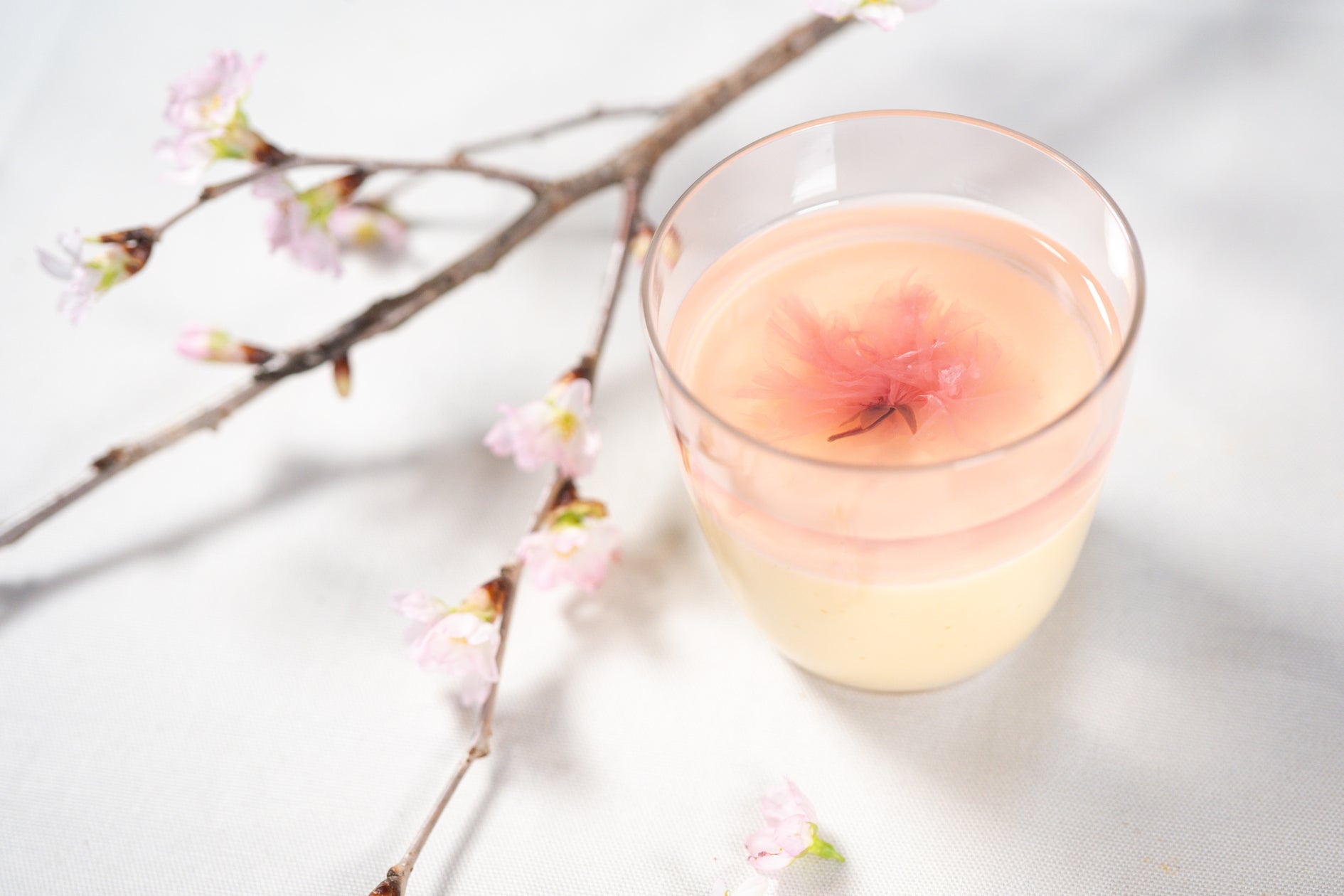
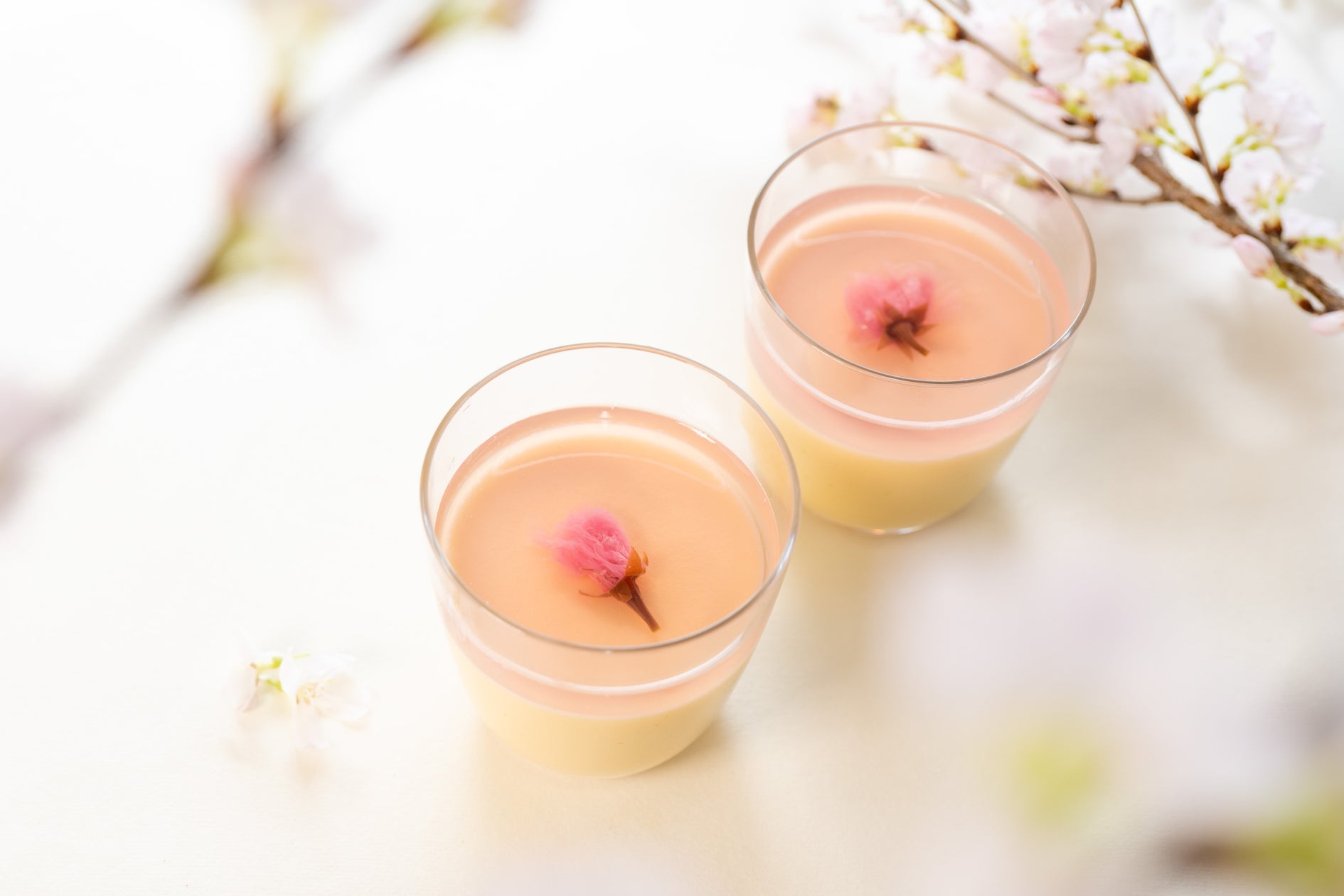
The viral centerpiece driving this seasonal rush is the Sakura Kuzumochi Pudding, an East-meets-West hybrid that reimagines traditional fermented plant-based dessert craft for contemporary palates. Alongside companion releases like Sakura Oshiruko and Anyaki Sakura, the drop illustrates how historic confectionery houses survive: not by treating heritage as museum relics, but by engineering textures that capture modern culinary curiosity.
📌 Key Takeaways:
- The Core Release: Funabashiya Koyomi debuted three headline spring sweets for 2026, Sakura Kuzumochi Pudding, Sakura Oshiruko, and Anyaki Sakura, supplemented by the equinox-timed Sakura Rokukoku Ohagi.
- The Fermentation Factor: Unlike standard puddings thickened with gelatin or dairy solids, the base integrates lactic acid-fermented wheat starch aged for 450 days, creating a distinctive elasticity.
- Neighborhood Footprint: Suburban food hubs, including transit junctions around Chitose-Funabashi and regional Tokyo storefronts, are seeing heightened demand as shoppers seek authentic neighborhood wagashi over commercial department-store brands.
The 450-Day Fermentation Secret Behind Kanto Kuzumochi
To grasp why this seasonal pudding commands dedicated lines, one must understand that Tokyo's *kuzumochi* shares almost nothing with the translucent arrowroot cakes of Kyoto. Kansai-style kuzumochi relies on wild *kudzu* root starch. Kanto-style kuzumochi, perfected by Funabashiya during the late Edo period, is an exercise in patient biotechnology. Workers wash high-protein wheat flour in spring water to separate the gluten from the starch. They pump that raw starch slurry into giant cedar vats where it ferments under naturally occurring lactic acid bacteria for roughly 450 days, nearly 15 months.
This prolonged biological breakdown strips the starch of its raw grain aroma while developing subtle organic acids and dense elasticity. Once clarified, rinsed, and steamed, the fermented block yields an unctuous, springy chew. By folding this fermented starch base into an egg-and-cream custard infused with salted cherry blossoms, pastry chefs achieve a mouthfeel unattainable with industrial stabilizers. The pudding does not collapse into liquid upon contact with the spoon. It yields with gentle resistance before dissolving into a saline, floral finish.
Deconstructing the 2026 Spring Drop at Funabashiya Koyomi
The sister concept Funabashiya Koyomi was conceived to bridge classical Japanese confections (*wagashi*) and Western baking techniques. For the 2026 spring campaign, the development team structured the menu around distinct textures rather than relying solely on visual pastel dyes.
The Sakura Kuzumochi Pudding anchors the release. The kitchen steeps hand-selected Oshima cherry leaves in whole milk to extract their natural coumarin aroma, creating an authentic floral fragrance without synthetic extracts. The custard settles over a foundation of the house-fermented kuzumochi base. On top, a thin glaze of translucent sakura jelly encases a whole, salt-cured cherry blossom, providing a sharp briny snap that cuts through rich dairy fat.
Second in the lineup is the Sakura Oshiruko. Traditional red bean soups can feel heavy as temperatures climb. This variation employs smooth white kidney bean paste (*shiro-an*) simmered into a silky potage tinted with cherry blossom liquor. Floating inside are toasted miniature mochi dumplings that retain their crisp charred skins beneath the surface of the soup.
Rounding out the trio is Anyaki Sakura, a baked confectionery derived from traditional bean-paste tea cakes. Blending white bean paste, egg yolk, and rice flour, the pastry undergoes high-heat baking to form a crust reminiscent of a delicate French financier while maintaining a dense, moist crumb inside.
| Menu Item | Key Composition | Retail Window | Price (JPY, tax incl.) |
|---|---|---|---|
| Sakura Kuzumochi Pudding | 450-day fermented wheat starch, Oshima cherry leaf infusion, salted blossom jelly | Late Feb, Mid Apr 2026 | ¥630, ¥680 |
| Sakura Oshiruko | White kidney bean purée, salted blossom reduction, grilled rice dumplings | Late Feb, Late Mar 2026 | ¥720, ¥780 |
| Anyaki (Sakura) | Baked white bean paste cake, egg yolk, domestic rice flour, cherry leaf crumble | Late Feb, Mid Apr 2026 | ¥280, ¥320 |
| Sakura Rokukoku Ohagi | Six-grain glutinous rice, smooth adzuki bean wrap, natural cherry blossom salt | Early Mar, Late Mar 2026 | ¥340, ¥380 |
Why Neighborhood Dessert Hubs Like Chitose-Funabashi Matter
The viral spread of this collection highlights an interesting demographic shift in Tokyo confectionery culture. Historically, marquee dessert trends originated exclusively inside Ginza department stores or youth retail hubs in Shibuya. Today, food writers track independent bakeries and heritage satellite shops across mature residential lines, particularly along the Odakyu corridor near stations like Chitose-Funabashi.
Setagaya Ward represents an exacting consumer base: affluent, multi-generational families who demand clean ingredient labels, gut-health-conscious fermentation, and seasonal authenticity. When suburban commuters pick up seasonal wagashi on their evening transit home, they bypass generic convenience-store sweets for limited releases made with traceable domestic ingredients. Chitose-Funabashi has transformed into an active transit gate where neighborhood food trails intersect with broader Tokyo confectionery trends. Shoppers frequently bundle seasonal grocery runs with stops at specialty shops to secure limited afternoon dessert batches.
The Equinox Special: Sakura Rokukoku Ohagi
No spring confectionery discussion in Japan is complete without addressing *Higan*, the week surrounding the vernal equinox in mid-March. Families traditionally visit ancestral graves, carrying *ohagi*, steamed sweet rice balls wrapped in adzuki bean paste, as ritual offerings. While mass-market supermarkets churn out overly sweetened, industrial versions, Funabashiya introduced the Sakura Rokukoku Ohagi to modernize the custom.
This specialty replaces plain polished sweet rice with an ancient six-grain blend (*rokukoku*) featuring black rice, millet, barley, and amaranth. The grains provide an earthy, nutty toothfeel that counterbalances sweet bean paste. The rice core is dyed a faint blush pink using natural vegetable extracts, then rolled in fine sweet bean paste and crowned with a single preserved petal. It serves as both ancestral tribute and sophisticated afternoon tea cake.
Who Should Seek Out This Collection, and Who Should Pass
Despite the visual appeal of Funabashiya's spring releases, the flavor profile is not universal. Understanding traditional Japanese flavor structures prevents mismatched expectations.
Ideal For:
- Lovers of subtle, savory-sweet balance who appreciate natural botanicals over artificial vanilla or high-fructose syrups.
- Diners interested in functional gut health, prebiotics, and heritage plant fermentation techniques.
- Confectionery tourists looking for authentic, short-shelf-life regional specialties that cannot be exported abroad.
Who Should Avoid It:
- Shoppers expecting Western-style custard puddings with heavy caramel sauces or intense sugar profiles. The salt-cured cherry leaf profile can taste unexpectedly briny to uninitiated palates.
- People with severe gluten allergies. While the long fermentation drastically breaks down wheat proteins, traditional Kanto kuzumochi originates from wheat starch and is not certified gluten-free.
- Visitors needing long-term souvenirs. These desserts contain zero industrial preservatives; the puddings and ohagi must be consumed within 24 to 48 hours of purchase.
Frequently Asked Questions (FAQ)
Q1: What gives Sakura Kuzumochi Pudding its unique texture compared to standard flan?
A1: Standard flan relies on baked egg proteins and gelatin for structure. Funabashiya incorporates its signature Kanto kuzumochi base, wheat starch fermented for 450 days, creating an elastic, bouncy chew that remains smooth and light on the palate.
Q2: Where can visitors buy the spring seasonal collection in Tokyo?
A2: The full collection is sold at Funabashiya Koyomi branches (including Hiroo) and select Funabashiya department store counters across Tokyo. The Sakura Rokukoku Ohagi appears for a shorter window in March around the spring equinox at participating retail outlets.
Q3: Does the dessert contain artificial food coloring or chemical flavorings?
A3: No. The pink tint and floral aromas come from natural vegetable colorings, boiled adzuki/beet extracts, and real domestic Oshima cherry leaves preserved in sea salt.
The Evolving Landscape of Tokyo's Heritage Sweets
The success of the 2026 spring collection points to a broader trend across Japan's culinary landscape. Two-hundred-year-old enterprises can no longer rely solely on ancestral reputation. Under the executive leadership of Kyoko Kamiyama, Funabashiya has proved that survival lies in technical adaptation. By repositioning Edo-era lactic fermentation as a contemporary functional food and pairing it with seasonal botanical traditions, the confectioner captures both aging traditionalists and younger consumers looking for thoughtful, clean-label indulgences.
As cherry blossom forecasts draw millions out into Tokyo's parks, the quiet line snaking outside neighborhood confectionery shops tells its own story. The craving for seasonal connection persists, measured one ceramic cup of fermented pudding at a time.