Henderson's Sweet Potato Song Explained: Duo Profile, Lyrics, and Their Rise to Comedy Fame
Few sounds evoke the nostalgia of Japanese winters quite like the mournful, slow chime of a roving stone-baked sweet potato vendor crawling through suburban alleyways. In late 2015, Osaka stand-up comedy duo Henderson hijacked that cultural audio bookmark and transformed it into one of the country's most infectious rhythm comedy routines. What began as an experimental club skit quickly mushroomed into a nationwide earworm, elevating members Hiroki Koyasu and Hiroshi Nakamura from regional theater grafters to prime-time television regulars.
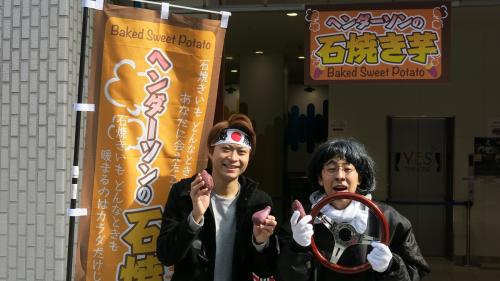
The sudden explosion of their routine caught both fans and comedy purists off guard. When the duo staged a public stunt on February 6, 2016, selling real roasted tubers out of a handcart outside Osaka’s legendary Namba Grand Kagetsu theater, crowds swarmed the entrance. Yet, beneath the viral laughter lay a sharp existential tension. As chronicled at the time by a スポニチ Report, both members openly resisted being pigeonholed as a novelty music act, telling reporters between sales that their true ambition remained conquering the orthodox manzai comedy routine.
📌 Key Takeaways:
- The Spark: Henderson fused traditional Japanese street vendor calls with emotional urban ballad tropes, creating the viral hit "Ishi Yakiimo no Uta" in late 2015.
- The Dilemma: While the tune generated millions of digital views, Koyasu and Nakamura staged a promotional sweet potato sale outside Namba Grand Kagetsu to declare they would not abandon traditional stand-up.
- The Long Game: After surviving the notorious "rhythm comedy curse," the Yoshimoto Kogyo duo spent years rebuilding their stage credentials, culminating in M-1 Grand Prix semifinal runs and an April 2024 transfer to Tokyo.
Street Cries Turned R&B: The Mechanics Behind the Viral Melody
Traditional stone-baked sweet potato vendors broadcast a signature sing-song cadence: "Ishi ya~kiimo~, oimo!" It is plaintive, rustic, and instantly recognizable to anyone living in Japan. Henderson dismantled that expectation by turning the vendor call into an ultra-melodramatic R&B power intro.
On stage, Hiroshi Nakamura clutches a vintage microphone stand, adopting the earnest facial posture of a 1990s pop balladeer. His vocals are legitimately polished, hitting clean vibrato on the word "oimo" (potato). Just as the audience braces for a heartfelt love ballad, Hiroki Koyasu enters from stage right, cutting across the track with rapid-fire hip-hop ad-libs. The comedic friction springs from the contrast: Nakamura acts like a brokenhearted singer pouring his soul into an arena anthem, while Koyasu operates as an impatient street-corner vendor trying to move inventory before it gets cold.
Within Yoshimoto Kogyo’s extensive catalog of performance styles, this format belongs to rhythm neta (musical or cadence-driven comedy). Unlike conventional two-person dialogue, rhythm routines rely on synchronized timing, musical hooks, and visual dissonance. Henderson executed the formula with meticulous musicality, writing hooks catchy enough to compete on pop radio charts while preserving sharp slapstick beats.
Decoding the Sweet Potato Song Lyrics: Melodrama on a Paper Bag
The brilliance of the Ishi Yakiimo song lies in its lyrical bait-and-switch. Nakamura begins by painting an urban winter landscape worthy of a tragic J-pop drama, only for the physical reality of root vegetables to derail the romance.
The routine opens with Nakamura singing passionately about the dropping temperature and the breath fogging in the night air:
"No matter how cold the winter wind blows / I will always keep you warm / Wrap you up in newspaper / Ishi ya~kiimo~, oimo..."
Koyasu instantly punctuates the chorus with sharp rap interludes: "Check it out! Don't let it cool down! Warm hands, sweet taste, five hundred yen!"
The narrative escalates into absurd domestic details. Nakamura belts out lyrics pleading with a customer not to look down on the potato just because it has rough skin, singing that the sweetness inside runs deeper than surface appearances. Koyasu chimes back with commercial pragmatism, reminding passersby that purple skins yield yellow gold. By treating a cheap winter comfort food with the gravity of an operatic heartbreak, Henderson created an earworm that children chanted on schoolyards and late-night clubbers blasted on social media.
From Namba Sidewalks to Tokyo Stages: The Milestone Timeline
The surge of the sweet potato routine pushed Henderson into a grueling production cycle. The duo worked through theater showcases, live promotional stunts, television variety spots, and critical tournament runs to secure their standing in professional comedy.
| Phase / Year | Career Milestone | Strategic Outcome |
|---|---|---|
| 2008 | Formation at NSC Osaka (30th Generation) | Established baseline manzai partnership after Koyasu left the Ground Self-Defense Force. |
| Dec 2015, Feb 2016 | Breakout of the Sweet Potato Song & NGK cart sale | Achieved viral fame; navigated public branding risks outside Namba Grand Kagetsu. |
| 2017, 2020 | Rebuilding theatrical repertoire in Kansai | Shifted focus away from viral music skits toward orthodox stand-up tournament formats. |
| 2021, 2023 | M-1 Grand Prix Semifinalist Breakthroughs | Silenced industry skeptics by proving elite conversational timing without musical props. |
| April 2024, Present | Official Relocation to Tokyo Management Base | Expanded nationwide broadcast bookings while headlining Kanto comedy theaters. |
The Double-Edged Sword of 'Rhythm Neta' in Yoshimoto's Hierarchy
In Japanese entertainment, a breakout musical bit is both an elevator and a trap door. Historically, acts like Oriental Radio, 8.6-Second Bazooka, or Cowcow achieved instant national awareness on the strength of catchy choreography. Yet industry bookers frequently discard rhythm acts the moment audience novelty fades, a pattern veteran comics call the "one-hit wonder curse."
Osaka’s comedy ecosystem values conversational sparring over recorded audio tracks. In theaters like Namba Grand Kagetsu and Yoshimoto Manzai Theater, peer respect is earned through center-mic dialogue: pure boke (the fool) and tsukkomi (the corrector). When Henderson’s track began circulating on variety programs, Koyasu and Nakamura recognized the structural trap immediately.
Their appearance in front of Namba Grand Kagetsu in February 2016 was a calculated public maneuver. Selling hot tubers in winter cold while sporting stage outfits, they engaged theatergoers directly. When reporters pressed them about their explosive television bookings, Koyasu delivered an unvarnished response: they appreciated the exposure, but their daily obsession remained surviving ten-minute live manzai sets. They refused to let a hit song become their artistic tombstone.
Hiroki Koyasu and Hiroshi Nakamura: Unorthodox Roots Behind the Chemistry
The duo’s survival in high-pressure theatrical environments stems from their contrasting backgrounds. Koyasu took an unusual path into professional comedy, spending years as a member of Japan’s Ground Self-Defense Force (JGSDF) before enrolling in Yoshimoto's New Star Creation (NSC) Osaka academy. His military background instilled an intense rehearsal discipline and an exact sense of physical positioning on stage.
Nakamura, operating under the stage persona Nakamura Fu, provides the manic artistic balance. Blessed with pitch-accurate vocal control and an expressive physical frame, he plays the earnest eccentric with complete conviction. In ordinary conversation, Nakamura comes across as soft-spoken, but under stage lights, his vocal range allows him to caricature Japanese pop stars without appearing mean-spirited.
Their NSC 30th-generation cohort put them alongside formidable peers, forcing them to sharpen their banter. Where many comedy duos break under creative disputes once a viral gimmick cools down, Henderson used their royalty checks and TV cameos to buy time. They wrote dozens of orthodox scripts, refining their timing until contest judges could no longer dismiss them as novelty performers.
Escaping the Novelty Trap Through Tournament Stand-Up
The true turning point in Henderson's career occurred years after the sweet potato frenzy subsided. Between 2021 and 2023, the duo mounted aggressive campaigns in the M-1 Grand Prix, Japan’s most prestigious comedy tournament, which draws over 8,000 competing duos annually.
M-1 rules offer no refuge for musical gimmicks. Performers stand before a single central microphone, judged on joke density, narrative construction, and vocal interplay within a four-minute limit. Henderson fought through preliminary rounds to reach the national semifinals, proving to industry executives that their joke-writing matched their musical instincts.
Their material evolved from absurd vocal routines to intricate situational dialogues about modern etiquette, generational friction, and the mundane indignities of aging in show business. By the time they announced their permanent transfer to Yoshimoto’s Tokyo headquarters in April 2024, Henderson was no longer labeled as the "sweet potato singers." They had earned their standing as seasoned manzaishi capable of anchoring any live theater lineup.
Frequently Asked Questions (FAQ)
Q1: What are the primary lyrics in Henderson's sweet potato song?
A1: The song parodies traditional Japanese sweet potato street calls by blending them into an R&B ballad. Key lyrics feature Hiroshi Nakamura singing soulfully about keeping someone warm in the freezing winter by wrapping them in newspaper ("Ishi ya~kiimo~, oimo..."), while Hiroki Koyasu interrupts with fast rap verses shouting prices and urging people to eat before the potatoes cool down.
Q2: Why did Henderson sell real sweet potatoes at Namba Grand Kagetsu in 2016?
A2: On February 6, 2016, the duo set up a mobile potato cart outside Osaka’s Namba Grand Kagetsu theater as a promotional stunt celebrating their viral breakthrough. While handing out potatoes to fans, they used the media spotlight to emphasize that they were serious stand-up comedians aiming to succeed in mainstream manzai rather than relying solely on musical novelty.
Q3: Did Henderson break up after the viral song faded?
A3: No. Henderson remained together, transitioned away from heavy musical routines, and rebuilt their reputation through traditional center-mic stand-up. They achieved semifinal placements in the national M-1 Grand Prix tournament and transferred their main base of operations to Tokyo in April 2024 to take on larger national television and theater roles.
The Enduring Cultural Legacy of Henderson's Musical Satire
The sweet potato song holds a unique place in modern Japanese comedy history. Rather than signaling the rapid decline that typically swallows viral musical skits, it served as a catalyst for Henderson's artistic reinvention. Hiroki Koyasu and Hiroshi Nakamura took an everyday piece of Japanese street culture, spun it into an unforgettable urban ballad, and used the momentum to finance a decade of relentless stand-up refinement.
Whenever winter winds sweep through Tokyo and Osaka, street vendors still broadcast their timeless calls into the evening chill. Thanks to Henderson, an entire generation of comedy fans hears those familiar cries and immediately waits for the R&B breakdown to begin.