How to Ditch Shampoo Bottle Cleaning: 100-Yen Hacks and Direct Hanging Dispenser Guide

The slimy ring of pink biofilm at the bottom of a refillable shampoo bottle is an all-too-familiar bathroom nuisance. For decades, the standard routine seemed unavoidable: buy a refill pouch, carefully pour the viscous fluid through a narrow plastic funnel, rinse the gummy residue off your hands, and scrub the pump reservoir every few months to keep mildew at bay. In Japan, where high-humidity bathrooms accelerate mold growth, that cycle is breaking down. A surging trend toward inverted shower storage and direct pouch dispensing has transformed the way households handle daily hygiene products.
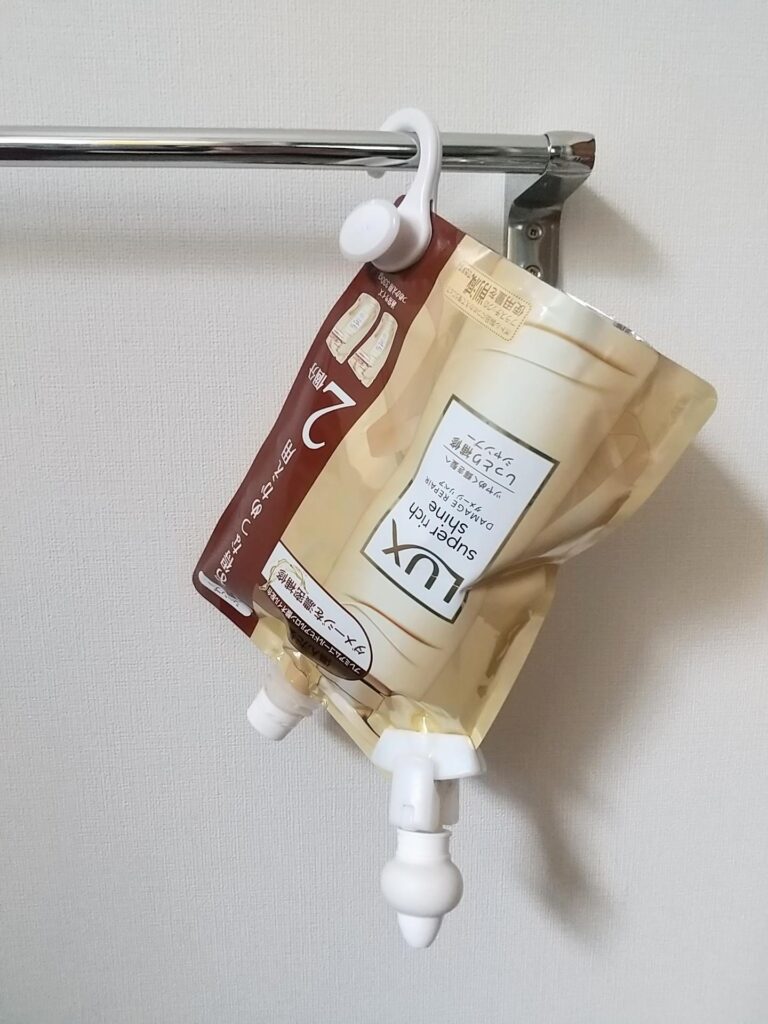
Instead of transferring liquids into standalone containers, consumers are hanging manufacturer pouches directly from shower bars, using clip-on pumps to draw soap straight from the factory packaging. While specialized hardware pioneered this no-bottle washing hack, bargain hunters have turned to discount retailers for cheaper alternatives. As documented in a retail analysis by the MSN Report on Japanese 100-yen chains, shoppers are testing whether 100-yen store organizers and modular clips can replicate high-end direct pouch systems without sacrificing bathroom cleanliness.
📌 Key Takeaways:
- The Direct Pouch Concept: Hanging refill pouches upside down and fitting them with direct-draw nozzles eliminates interior bottle scrubbing, air pockets, and wasted soap residue.
- The Retail Reality: Dedicated vacuum-pump attachments like Sanki's "Tsumekae Sonomama" retail for roughly ¥1,200, ¥1,800, while 100-yen chains like Seria offer modular hanging clips and wide-mouth alternatives starting at ¥110.
- Hygiene and Space Gains: Elevating soaps onto towel rails or shower heads prevents standing moisture, arresting the growth of Serratia marcescens (pink slime) across damp ledges.
Why Japanese Bathrooms Abandoned Refillable Pump Bottles
Refilling bottles feels responsible until you look closely at the mechanics. When you pour liquid soap from a flexible plastic pouch into an existing pump bottle, two problems emerge: bacterial exposure and trapped residue. Damp bathrooms encourage opportunistic bacteria like Serratia marcescens and black mold to settle into the threading, pump necks, and underside rings of bottles resting on wet ledges. Rinsing those bottles between refills introduces tap water, which dilutes preservatives and can breed microbial contamination if the interior does not dry completely before resealing.
There is also the frustration of product loss. Thick conditioners cling to pouch corners and internal bottle ridges. According to consumer tests highlighted by Japanese home-organization platforms such as RoomClip, traditional bottles leave up to 8%, 12% of dense hair masks trapped behind the pump straw. Inverted suspension flips gravity in the user's favor. Hanging a pouch from its sealed end forces the product down toward the opening, creating a natural vacuum that dispenses virtually every drop while keeping shower shelves clear of moisture rings.
How Direct Pouch Pump Attachments Work
The standard benchmark for this system is Sanki's patented "Tsumekae Sonomama" mechanism. Rather than pouring fluid into a third-party vessel, users snip a tiny corner off the manufacturer's refill pouch, slide an elastomeric one-way nozzle directly into the opening, and lock a clamp lever over the plastic film. At the opposite corner, an independent hanging clip pierces or pinches the bottom seam of the bag, allowing the pouch to dangle securely from any shower rod or overhead rack.
Dispensing requires only a light squeeze of the rubber bulb. Because the system draws liquid without introducing replacement air, the flexible foil or plastic walls of the pouch collapse around the remaining product. This airtight barrier stops ambient shower steam from degrading the soap, guarantees zero interior bottle cleanup, and operates as an on-demand zero waste shampoo dispenser. For households managing multiple formulas, color-safe washes, clarifying rinses, and body soaps, the approach replaces crowded shower benches with streamlined vertical rows.
Comparing Direct Pouch Dispensers and Budget 100-Yen Setups
A persistent question among budget-conscious shoppers is whether 100-yen store accessories can fully replace patented brand-name hardware. Specialty systems deliver proprietary vacuum valves, but Japanese 100-yen chains like Seria, Daiso, and Can-Do supply versatile components that achieve similar hygiene benefits at a fraction of the cost.
| Dispenser Option | Estimated Cost | Setup Mechanism | Hygiene & Ease Profile |
|---|---|---|---|
| Sanki "Tsumekae Sonomama" | ¥1,200, ¥1,800 ($8.50, $12.50) | Direct pierce-and-clamp nozzle with airless bulb | Zero cleanup; airtight vacuum seal; evacuates roughly 99% of liquid |
| Seria Hanging Clips + Screw Caps | ¥110, ¥220 ($0.75, $1.50) | Stainless suspension clip with threaded nozzle adapter | No floor slime; requires threaded pouch spout; basic squeeze flow |
| 100-Yen Wide-Mouth "Pouch Insert" Bottles | ¥110 ($0.75) | Removable lid allows whole pouch to sit inside container | Bypasses pouring; exterior bottle still requires shelf wiping |
| Nitori / Muji Wall-Mounted Bottles | ¥799, ¥1,490 ($5.50, $10.20) | Magnetic wall-mount or hanging bracket with pump | Elevates bottle off ledges; still requires regular internal washing |
Budget options demand a clear understanding of trade-offs. The official Sanki device features a calibrated check valve that prevents water backflow and maintains pressure. A 100-yen setup, while remarkably thrifty, typically relies on basic gravity feeding or standard threaded caps designed for rigid spouts rather than flexible film pouches.
Building a Functional Seria Bathroom Organizer Setup
Shoppers visiting 100-yen retailers like Seria will not find an exact duplicate of Sanki's patented pump mechanism on the shelf. Japanese retail inventories are tightly guarded against patent infringement. Even so, smart buyers construct effective, sanitary hanging systems using modular hardware found across Seria's bath and storage aisles.
The core building block is the stainless steel hanging clip. Designed to grip tubes and pouches with spring tension, these hooks clip securely over the heat-sealed perimeter of a refill bag, suspending it from an existing towel bar or curtain rail. For pouches equipped with threaded plastic spouts, Seria stocks replacement flip-top caps and nozzle adapters that thread directly onto the bag. This enables an inverted squeeze configuration without the need for a dedicated pump.
Another popular Seria bathroom organizer hack involves the wide-mouth bottle shell. These vessels feature a lid that detaches completely across the container's diameter. Rather than decanting liquid, users drop the unopened refill pouch directly inside, trim the top corner, insert the pump straw straight into the pouch, and click the lid shut. The fluid never touches the inner plastic walls, banishing gummy residue while retaining the familiar feel of a countertop pump.
The Viscosity Trap: Matching Liquid Formulas to Nozzle Attachments
Direct dispensing works beautifully for balanced formulas, but success hinges on fluid dynamics. Thin, clarifying shampoos and watery body washes flow effortlessly through basic gravity valves. Heavy conditioners, silicone-heavy hair masks, and dense moisturizing treatments behave very differently under surface tension.
When cutting a plain pouch for a direct nozzle adapter, accuracy matters. A cut wider than 15 to 20 millimeters can break the seal around the adapter neck, causing viscous conditioners to bypass the threading and leak down the exterior seam. Conversely, an opening that is too narrow creates excess resistance, collapsing the pouch unevenly and starving the dispenser tip.
For high-viscosity conditioners, true airless squeeze bulbs remain the gold standard. Inexpensive push-valves often lack the intake power to pull thick emulsions down the tube, resulting in hollow clicks and frustrated pumping mid-shower. If your hair care routine relies on heavy repairing creams, pair your budget hanging hooks with a purpose-built vacuum nozzle rather than a passive squeeze cap.
Zero-Waste Efficiency and Everyday Maintenance Realities
A hanging pouch system changes household cleaning dynamics immediately. Elevating toiletries away from flat surfaces removes the stagnant water films that drive bathroom slime and mold prevention routines. Shower shelves stay dry, and the tiresome routine of scrubbing, soaking, and bleaching pump mechanisms is eliminated entirely.
Material waste drops as well. Independent packaging tests show that an inverted, air-evacuated pouch yields over 98% of its total liquid volume. Traditional plastic bottles, by contrast, frequently trap several washings' worth of dried gel at the base, which typically gets rinsed down the drain during a refill. With inverted pouches, ambient shower heat warms thick conditioners, helping them slide toward the dispensing nozzle without constant shaking.
Long-term maintenance comes down to hardware checks. Stainless steel hanging clips need an occasional wipe to prevent mineral scale buildup from hard shower water. Rubber squeeze bulbs, while durable, benefit from a brief hot-water flush every three to four pouch swaps to dissolve any dried product crust near the discharge slit. Aside from those quick touch-ups, daily bathroom upkeep becomes remarkably hands-off.
Frequently Asked Questions (FAQ)
Q1: Can I buy an all-in-one direct pouch pump attachment at Daiso or Seria?
A1: No single 100-yen product currently replicates the complete, patented pierce-and-pump mechanism of premium systems like Sanki. However, you can assemble an effective alternative using Seria's stainless suspension clips paired with threaded refill nozzles or wide-mouth insert containers, each costing roughly ¥110.
Q2: Do heavy refill pouches ever slip out of budget hanging clips?
A2: Standard hanging clips hold full pouches weighing 350 to 500 milliliters without slipping, provided they are clamped over the pouch's flat, sealed edge. For oversized family pouches exceeding 800 milliliters, use two suspension clips side-by-side or select a wide-mouth container to avoid accidental drops.
Q3: How do I stop leaks when trimming a refill pouch for a nozzle adapter?
A3: Trim only the top corner of the pouch diagonally, making a cut no larger than 15 to 20 millimeters. Push the adapter stem firmly into the opening before clamping the lever shut. Testing the seal over a sink with water ensures an airtight fit before hanging the pouch in the shower.
The Shift Toward Wall-Hung Shower Storage
The rise of direct hanging dispensers highlights a practical evolution in home organization: eliminating unneeded containers entirely. Floor-bound shower caddies and bulky pump bottles belong to an era when product packaging was too rigid to adapt to damp, compact spaces. By suspending products in their original flexible pouches, homeowners bypass tedious bottle scrubbing, reclaim storage real estate, and suppress mold growth at the source.
Whether you invest in a precision vacuum kit or build an efficient setup from 100-yen store aisles, the functional payoff is immediate. Showers dry faster, personal care products dispense down to the final drop, and routine bottle washing disappears from your domestic chore list for good.